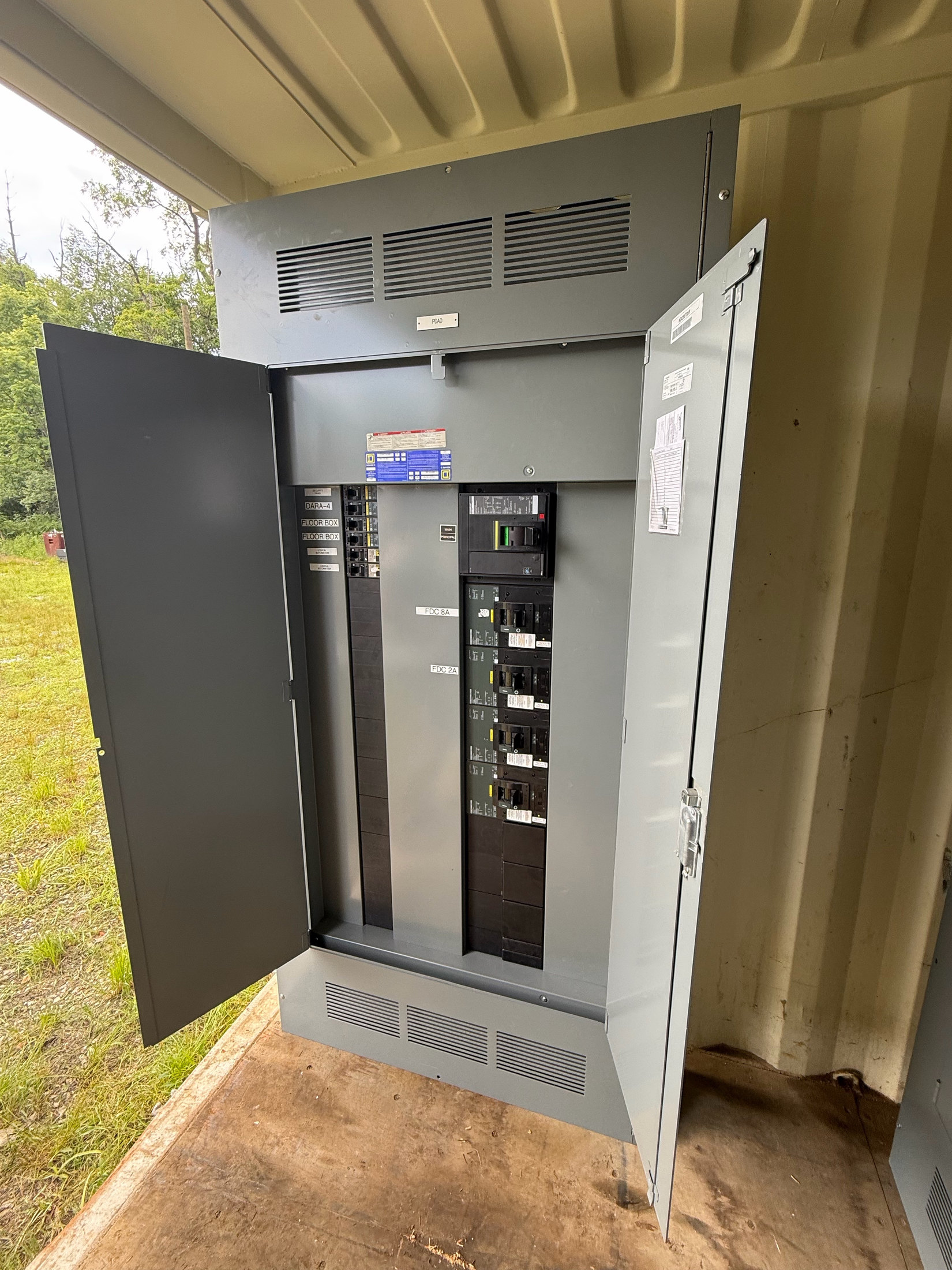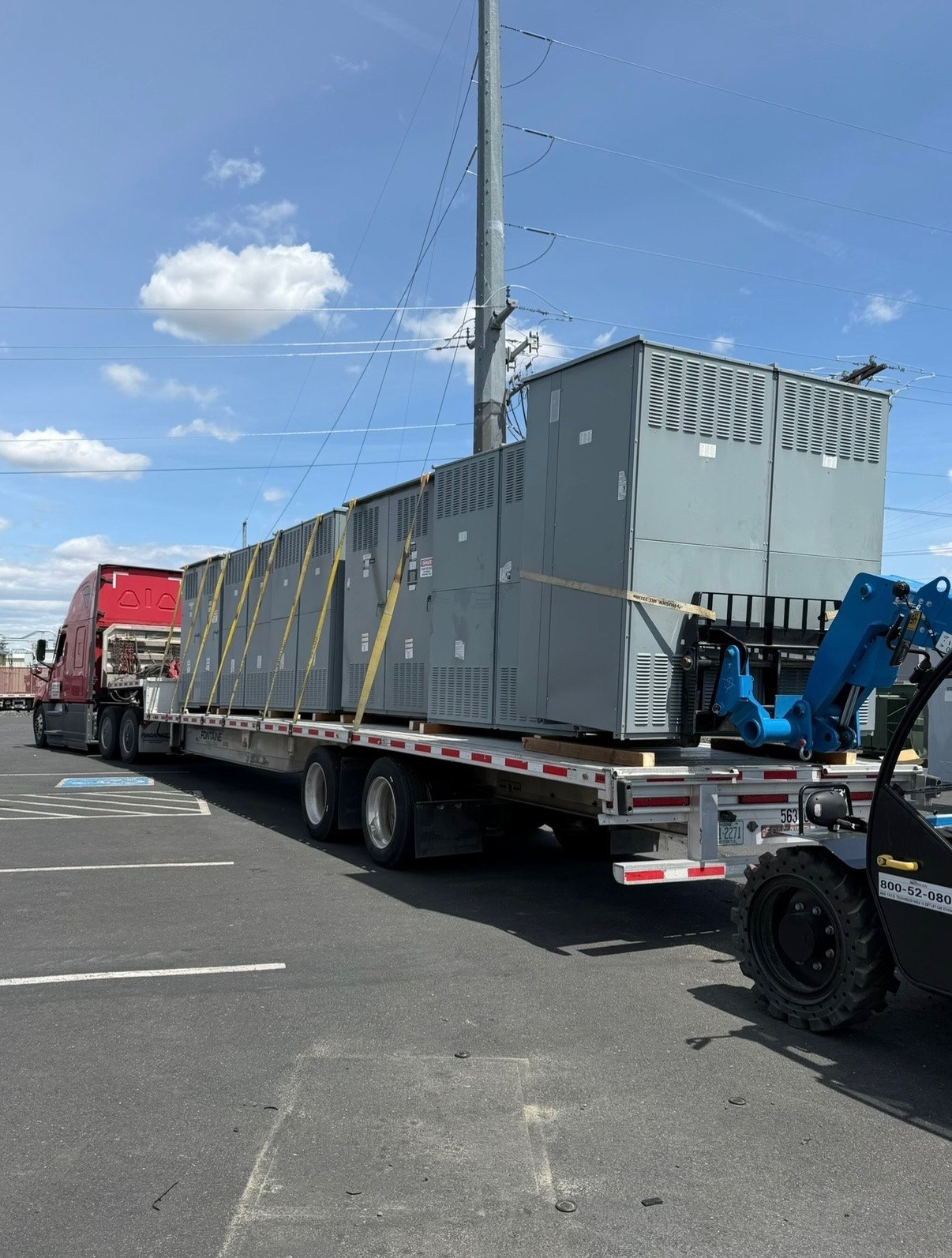
Industrial Site Vehicle Access for Switchgear Pickup in Pennsylvania
Industrial sites can have controlled gates, visitor sign-in, restricted drive lanes, scheduled deliveries, and areas reserved for operating work. These conditions matter when arranging pickup of switchgear, particularly at a decommissioned data center or shut-down power plant. We buy used, surplus, and decommissioned electrical distribution equipment across all voltage classes. A purchase is subject to agreement and depends on the equipment; the site’s access conditions are part of coordinating pickup after an offer is accepted.
Share the site requirements you already know before pickup is arranged: how visitors are admitted, whether entry must be scheduled, what vehicle restrictions apply, and which site contact can authorize access. The owner controls access and determines what information can be shared. No assumed route or general description can substitute for the site’s own rules, since gate procedures and movement restrictions vary from one property to another.
Share Access Conditions Before Reviewing an Offer
A useful initial discussion can begin with the equipment inventory and its general location at the site, together with known gate and visitor requirements. If vehicles need advance approval, escorts, check-in, or a defined arrival window, tell us what the owner requires. If site traffic is restricted during certain operations or hours, explain those limits as well. This information helps establish whether a proposed pickup can be coordinated within the property’s procedures; it does not require the seller to plan a route or conduct a site inspection for us.
We evaluate an offer without seller testing. Describe the equipment based on records or observations already available to you, such as whether it is used, surplus, or decommissioned and whether the inventory covers one unit or multiple items. Photos and labels are optional, and should be shared only when already safely accessible. Do not open, energize, disconnect, dismantle, move, or physically handle equipment to prepare an inquiry. Information about the equipment and site can support an offer discussion without turning evaluation into a testing assignment.
Clarify Gate Rules and Visitor Procedures
Gate rules can determine who must approve entry, what visitor information is required, where a driver checks in, and whether an escort is necessary. Provide the applicable instructions or connect us with the owner’s authorized site contact when appropriate. If the property requires vehicle details or prior notice, identify that requirement early enough for coordination. We will work with the owner’s process rather than presume that a driver can enter on arrival or that a gate will admit a vehicle based on a general pickup arrangement.
Visitor procedures may also distinguish between a commercial delivery entrance and other access points, or restrict movement to approved areas. The site owner is the source for those instructions and retains control over access. Share only the directions and permissions the owner has approved. If a procedure changes, updated information helps avoid coordinating against outdated instructions. Clear communication is especially useful at facilities where active operations, security controls, or multiple tenant areas affect visitor movement, without assuming that any particular feature applies to a given property.
Describe Traffic and Vehicle Restrictions
Tell us about known limits affecting vehicle entry or movement, such as vehicle size or weight rules, restricted lanes, one-way circulation, time windows, or areas where stopping is prohibited. These details can affect how pickup is scheduled and coordinated. Do not infer that a familiar industrial layout has a standard route, turning area, loading zone, or staging point. Site-specific restrictions must come from the owner or the person responsible for access, and any permitted movement remains subject to their direction.
If the owner requires a particular arrival sequence, waiting location, or coordination with site operations, communicate that requirement before pickup planning is finalized. Likewise, report any temporary closure or traffic control that could affect access. We do not ask sellers to test the equipment or handle it in order to resolve a vehicle-access question. Site information should describe rules and constraints already known to the owner; physical access decisions remain with the owner and authorized site personnel.
Coordinate Pickup After an Agreed Purchase
For an agreed equipment purchase, we handle cranes, rigging, disconnects, loading, freight, and hauling. Payment is made upfront before pickup. These terms should be established as part of the purchase arrangement so the owner and buyer can coordinate access, payment, and collection in a clear sequence. An offer is not automatic for every item; whether we make one and whether a purchase proceeds depend on the equipment and mutual agreement.
Before pickup, coordinate the owner’s access approval, visitor requirements, traffic restrictions, and any required scheduling with us. Confirm who is authorized to grant entry and communicate changes to the approved arrangements. The buyer’s handling of pickup logistics does not transfer control of the property to the buyer: the owner controls access and determines the applicable site procedures. Sellers do not need to arrange equipment testing as a condition of discussing an offer.
Keep Equipment Evaluation Separate From Site Handling
An offer can be considered using available inventory information and the equipment’s reported condition; seller testing is not required. Do not energize equipment, open enclosures, disconnect conductors, dismantle assemblies, or move items to make them easier to describe or photograph. If existing documentation, photos, or visible labels are already safely accessible, they may help identify the inventory, but sharing them is optional. The owner can decide what information is appropriate to provide without changing site access or safety controls.
Separating evaluation from physical handling also keeps gate and vehicle planning focused on what the owner actually knows: admission rules, visitor procedures, traffic limits, and authorized contacts. When information is uncertain, identify it as uncertain rather than asking staff to investigate by interacting with equipment. Any pickup arrangement follows an agreed purchase, upfront payment before pickup, and the site owner’s access requirements.
Prepare Clear Site Information for a Smooth Handoff
A concise handoff can cover the equipment inventory, the authorized site contact, gate and check-in instructions, visitor approval requirements, vehicle restrictions, scheduling limits, and any known traffic controls. Include only information the owner can share and that is relevant to coordinating access. If several site contacts govern different approvals, identify their roles so the appropriate permissions can be addressed before arrival. This communication supports planning without presuming an entrance, route, or staging area.
We buy switchgear from decommissioned data centers and shut-down power plants, across all voltage classes, as well as other used, surplus, and decommissioned electrical distribution equipment. Cash offers are considered based on the equipment, and any purchase requires agreement. For an agreed purchase, payment is upfront before pickup, and we handle cranes, rigging, disconnects, loading, freight, and hauling. The owner provides and controls site access under its own rules, while equipment evaluation proceeds without seller testing.