What equipment is actually released for sale?
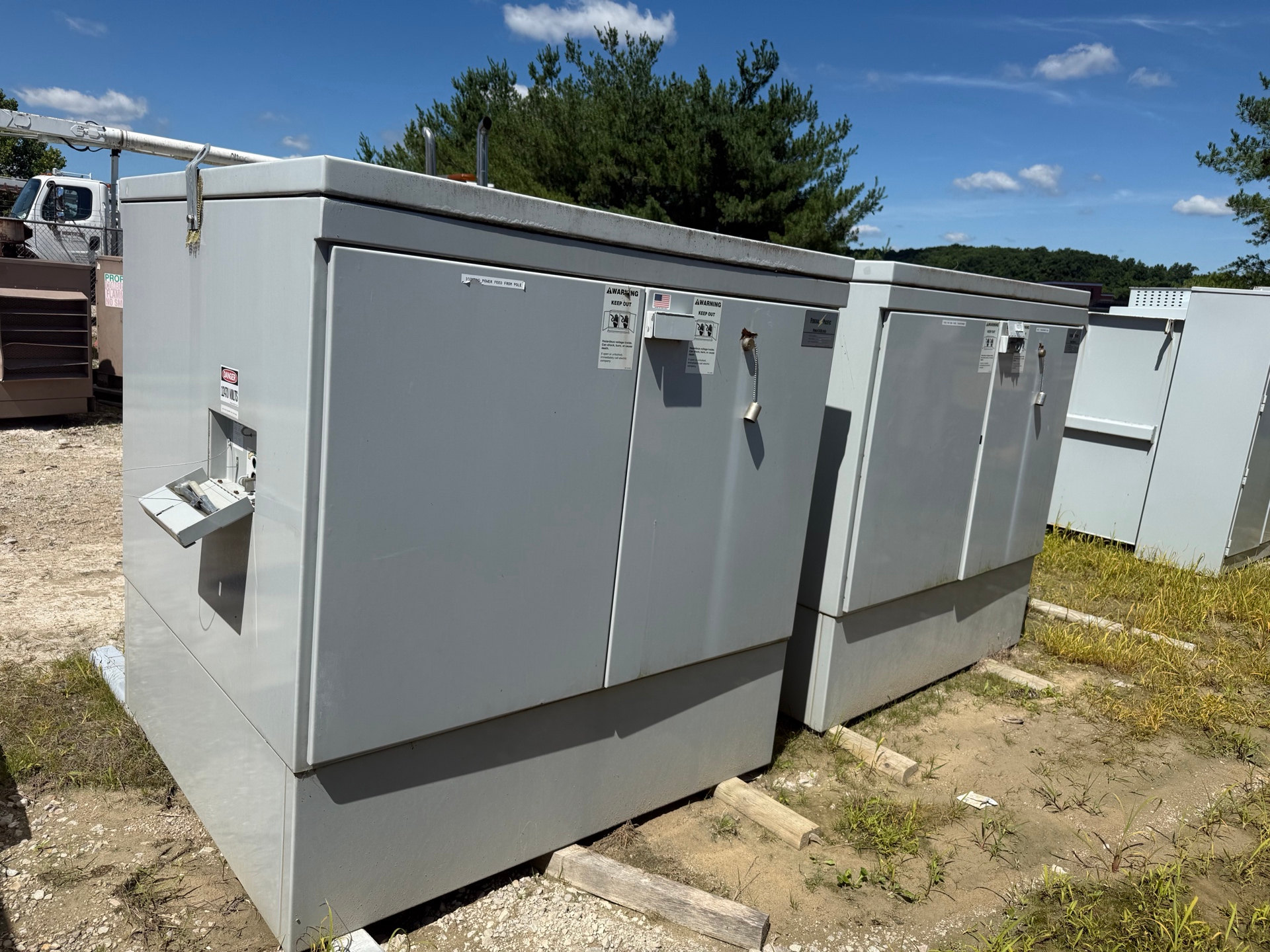
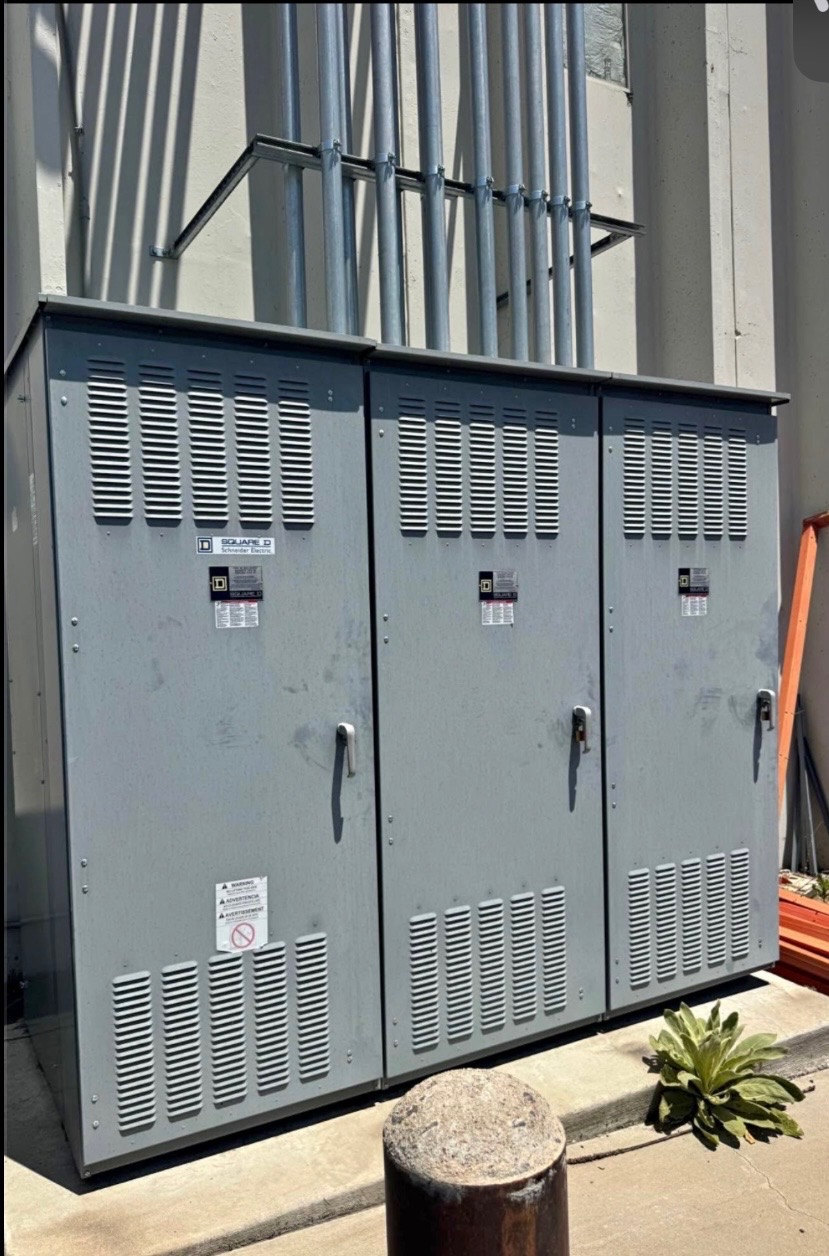
Start by separating equipment the organization has approved for sale from equipment that is still in service, reserved, or subject to another party’s control. For each proposed item, note its general description, quantity, known location, and release status. This inventory gives a buyer a practical basis to consider an offer without asking the seller to test equipment or establish its operating condition. We buy used, surplus, and decommissioned electrical distribution equipment, including switchgear from decommissioned data centers and shut-down power plants, across all voltage classes. Purchases depend on the equipment and agreement; an offer is not assured for every item.
Ask who has authority to approve the sale and who can confirm that the listed inventory is available to transfer. Identify any equipment that must remain in place or cannot be included, and keep those items distinct from the proposed sale. Existing records or descriptions can help clarify what is being offered, but owners do not need to create technical reports or perform inspections for our review. If information is uncertain, describe it as uncertain rather than estimating. Clear release boundaries reduce confusion when setting an appointment and preparing the handoff.
What information can support an offer without testing?
A seller can request consideration using information already available: a general equipment description, approximate quantity, site location, and whether the items are used, surplus, or decommissioned. Existing inventory notes, photographs, and labels may be shared when they are already safely accessible and the owner chooses to provide them. These materials are optional; do not enter restricted areas, approach equipment, or handle anything to obtain them. No seller testing is required. Our evaluation is based on the information available and the equipment proposed for purchase, and any purchase remains subject to agreement.
Ask whether the current inventory description is sufficient for an initial review, and flag missing or uncertain details plainly. Do not energize, open, dismantle, disconnect, or physically handle equipment to answer buyer questions. An offer may reflect the equipment and sale scope that can be established from available information, so material changes to the proposed inventory should be raised before appointment planning. If the items are not a fit for purchase, there may be no offer; a seller should not treat an inquiry as a confirmed sale.
Which site contacts should be identified?
Name the person authorized to coordinate the proposed sale and the site contact responsible for arranging access. Confirm who can communicate the approved inventory, appointment availability, and any site-specific arrival instructions. If these responsibilities belong to different people, identify each role so questions about the purchase do not get confused with access coordination. The owner or site authority controls entry and access; the buyer’s arrangements for pickup do not replace that authority or grant independent access.
Ask who will be available during the agreed appointment window and who can confirm that the released equipment is the equipment included in the purchase. Share only the contact and arrival information needed to coordinate the appointment. If access requires prior approval or a designated meeting point, have the authorized site contact communicate those instructions directly. Keep any changes to contacts or access arrangements current, particularly when a facility has multiple departments or separate control of the equipment area.
How should appointment windows and driver instructions be coordinated?
Discuss an appointment window only after the equipment scope and purchase terms have been agreed sufficiently to plan a pickup. Confirm the window with the buyer and site contact, then relay any relevant arrival instructions to the driver through the agreed coordination channel. Instructions can cover where the driver should report, whom to contact on arrival, and any owner-controlled access arrangements. Avoid relying on an informal assumption that a driver can enter or proceed without the site contact’s authorization.
Ask whether the agreed window works for the person responsible for access and whether the buyer has the information needed to coordinate the pickup. If availability changes, communicate that promptly rather than leaving the driver or site contact to discover the change at arrival. The buyer handles cranes, rigging, disconnects, loading, freight, and hauling for an agreed equipment purchase. The seller’s role in appointment planning is to coordinate authorized access and confirm the sale scope, not to carry out pickup work or give technical handling directions.
What pickup responsibilities should be clear before the appointment?
Before confirming the appointment, ask the buyer to restate the equipment included and the agreed purchase terms so both sides are planning for the same transaction. For an agreed purchase, we handle cranes, rigging, disconnects, loading, freight, and hauling. The owner controls site access and identifies the released inventory. These responsibilities should be understood before the appointment window is set, especially when more than one person is involved in approving the sale, coordinating entry, or maintaining the inventory record.
Do not prepare equipment by testing, energizing, opening, disconnecting, dismantling, or moving it. The buyer’s pickup arrangements cover the work described for an agreed purchase. If a site contact needs clarification about access coordination, confirm the arrangement with the buyer before the appointment rather than improvising work at the site. Any requested change to inventory, access, or timing should be discussed and agreed before pickup, since a change may affect whether the original purchase arrangement still applies.
When are payment and pickup terms settled?
Ask the buyer to confirm the agreed purchase amount and payment arrangement before the pickup appointment is treated as final. We make cash offers, and payment is made upfront before pickup. These terms should be clear to the seller before the equipment is collected. A discussion, inventory review, or proposed appointment by itself does not establish a completed purchase; the sale depends on the equipment and the parties’ agreement. If the inventory or scope changes, ask whether the existing offer and payment arrangement still apply before proceeding.
Make sure the person coordinating the appointment understands when payment will occur and that it precedes pickup. Resolve questions about the equipment included, payment, or timing with the buyer in advance, rather than leaving them to the arrival handoff. The seller does not need to test equipment to receive an offer. Evaluation can use information already available, while the buyer determines whether the equipment is suitable for purchase. Do not represent an unconfirmed amount or tentative discussion as an agreed sale.
What handoff record should the seller keep?
Keep a concise record of the agreed inventory, purchase terms, payment confirmation, appointment window, and the names or roles of the contacts who coordinated access. At handoff, the seller and buyer can refer to the same agreed scope and note that the identified equipment was collected. Records should reflect what actually occurred and should not imply that the seller tested equipment or verified technical condition. A clear record helps distinguish the approved sale from equipment that was not included or was not released.
Ask who will confirm completion of the handoff and how the seller should retain the purchase and pickup information. If the appointment, inventory, or access arrangement changes, record the agreed update and share it with the relevant contact before pickup. Keep owner-controlled access requirements in place throughout coordination. With the scope, payment-before-pickup terms, driver instructions, and handoff record aligned, the seller can plan the appointment without performing equipment work or making unsupported claims about its condition.