Plan Around the Agreed Pickup Window
A pickup plan depends on the equipment included in the purchase, its location, access arrangements, and the parties’ agreed schedule. Treat the pickup window as a coordination point rather than a guarantee that every condition will remain unchanged. Before confirming timing, identify who can authorize access, any limits on site entry, and whether other work could affect the equipment or route. The owner controls access and communicates site restrictions; we coordinate the transportation and handling services included in an agreed purchase.
The buyer handles cranes, rigging, disconnects, loading, freight, and hauling for an agreed equipment purchase. Those responsibilities do not remove the need to agree on timing and scope. If a site becomes unavailable, equipment is moved, or conditions change, notify us promptly so both parties can review the effect on the planned pickup. Any revised schedule or sale condition should be agreed before the work proceeds.
Separate the Purchased Equipment from the Broader Lot
A delay can expose a difference between the equipment discussed for purchase and the larger lot at the site. Record which items are included in the agreement and which remain outside its scope. If the inventory changes before pickup, describe what changed and whether the change affects access, loading arrangements, or the agreed purchase. A broader lot should not be assumed to be part of the sale merely because it is nearby or appears in the same area.
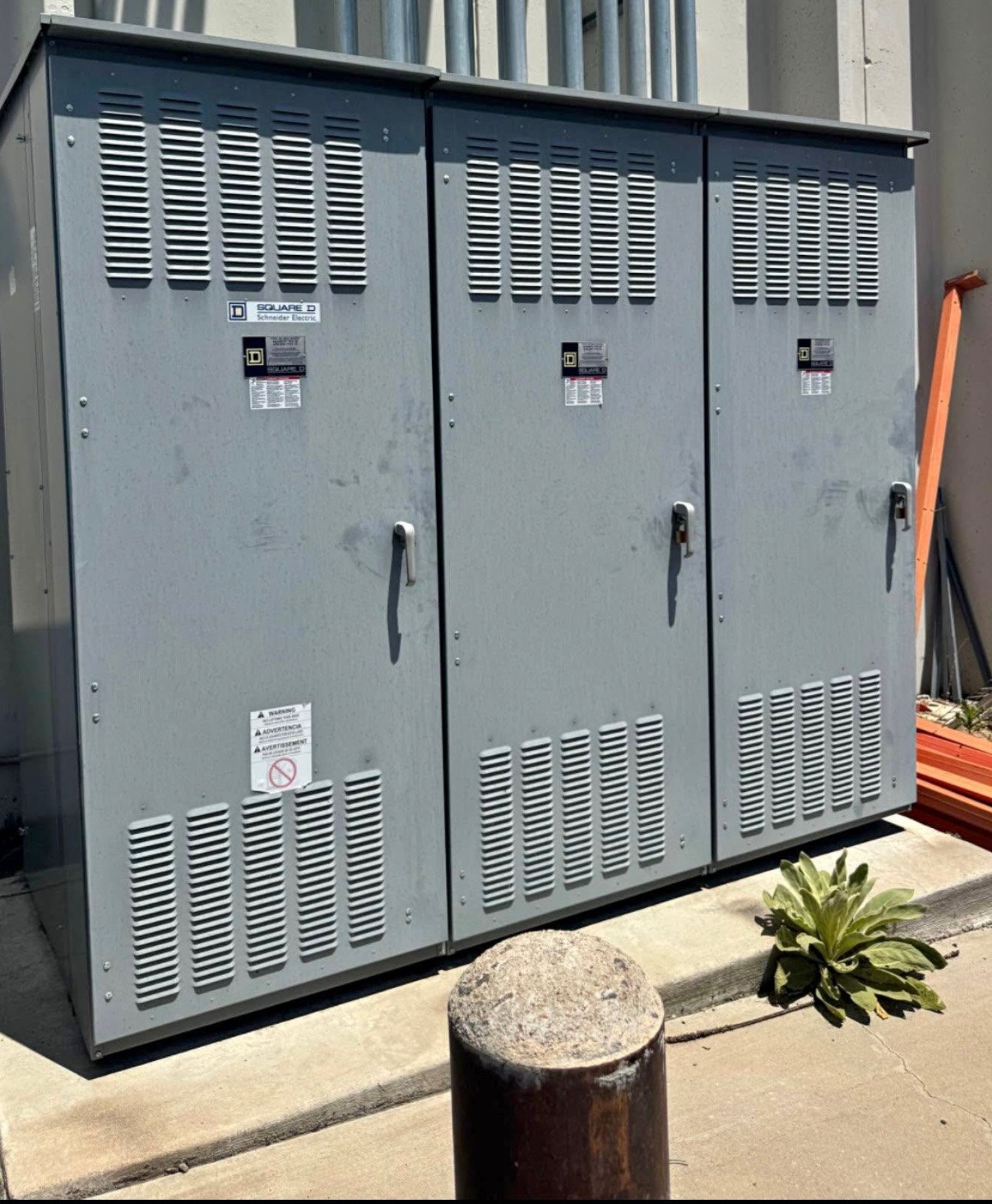
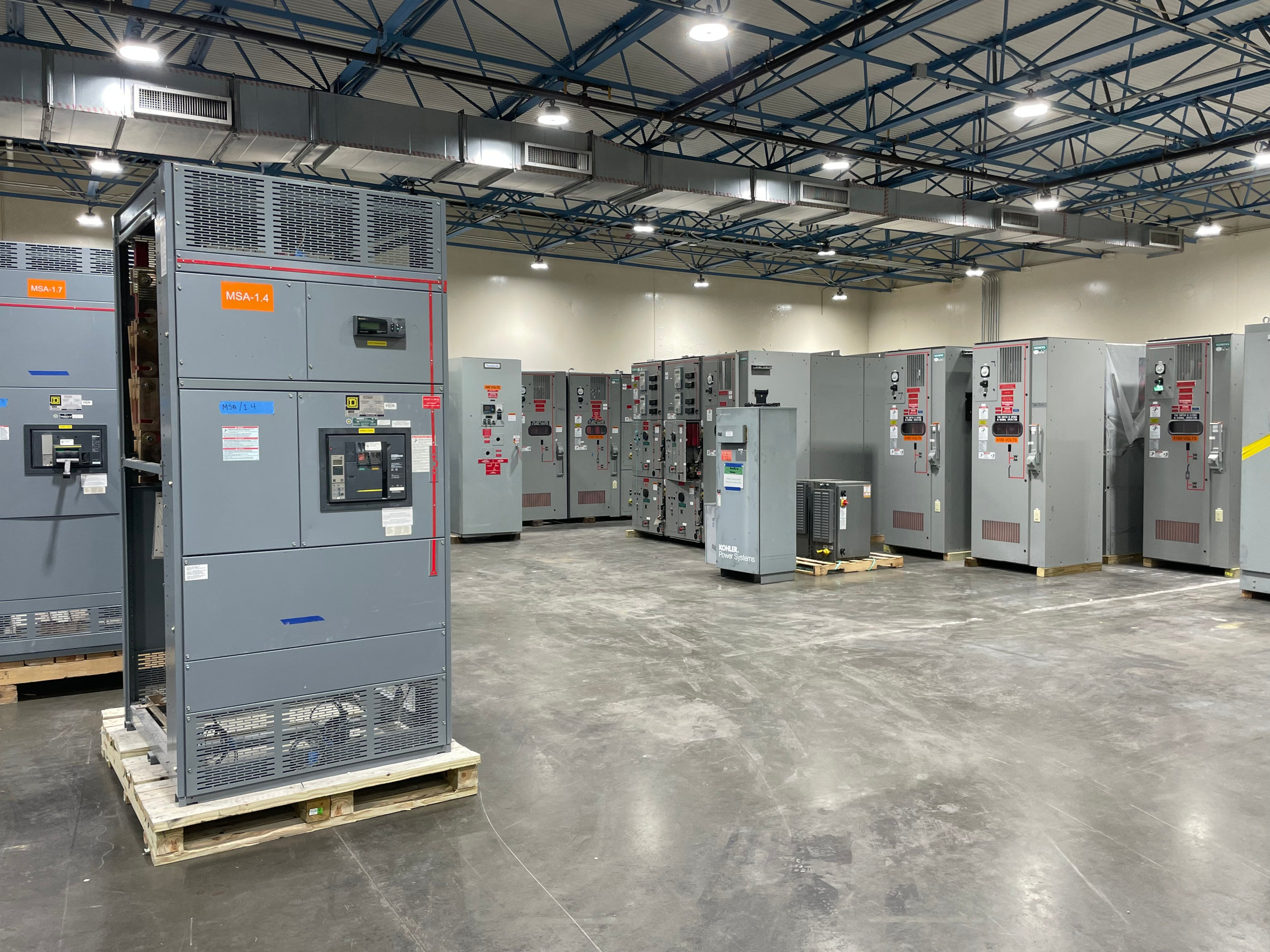
For switchgear from a decommissioned data center or shut-down power plant, the scope may involve equipment across voltage classes. The purchase still depends on the particular equipment and agreed terms. If additional items are proposed, or an included item is no longer available, the parties should revisit the scope and sale terms rather than treating the difference as an automatic substitution. Optional photos or labels can help clarify an inventory discussion only when already safely accessible; no one needs to access equipment or alter the site to provide them.
Account for Access Changes
Access can be unavailable because an owner changes site authorization, another activity occupies the route, or a scheduled entry cannot be arranged. These circumstances are distinct from a change in the equipment itself, but either can prevent pickup on the planned date. Confirm who can approve a new access window and whether the same entry conditions will apply. If access depends on another party, that coordination should be settled before the revised date is treated as workable.
Do not attempt to make equipment accessible by opening, disconnecting, dismantling, moving, or otherwise handling it. The owner controls the site and any access permissions. Share the relevant restriction and proposed availability so the parties can decide whether to reschedule or revise the agreement. We can coordinate buyer-side pickup work within agreed scope, but a schedule cannot resolve an access restriction that remains in place.
Respond to Weather and Site Conditions
Weather may affect whether a planned pickup can proceed safely or whether the site’s access arrangements remain usable. The specific effect depends on conditions at the location and the work required; it should not be assumed in advance that a date will hold or that a delay will occur. If weather disrupts access or planned handling, communicate the change as soon as it is known and discuss a revised window with the other party.
A weather-related delay does not itself determine whether the sale terms change. The parties should distinguish a temporary scheduling issue from a change to the equipment, scope, or purchase agreement. Confirm whether the agreed equipment remains available and whether any timing or access conditions need updating. We handle cranes, rigging, disconnects, loading, freight, and hauling for an agreed purchase, while the actual timing remains subject to coordinated access and the conditions applicable to the pickup.
Keep Payment and Sale Terms Clear
We make cash offers for equipment we may purchase, with payment upfront before pickup. There is no seller testing requirement. An offer is not guaranteed for every item: the potential purchase depends on the equipment and the parties’ agreement. If a delay leads to changed inventory, changed access, or a different proposed pickup arrangement, confirm any effect on the agreed purchase before proceeding rather than assuming that earlier terms automatically cover a revised scope.
Keep the distinction between payment timing and pickup timing explicit. Payment is made before pickup under the agreed purchase; a rescheduled pickup should be discussed directly so the parties can confirm how the existing agreement applies. Do not treat an unconfirmed addition, substitution, or removal as settled. Clear written communication of the equipment included and any revised terms helps avoid confusion when a broader lot remains at the site.
Coordinate a Reschedule and Close Out Changes
When a delay becomes likely, communicate the reason, the affected equipment, and the earliest access window that can be confirmed. Identify whether the issue is site access, a changed inventory, weather, or another scheduling constraint. Then confirm whether the original scope remains intact and whether the parties agree to a new pickup plan. Avoid presenting a tentative date as final until the people controlling access and the parties to the purchase have aligned on it.
Before a rescheduled pickup, resolve open questions about the purchased items, access authorization, payment, and timing. We coordinate cranes, rigging, disconnects, loading, freight, and hauling as part of an agreed equipment purchase; we do not require seller testing. If the proposed plan changes materially, confirm the updated terms rather than relying on assumptions about the broader lot or the prior schedule. This keeps the subject equipment and any separate inventory clearly distinguished while the sale and pickup remain subject to agreement.