Start With an Inventory of the Warehouse Equipment
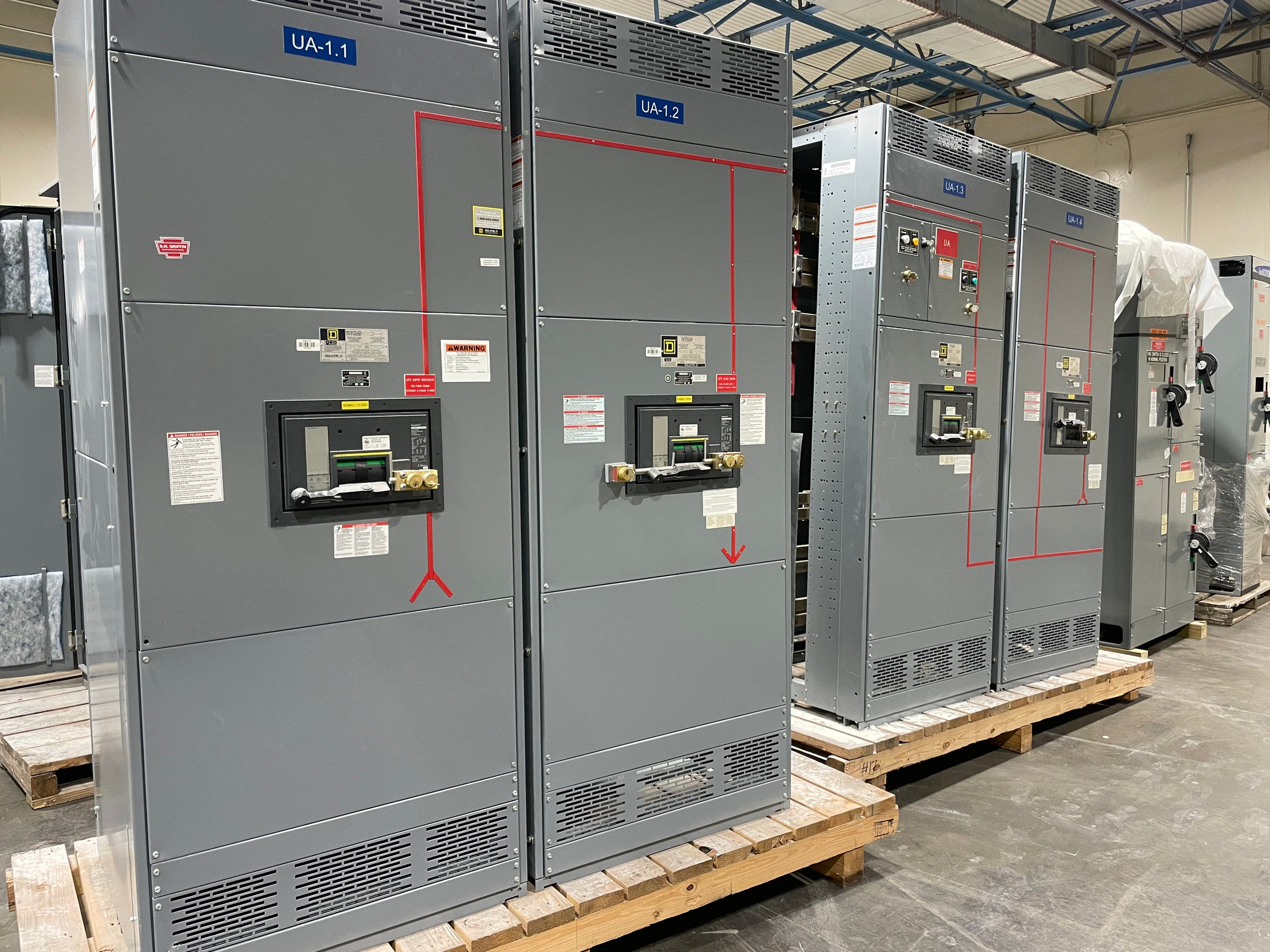
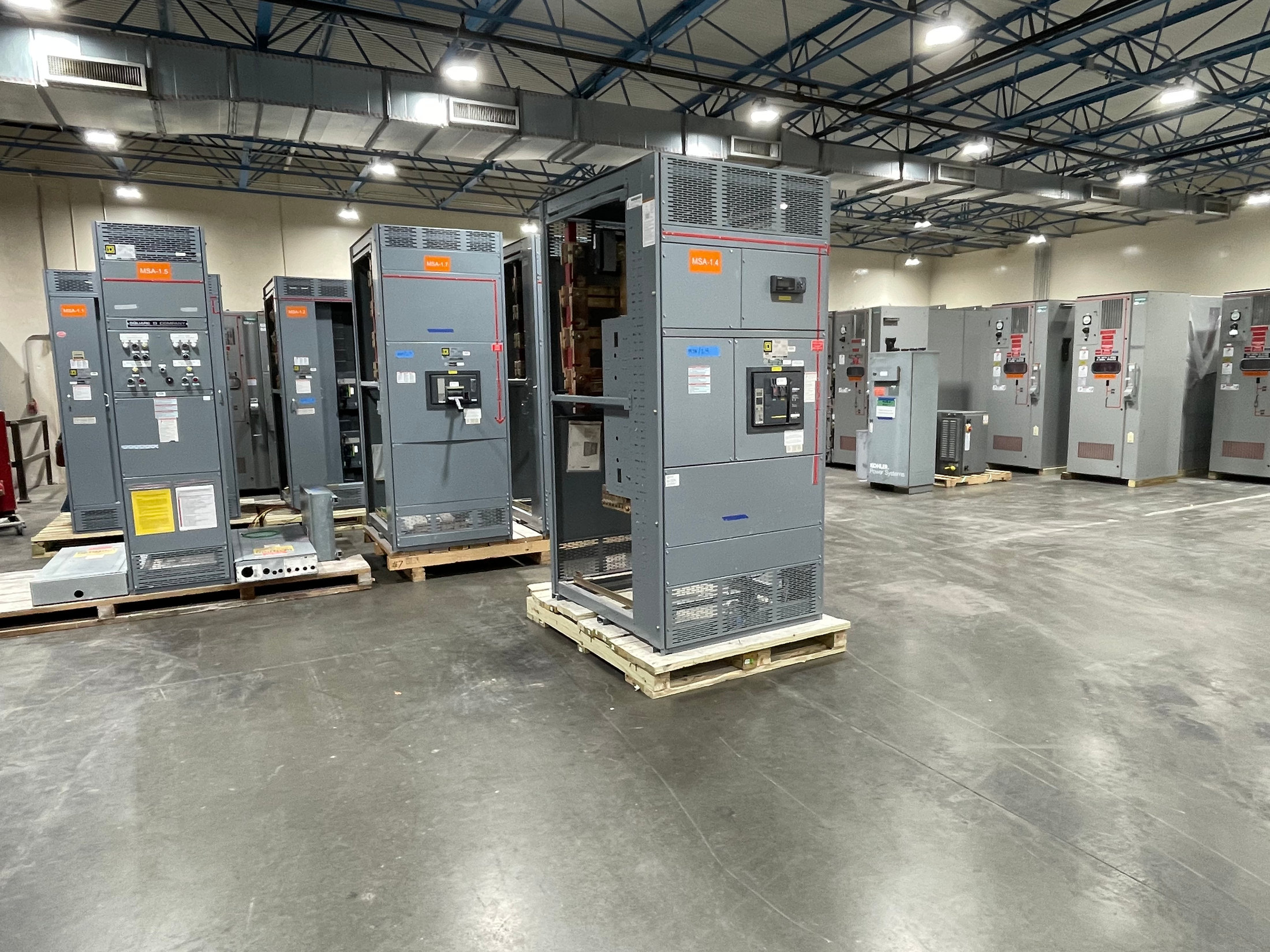
A surplus electrical equipment warehouse pickup begins with a clear account of what the owner is offering. Identify the equipment by general type, quantity, and ownership status, then separate those assets from items stored for customers, contractors, or other third parties. A warehouse may contain company-owned surplus alongside goods held temporarily; only equipment the seller has authority to sell can be considered for purchase. We buy used, surplus, and decommissioned electrical distribution equipment, including switchgear from decommissioned data centers and shut-down power plants across all voltage classes.
Describe what is known about each group and distinguish confirmed details from information that is unavailable. Useful inventory distinctions include equipment type, whether items are complete or partial, and whether related components are included in the proposed sale. Brands can help identify equipment, but a brand name alone does not establish condition, completeness, value, or suitability for purchase. There is no need to create a technical inventory beyond the information already available to the owner.
Separate Owned Assets From Third-Party Stock
Before discussing a sale, distinguish the warehouse’s owned surplus from consigned goods, customer property, leased equipment, or other stock that belongs to someone else. For mixed storage, group the proposed sale by ownership and identify which assets the seller is authorized to release. This prevents a pickup plan from treating everything in a storage area as one sale when ownership or release rights differ. If ownership records are incomplete, resolve the relevant authority before scheduling removal of the affected items.
The person coordinating the sale should also know who can approve the equipment purchase and who can authorize access and release at pickup. These roles may be held by different people. The buyer’s purchase agreement must cover the equipment being sold, while the warehouse’s authorized representative controls access and confirms what may leave the site. Clear authority helps keep purchased equipment distinct from property that is not part of the transaction.
Describe Condition and What Is Still Unknown
Share the condition information the owner already has, such as whether equipment is used, surplus, decommissioned, or stored as part of a larger inventory. Note known omissions or uncertainty about completeness rather than guessing. Existing records, labels, or photographs can help identify items when they are already safely accessible, but providing them is optional. Owners retain control of access; no one needs to open, energize, test, disconnect, dismantle, or physically handle equipment to prepare an initial description.
We do not require seller testing. A buyer’s interest and cash offer depend on the equipment and the information available, so an inventory description does not guarantee that every item will be purchased. If the seller does not know a detail, state that plainly. The transaction can be considered around the known equipment, with the scope of any offer clarified before the parties agree to a purchase.
Define the Proposed Sale and Pickup Scope
Establish which listed assets are included in the proposed sale and which remain in the warehouse. For grouped or mixed inventories, define the sale by the identifiable equipment being offered rather than assuming that nearby stored items are included. Confirm any known separation between sale equipment and retained or third-party property. The buyer and seller need an agreed equipment scope before pickup can be organized; an inventory alone is not a commitment to buy every listed item.
Discuss the pickup area and any known access or scheduling constraints with the person responsible for warehouse access. Share practical information already known about the route to the equipment, the loading area, and appointment requirements. Do not move equipment or arrange physical preparation on the buyer’s behalf. Once a purchase is agreed, we handle cranes, rigging, disconnects, loading, freight, and hauling for the seller.
Coordinate Appointment and Release Authority
A warehouse pickup requires an appointment and coordination with whoever controls site access. Identify the person who can confirm an available pickup time, admit the buyer’s team, and authorize release of the purchased equipment. If a separate warehouse operator or property owner controls access, include that party in the coordination so the agreed pickup can be arranged with the proper authority. Appointment details should reflect the facility’s actual procedures rather than assumptions about operating hours or access.
Before the appointment, align the inventory scope, release authority, and pickup responsibilities with the purchase agreement. The seller should know which equipment is being released and who is authorized to confirm that release. Keep third-party stock and retained assets outside the agreed pickup scope. These decisions support a controlled handoff without requiring the seller to perform loading or equipment handling.
Payment and Buyer-Managed Removal
For an agreed purchase, we make a cash offer and payment is made upfront before pickup. The amount and purchase scope depend on the equipment; an offer is not assured for every inventory or item. Confirm the assets covered and the payment arrangement before the pickup appointment so both parties understand what the transaction includes. Payment timing is part of the sale coordination, not something to leave unresolved until equipment is being removed.
After agreement, we handle the removal logistics: cranes, rigging, disconnects, loading, freight, and hauling. The seller does not need to test equipment or take on those buyer-managed tasks. Owners remain in control of site access and release authorization, and the pickup proceeds only for equipment included in the agreed purchase. This keeps the inventory, payment, authority, and removal scope connected from initial review through warehouse pickup.