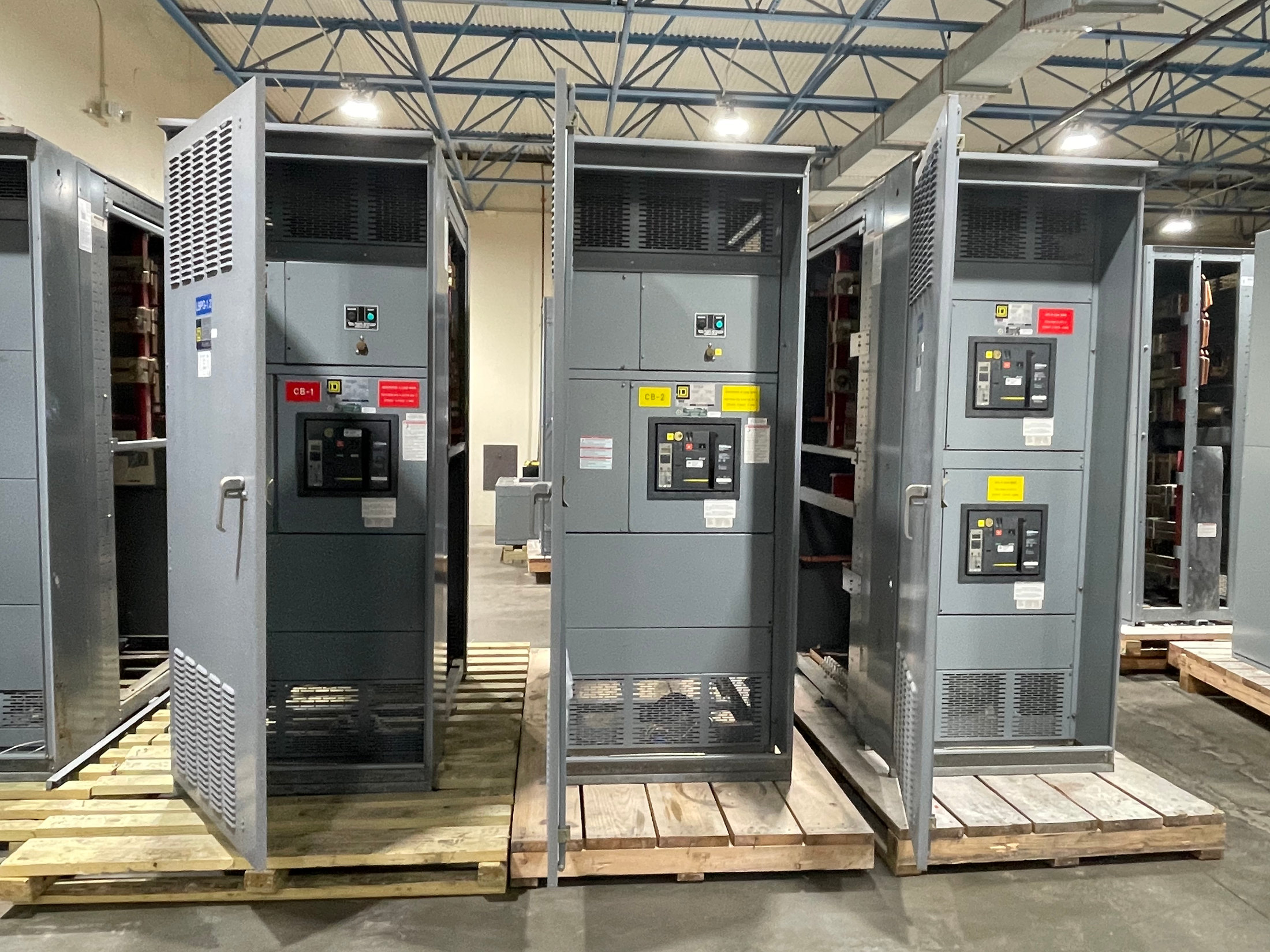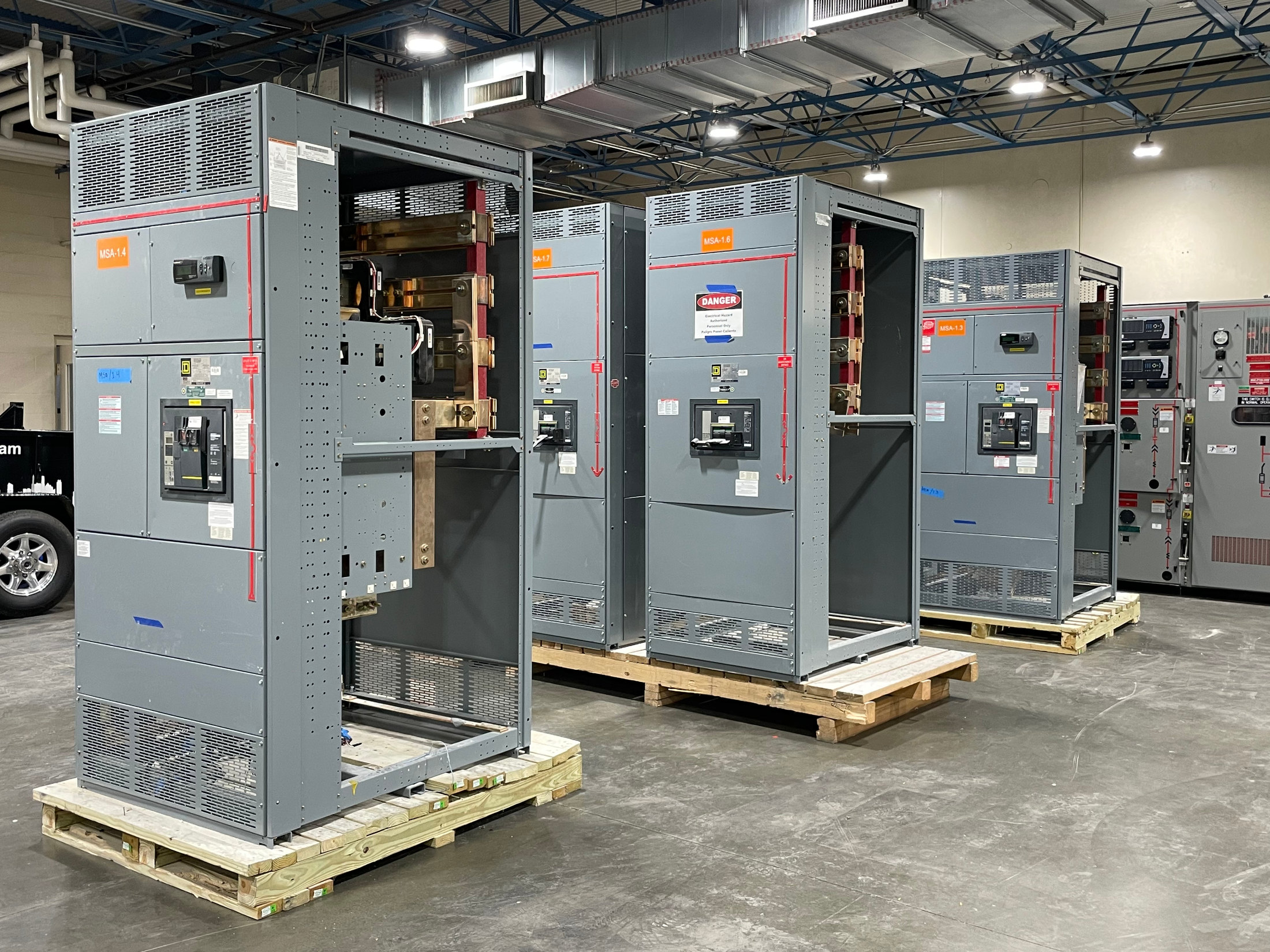
Environmental disclosures begin with ownership and scope
Before discussing environmental information, establish that you own the equipment or are authorized to sell it, and identify which assets are included. A facility may contain equipment owned by a landlord, utility, former operator, lender, or another party. Confirm that the seller has authority over each item and that any required internal approvals are in place. This helps keep a proposed sale within the boundaries the owner intends.
Then describe the proposed scope in practical terms: which pieces are offered, where they are located, and whether the offer concerns complete equipment or identified components. Environmental information is useful only when it can be connected to the equipment in question. If records cover a broader facility, distinguish those records from information known to apply to a particular asset. A buyer can consider an offer only after the equipment and sale scope are sufficiently clear; acceptance depends on the equipment and the parties’ agreement.
Illustrative situation: a facility-wide disclosure
Consider an owner preparing to sell electrical distribution equipment after a facility shuts down. The owner has an older environmental report for the building, a maintenance file for some equipment, and incomplete records for the rest. The useful first step is not to treat every facility-wide observation as a confirmed condition of every asset. Instead, identify which records relate to the offered equipment, which relate only to the building or surrounding area, and which assets have no specific documentation.
For example, a report may discuss a substance in a room without establishing that it is present in a particular piece of equipment. The seller can share the report’s relevant context and clearly state the limits of what is known. If an asset-specific record identifies a fluid or material, connect that information to the identified item where the records support that connection. This makes the disclosure more informative without turning a general site observation into an unsupported equipment-specific statement.
Separate known conditions from unresolved questions
Share information the owner already has about fluids, hazardous materials, leaks, spills, residue, or contamination, including relevant records and prior assessments. Describe the source and scope of the information where known: whether it concerns an individual asset, an area, or the wider property. If records use uncertain language or provide conflicting accounts, preserve that uncertainty rather than presenting a conclusion that the records do not establish.
Unknowns should remain unknown. Missing maintenance history does not establish that equipment is contaminated, and an absence of a recorded incident does not prove that no condition exists. Avoid converting assumptions, recollections, or facility-wide reports into definite claims about individual equipment. If information is incomplete, say which part is incomplete and what documentation is unavailable. Qualified parties can evaluate the available information within their roles; the seller’s disclosure should accurately represent the owner’s knowledge, not replace an assessment.
Make records traceable to the offered equipment
Organize available information so that a prospective buyer can tell which item each record concerns. Use the owner’s existing asset names, inventory descriptions, or other identifiers when available, and keep those references consistent across the equipment description and supporting records. If a label or record is not available, identify the limitation rather than guessing. Photos or label images are optional and should be shared only when already safely accessible; obtaining them must not require the seller to handle or alter equipment.
Keep the distinction between documented facts and the seller’s interpretation visible. A maintenance entry, environmental report, or prior communication may describe a condition, but its wording and scope matter. Share relevant excerpts or records with enough context to avoid implying that a document covers assets it does not identify. Where ownership or asset boundaries are uncertain, resolve the sale scope before treating a record as a disclosure for the proposed purchase.
Coordinate qualified parties and collection scope
When environmental questions arise, share the available information with the appropriate qualified parties and coordinate any needed review through them. The buyer’s consideration of an offer is conditional on the equipment and agreement between the parties; disclosure does not itself establish acceptance. Do not assume that a known or unknown condition has a particular regulatory status, handling requirement, or effect on saleability without a qualified basis for that conclusion.
Collection planning follows the agreed equipment scope. For an agreed purchase, we handle cranes, rigging, disconnects, loading, freight, and hauling. The seller does not need to test equipment for a sale, and we do not require seller testing. Owners control access to their property and equipment. Any access arrangements or site-specific constraints should be discussed in advance so the parties can coordinate collection without asking the seller to perform technical or physical work on the equipment.
Clarify terms before collection
Once the equipment scope and available disclosures have been reviewed, the parties can discuss whether to proceed and on what terms. We buy used, surplus, and decommissioned electrical distribution equipment, including switchgear from decommissioned data centers and shut-down power plants across all voltage classes. Cash offers are made for equipment we may be interested in; not every item is necessarily accepted. A purchase proceeds only when the parties agree on the equipment and terms.
For an agreed purchase, payment is made upfront before pickup. Collection responsibilities are also clear: we handle cranes, rigging, disconnects, loading, freight, and hauling. These arrangements do not eliminate the value of accurate environmental disclosures. Clear ownership, a defined inventory, and candid separation of known facts from unresolved conditions help the parties make an informed decision about the equipment and coordinate a potential sale.