Decide What You Own and What Is for Sale
Before discussing collection, establish who owns the switchgear and has authority to sell it. At a data center, power plant, or other facility, equipment may belong to a property owner, operator, tenant, lender, or another party. Confirm the seller’s authority and identify any ownership restrictions before asking a buyer to plan a purchase. A buyer can consider only equipment that the authorized seller includes in the proposed sale.
Define the intended sale scope in plain terms. Separate switchgear offered for purchase from equipment that must remain, belongs to another party, or is outside the agreed scope. If the equipment is part of a larger decommissioning, identify the boundaries of the proposed purchase without assuming the buyer is purchasing every item at the site. The purchase depends on the equipment and a mutually agreed scope; an inquiry does not guarantee an offer for every item.
Describe the Switchgear and Its Current Location
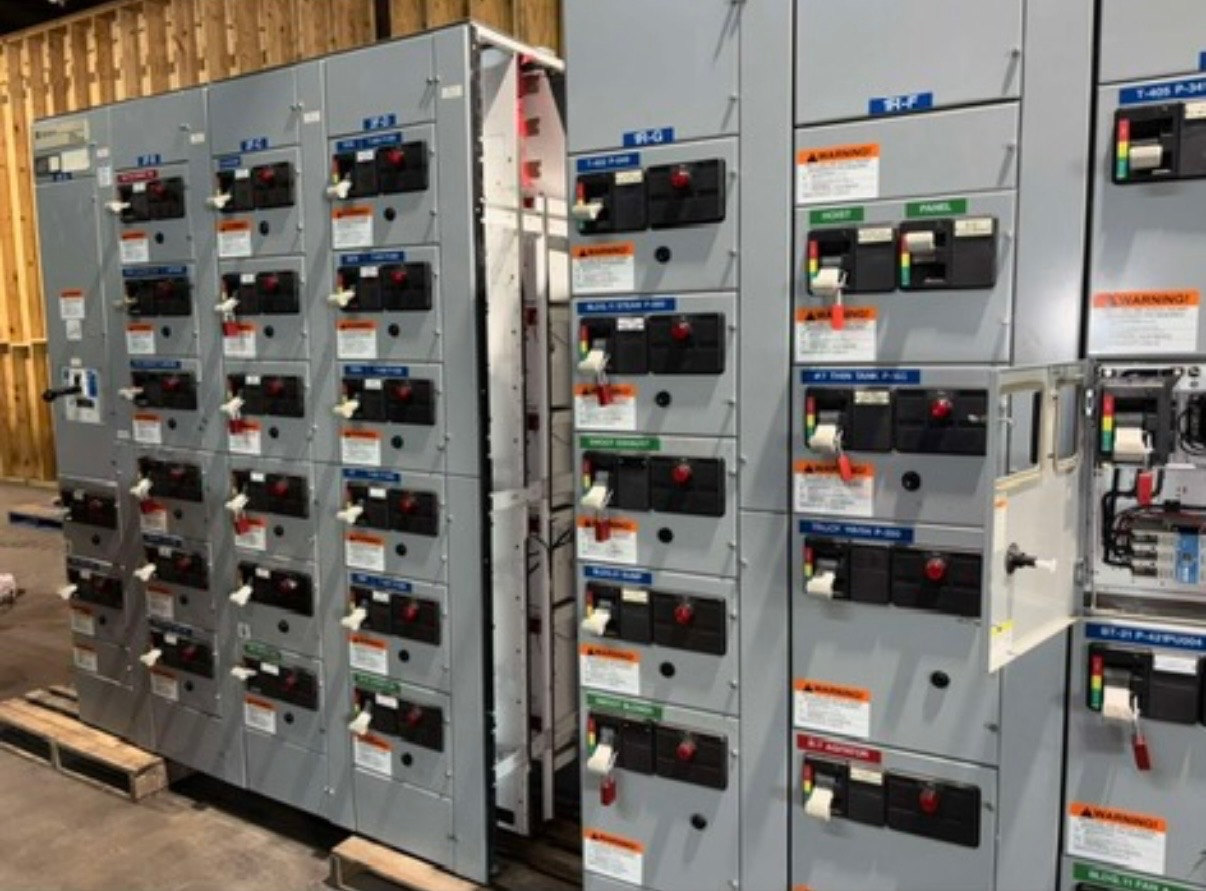
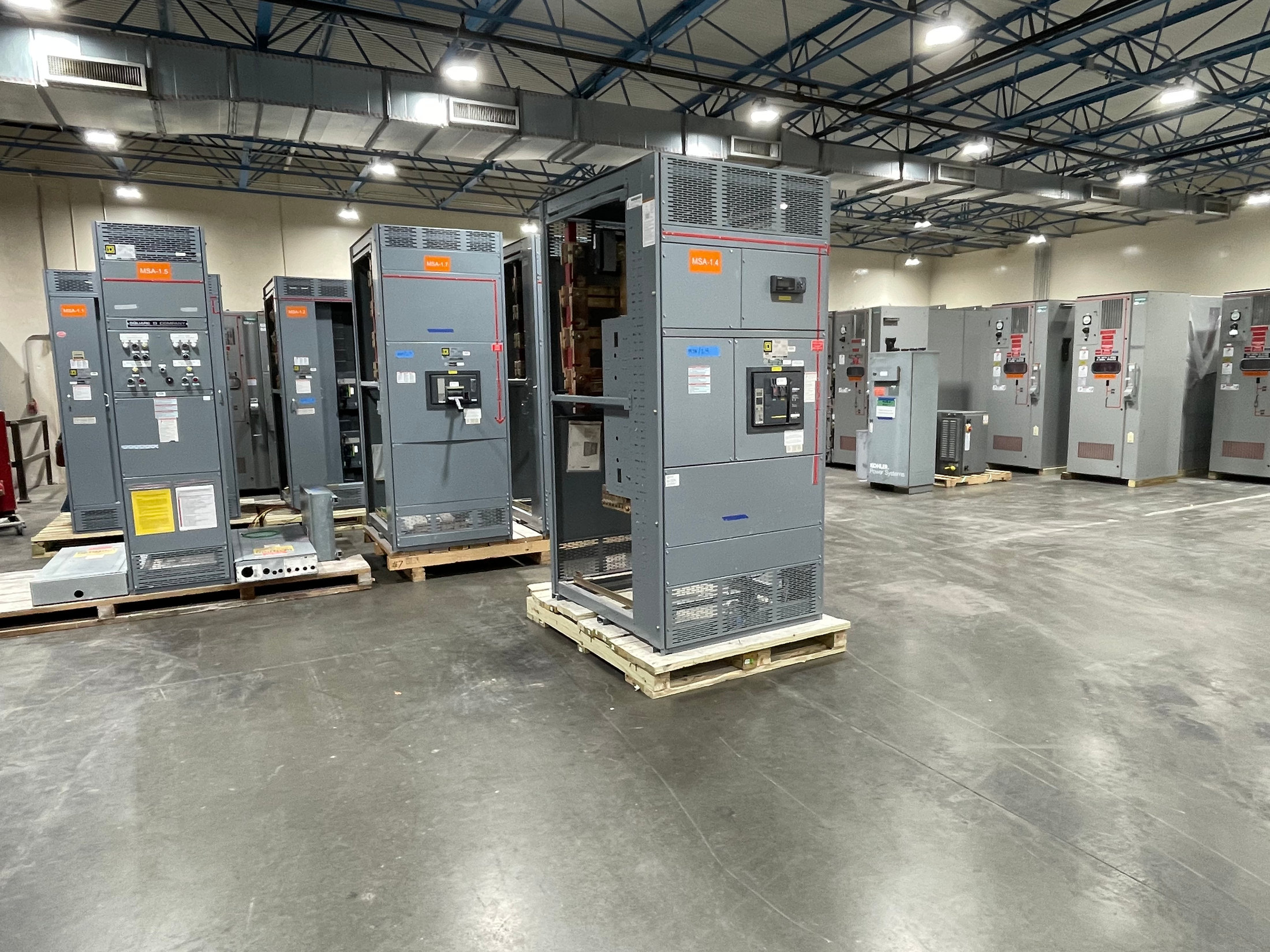
Share the information you already have about the switchgear, such as its general identification, quantity, location within the facility, and known status as used, surplus, or decommissioned equipment. Switchgear from decommissioned data centers and shut-down power plants can be considered across all voltage classes. Any known records or labels can help identify what is being offered, but a seller does not need to perform testing to begin a sale discussion.
Explain where the equipment sits in relation to the building exit and the proposed collection area. Note whether it is at ground level, inside a room, behind a doorway, or in another position that may affect the route to an exterior pickup point. Use information that is already available to the owner. Photos or labels are optional and should be shared only when they are already safely accessible; do not open equipment or move it to prepare information.
Make the No-Dock Constraint Clear
State directly that the site has no loading dock and explain what ground-level loading means at that location. A dock-free site may require collection planning around the actual building exit, available outdoor space, and the route between the equipment and the pickup area. The buyer needs to understand the constraint before an agreed purchase is scheduled so that collection can be coordinated for the specific site and equipment.
Describe the known access conditions without guessing at vehicle suitability. Share whether a truck can reach the relevant exterior area, where the entrance or exit is, and any known restrictions on approaching or occupying that area. If access details are uncertain, identify them as unknown rather than presenting assumptions as confirmed. Clear information helps the buyer assess the collection scope; it does not transfer the seller’s control of the property or access arrangements.
Agree on Collection Scope and Responsibilities
For an agreed equipment purchase, the buyer handles cranes, rigging, disconnects, loading, freight, and hauling. That allocation is important at a site without a dock because ground-level collection can require a different arrangement from pickup at a loading platform. Discuss the known location and access constraints with the buyer so the collection plan can reflect the equipment included in the sale and the actual pickup setting.
Keep responsibility for site access and sale authorization distinct from the buyer’s collection work. The seller controls access to the property and must be able to authorize the agreed equipment for sale. The buyer’s responsibility for collection does not expand the purchase scope to equipment that was not agreed upon. Before pickup, confirm which switchgear is included and coordinate the access needed for the buyer to carry out the agreed collection.
Use Information Already Available
A useful inventory is a practical description, not a reason to conduct additional physical work. Identify items from existing records or from information that is safely visible to the owner. Where records are incomplete, say what is known and what remains uncertain. Do not open, energize, test, disconnect, dismantle, or handle equipment to answer a buyer’s questions. The buyer makes an offer based on the equipment and information available for the proposed purchase, without seller testing.
For a facility with multiple equipment areas, describe the locations separately enough to prevent confusion about what is included. Distinguish the proposed sale from other equipment in the building, and note any known access limitation associated with each relevant area. This supports a clear conversation about scope and ground-level pickup without implying that every item will be accepted or that collection conditions are identical throughout the site.
Coordinate Payment Before Pickup
If the buyer and seller agree on a purchase, the buyer makes a cash offer and payment is upfront before pickup. Confirm the agreed equipment scope and purchase terms before collection begins. Payment timing is part of the sale arrangement, not something to leave unclear until a truck or collection equipment arrives. An offer is dependent on the equipment and agreement between the parties; there is no promise of an offer for every switchgear item presented.
No seller testing is required for the sale discussion. Keep the process focused on ownership, the agreed inventory, the known location, and access conditions. The buyer handles the collection activities assigned to the buyer, including disconnects and loading, along with cranes, rigging, freight, and hauling. The seller should not undertake physical preparation of the equipment to make it easier to collect.
Confirm the Agreed Pickup Plan
Before pickup, make sure both parties are working from the same understanding of what is being purchased and where the included switchgear is located. Revisit the no-dock constraint, the known route to the exterior, and any access information that affects the agreed collection. If the described conditions change or a key detail was uncertain, communicate that before pickup so the buyer can coordinate the collection for the agreed scope.
A clear sale separates three decisions: whether the seller has authority to sell the equipment, what equipment the buyer has agreed to purchase, and how the buyer will collect it from a site without a loading dock. With those points addressed, the parties can coordinate cash payment upfront before pickup and the buyer’s handling of cranes, rigging, disconnects, loading, freight, and hauling. The purchase remains subject to the equipment and the agreement reached between buyer and seller.