Start With an Inventory of the Lineup
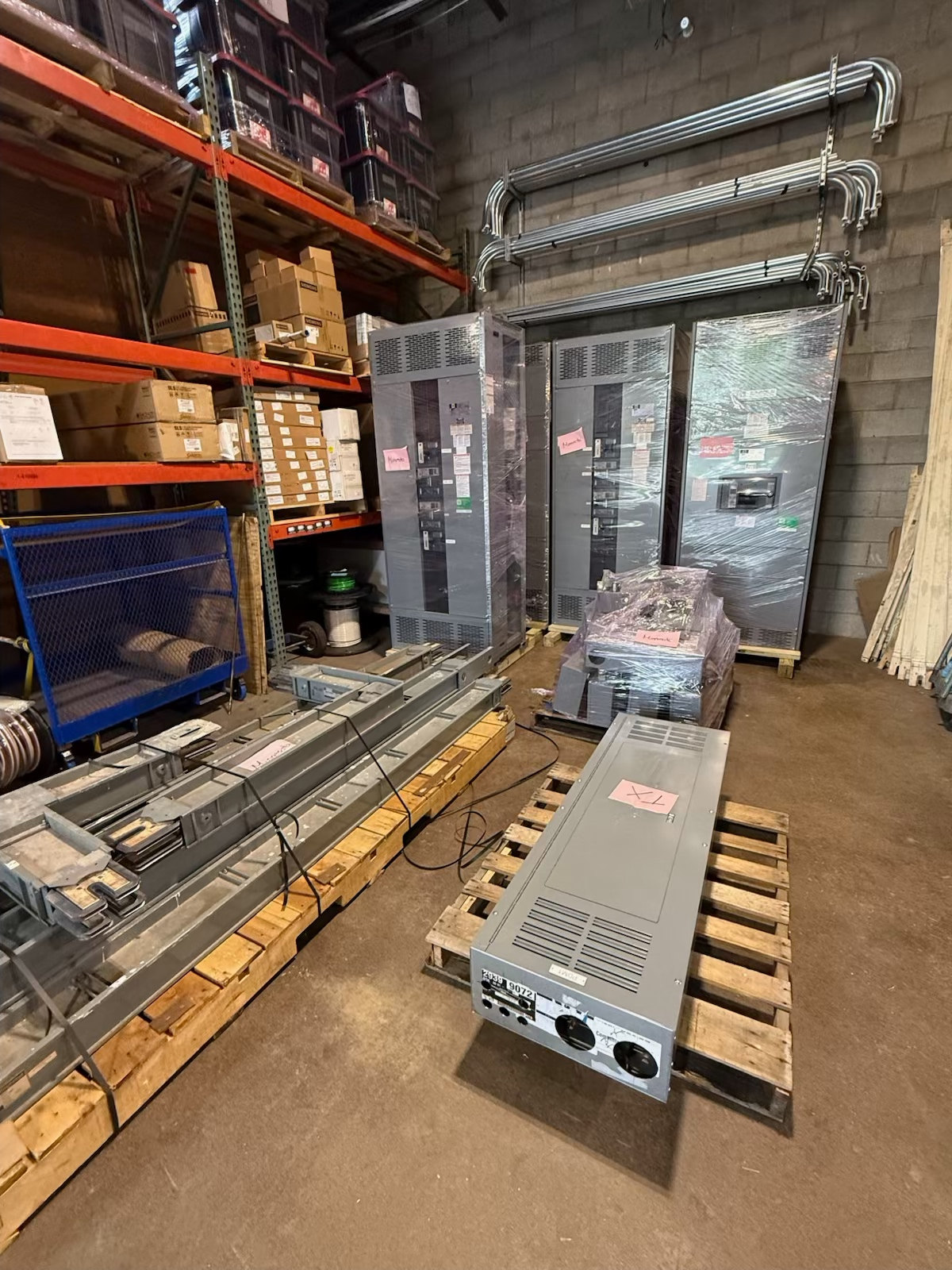
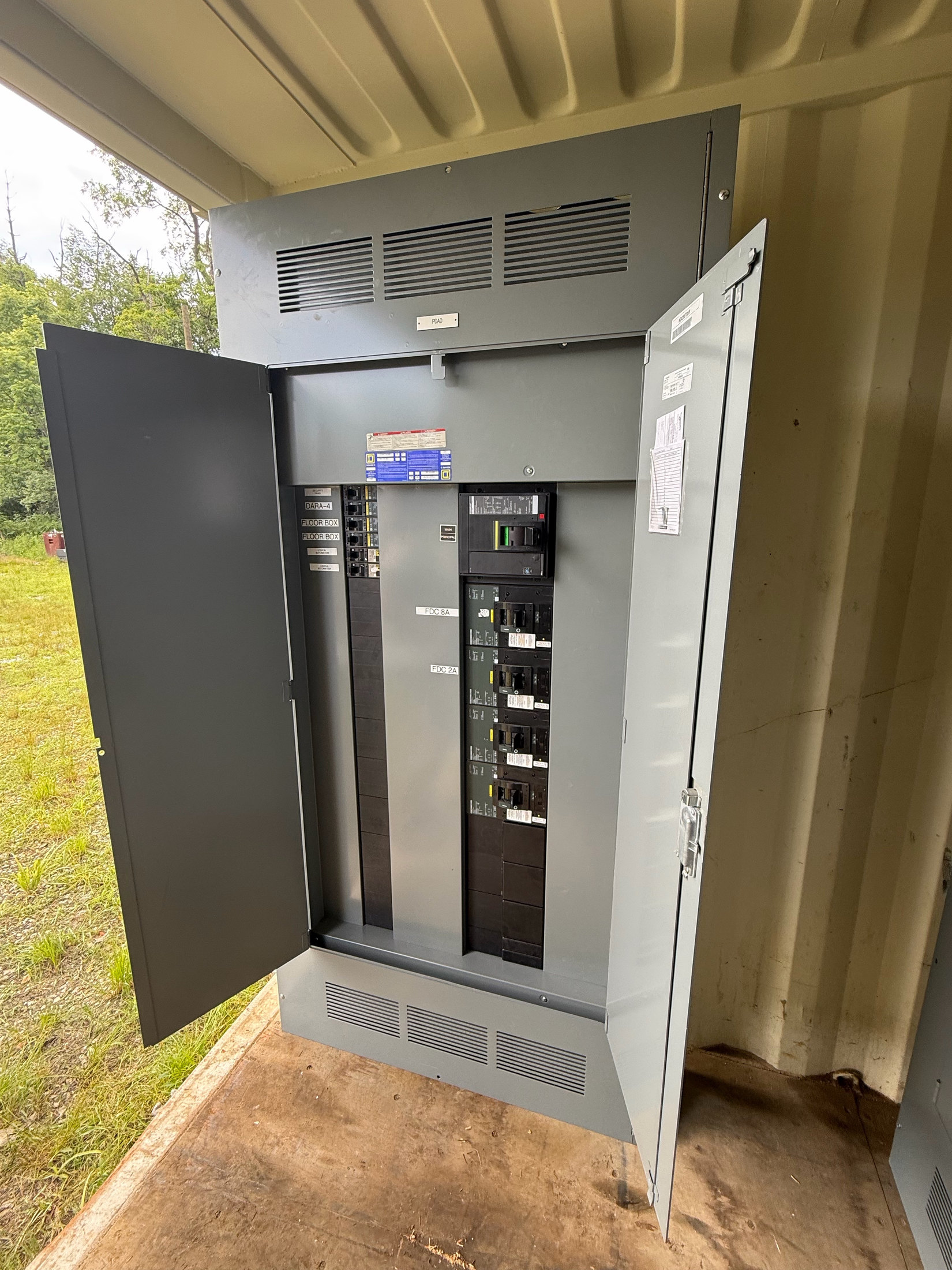
A switchgear sale involving shipping splits or lineup sections starts with a clear inventory of what is being offered. Identify each section as a distinct asset and record its existing nameplate, lineup, or location designation when available. Note whether the equipment is surplus, decommissioned, or part of a larger system, and distinguish sections offered for sale from sections that will remain. This first pass gives the buyer a defined scope to review before coordinating a purchase or transportation.
Keep the inventory tied to what is already safely accessible. Existing records and photographs can help clarify section identities, but collecting them is optional; owners should not open equipment, energize it, test it, or enter restricted areas to prepare a sale. If a label or identification is not readily available, describe that gap rather than guessing. Clear, factual records help avoid confusing a retained section with an offered one, especially when a lineup is being considered in separate shipping splits.
Separate Sale Assets From Retained Property
Mark the boundary of the proposed sale in the inventory and in any existing lineup documentation. State which sections are included, which are excluded, and whether related items are included only when they are identifiable and part of the agreed scope. A lineup may appear continuous while ownership or sale intent changes at a particular section. Naming the included sections individually helps both parties discuss the same assets without assuming that adjacent or connected property is automatically for sale.
Retained equipment should remain plainly distinguished from sale assets throughout buyer review and pickup planning. If a split boundary is uncertain, flag it for discussion rather than treating the entire lineup as included. The owner controls access and identifies what may be considered for purchase. Any final scope depends on the equipment and agreement between buyer and seller; an inventory supports that conversation but does not itself create an offer or commit either party to a sale.
Treat Shipping Splits as a Planning Question
A shipping split is not simply an inventory label. Whether a lineup can appropriately be divided requires evaluation by the equipment manufacturer and the rigger based on the particular equipment and site conditions. The buyer can review the proposed sale scope and coordinate the agreed purchase, but the manufacturer and rigger are the parties to assess whether a proposed separation is appropriate. Do not infer that sections can be separated safely or transported independently because they have distinct IDs or appear to form separate cabinets.
Keep the proposed split description separate from any physical work. Owners should not disconnect, dismantle, or handle equipment to create or verify a split. Instead, provide the available section identities and explain the intended sale boundary. The manufacturer’s and rigger’s evaluation can then address the proposed configuration through the appropriate coordination. Until that evaluation and the sale scope are agreed, treat the lineup as existing equipment rather than a set of shipping-ready pieces.
Use Distinct Section IDs in Coordination
Section identifiers make communications more precise when one lineup is divided between sold and retained property. Use the same existing designation consistently in the inventory, photographs if available, and coordination notes. Where identifiers repeat, are unclear, or are absent, describe the ambiguity plainly and avoid assigning a new technical identity. A location reference can help distinguish assets, provided it does not imply a rating, configuration, or compatibility that has not been established.
Distinct IDs also support a shared understanding of what the manufacturer and rigger are evaluating. For each proposed sale section, connect its identity to the intended sale status and note any neighboring section that will remain. Keep statements about observed labels separate from assumptions about the equipment’s internal arrangement or ability to split. This disciplined record helps prevent a transport discussion from expanding the purchase scope unintentionally and gives the buyer a sound basis to review which assets may be suitable for an offer.
Coordinate Transport Around the Agreed Scope
Transport planning follows the equipment review and agreement on the purchase scope. The owner identifies the sale assets and controls site access; the buyer coordinates the logistics for an agreed purchase. We handle cranes, rigging, disconnects, loading, freight, and hauling. That coordination is based on the equipment and the agreed scope, including the manufacturer and rigger’s evaluation of any proposed shipping split. Sellers do not need to arrange those services as part of the purchase.
A lineup with retained sections calls for especially clear coordination: the pickup plan must correspond to the sections included in the agreement, not simply the visible extent of the lineup. Discuss the sale boundary, section IDs, and any evaluation still needed before scheduling work. The buyer’s handling of logistics does not authorize work on retained property or substitute for the manufacturer’s and rigger’s assessment. Owners remain in control of access, and no one should assume that a proposed split has been approved merely because transport is under discussion.
Discuss Condition and Sale Terms Directly
We buy used, surplus, and decommissioned electrical distribution equipment, including switchgear from decommissioned data centers and shut-down power plants, across all voltage classes. We make cash offers for equipment we may be able to purchase. An offer depends on the actual equipment and the scope under discussion; an inventory or shipping-split proposal does not guarantee that every section will receive an offer. Keep the description factual and identify any known uncertainty rather than trying to establish value through unsupported assumptions.
We do not require seller testing. Do not energize, open, test, disconnect, dismantle, or physically handle equipment to support a sale inquiry. Payment is made upfront before pickup under the agreed purchase. Before pickup coordination, make sure the agreed sale assets are distinct from anything retained and that the relevant section identities are understood. The sale proceeds only by agreement, with the equipment and terms considered together.
Bring the Inventory Through to Pickup
Once the proposed assets have been reviewed and the parties agree on a purchase, carry the same section IDs and sale boundaries into logistics coordination. Identify any unresolved distinction between included and retained property before pickup arrangements are made. Where a split requires evaluation, keep that issue with the manufacturer and rigger rather than treating it as a routine removal step. Consistency between inventory and agreed scope reduces the chance of confusion when multiple sections occupy one lineup.
For a Pennsylvania seller, the practical sequence is straightforward: identify the equipment, distinguish sale assets from retained property, provide available section information, and discuss whether the proposed shipping splits require manufacturer and rigger evaluation. We review the equipment for a possible cash offer; if a purchase is agreed, payment is upfront before pickup and we handle cranes, rigging, disconnects, loading, freight, and hauling. The exact scope and logistics remain tied to the equipment and the agreement between seller and buyer.