Compare Storage With a Direct Equipment Offer
Keeping electrical equipment in storage may preserve the option to sell later, but it also means retaining responsibility for the inventory, its location, and any existing packaging. A direct offer gives an owner another way to evaluate the lot: describe what is available, explain how it is currently stored, and request a cash offer for equipment we may purchase. The comparison is practical rather than automatic. An offer depends on the equipment and the terms the parties agree to; not every item or lot will be purchased.
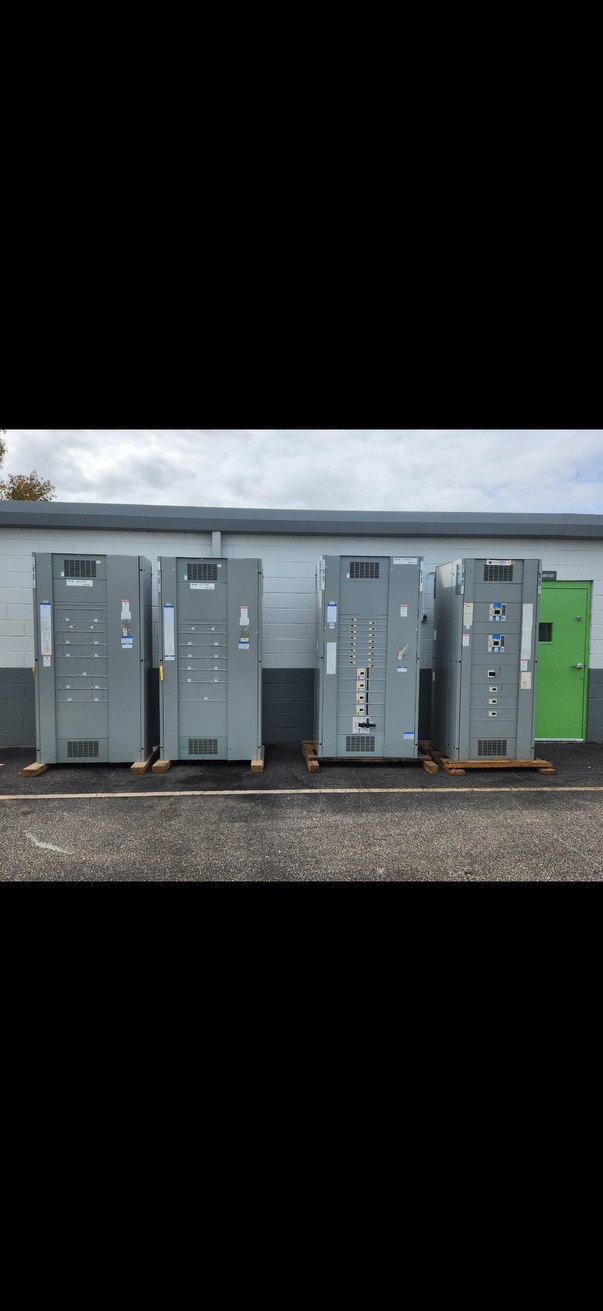
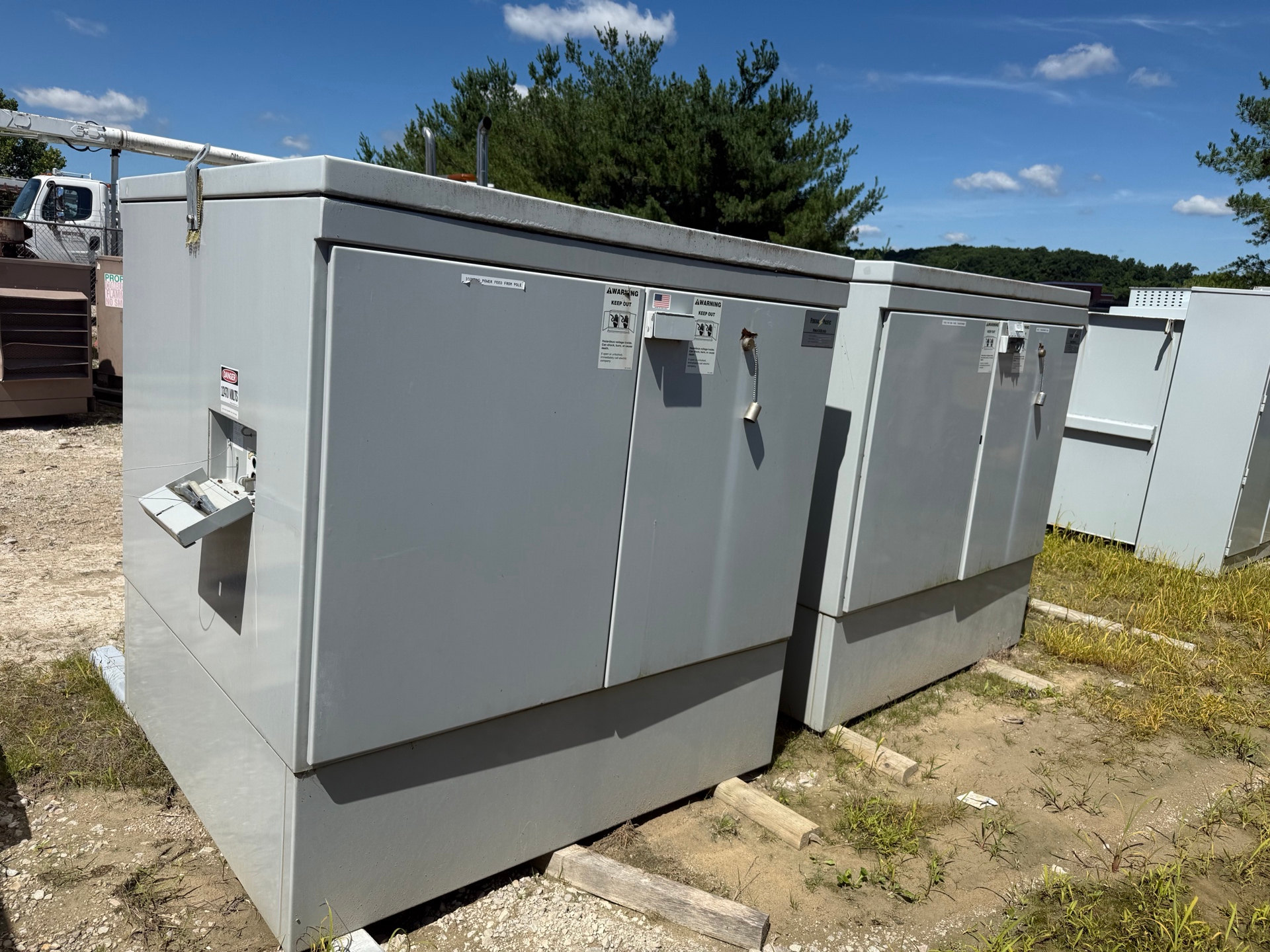
Palletization is one part of that comparison, not a requirement to prepare equipment for sale. Tell us whether units are already on pallets, individually packaged, grouped together, or stored without packaging. Existing condition, completeness, apparent identification, and the relationship between units can all help establish what is being offered. There is no need to create new packaging merely to start a conversation. If a purchase is agreed, we coordinate the pickup work, including cranes, rigging, disconnects, loading, freight, and hauling.
Describe the Lot, Not Just the Pallets
A useful inventory description distinguishes the electrical equipment from the materials used to store or protect it. Identify the types of equipment and quantities you believe are included, then explain whether pallets or other packaging belong with particular units or with the lot as a whole. If the inventory is mixed, note which items are grouped together and which are separate. This helps clarify the scope under discussion without assuming that every packaged item has the same condition, value, or sale status.
Include known information about whether equipment is used, surplus, or decommissioned and whether it came from a larger facility lot. Switchgear from decommissioned data centers and shut-down power plants is among the equipment we buy across all voltage classes. Describe what is actually present rather than relying on a broad facility label alone. An inventory can include equipment in different states of preservation or completeness, and packaging does not establish operational condition. We do not require seller testing; an owner can share available records or observations without testing or energizing equipment.
Record Existing Packaging and Dimensions
For each packaged group, report the dimensions you already know, along with the number of pallets or packages and any visible differences in how the equipment is grouped. Approximate dimensions can help describe space and pickup coordination, but they should be identified as estimates rather than represented as verified measurements. If dimensions are unavailable, say so. Do not move, open, dismantle, or reposition equipment to obtain more information. Owners control access, and details should come only from records or information already safely accessible.
Explain what the packaging appears to contain and whether the equipment is secured or protected as currently stored, if that is already known. Avoid treating a pallet, crate, or wrap as proof that the equipment is ready for transport or suitable for a particular handling method. Packaging responsibility and any packaging work are matters to clarify as part of the agreed purchase scope. A qualified packaging provider may be appropriate when additional packaging is needed, but the owner should not assume that the buyer is purchasing packaging services unless the parties expressly agree to that scope.
Separate Equipment Condition From Packaging Condition
Describe visible packaging concerns separately from the equipment’s known condition. For example, records or existing observations may indicate that a pallet or enclosure is damaged, incomplete, weather-exposed, or difficult to identify. State what is known and distinguish it from an assumption. A damaged package does not by itself establish the condition of the equipment inside, just as intact packaging does not confirm that equipment is complete or functional. This distinction helps keep the proposed sale focused on the actual equipment and the condition information available.
No seller testing is required to request an offer. Do not energize equipment, open enclosures, disconnect conductors, dismantle assemblies, or handle packages to improve an inventory description. If labels or photographs are already safely accessible, they may help identify items; providing them is optional. A written inventory, existing records, and a clear description of storage arrangements can be sufficient to begin discussing the lot. Any uncertainty about contents or condition can be stated plainly and considered when the parties determine whether a purchase is workable.
Clarify What Is Included in the Sale
Before comparing an offer with continued storage, define the proposed sale boundary. Identify which electrical equipment is included, whether the offer concerns individual units or a broader lot, and how existing pallets or packaging relate to those items. If packaging is to remain with the equipment, make that clear. If separate storage materials are not part of the equipment sale, identify that distinction as well. Clear scope reduces the chance that either party interprets a grouped inventory differently when pickup is arranged.
The purchase discussion should also establish whether any additional packaging responsibility is part of the agreed scope. We buy equipment; we do not provide a general packaging service. Where an owner believes packaging work is needed, that work should be discussed with a qualified packaging provider unless the parties expressly agree otherwise within the equipment transaction. Do not arrange handling or preparation on the assumption that it will be reimbursed or included. The agreed purchase terms, including the items accepted and the responsibilities each party takes on, govern the transaction.
Coordinate Pickup Around the Agreed Scope
For an agreed equipment purchase, we handle cranes, rigging, disconnects, loading, freight, and hauling. That coordination is tied to the equipment and scope the parties have agreed to buy; it does not mean every item in storage will be accepted. Share the known location and access context through the sale discussion, and identify whether packaged groups are together or spread across the inventory. Owners remain in control of access, and no one should move or prepare equipment merely to support an initial inquiry.
Pallet status and package dimensions can help inform pickup coordination, but they do not replace agreement on the lot. If packaging condition or grouping changes what is included, resolve that before pickup. Payment is upfront before pickup, and we make cash offers when the equipment and proposed terms support a purchase. Payment timing should be understood before the equipment leaves the owner’s control. This gives both sides a clear sequence: establish the equipment and scope, agree to the purchase terms, arrange payment upfront, then coordinate pickup.
Request an Offer With Useful Sale Information
To compare a potential offer with the continuing cost and responsibility of storage, provide a concise account of the equipment, its known condition, the existing pallet or package status, and any dimensions already available. Clarify whether the proposed sale is for a single unit, a grouped set, or a larger lot. Mention known gaps in the inventory and distinguish documented facts from estimates. This information supports a focused discussion without requiring the owner to test, inspect internally, or repackage equipment.
The next step is a review of the equipment and proposed scope, followed by an offer if the lot is suitable for purchase. An offer is not guaranteed for every item, and a sale proceeds only when both sides agree on the terms. If accepted, the agreed arrangement covers payment upfront before pickup and the pickup responsibilities described for the purchase. This lets an owner weigh an actual agreed transaction against continued storage while keeping packaging, equipment condition, and logistics distinct in the discussion.