What is being offered: one item or a mixed lot?
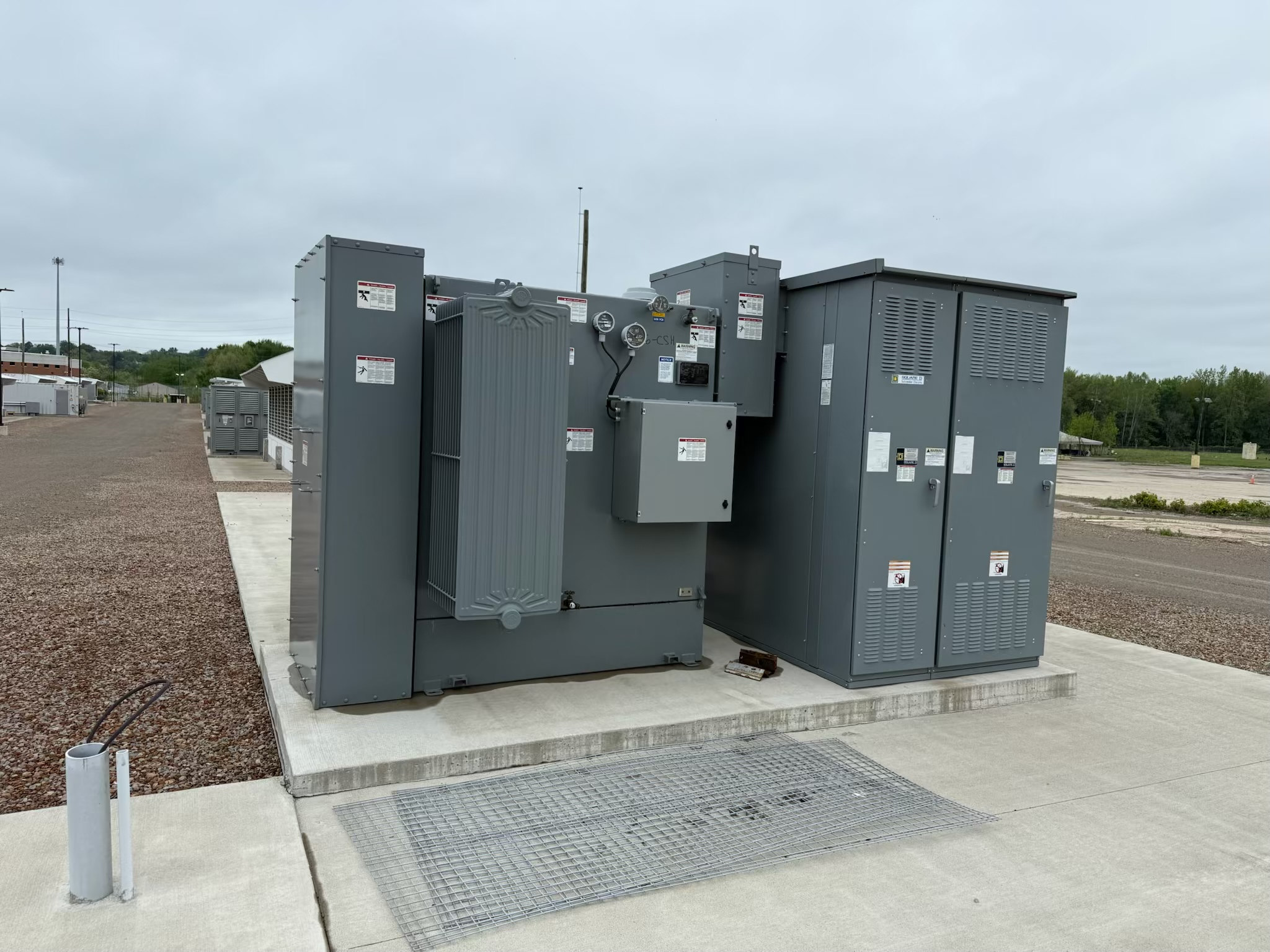
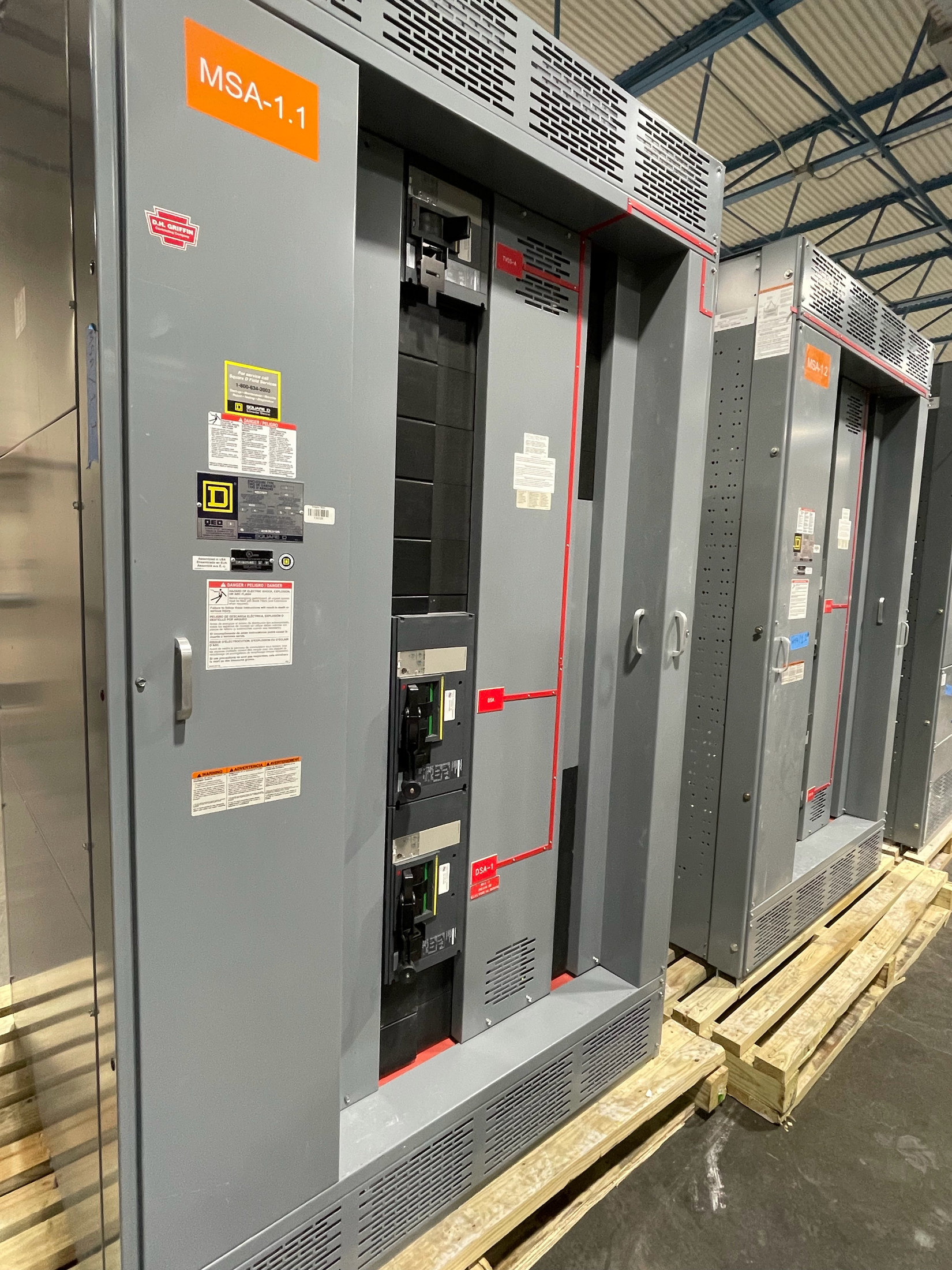
Are you selling one identified piece of electrical distribution equipment, or several items together from an upper-floor location? That distinction helps shape the initial review. A single item can be described on its own, while a mixed lot calls for a clear inventory of the equipment you want considered as one potential purchase. We buy used, surplus and decommissioned electrical equipment in Pennsylvania, including switchgear from decommissioned data centers and shut-down power plants across all voltage classes. Any purchase depends on the equipment and agreement between buyer and seller.
For a single item, share what you know about its identity, current status, and building location. For a mixed lot, group the items by available identification and note whether all are included in the proposed sale. You do not need to test equipment or create technical records. Photos and labels are optional, and should be shared only when already safely accessible. A clear distinction between the item or items offered and equipment staying in the building can make the purchase discussion more straightforward without requiring anyone to access or handle the equipment for documentation.
What elevator and floor access information can you provide?
Where is the equipment located in relation to the building’s occupied floors, loading area, and available elevator route? Useful planning information may include the floor, whether the equipment is in a room or open area, and whether the route involves a freight elevator, passenger elevator, stairs, corridors, or other building transitions. If you know building limits or restrictions relevant to a planned removal, share those details as provided by building management. Do not measure, move, open, disconnect, or otherwise handle equipment to answer access questions.
Is the equipment’s location reachable by an approved route, and does the building require advance coordination for elevator use or access to shared areas? These are planning questions, not requests for the seller to prepare or move the equipment. The owner or authorized building contact controls access and any required approvals. For an agreed purchase, we handle cranes, rigging, disconnects, loading, freight and hauling. The appropriate approach depends on the item, its location, access conditions, and the arrangements permitted by the building.
Who controls approvals and access to the building?
Who can authorize an equipment sale and coordinate access for a potential pickup? In a commercial property, the equipment owner, property representative, facility manager, or another authorized party may need to be involved. Identify the person responsible for approving the sale and the contact who can explain building access requirements. If different parties manage ownership and site access, establishing that distinction early helps keep the purchase discussion and any later scheduling aligned.
Does the building require advance notice, a reserved elevator window, loading-area coordination, or approval for work in shared spaces? Share known requirements and the appropriate approval process rather than making arrangements on behalf of parties who control the property. Access permissions must be addressed before pickup is scheduled. We coordinate the handling and transportation scope for an agreed equipment purchase, while the building’s authorized contacts determine permitted access and operating conditions. This is particularly relevant for upper-floor equipment, where elevator availability and building scheduling can affect when an agreed removal can take place.
What information supports a qualified evaluation?
Can you identify the equipment using information already available and safely accessible? Useful details may include the equipment category, visible nameplate or label information, approximate quantity, and whether the item is described as used, surplus, or decommissioned. You may share existing photographs if they can be taken or retrieved without entering a restricted area or touching equipment. No seller testing is required, and there is no need to energize, open, dismantle, disconnect, or inspect equipment to prepare an inquiry.
For a single item, keep the description focused on that item and its location. For a mixed lot, indicate how many pieces are being offered and distinguish known categories where possible. If some identification is unavailable, describe what is known rather than guessing. Equipment from a decommissioned data center or shut-down power plant may be relevant to our buying scope, across all voltage classes, but the available information and the equipment itself determine whether a purchase can be agreed. A review is an evaluation, not a promise that every item or lot will receive an offer.
How does an upper-floor sale affect removal coordination?
What constraints could influence a suitable removal window? The building’s approval process, elevator availability, access hours, loading arrangements, and any need to coordinate a crane or rigging may all matter. Share the requirements you have received from the property’s authorized contacts, including any limits on when access is permitted. These details help the parties discuss whether and how a proposed pickup can be arranged after an equipment purchase is agreed.
Who should confirm that the proposed access period works for the property? The seller or authorized building contact should confirm permissions and building scheduling. We handle cranes, rigging, disconnects, loading, freight and hauling for an agreed purchase; the particular arrangements depend on the equipment and site conditions. The seller is not expected to perform removal work. Do not disconnect, dismantle, reposition, or stage equipment yourself. If a proposed schedule or route is not approved by the building, those details need to be resolved with the party controlling access before pickup can proceed.
What happens before pickup and payment?
Has the equipment and any proposed lot been reviewed sufficiently for both parties to agree on a purchase? We buy only; an inquiry does not itself create a sale. An offer depends on the equipment, the information available, and the terms the parties agree to. If you are considering a mixed lot, make sure the items included in the contemplated purchase are clear. For a single item, confirm that the description refers to the same equipment being offered for sale.
If a purchase is agreed, payment is made upfront before pickup, and the offer is a cash offer. Pickup is coordinated after the purchase terms and relevant access arrangements are established. We handle the cranes, rigging, disconnects, loading, freight and hauling for the agreed purchase. No seller testing is needed as part of this process. Keep the equipment under the control of its owner or authorized representative until the agreed pickup; the seller does not need to prepare it through physical handling or technical work.
Which next questions can clarify the sale?
Is the sale for one item or a mixed lot, and which specific equipment is included? What floor is it on, what access route is known, and which building contact controls approvals? Are elevator use, loading access, or scheduling restrictions already documented by the property? What identification or existing photos can you share without accessing or handling equipment? Answers to these questions help establish the scope of a possible purchase and identify the building coordination needed for an upper-floor pickup.
Would you like the equipment considered as a single-item sale or as a defined lot? Provide the information already available, including the location and any known approval or access requirements. We can evaluate the equipment for a potential cash offer, with any purchase subject to agreement and dependent on the equipment. If agreed, payment is upfront before pickup, and we handle cranes, rigging, disconnects, loading, freight and hauling.