Basement Electrical Gear: Start With the Equipment and the Site
Selling electrical equipment stored in a basement involves two related questions: what equipment may be part of a purchase, and how it can be removed from its current location. We buy used, surplus and decommissioned electrical distribution equipment in Pennsylvania. Basement storage does not by itself establish whether an item is suitable for purchase or whether a particular removal approach will work. The equipment, its condition, ownership, access route and site restrictions all matter.
Known details can be gathered without disturbing the equipment: its general type, approximate quantity, visible identification labels and the building level where it is stored. Unknowns often include overall condition, whether components are complete, the route’s clearances, changes in floor level, door dimensions, restrictions on equipment movement, and what lifting options specialists may consider. These points should be treated as separate from any final purchase decision. A basement may have a straightforward route, or its constraints may require additional assessment before the parties can agree on scope.
Describe What Is Being Offered
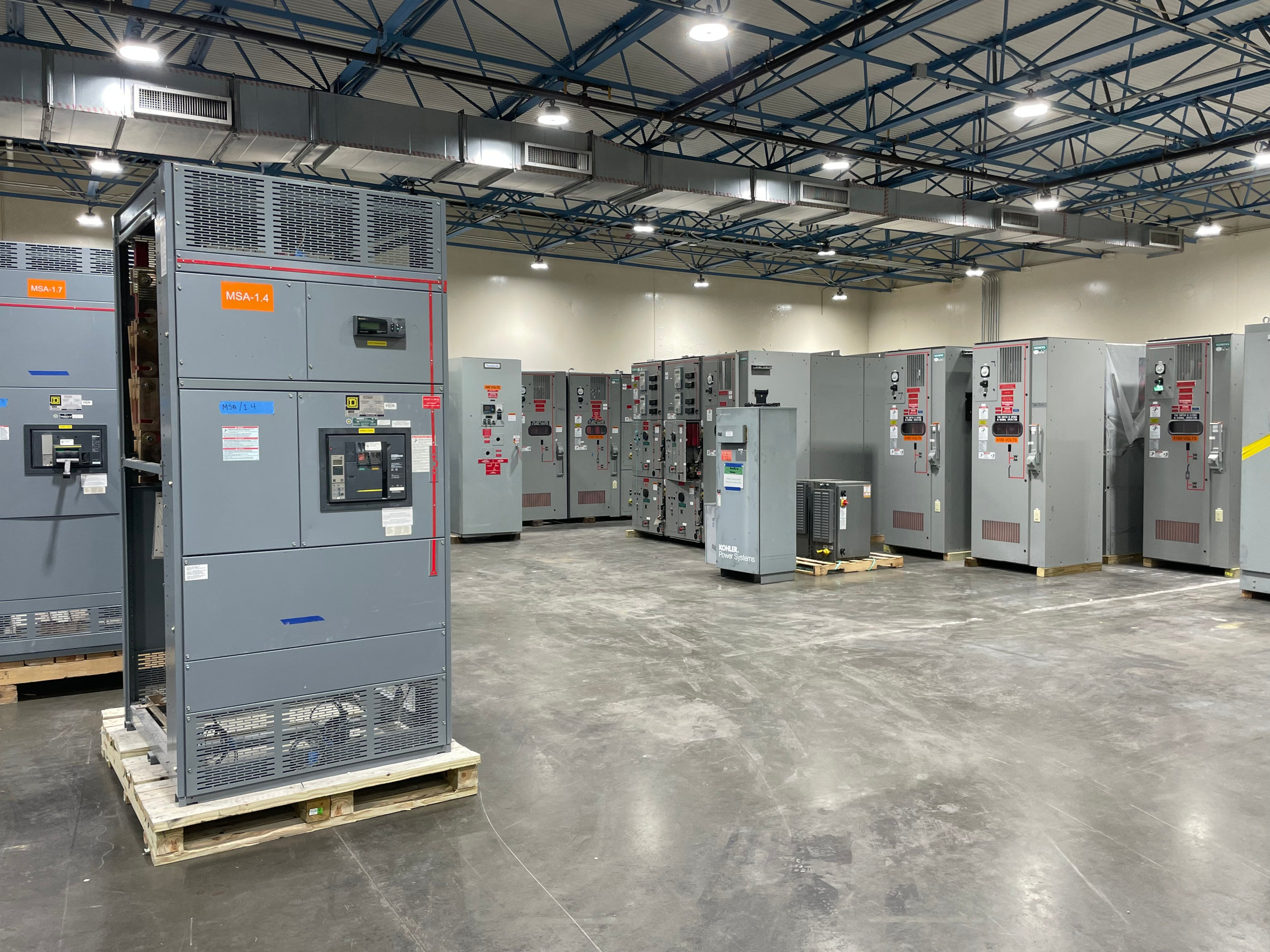
An initial description can identify the equipment as switchgear or other electrical distribution gear, indicate the number of pieces or sections, and distinguish equipment offered for sale from items the owner plans to retain. If the gear came from a facility closure, surplus project or decommissioned installation, that context can help explain why it is available. We buy switchgear from decommissioned data centers and shut-down power plants across all voltage classes; the source or voltage class alone does not determine whether a particular item will be purchased.
The seller does not need to test equipment for a sale discussion. Testing is not required, and we do not ask sellers to test, energize, open, disconnect, dismantle or physically handle equipment. Owners control access to the basement and the gear. Photos and labels are optional, and should only be shared when they are already safely accessible. If information is unavailable without handling or entry into a restricted area, it can remain unknown while the purchase scope is considered.
Map the Basement Route Without Moving Gear
Access planning begins with the path from the equipment’s present location to the point where a removal crew could take over. Relevant information may include stairways, corridors, turns, door openings, thresholds, changes in ceiling height, and the location of any permitted exit. The owner can describe known restrictions and the route as it exists; there is no need to move equipment or alter the building to prepare for an initial discussion. Details that have not been verified should be identified as unknown rather than assumed to be clear.
A route that appears wide enough at one point may have a tighter turn or obstruction elsewhere. Similarly, a direct path does not establish that the equipment can be moved through it. Equipment dimensions, weight, configuration, condition and handling requirements may be uncertain, while the building may have limits on floor loading, working hours, elevator use or access to shared areas. These factors can affect whether a proposed plan is workable and whether the equipment and removal scope can be agreed.
Identify Site Restrictions and Decision Authority
Before any agreed removal, the parties need a clear understanding of site rules that could affect access and scheduling. The owner or authorized site representative should identify applicable building requirements, restricted areas, required coordination with property management, permitted work periods, and any limits on vehicle or lifting equipment access. If another party controls the basement, loading area or building entry, the seller should establish who can authorize access and release the equipment.
Release authority is especially important when the equipment belongs to a business, property owner, lender, facility operator or other organization. The person coordinating a sale should have authority to offer the identified items and arrange their release, or know which authorized decision-maker must approve those steps. Ownership questions, retained components and equipment shared with other operations should be resolved before pickup planning. A clear boundary around what is included helps avoid confusion about what may be removed and what must remain in place.
Specialist Assessment and Lift Options
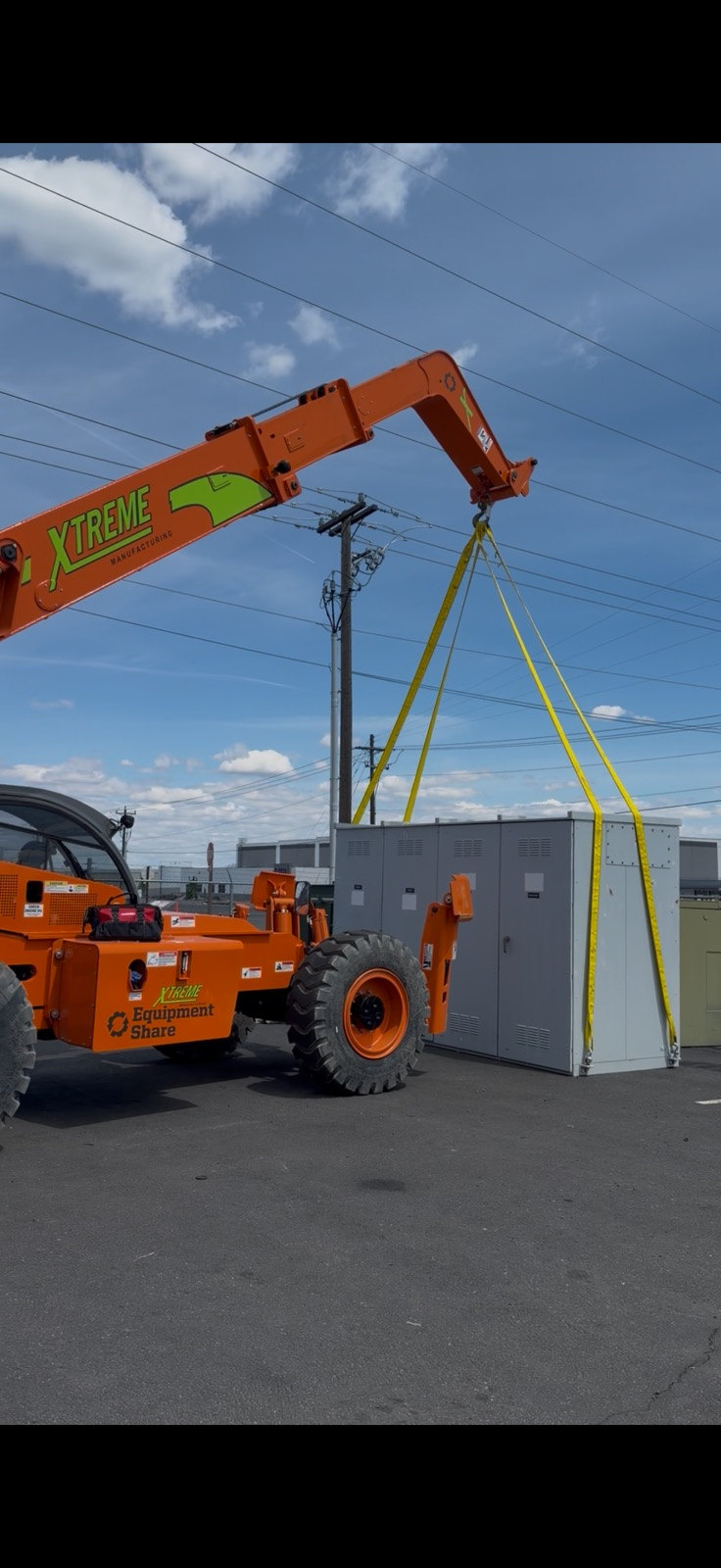
Basement conditions can make removal options difficult to determine from a brief description. Specialists may need to evaluate available access, potential staging areas, overhead and floor constraints, the equipment’s form and dimensions, and how a route connects to an exterior pickup point. Depending on those findings, they may consider different lift or movement options. No particular crane, rigging arrangement, lift point or route can be assumed in advance; the suitable approach depends on the actual equipment and site conditions.
The seller’s role is to communicate known restrictions and coordinate access through the authorized site contact. The seller should not make an equipment movement or lifting assessment by attempting to shift, open, disconnect or dismantle the gear. Questions about concealed conditions, structural limits or access constraints can be referred for specialist review. If a key fact cannot be established safely or permission is unavailable, that uncertainty can be addressed before the parties agree to the purchase and removal scope.
Purchase Terms and Removal Responsibilities
We buy equipment rather than provide a seller-side removal service for gear that is not part of an agreed purchase. If we agree to purchase specified equipment, we handle cranes, rigging, disconnects, loading, freight and hauling. The equipment and site circumstances determine what can be included in the agreement. An initial description or site discussion is not a commitment to purchase every item, and no offer should be assumed until the equipment and scope are agreed.
For an agreed purchase, we make cash offers, with payment upfront before pickup. The seller should confirm the agreed equipment, release authority, access arrangements and payment timing before pickup is coordinated. No seller testing is required. The buyer’s responsibility for the stated removal and transportation work applies to the agreed purchase; it does not turn unlisted or excluded equipment into part of the sale. Clear agreement on included items and access helps both parties coordinate the handoff without asking the seller to handle the gear.
Bring the Unknowns Into the Agreement
A practical sale discussion separates confirmed information from questions awaiting review. Confirmed details may include the equipment offered, its basement location, known route restrictions, site rules and who can authorize release. Open questions may include dimensions, condition, route feasibility, lift choices, staging needs and whether a particular section belongs in the purchase. Keeping those categories distinct makes it easier to decide what information is needed next without treating a guess as a site fact.
Once the equipment and scope are agreed, coordinate access with the owner or authorized representative and confirm the relevant building restrictions and pickup arrangements. If a material condition changes or previously unknown access limits emerge, the parties can address how that affects the agreed plan before proceeding. Basement collection depends on both the equipment and the path out; a clear account of each supports an informed purchase decision and a coordinated pickup while leaving physical handling and removal work to the buyer under the agreed terms.