Start With an Inventory of the Switchgear
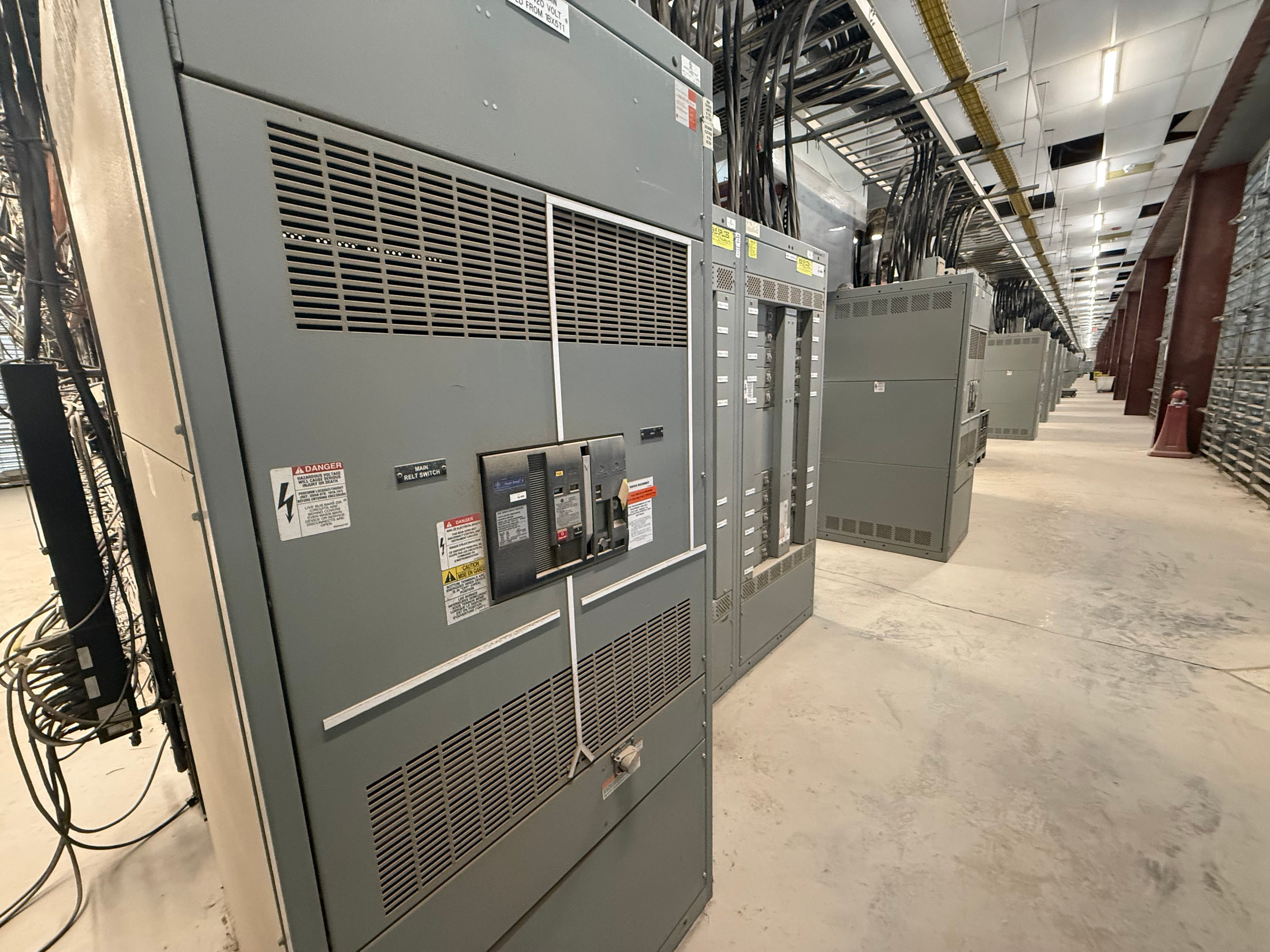
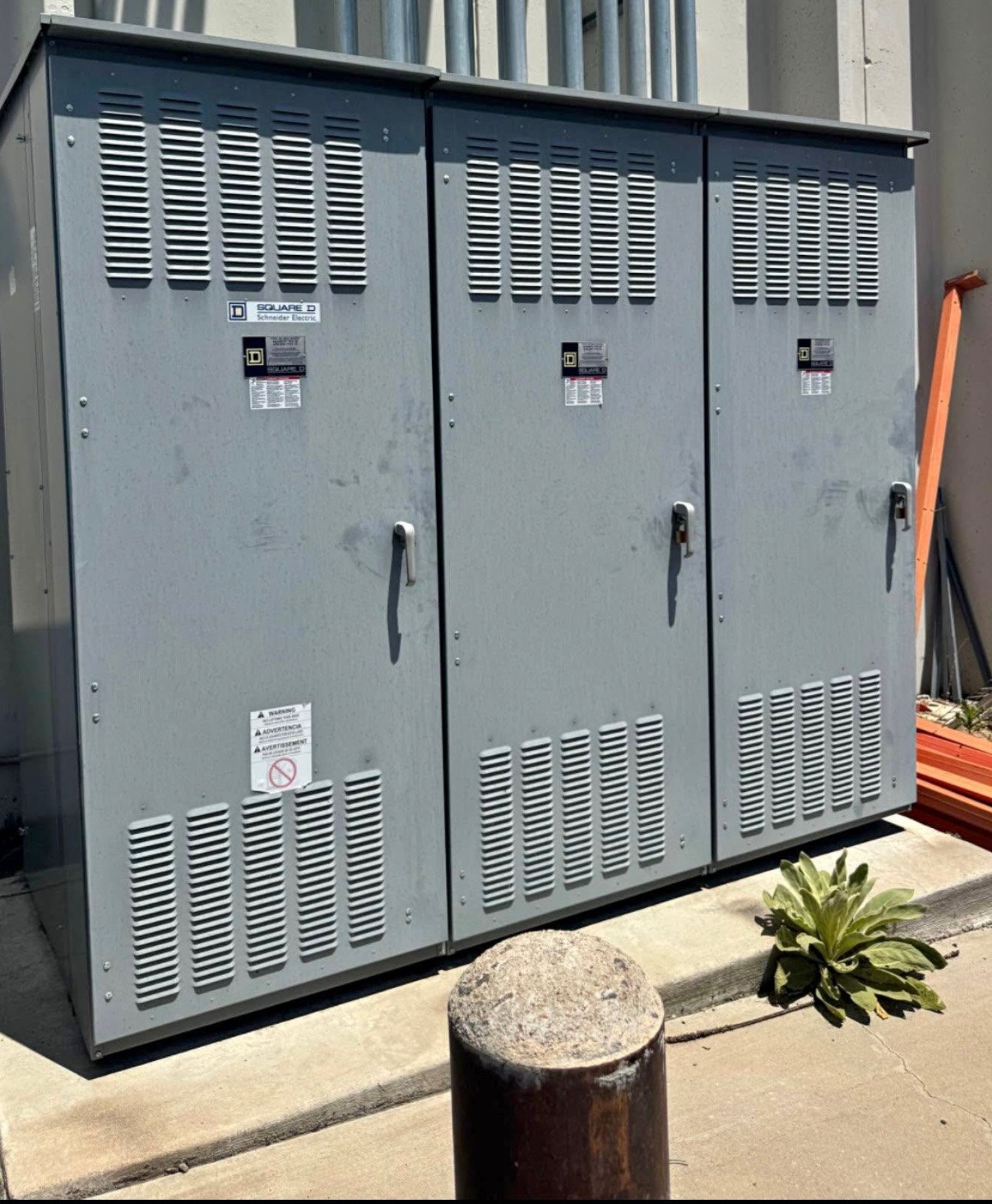
A multi-building switchgear sale is easier to assess when the inventory begins with what is present at each location, rather than with a single site-wide count. Separate complete switchgear assemblies from loose components in the records. An assembly may be a lineup or other grouped equipment offered as a unit; loose items may include parts stored apart from an assembly. Describe each category distinctly so the proposed lot reflects what the owner intends to sell and what is physically associated with each building.
Record available identification information and condition notes only from records or details already safely accessible. Equipment labels and photographs are optional; no one needs to access, open, test, energize, or handle equipment to prepare an initial inventory. If a label or image is readily available, it can help distinguish similar entries across buildings. Mark uncertain descriptions as unconfirmed rather than treating them as established facts. A clear inventory lets us review the proposed equipment without assuming every listed item is complete, accessible, or ready for collection.
Map Each Lot to Its Building
Give each building or pickup area a consistent identifier, then assign every listed assembly and loose component to that location. Where several buildings contain similar equipment, avoid combining entries solely because their descriptions look alike. Keep counts and descriptions tied to their respective locations, and note when ownership or inclusion in the sale is still being confirmed. This location-based record provides a practical basis for discussing which equipment is included in a potential purchase and how the collection might be organized.
The map can be a simple site plan or an owner-prepared location list; it does not need to specify technical details that are not known. Identify the building and general area for each lot from information the owner already has. If equipment has been relocated, stored separately, or associated with a different building than expected, reflect that distinction in the inventory. Accurate location references help prevent an agreed sale from being confused with unrelated equipment elsewhere on the property.
Define the Proposed Sale Lot
Before discussing pickup order, establish which entries are being offered together and which are separate. A complete assembly and loose components should not be treated as interchangeable inventory. If components are included with an assembly, list them as associated items and identify their recorded location; if they are offered separately, keep them as a separate lot. This structure makes it possible to review the scope item by item and avoid implying that every item at a multi-building site is part of the sale.
The purchase decision depends on the equipment and the details of the proposed lot. We buy used, surplus, and decommissioned switchgear across all voltage classes, including equipment from decommissioned data centers and shut-down power plants. That does not mean every item will be purchased. Share the inventory and site organization for review, then confirm the specific equipment included in any agreed sale. Items that remain uncertain, excluded, or not yet available should be identified as such rather than folded into the lot by assumption.
Confirm Access Authorization by Location
A collection plan needs an authorized point of access for each building or area included in the proposed pickup. Identify who can authorize entry and who can confirm that the listed equipment belongs to the sale. For a site with separate ownership, management, or access arrangements, determine the appropriate contact for each affected location before scheduling. A single site contact may coordinate communications, while authorization still needs to cover the relevant buildings and equipment.
The owner controls access and determines when a location can be made available. Record any known access conditions or restrictions in the coordination notes, without assuming that equipment is accessible just because it appears on an inventory. If authorization is pending, mark that location as pending and keep it separate from confirmed areas. This helps align the agreed purchase with the actual permissions in place and avoids treating an entire multi-building property as one automatically available pickup point.
Set a Pickup Order Around the Site
Once the inventory, lot boundaries, and access contacts are established, discuss the order in which locations should be addressed. The owner and buyer can organize the sequence around the agreed equipment and the access arrangements for each building. A location-by-location order gives both sides a shared reference for what is included at each stage, especially when assemblies and loose components are stored in different places. The sequence is a coordination decision, not an assumption that all equipment can be collected in one visit.
Keep the pickup plan connected to the current inventory. If an item’s location or sale status changes, update the relevant entry and confirm whether that change affects the agreed lot or sequence. Where a building is not yet authorized or the equipment’s inclusion is unresolved, leave it out of the confirmed pickup scope until those details are settled. Clear status labels—such as included, excluded, or awaiting confirmation—help keep several buildings’ records distinct without implying that unconfirmed equipment is ready to move.
Coordinate One Point of Contact
Choose a primary point of contact who can coordinate the inventory, access authorizations, and communication among the relevant site contacts. That person can help resolve questions such as whether an entry refers to a complete assembly or a loose component, which building contains it, and whether it belongs in the proposed sale. For a multi-building site, a central contact can maintain one current record while directing location-specific questions to the people authorized to answer them.
A useful coordination record includes the equipment description, building identifier, proposed sale status, access contact, and any unresolved detail. Keep changes dated or otherwise easy to distinguish from earlier information so the parties are working from the same scope. The point of contact should not need to perform technical checks or physically handle equipment to provide this coordination. Existing records and information already safely accessible are sufficient for the initial discussion; uncertain details can remain identified as uncertain pending clarification.
Agree on Purchase and Collection Responsibilities
We make cash offers for equipment we may purchase, with the purchase dependent on the equipment and the agreed scope. If a sale is agreed, payment is made upfront before pickup. There is no seller testing requirement. Owners do not need to test, energize, open, disconnect, dismantle, or physically handle equipment to prepare it for our review or collection. Photos or label details are optional and should only be shared when already safely accessible.
For an agreed equipment purchase, we handle cranes, rigging, disconnects, loading, freight, and hauling. These responsibilities apply to the equipment covered by the agreement and are coordinated with the authorized site contacts and agreed access plan. The inventory-first approach helps establish which switchgear assemblies and loose components are included, where each lot is located, and who can coordinate access. With the purchase scope, payment timing, and pickup locations aligned, the parties can plan collection across the buildings without treating unconfirmed equipment as part of the transaction.