Set the ownership boundary before discussing pickup
A pickup transfer starts with a clear answer to two questions: who is authorized to sell the equipment, and exactly which equipment is included in the agreed purchase. Ownership may be held by a facility operator, property owner, equipment lessor, secured party, estate, or another organization. The person coordinating the sale should have authority to represent the owner and confirm the transaction’s scope. If another party must approve the sale or release the equipment, settle that approval before arranging collection.
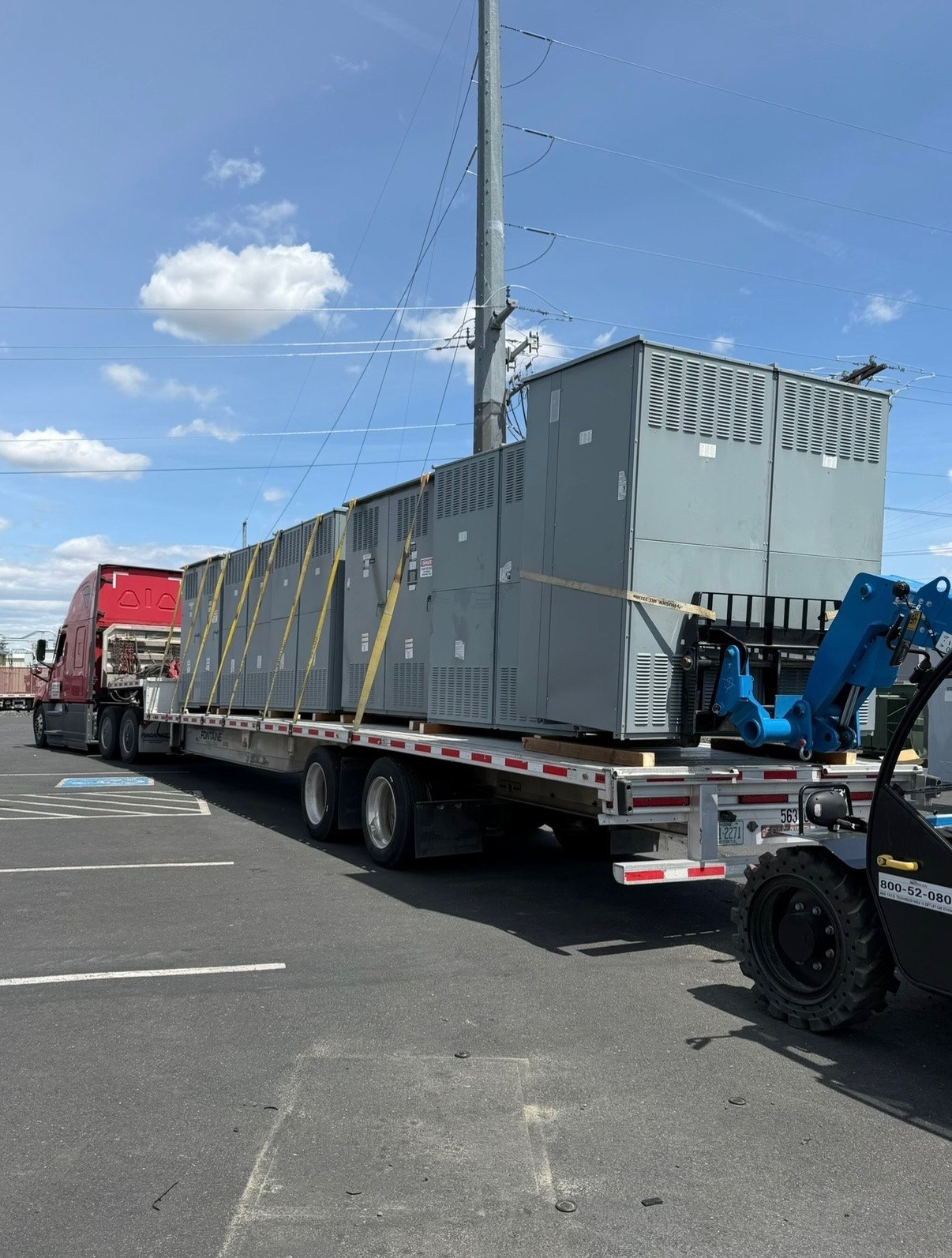
For an agreed purchase, we make a cash offer based on the equipment and scope presented. Payment is made upfront before pickup. We handle cranes, rigging, disconnects, loading, freight, and hauling for the seller. These arrangements help define the practical handoff, but the parties should separately confirm who is authorized to sell, what is being sold, when payment is due, and what receipt or transfer record they want to retain. A pickup plan is not a substitute for agreement on ownership and scope.
Define the lot, not just the headline equipment
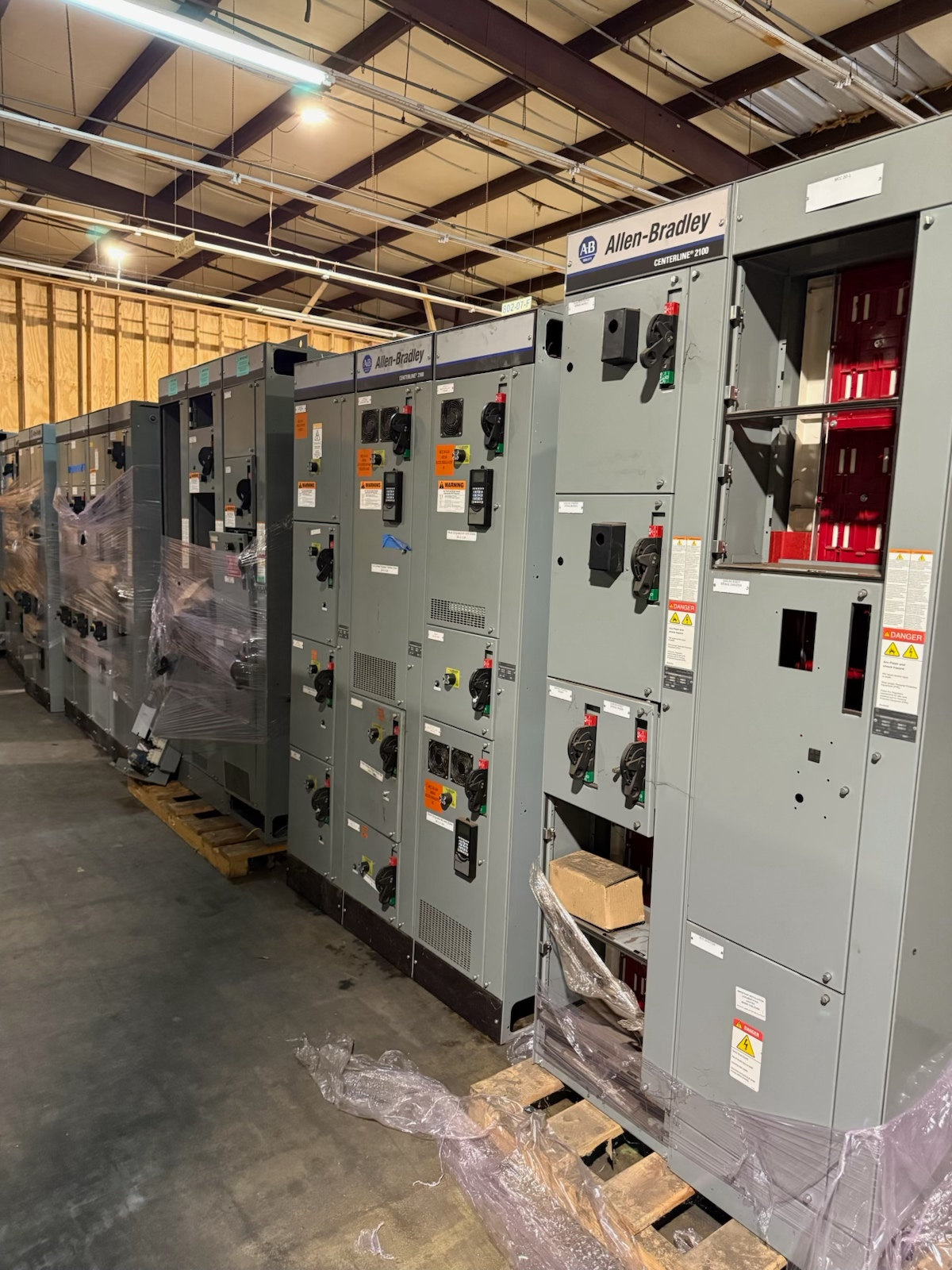
A broad description such as “switchgear from the facility” may leave uncertainty about which equipment is included. A lot list can identify the equipment by the descriptions already used in the owner’s records, such as equipment type, location or area, and any existing asset or inventory identifier. For switchgear lots, note the relevant equipment group and whether the proposed sale covers the complete identified lot or only specified portions. We buy switchgear from decommissioned data centers and shut-down power plants across all voltage classes; the purchase remains subject to agreement on the particular equipment and scope.
Distinguish included equipment from items that remain with the owner or another party. This is especially useful when nearby equipment, spare parts, accessories, or other facility assets are outside the proposed sale. Describe exclusions plainly and make sure the people controlling the site and coordinating pickup share the same understanding. Photos or labels can be useful reference material when they are already safely accessible, but they are optional. No one needs to open, test, energize, disconnect, dismantle, or physically handle equipment to prepare a lot description for discussion.
Align the inventory with the agreed purchase
An inventory is a working description of scope, not an automatic expansion of the sale. Before pickup, compare the agreed equipment description with the owner’s lot list and resolve differences in naming, quantity, or boundaries. If a listed item is omitted from the agreement, or an item near the lot appears to have been added inadvertently, clarify the point before collection. This reduces the risk that one party expects a broader transfer than the other intended.
Keep revisions traceable by using a dated version or clearly noting what changed and who confirmed it. The final scope should be understandable to the owner’s representative, the buyer, and anyone coordinating access. A concise list can refer to existing records rather than attempting to create technical details from observation. Where identification remains uncertain, identify the uncertainty for discussion instead of treating a guess as an agreed item. The purchase and cash offer depend on the equipment and scope agreed between the parties.
Coordinate authorization and site access
The owner or authorized site representative controls access and confirms which areas and equipment are available for pickup. Establish who can approve the sale, who can confirm the lot boundary, and who can coordinate access with the people responsible for the property. If the equipment is subject to another party’s rights or internal approval, obtain the necessary direction from the responsible party before proceeding. Clear authorization supports a smoother handoff and helps prevent a pickup from exceeding the seller’s intended scope.
For an agreed purchase, we coordinate the pickup work and handle cranes, rigging, disconnects, loading, freight, and hauling for the seller. The owner’s representative remains the source for authorization and access instructions. Agree on the pickup scope and timing directly, and ensure that the people managing access understand which equipment is included. The seller does not need to arrange the listed handling and transportation services for this purchase. Payment is upfront before pickup, so confirm the payment arrangement as part of the sale agreement before collection is scheduled.
Keep the chain of custody tied to the lot
A useful chain-of-custody record connects the agreed lot description to the equipment released at pickup. The parties can retain the purchase agreement, the final lot list, relevant communications confirming scope, and a record identifying when the agreed equipment was released. If the lot list changed during discussions, retain the version that reflects the final agreement and any confirmation of the changes. Consistent descriptions make later review easier than relying on a general reference to equipment from a particular facility.
Responsibility for site authorization and control should also be clear. The seller’s representative confirms that the identified equipment may be released, while the buyer coordinates the agreed collection and transportation. Avoid treating equipment outside the agreed boundary as part of the transfer merely because it is nearby or included in a broader facility inventory. If the parties discover a mismatch before release, pause the scope decision and confirm whether the item is included rather than relying on an assumption.
Use a receipt that records the handoff
A receipt or pickup acknowledgment can document the date of handoff, the parties’ representatives, and the lot or agreement it relates to. It can also note any agreed description of the equipment released and identify the supporting inventory version. Keep the record factual and consistent with the sale agreement. A receipt is most useful when it confirms the particular handoff rather than using vague wording that could refer to an entire site or an undefined group of assets.
The receipt should not imply that equipment outside the agreed lot changed hands, or that the seller made a technical assessment that was not part of the transaction. No seller testing is required for the purchase. The seller need not test or energize equipment to establish the inventory for transfer. When a description needs clarification, refer to the parties’ agreed scope and existing records. Retaining the receipt with the agreement and final lot list gives both sides a coherent record of what was purchased and released.
Separate the equipment sale from the wider facility lot
A facility may contain a defined equipment lot alongside other assets, materials, or equipment owned or controlled by different parties. The sale should identify the included electrical equipment rather than treating the surrounding site or every item in a broader inventory as part of the purchase. This distinction matters when a decommissioned data center or shut-down power plant has multiple equipment groups, shared areas, or assets that are not available for sale. State the included lot and any exclusions in terms the authorized representative can confirm.
Where the proposed sale covers only part of a larger inventory, make that boundary explicit before coordinating pickup. Where it covers the identified lot as a whole, describe the lot sufficiently to distinguish it from other property. We buy only equipment offered for sale and agreed as part of the purchase; an offer is not assured for every item. Once the particular equipment and scope are agreed, the cash offer, upfront payment before pickup, and coordinated handling can be connected to a specific transfer rather than an ambiguous site-wide handoff.