Decide Whether the Offer Fits the Facility
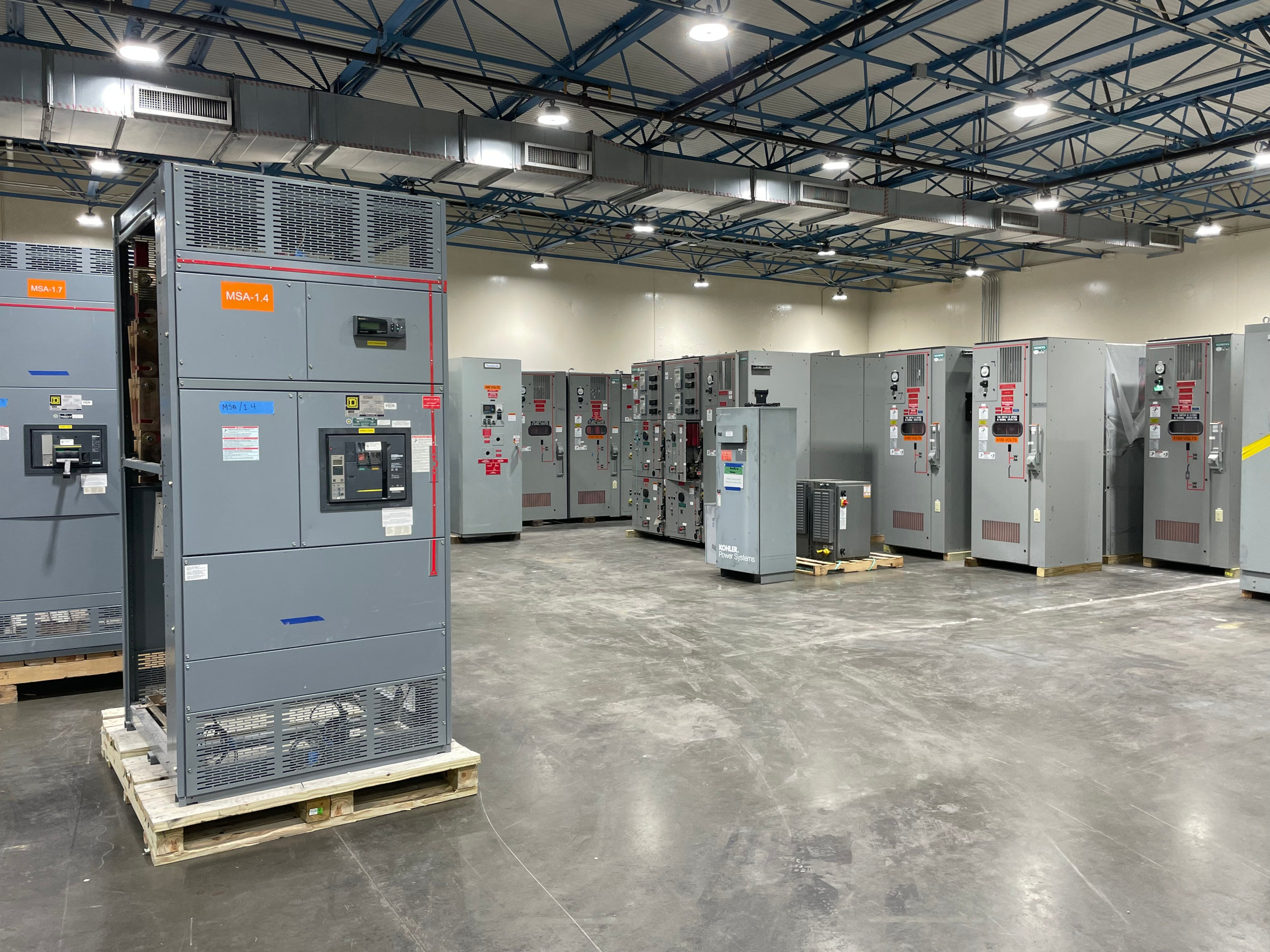
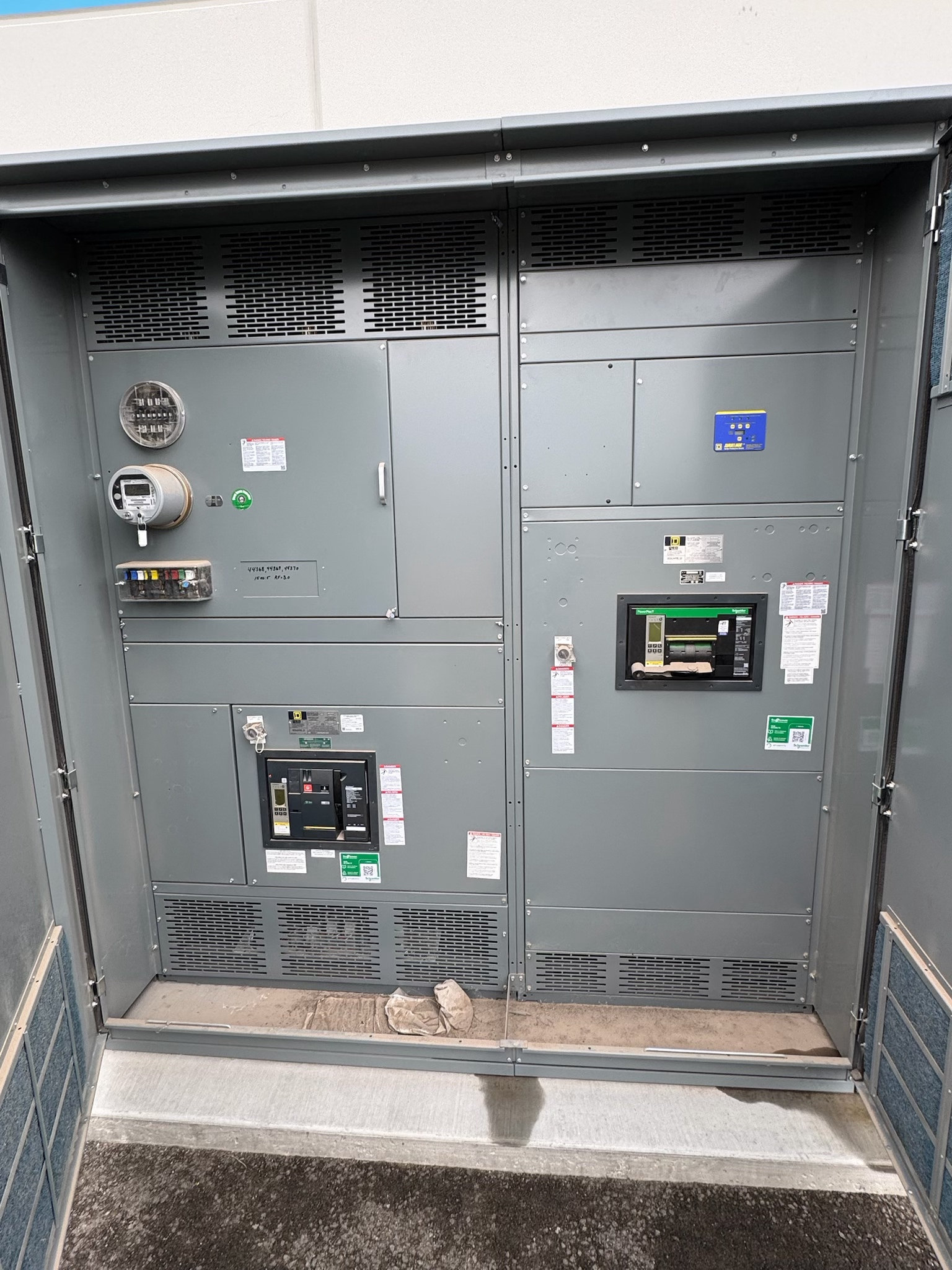
Selling electrical equipment in an occupied Pennsylvania facility starts with a practical decision: can a purchase be arranged without disrupting the people and operations that still use the building? We buy used, surplus, and decommissioned electrical distribution equipment, including switchgear from decommissioned data centers and shut-down power plants, across all voltage classes. We consider equipment for purchase based on its condition, quantity, and other details; an offer is not assured for every item.
An offer can be evaluated without testing. You do not need to arrange seller testing or energize equipment to begin discussing a sale. Consider what your organization knows from existing records, which equipment it is prepared to sell, and what access or timing limits apply. This gives both sides a basis for assessing whether the proposed purchase and pickup can fit the facility’s requirements before you decide whether to proceed.
Define What Is Available for Sale
Start by distinguishing equipment the owner is authorized to sell from equipment that remains in service, is reserved for another project, or belongs to another party. In an occupied facility, that distinction matters: a room may contain both sale candidates and assets that must remain undisturbed. A clear inventory description can identify the equipment being considered without requiring you to alter its present condition or prepare it physically.
Share the information already available, such as equipment descriptions, quantities, general location within the facility, and relevant ownership or release constraints. Existing records may help establish whether an item is surplus or decommissioned and whether it is included in the proposed sale. If photographs or labels are already safely accessible, they are optional ways to support the description. Owners control access, and there is no need to enter restricted areas or handle equipment to provide preliminary information.
Assess the Offer Without Testing
A purchase discussion does not depend on seller testing. Base your review on the available description and records, the equipment included, its known condition, and any constraints that could affect access or pickup. If details are uncertain, identify what is known and what remains unknown rather than arranging a test simply to advance the conversation. The equipment and the particulars of the proposed sale determine whether an offer is appropriate.
Review the proposed purchase as a whole: which assets it covers, whether the quantity and identification match your intended release, and whether the terms fit your organization’s approval process. An offer is an opportunity to decide, not a commitment to sell. If the scope does not match what your organization is authorized to release, clarify the included items before accepting. The sale proceeds only if both parties agree on the equipment and terms.
Coordinate Management and Occupant Requirements
In an occupied building, facility management may need to coordinate approvals among the owner, property management, operations, security, and affected occupants. Identify who can authorize the sale, who controls access, and who needs advance notice of activity in the relevant area. These responsibilities remain with the facility’s authorized parties; discussing a potential purchase does not grant access to rooms or permit activity outside the facility’s approval process.
Describe applicable occupant constraints early, including areas that must remain protected, periods when access is restricted, and any limits on movement through shared spaces. You can explain these requirements without proposing operating steps or asking occupants to prepare equipment. Clear coordination helps establish whether an agreed purchase can be scheduled around the building’s priorities and whether the proposed scope can be reached under the access conditions you authorize.
Agree on Scope, Access, and Release Timing
Before a pickup is arranged, align the agreed equipment scope with the facility’s approved access conditions. Identify the assets being released, the general areas involved, who will authorize access, and any release window the building can support. A defined window helps management coordinate occupants and protect areas that are not part of the sale, while leaving access control with the owner or the owner’s designated representatives.
Timing and scope depend on the equipment and the facility’s circumstances, so confirm practical details as part of the purchase agreement rather than assuming every item can be collected together. If the available window changes or an area is no longer accessible, management can communicate that constraint for coordination. The aim is a mutually agreed purchase and pickup plan that respects the facility’s boundaries and does not treat occupied or protected areas as automatically available.
Understand Payment and Pickup Responsibilities
For an agreed equipment purchase, we make cash offers and payment is made upfront before pickup. Confirm the equipment covered and the agreed terms before arranging release. This order lets the seller establish the transaction terms before the equipment is collected, while allowing facility management to coordinate the agreed pickup window and access requirements.
For the agreed purchase, we handle cranes, rigging, disconnects, loading, freight, and hauling. Coordinate with facility management so the approved scope, access arrangements, and release timing are clear. The building’s occupants and other assets still need appropriate protection through the facility’s own access controls. The seller does not need to arrange seller testing as a condition of discussing an offer; whether an item is suitable for purchase depends on the equipment and the information available about it.
Make a Clear Go-or-No-Go Decision
Before accepting, confirm that the organization has authority to sell the listed equipment, the proposed scope matches what it intends to release, and the agreed payment timing and pickup responsibilities are understood. Check that building management can support the access and release window without compromising occupant constraints or protected areas. These points allow the seller to compare the offer with operational priorities without making equipment testing part of the decision.
Proceed only when the parties agree on the equipment and purchase terms and the facility can authorize the planned access. If a scope detail, approval, or timing constraint remains unresolved, clarify it before confirming the sale. A considered decision keeps the transaction focused on equipment the owner is prepared to release, with pickup coordinated around an occupied facility’s needs and payment made upfront before collection.