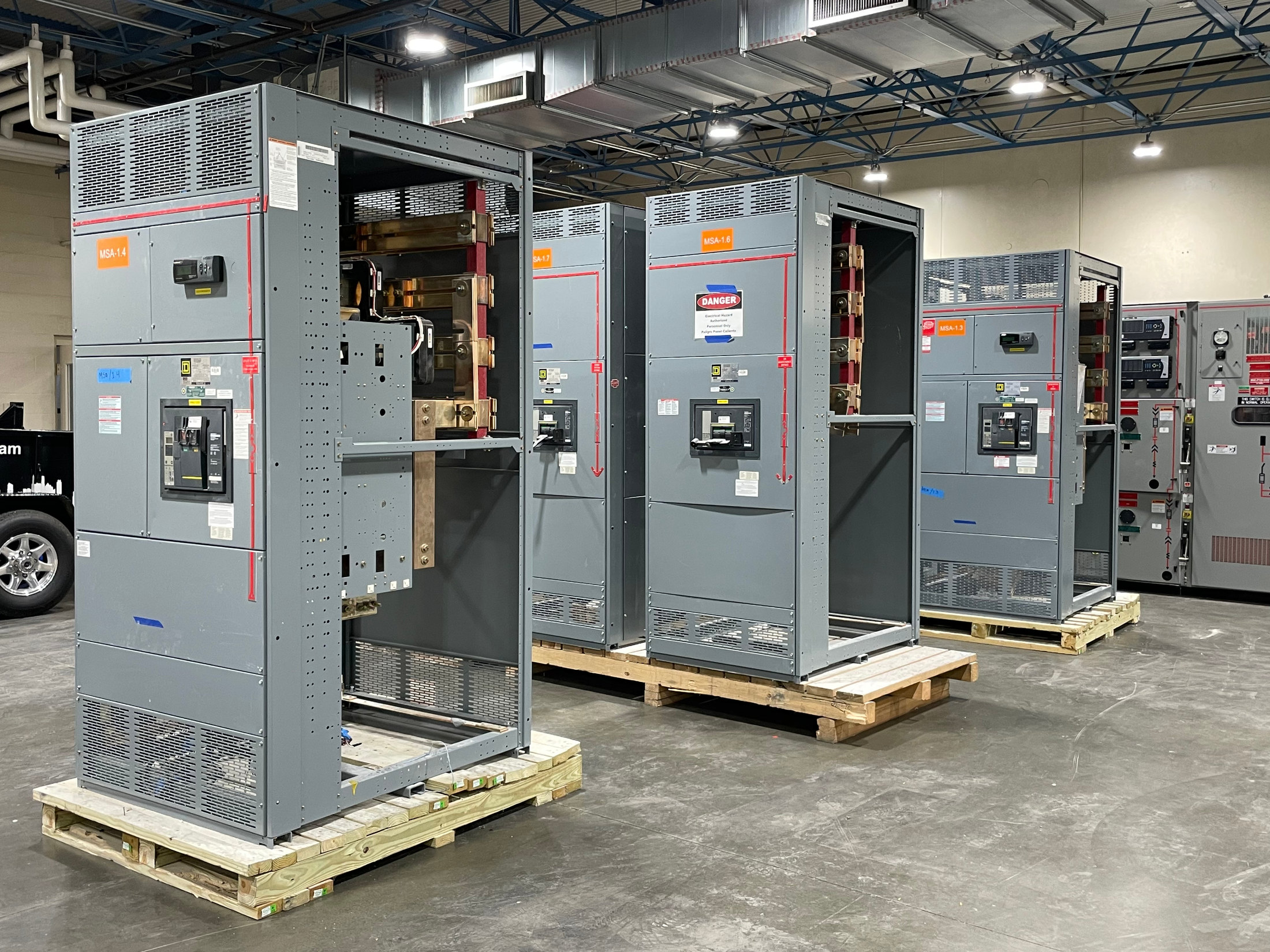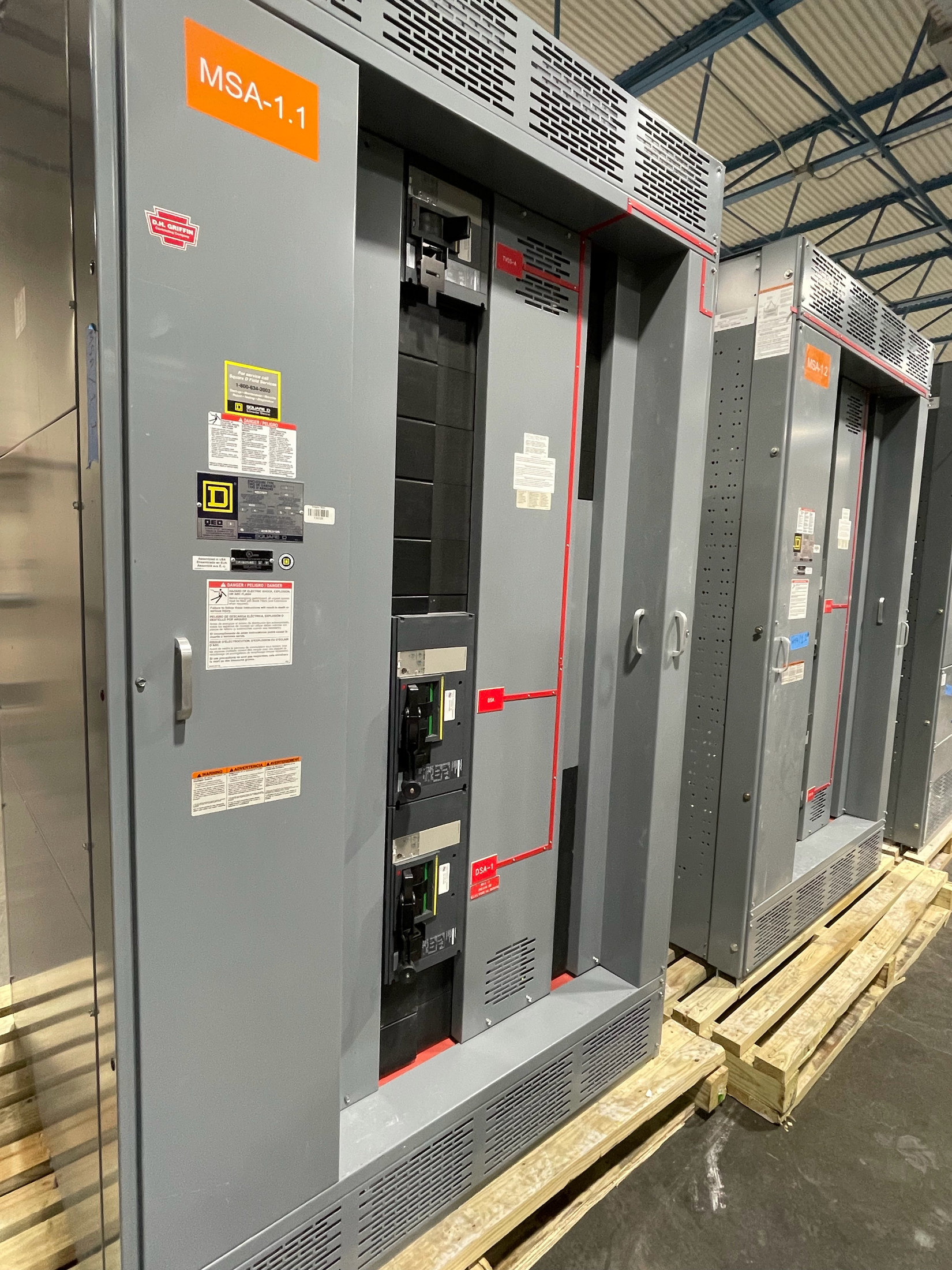
Decide Whether to Present One Unit or a Mixed Lot
Start by deciding whether the sale is for one identifiable switchgear item or a group of equipment being offered together. A single-item sale can be straightforward when the existing asset tag, equipment description, and available records all refer to the same unit. A mixed lot needs a broader inventory that distinguishes the items included, notes which identifiers are known, and flags gaps without treating the lot as one uniform piece of equipment. The distinction helps us understand what you are offering and whether the items can be considered together.
We are an independent Pennsylvania buyer of used, surplus, and decommissioned electrical distribution equipment, including switchgear from decommissioned data centers and shut-down power plants across all voltage classes. We buy only; we do not arrange a resale listing or provide a seller service. If the equipment and sale terms are a fit, we can make a cash offer. Offers depend on the equipment, its condition and completeness as represented, and the proposed scope, so a clear single-item description or lot inventory is useful from the outset.
Use Existing Identifiers as Inventory References
For a single item, use an existing asset tag or equipment list entry as a reference when one is already available. Include the identifier exactly as recorded and pair it with the description your organization uses. For a mixed lot, keep each available identifier associated with its own inventory entry rather than assigning a shared identifier to several pieces. If an item has no known identifier, mark that entry as unidentified or missing an identifier; do not guess, create a tag, or infer a match from neighboring equipment.
Asset tags and lists can help distinguish equipment in correspondence, but they are not a substitute for describing the sale scope. Note whether the entry refers to an individual unit, a group, or a broader lot, and identify any uncertainty in the record. If labels or records are already safely accessible, you may share their existing information. There is no need to access, open, move, or inspect equipment to find a label. Owners control site access, and the inventory can state that an identifier is unavailable rather than prompting anyone to approach equipment unsafely.
Separate Lot Scope From Missing Information
A useful mixed-lot inventory makes clear what is included in the proposed sale and what remains uncertain. Keep known items distinct from items whose identity or inclusion is unresolved. If a list groups several pieces under one heading, explain that the record groups them rather than implying that each has a verified individual identifier. For a single item, similarly distinguish the known equipment description from any missing tag, record, or supporting detail. This prevents a partial inventory from being mistaken for a complete item-by-item account.
You do not need to create technical conclusions to make the inventory useful. Share what your existing records say, identify which entries are incomplete, and correct obvious administrative discrepancies in the records if you can do so without handling equipment. When a lot includes equipment from different areas or records, indicate those distinctions only as they are already known. We can discuss the proposed scope based on the information available; whether an offer is possible and what it covers depends on the equipment and agreement between buyer and seller.
Keep Correspondence Tied to the Inventory
Use a consistent reference in messages, documents, and any available photographs so that a question about one unit does not become confused with a question about the whole lot. A single-item inquiry can cite its existing asset tag or list entry. A lot inquiry can use the seller’s existing lot reference and identify individual entries where records permit. If two records use different identifiers for what may be the same item, describe the discrepancy instead of silently choosing one or asserting a match.
When you send information, distinguish confirmed inventory details from open questions. For example, state that an identifier is absent, a list entry is unclear, or the proposed lot boundary needs confirmation. Photos are optional and should be limited to images already safely accessible; they are not a reason to approach, open, or otherwise handle equipment. This organization makes follow-up about inclusions, records, and pickup coordination more precise, while leaving owners in control of site access and equipment.
Coordinate a Purchase Before Pickup
Once the equipment scope and terms are agreed, we coordinate the removal and transportation work for the purchased equipment. We handle cranes, rigging, disconnects, loading, freight, and hauling for the seller as part of an agreed purchase. You do not need to arrange those activities as a separate seller task. The inventory and correspondence help establish which equipment is included so the agreed scope can guide coordination rather than a broad, ambiguous lot description.
Payment is upfront before pickup. We do not require seller testing, and sellers should not test or energize equipment for an inquiry or sale. Keep any available records and identifying information in their existing form; the buyer’s coordination of removal does not call for the seller to perform technical work or physically prepare equipment. Access remains under the owner’s control, and any pickup planning follows agreement on the equipment and sale terms.
Compare the Practical Difference Between a Unit and a Lot
A single item is often easier to discuss when its description and existing identifier point to one clearly bounded piece of equipment. The main questions are whether the listed item is the one being offered, whether the proposed sale includes only that item, and what information is already available. A missing identifier can be stated directly without making the rest of the description unusable. The buyer can then consider the identified equipment on the information provided, with any offer dependent on the equipment and agreed scope.
A mixed lot calls for attention to boundaries and variation: which entries are included, which are uncertain, and whether the seller’s records distinguish the individual items. A mixed lot should not be described as fully identified if some pieces have no known identifier. Nor should a shared list heading be treated as proof that all equipment is alike. Clear distinctions allow a buyer to assess the proposed group without assuming completeness or uniformity, and help both parties discuss any changes to the lot before agreeing to a purchase.
Submit the Available Information and Confirm Scope
For an initial discussion, share the single-item description or mixed-lot inventory you already have, along with existing asset tags or list references where available. Identify missing entries and unresolved questions plainly. You may include safely accessible label information or existing photographs, but no new access or physical inspection is needed to prepare the inquiry. The goal is to communicate what is being offered and how the records relate to it, not to fill every gap through handling equipment.
We review the proposed equipment and scope and may make a cash offer when the equipment is suitable for purchase. There is no offer for every item, and a purchase proceeds only by agreement. For an agreed purchase, payment is upfront before pickup, and we handle cranes, rigging, disconnects, loading, freight, and hauling. Whether you offer one switchgear item or a mixed lot, accurate references and an explicit account of missing identifiers make the discussion clearer while keeping the sale centered on the equipment actually included.