Decide What You Are Offering
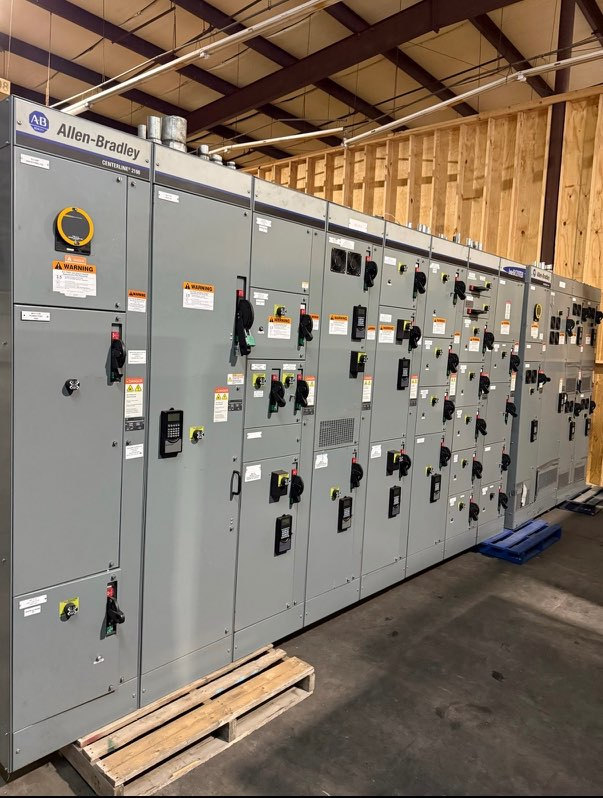
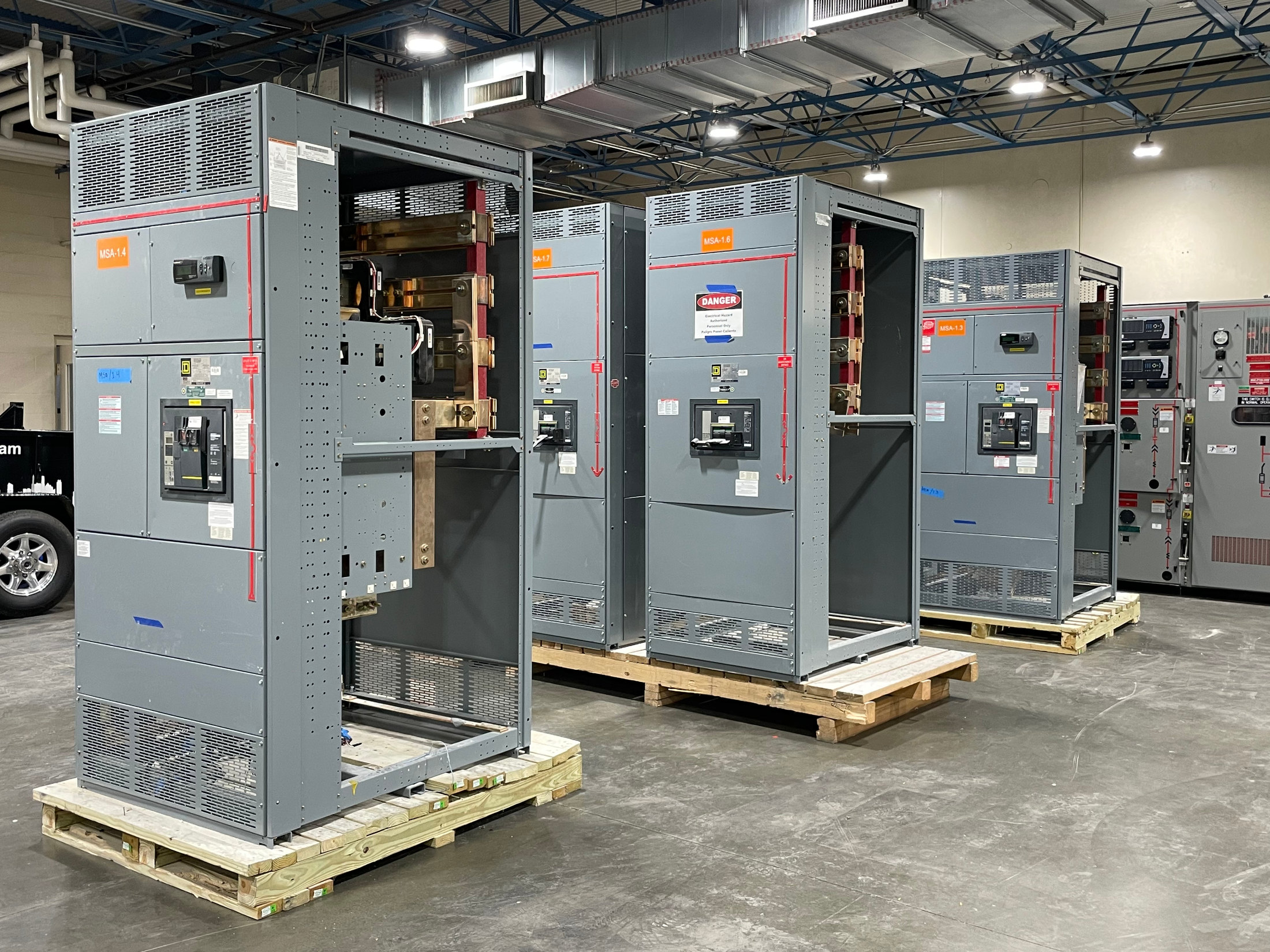
Before coordinating crane access, decide whether the sale covers a complete switchgear assembly, selected assemblies, or loose components. A lineup or other assembled equipment presents a different sale scope from separately stored breakers, relays, bus components, or other parts. Describe the equipment as it currently exists and identify which items are included. The buyer can consider the described equipment for purchase; an offer is not guaranteed and depends on the items and sale terms.
For an agreed purchase, we make a cash offer and payment is made upfront before pickup. We handle cranes, rigging, disconnects, loading, freight, and hauling. Sellers do not need to arrange those services as a separate part of the sale. We do not require seller testing. Keep ownership, sale authority, and property access under your control while the equipment and pickup scope are being reviewed.
Describe Assemblies and Loose Components Separately
A useful inventory distinguishes equipment that remains assembled from components stored separately. For each assembly, identify its general location and whether the proposed sale includes the full assembly or only specified parts. For loose components, describe them as separate items and indicate, when known, whether they belong with an assembly or are being offered independently. This avoids treating a collection of parts as a complete lineup, or overlooking parts that the seller intends to include.
Share information already available from records or safely accessible labels, such as manufacturer identification, equipment description, and any known voltage-class information. Do not operate, open, test, disconnect, dismantle, or physically handle equipment to gather details. Photos are optional and useful only when they can be taken from an already safe, accessible position. If information is unknown, say so rather than guessing; the equipment remains subject to review and agreement.
Confirm Authority and Property Permission
Crane and pickup coordination begins with knowing who can authorize access and removal. Confirm that the person arranging the sale has authority over the equipment and that the property owner or other responsible party permits the proposed access and pickup. Where access approval involves more than one party, resolve that permission before setting expectations about equipment movement. The seller retains control of site access and should communicate any conditions that apply to visitors, vehicles, or work areas.
Clarify where the equipment is located within the property and which areas are available for an agreed pickup. Note access controls, restricted spaces, occupied areas, and any known scheduling or escort requirements. Avoid promising access on behalf of a property owner, tenant, facility manager, or other party. These details help establish whether a purchase and removal scope can be coordinated; they do not replace the required permissions or guarantee that a particular pickup arrangement will work.
Share Access Conditions and Known Obstructions
Describe the route to the equipment in practical terms: the relevant entrance, interior or exterior location, and any known limitations along the way. Mention apparent obstructions already known to you, such as congested areas, narrow passages, overhead restrictions, changes in floor level, or limited room around the equipment. Identify whether the assembly is in a location different from loose components, since each may involve a separate access route or pickup sequence. Report observations rather than making technical judgments about what equipment or lift method is suitable.
If the equipment is near other property or remains in an operating facility, explain the boundaries of the sale and the areas that must remain undisturbed. Do not move surrounding items or alter the site to prepare for a crane visit. Clear, accurate information allows access and lift needs to be coordinated with the responsible parties. The buyer handles cranes and rigging for an agreed purchase, but the actual plan depends on the equipment, site conditions, permissions, and coordination required.
Coordinate Qualified Lift Planning
Crane access and rigging require planning based on the actual equipment and site. Provide the known equipment description, whether it is an assembly or loose components, its location, and the access conditions already observed. Qualified personnel can use the relevant information to plan the lift and coordinate the work. Do not estimate lift capacity, select rigging, calculate loads, or infer handling requirements from appearance; those decisions belong in the lift-planning process.
Keep the equipment and surrounding area under the control of the owner or authorized site representative until the agreed pickup. The seller is not expected to perform disconnects, rigging, dismantling, loading, or physical handling. For a completed purchase, we handle disconnects as well as cranes, rigging, loading, freight, and hauling. Coordination should account for property permission and any known constraints, without assuming that a particular crane location, route, or lift arrangement is available.
Agree on Scope and Pickup Sequence
Before pickup is scheduled, confirm the items included in the sale and distinguish them from equipment or components that will remain. For a mixed inventory, record the scope in understandable terms: which assemblies are included, which loose components are included, and which items are excluded. If a component’s relationship to an assembly is uncertain, identify that uncertainty. A shared understanding of scope helps avoid disputes at pickup and supports coordination of the equipment being acquired.
Pickup timing and sequence should follow the agreed sale and the access arrangements approved by the property’s responsible parties. A seller should not schedule independent removal work for equipment included in the purchase. The buyer coordinates the handling and transportation services for an agreed purchase, including disconnects, loading, freight, and hauling. The sequence may depend on site access and the agreed scope; no schedule or lift outcome should be assumed before those details are resolved.
Review the Offer Before Removal
Once the equipment, sale scope, and relevant access information have been reviewed, any purchase remains subject to agreement and depends on the equipment. If we proceed, we make a cash offer, with payment upfront before pickup. Confirm the items covered and the agreed terms before removal begins. This keeps the transaction tied to the identified equipment rather than an assumed complete system or an unconfirmed collection of components.
After agreement, we coordinate the pickup services we handle: cranes, rigging, disconnects, loading, freight, and hauling. The seller’s role is to provide accurate available information, maintain control of access permissions, and confirm the agreed scope. No seller testing is needed to begin the discussion. If a detail cannot be verified without unsafe or unauthorized access, leave it unverified and let the purchase review proceed on the information that is already available.