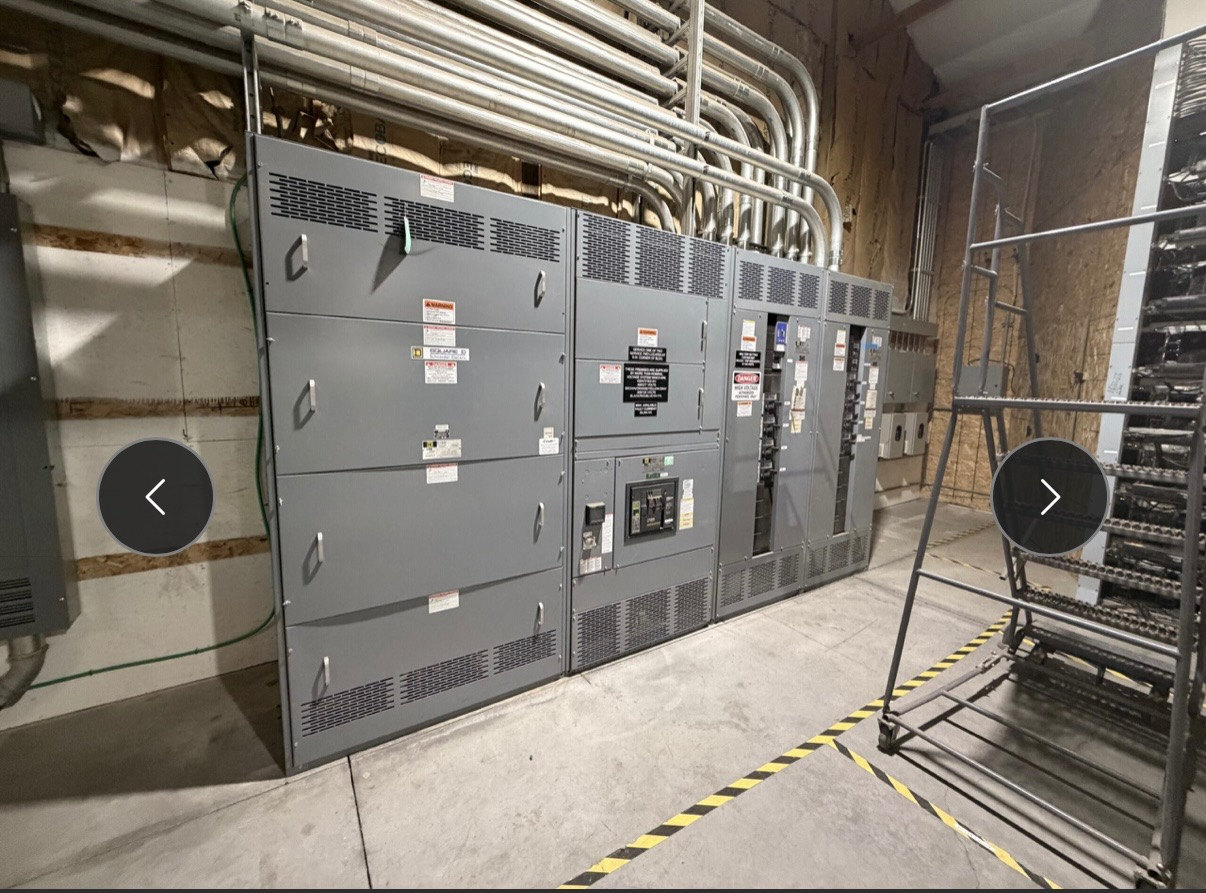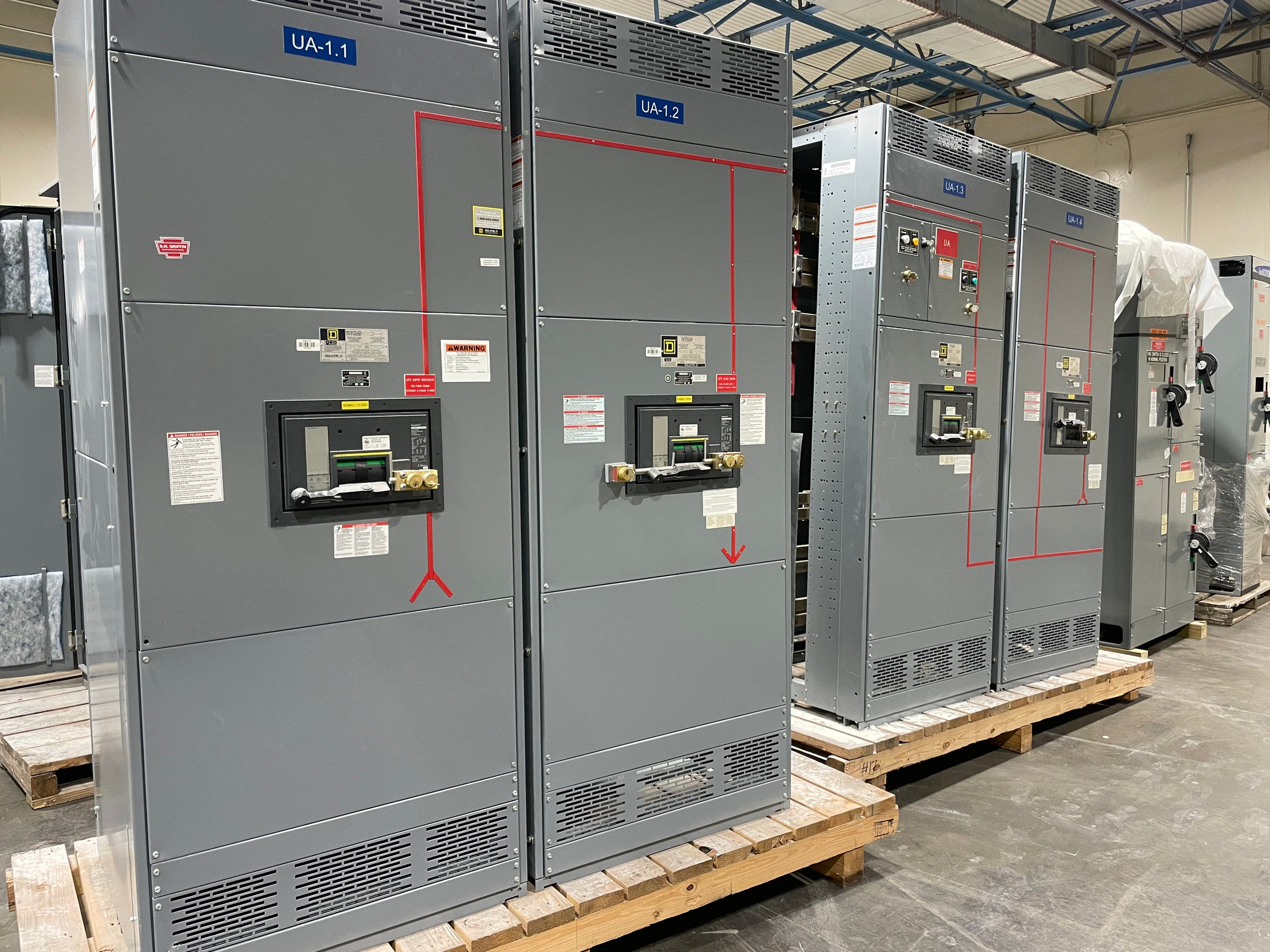
Plan the sale before demolition changes the site
When electrical equipment is scheduled to leave a Pennsylvania facility, the sale conversation should begin before demolition debris, temporary storage, or changing site access make identification difficult. We buy used, surplus, and decommissioned electrical distribution equipment. For switchgear, our purchasing scope includes equipment from decommissioned data centers and shut-down power plants, across all voltage classes. A purchase is not automatic: an offer depends on the equipment and requires agreement between buyer and seller.
Consider an illustrative situation: a facility owner is coordinating demolition and has several electrical distribution assets marked for removal. Some may be candidates for sale, while other material is destined for demolition handling. The owner can compare the expected value and effort of storing identifiable equipment for a possible offer with the space, coordination, and uncertainty involved in retaining it. That comparison is more useful when the equipment remains distinguishable from debris and its custody is clear.
Keep potentially saleable equipment identifiable
Segregation is an organizational decision, not a request for the owner to move or dismantle equipment. The owner can identify which items are being considered for sale and which belong to the demolition scope, then communicate that distinction to the parties managing the site. Clear item identities help prevent a purchasing discussion from becoming confused with a general debris-removal plan, particularly when multiple pieces are grouped in the same work area or scheduled for different handling.
An inventory can record available identifying information such as the equipment type, manufacturer name, visible labels, approximate quantity, and where the item is being held. These details support a discussion; they do not establish that an item will receive an offer. Photos or labels are optional and should be shared only when already safely accessible. There is no need to create access, open equipment, or perform seller testing to start an inquiry.
Compare storage with a purchase offer
Storing equipment for possible sale can preserve the opportunity to consider a buyer’s offer, but storage also requires space, custody, and coordination with the demolition schedule. An owner can weigh those needs against whether an offer is available for the particular equipment. We make cash offers when the equipment and proposed terms support a purchase. Amounts are not assumed in advance, and submitting an inventory does not mean every item will be offered for or included in a sale.
For a useful comparison, distinguish equipment that can be identified and presented for a purchase discussion from material already treated as demolition debris. Note whether an item is being retained, who controls its access, and whether its location may change. Those facts help organize the decision without implying a particular sale outcome. If the owner chooses to store equipment while considering an offer, keeping its identity and custody information together can make later coordination more straightforward.
Match the inventory to the equipment on site
A matched inventory links the owner’s description to the equipment under consideration. It can use consistent names or item references across the inventory, site communications, and any available photographs or labels. If several similar assets are present, a count and an identifying description for each can reduce ambiguity about what the discussion covers. Record uncertainty plainly rather than guessing at a model, specification, condition, or technical rating.
The purpose is to help the buyer understand what is being offered for sale and how the proposed purchase relates to the site’s demolition plan. The inventory is not a substitute for an agreed description of the purchased equipment, and it does not determine whether a purchase will proceed. Owners control access and can provide information they already have without conducting tests or handling equipment. Where available details are incomplete, a direct note that identification is limited is more useful than an unsupported assumption.
Confirm custody and safe access
Before arranging pickup for an agreed purchase, establish who has authority to coordinate access and who controls the equipment’s location. Demolition activity can change routes, work areas, and schedules, so the owner’s contact for site access should confirm that the agreed equipment can be reached at the planned time. This coordination is about access and custody; it does not call for the seller to prepare equipment physically or perform technical work.
Keep the boundary between purchase coordination and demolition responsibilities clear. The seller identifies the equipment and confirms who can authorize access. For an agreed equipment purchase, we handle cranes, rigging, disconnects, loading, freight, and hauling. The seller does not need to arrange those tasks as a condition of discussing a sale. Timing and access still require coordination with the people responsible for the site, particularly where demolition work and pickup activity share a location.
Agree on the purchase before pickup
A cash offer is specific to the equipment being considered, and a sale proceeds only when buyer and seller agree on the purchase. Confirm that the agreed inventory corresponds to the items intended for pickup and that both sides understand the purchase scope. This is especially important after demolition has begun, when similar assets, retained equipment, and debris may be present in adjoining areas. Clear scope helps avoid treating a general site inventory as if every listed item were part of the transaction.
Payment is made upfront before pickup. That sequence lets the parties settle the purchase terms before collection is arranged. No seller testing is required. The owner can share available identifying information and coordinate authorized access while leaving the equipment’s physical handling to the agreed pickup plan. Because offers depend on the equipment, a cash offer should not be treated as a commitment to buy unrelated items or material outside the agreed scope.
Coordinate collection around demolition
Once a purchase is agreed, coordinate the pickup with the owner’s access contact and the parties managing demolition so the purchased equipment remains identifiable and available. Updates to the inventory, location, or site schedule should be shared before collection is planned. If custody changes or equipment is relocated, the owner can clarify which agreed items remain included and who can authorize access. This coordination protects the distinction between purchased equipment and demolition debris without asking the seller to undertake handling work.
The practical decision is whether retaining identifiable equipment for a possible purchase makes sense compared with allowing it to remain in the demolition stream. A cash offer, upfront payment before pickup, and buyer-managed cranes, rigging, disconnects, loading, freight, and hauling can inform that decision when the equipment is suitable and terms are agreed. No outcome is guaranteed for every item. A clear inventory, defined custody, and confirmed safe access give both parties a more orderly basis for deciding whether a sale can proceed.