Decide Whether to Sell Before Planning Pickup
If you are considering selling switchgear, start by identifying what equipment is available and whether a buyer can review it for a purchase. We buy used, surplus and decommissioned electrical distribution equipment in Pennsylvania, including switchgear from decommissioned data centers and shut-down power plants, across all voltage classes. We buy only; we do not offer equipment for sale. A purchase depends on the equipment and agreement between buyer and seller, so dimensions help inform the discussion but do not establish an offer on their own.
For an agreed purchase, we make a cash offer and pay upfront before pickup. We handle cranes, rigging, disconnects, loading, freight and hauling. Sellers do not need to arrange those pickup services as part of a completed purchase. No seller testing is required. Your initial decision is whether you want to share the information already available and discuss whether the equipment may be suitable for purchase; measuring or moving electrical gear is not a prerequisite for starting that conversation.
Share the Dimensions You Already Know
Useful dimension information begins with the basis of the measurement: which equipment or lineup it describes, whether the figures apply to one section or the complete assembly, and whether they are recorded measurements or estimates. If existing records provide external height, width and depth, share those figures with their units and identify any uncertainty. If only one or two dimensions are known, provide those rather than implying that the set is complete. A clear distinction between confirmed information and an estimate gives a buyer a more dependable starting point for pickup planning.
Do not take measurements by approaching, touching, opening or moving electrical equipment. Use only information already available or measurements made from a safe, permitted location without interfering with the equipment. Where access is restricted or conditions are uncertain, leave the dimensions unknown. A photograph or label may be shared only if it is already safely accessible; neither is necessary to begin a discussion. Information can also be relayed from existing inventory records, provided you identify it as recorded information rather than a fresh measurement.
Describe the Equipment and What the Figures Cover
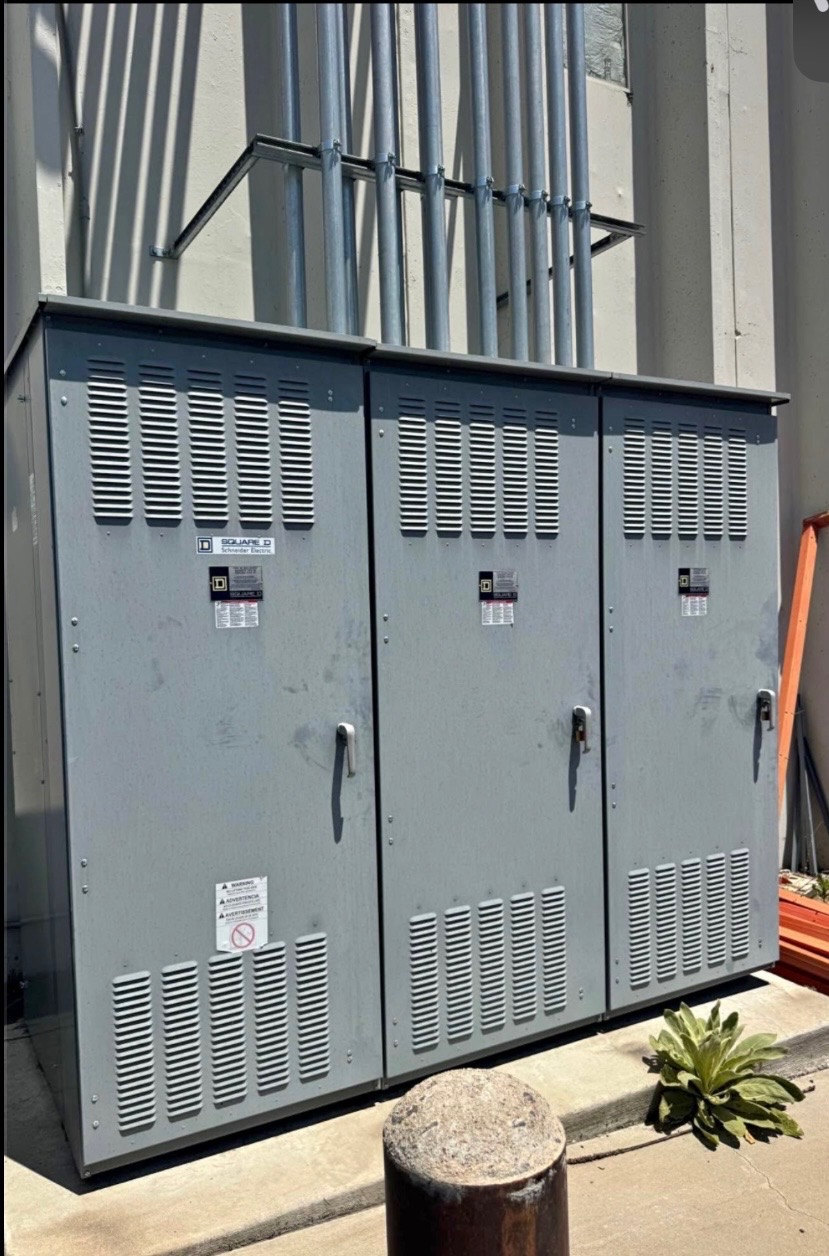
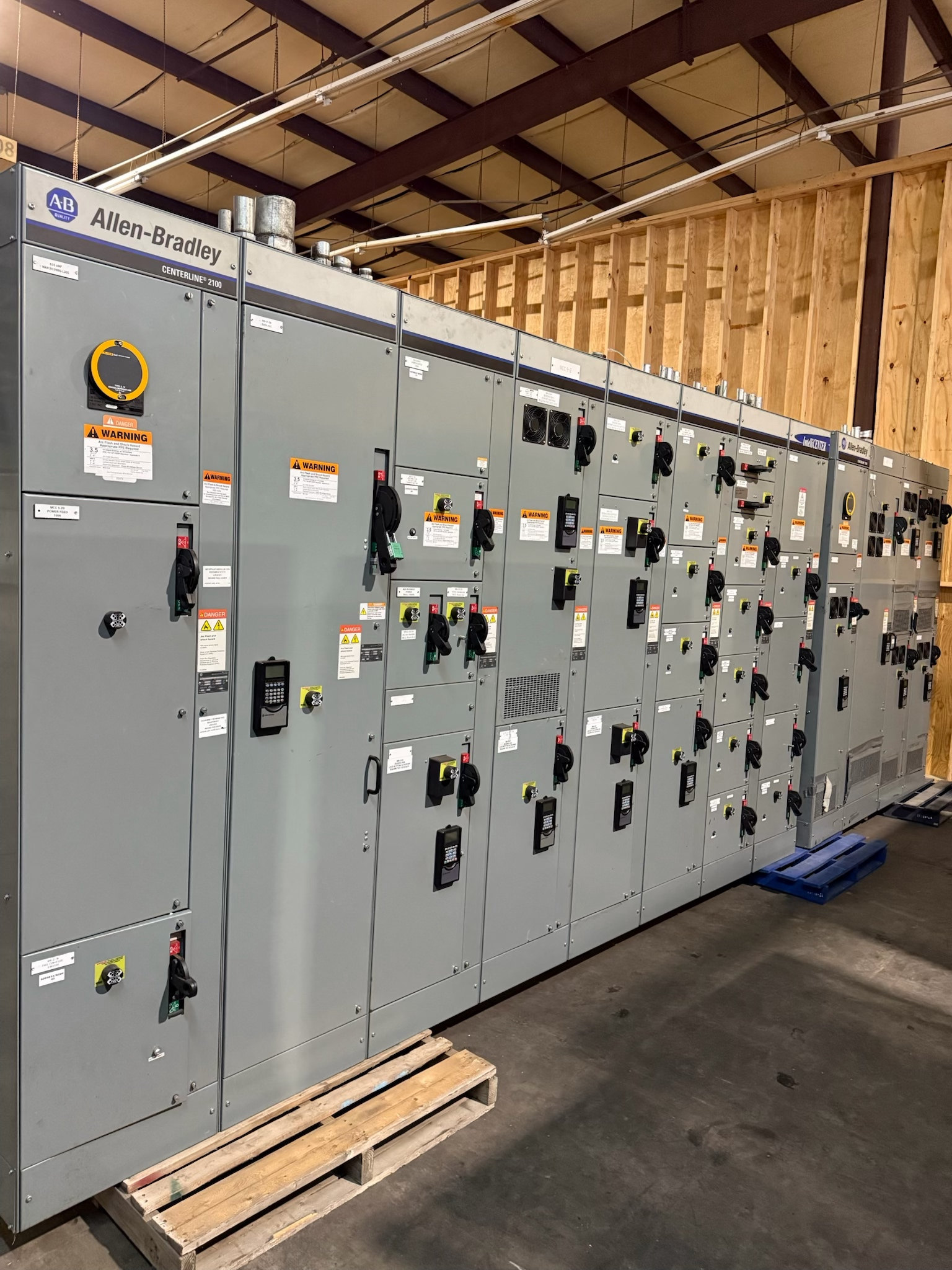
Dimensions are most useful when paired with a plain description of the item. Note whether the figures refer to an individual section, several sections, or a complete lineup, and distinguish the equipment from nearby structures or other stored items. If the inventory identifies the equipment as switchgear, include that description; add manufacturer or nameplate details only when already known and safely accessible. Do not infer a model, rating or configuration from appearance. If records are incomplete, say which details are documented and which have not been confirmed.
When multiple pieces are included in a possible sale, identify them separately where the records allow. A single combined measurement can obscure the size of individual sections and the relationship between the listed dimensions and the equipment being considered. If the count, boundaries or included components are uncertain, state that plainly. Buyers can discuss the available information and clarify what an agreed purchase would cover before pickup planning advances. Accurate scope is more useful than a precise-looking measurement attached to an unclear item.
Flag Packaging, Projections and Obstructions
Pickup planning may depend on more than the switchgear’s stated external dimensions. Share known information about packaging, protective coverings, skids or other materials included with the equipment, and clarify whether recorded dimensions include them. If packaging details are unknown, mark them as unknown rather than estimating their effect. Likewise, mention visible projections or attached items only when that information is already known and can be described without approaching or handling the equipment. The purpose is to explain what the stated measurements include, not to inspect or alter the equipment.
Describe known access constraints in general terms: for example, whether an item is within a room, behind a doorway, beneath overhead obstructions or near other stored equipment. Report only what you can observe or what facility records establish. Do not move surrounding materials, open enclosures, remove covers or enter a restricted area to improve the description. Owners control site access. With an agreed purchase, we coordinate cranes, rigging, disconnects, loading, freight and hauling; the seller’s role in this discussion is to communicate known site and inventory details, not to perform pickup work.
Keep Unknowns Clear and Separate
A useful inventory can include blanks. If an external dimension was not recorded, identify it as unavailable. If a number is estimated, label it as an estimate and, if known, note the source. If dimensions differ between records, share the discrepancy instead of choosing one without a basis. This helps prevent a planning conversation from treating incomplete information as a confirmed clearance or handling requirement. Unknown weight, packaging, access conditions or equipment boundaries should also remain unknown unless supported by records or safe observation.
Avoid filling gaps with assumptions based on other equipment, brand identifiers or a general description such as switchgear. Such details do not establish the dimensions, condition or configuration of a particular item. There is no need to energize, test, open, disconnect, dismantle or physically handle equipment to answer an initial buyer inquiry. Share the records and observations you already have; the buyer can assess whether there is a basis to discuss a purchase and what additional coordination may be needed if both parties agree to proceed.
Coordinate Information Before Pickup
Once the equipment under consideration and its known dimensions are clear, the buyer and seller can discuss the proposed scope and relevant site information. Confirm which pieces are included in the conversation, which measurements correspond to them, and whether any dimensions include packaging. Point out uncertainties early, especially where a measurement covers a lineup as a whole or where access constraints may affect planning. This gives both parties a shared description without requiring the seller to conduct a physical survey around electrical gear.
Pickup planning follows an agreed equipment purchase; sharing dimensions is not a commitment to sell and does not guarantee that an offer will be made for every item. We buy used, surplus and decommissioned equipment, and whether a purchase can be agreed depends on the equipment and the parties’ agreement. For an agreed purchase, payment is upfront before pickup, and we handle cranes, rigging, disconnects, loading, freight and hauling. No seller testing is required. Owners retain control over access, while pickup coordination is discussed between buyer and seller before the equipment is collected.
Share Existing Information to Discuss a Sale
For an initial discussion, provide the equipment description, the dimensions already documented, what those figures cover, and any known packaging or obstruction information. Separate confirmed details from estimates and unknowns. If the available records contain only a partial description, that is still useful when identified accurately. Photos and labels are optional and should be shared only when already safely accessible. There is no need to create new measurements or expose anyone to electrical equipment to assemble a starting inventory.
We buy switchgear from decommissioned data centers and shut-down power plants across all voltage classes, as well as other used, surplus and decommissioned electrical distribution equipment. We are an independent Pennsylvania buyer and buy only. If the equipment is suitable for a purchase and both parties agree, we provide a cash offer with payment upfront before pickup and handle cranes, rigging, disconnects, loading, freight and hauling. Contact us with the known details and clearly identified unknowns to discuss whether a purchase may be possible.