Switchgear Sale and Removal Handoff in Pennsylvania
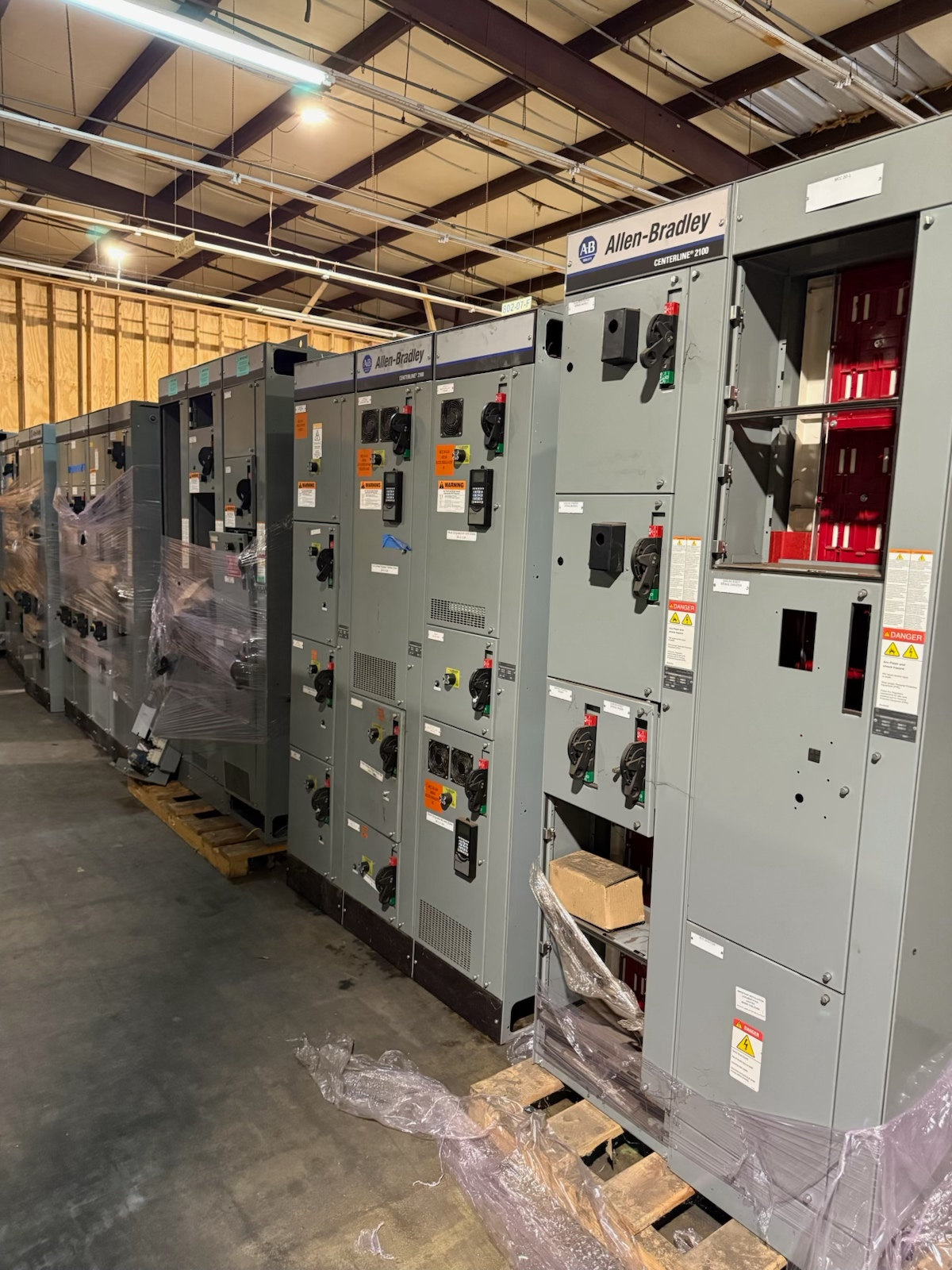
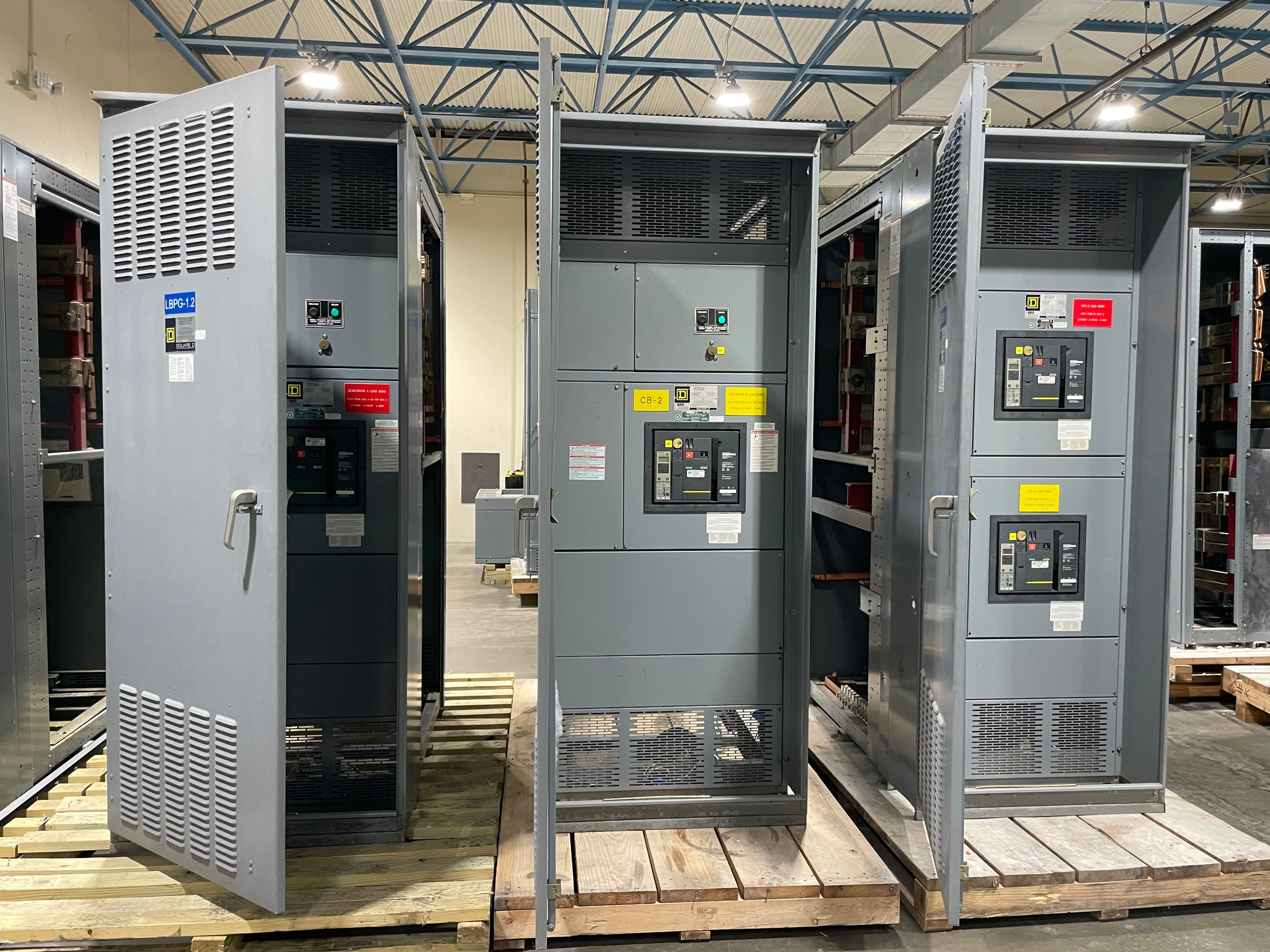
Selling switchgear involves two related but distinct plans: agreeing on the equipment purchase and coordinating authorized electrical work with physical removal and transportation. A clear handoff helps the owner, any qualified electrical contractor engaged for site work, and the buyer work from the same understanding of what equipment is included, what remains on site, and when the equipment can be picked up. We buy used, surplus, and decommissioned switchgear across all voltage classes, including equipment from decommissioned data centers and shut-down power plants. A purchase is subject to agreement and depends on the equipment; we do not promise an offer for every item.
For an agreed equipment purchase, we handle cranes, rigging, disconnects, loading, freight, and hauling. The seller does not need to arrange those logistics. The owner retains control of site access and authorization, while electrical work and any site-specific requirements must be coordinated with the appropriate authorized parties. Buyer evaluation is separate from electrical isolation or removal work. We make cash offers, with payment upfront before pickup, and do not require seller testing. Establishing these boundaries early keeps the commercial decision, site work, and pickup plan from being treated as one undefined task.
Reconcile the Inventory Before Discussing Scope
Start with an inventory that distinguishes the switchgear proposed for sale from equipment that will remain in service, be retained, or be handled under a separate arrangement. Use the owner’s existing records where available, and identify equipment by its existing descriptions, location, and any readily available labels or documentation. Record known gaps rather than filling them with assumptions. A reconciled inventory gives the buyer a defined basis for evaluating the proposed purchase and helps prevent disagreement over whether adjacent equipment, loose components, or other materials are included.
Compare the inventory against the owner’s intended sale scope and any site records that can be reviewed without accessing equipment unsafely. Note uncertain identification, incomplete documentation, and items whose status needs the owner’s confirmation. Photos or label information are optional and should be shared only when already safely accessible. There is no need to test equipment for a sale discussion. If the actual equipment differs from the proposed inventory, resolve the discrepancy with the buyer before treating that item as part of an agreed purchase.
Separate Buyer Evaluation From Authorized Electrical Work
Buyer evaluation concerns whether the identified equipment is suitable for a possible purchase. It does not substitute for electrical planning, site authorization, or work by the contractor responsible for the installation. The owner and authorized electrical parties control access and determine the work needed to prepare the equipment and work area for removal. Keep that responsibility distinct from the buyer’s commercial review, so neither party’s role is misunderstood.
We do not require seller testing to consider switchgear for purchase. Do not energize, open, disconnect, dismantle, or physically handle equipment for the purpose of preparing information for us. The owner can provide existing records and information already safely available, then coordinate any required site work through the parties authorized to perform it. This separation allows the buyer to evaluate the proposed equipment without turning a sales inquiry into instructions for electrical work or a request for the seller to prove operation.
Define the Removal Contractor’s Work Boundary
A removal contractor’s scope should be coordinated with the owner’s site requirements and the agreed equipment purchase. The contractor and owner address the authorized electrical work and any site-specific conditions that must be satisfied before removal or access. The buyer coordinates the agreed pickup and handles cranes, rigging, disconnects, loading, freight, and hauling. Confirming this division before scheduling helps avoid duplicate arrangements or uncertainty about who is expected to provide equipment and transportation.
The exact sequence depends on the site and the parties’ arrangements; do not assume that a contractor’s general removal scope automatically includes the buyer’s pickup logistics, or that the buyer’s pickup coordination replaces the site’s authorized electrical work. Record who is responsible for access approval, site coordination, and confirming that the agreed equipment is available for pickup. The buyer’s responsibility for removal-related logistics does not transfer the owner’s control of the property or authorize work outside the agreed scope.
Confirm the Purchase and Pickup Handoff
Before pickup planning is treated as final, align the agreed equipment description with the reconciled inventory and identify the items covered by the purchase. Resolve exclusions and discrepancies directly with the buyer. The commercial agreement should make clear that the purchase depends on the equipment and on agreement between the parties; an inventory alone does not guarantee that every listed item will be purchased. For an agreed purchase, payment is upfront before pickup. Confirm the payment arrangement before the pickup proceeds so the seller knows when payment occurs in relation to collection.
Coordinate a practical handoff among the owner, the authorized site parties, and the buyer. Share the approved access arrangements and the agreed pickup scope with the people who need that information. The buyer handles the cranes, rigging, disconnects, loading, freight, and hauling for an agreed purchase; do not assign those logistics to the seller. Keep the sale inventory and the pickup scope aligned if plans change, and obtain agreement on any change to the equipment being sold before it is treated as included.
Keep Records and Coordination Clear
A concise record of the agreed inventory, exclusions, payment timing, access coordination, and responsibilities can reduce avoidable confusion during handoff. Keep existing equipment records with the relevant sale information, and distinguish confirmed details from items still awaiting owner or contractor clarification. Share information through the parties’ normal coordination channels. Avoid relying on informal assumptions about what a removal contractor, site representative, or buyer will handle when the responsibilities can be stated plainly.
For Pennsylvania switchgear sales, the useful sequence is to reconcile what is being offered, discuss the equipment with the buyer, coordinate authorized electrical work through the appropriate site parties, and align the buyer’s pickup logistics with the owner’s access arrangements. We make cash offers for equipment we may purchase, pay upfront before pickup for an agreed purchase, and do not require seller testing. Once scope and responsibilities are understood, the owner, contractor, and buyer can coordinate the handoff without confusing equipment evaluation, electrical work, and transportation.