Reconcile the inventory before discussing transit risk
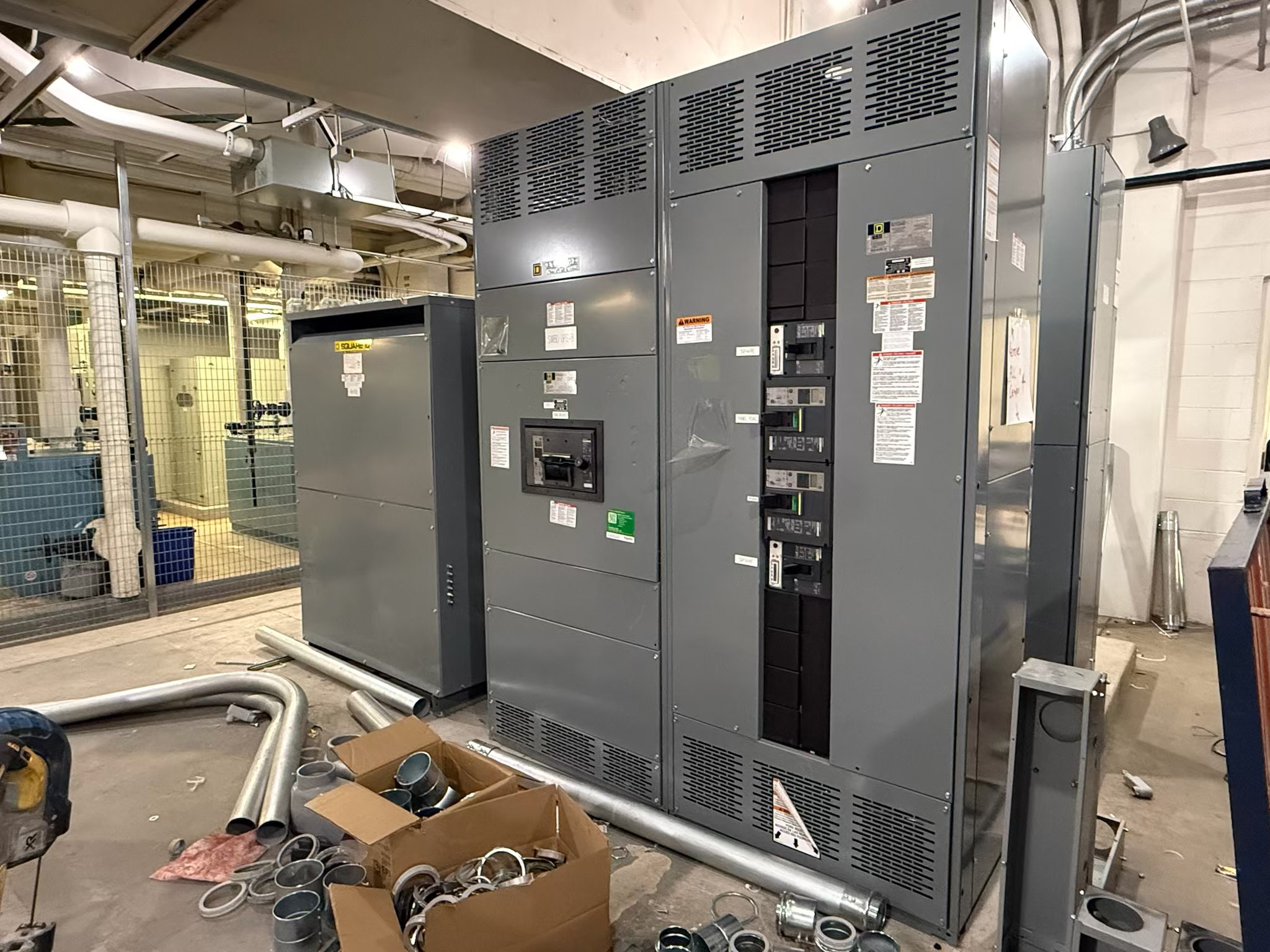
Imagine a Pennsylvania facility preparing to sell surplus distribution equipment after a department closes. Its inventory lists several assemblies, but the list does not clearly separate equipment intended for sale from items remaining in service. Before discussing freight insurance or risk transfer, the owner and buyer need a shared understanding of what the proposed purchase covers. Compare available records and identify the equipment by existing descriptions, location, and quantity. Note discrepancies for discussion rather than assuming that a general inventory entry captures every item.
An accurate scope gives the sale agreement a practical starting point: which equipment is included, which items are excluded, and what the parties understand to be sold. If existing labels or photographs are already safely accessible, the owner may choose to share them; gathering them is optional. Do not disturb equipment to create documentation. We buy used, surplus, and decommissioned electrical distribution equipment, including switchgear from decommissioned data centers and shut-down power plants, across all voltage classes. Any purchase depends on the equipment and agreement between the parties.
Describe the equipment and the agreed purchase scope
Inventory reconciliation is not just a counting exercise. Two records may use different names for the same item, or a broad category may refer to several separate pieces. Work through differences using the information already available to the owner, then record the agreed scope plainly. If an item’s identity or inclusion remains uncertain, resolve that point in the sale agreement before arranging pickup. Clear boundaries help prevent later disagreement about whether an unlisted component or neighboring equipment was part of the purchase.
The agreement should also make clear that this is a purchase of identified equipment, not a promise to buy everything at the site. We make cash offers for equipment we may purchase, and the offer depends on the equipment and the parties’ agreement. We do not require seller testing. Owners remain in control of site access and can decide what existing information to provide. Keeping scope, offer, and pickup coordination tied to the same agreed inventory makes custody and transit discussions more manageable.
Set the handoff point and custody expectations
A useful sale agreement identifies when the equipment is considered handed over and who is responsible for coordinating access at that stage. Discuss the sequence in ordinary terms: the agreed equipment is identified, payment is made, pickup is arranged, and the equipment is collected. Confirm how the parties will recognize that the listed items are the ones being released. If an inventory discrepancy appears before pickup, pause the affected part of the arrangement and resolve it together rather than relying on an assumption.
For an agreed purchase, payment is upfront before pickup. The buyer handles cranes, rigging, disconnects, loading, freight, and hauling for the seller. Those responsibilities do not eliminate the value of documenting the handoff point. The agreement can state how the parties will coordinate access and confirm collection, while leaving site access under the owner’s control. Keep the written scope consistent with the actual agreed purchase so custody discussions do not quietly expand the transaction to equipment that was never included.
Ask what transit coverage applies
Freight insurance and risk transfer are related questions, but they are not interchangeable. Ask what coverage, if any, applies to the equipment during the relevant stages of pickup and transportation, who is responsible for arranging it, and how the parties will confirm its scope. The answer should come from the party responsible for the applicable coverage or the insurer, not from assumptions based on who arranges freight. Clarify whether the discussion concerns the equipment itself, transportation, or another exposure, and record the agreed understanding in the sale documents.
Avoid treating a general statement that freight is arranged as proof of a particular insurance limit, covered event, deductible, or claim process. Those terms depend on the applicable arrangement and policy. If coverage is important to the owner’s decision, request specific written information from the responsible party before agreeing to the sale. We coordinate freight and hauling for an agreed purchase, but questions about insurance terms should be addressed with the relevant coverage provider. The sale agreement can identify the intended responsibility without representing that coverage exists beyond what has been confirmed.
Clarify when risk transfers
The agreement should address when responsibility for loss or damage shifts between seller and buyer, rather than leaving the moment implicit. Possible milestones to discuss include payment, commencement of pickup, loading, departure from the site, and delivery. The parties should choose language that matches their actual arrangement and makes the selected point understandable. Do not assume that payment timing, the party arranging freight, or the physical handoff automatically determines risk transfer; the written agreement should answer that question.
Coordinate the chosen risk point with custody and insurance discussions. For example, if the agreement assigns risk at a particular pickup milestone, ask whether the stated transit coverage begins and ends at compatible points. If the documents or participants describe different handoff moments, reconcile them before pickup. These are contract and insurance questions, not conclusions that can be settled from an inventory description alone. Where interpretation matters, the parties can seek advice from their own legal or insurance professionals.
Keep pickup responsibilities aligned with the agreement
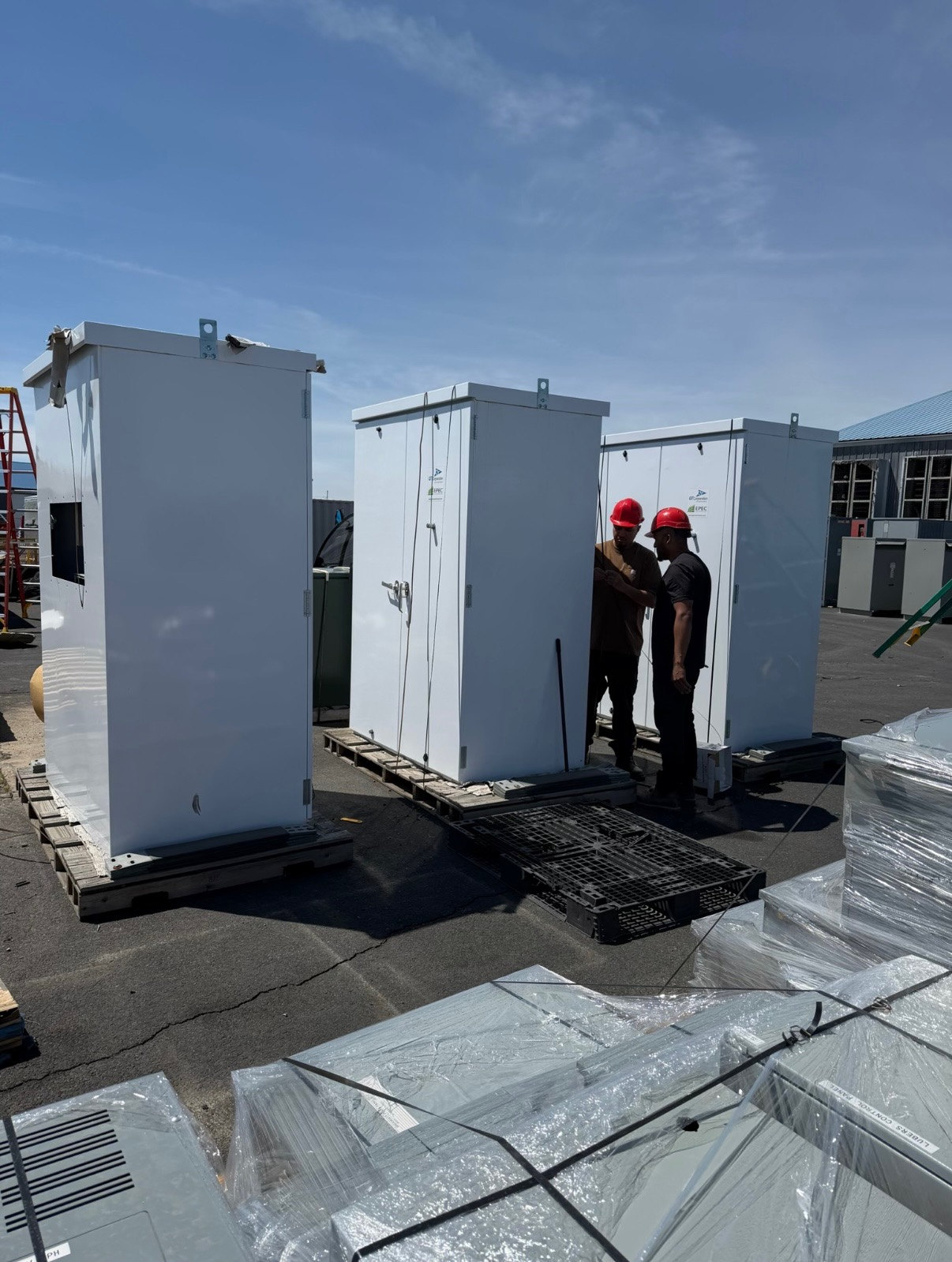
A clear pickup plan connects the reconciled inventory to the handoff. Confirm which equipment is included, who will coordinate access, and how the owner will identify the agreed items for release. The buyer handles cranes, rigging, disconnects, loading, freight, and hauling for an agreed equipment purchase. The owner controls access, while the parties coordinate timing and the agreed scope. No seller testing is required. Do not make the pickup plan depend on the owner performing physical handling or preparing equipment beyond what the parties have agreed.
If site conditions or an inventory mismatch changes the expected pickup scope, discuss the change before proceeding with the affected items. The parties can confirm whether the purchase still covers them and revise the written agreement if needed. Payment remains upfront before pickup. Keeping payment, scope, custody, risk transfer, and coverage terms consistent reduces uncertainty without suggesting that any one party’s logistics role answers every insurance question.
Document the final shared understanding
Before the agreed pickup, review the purchase scope and the written terms together. The documents should identify what is being sold, reflect the agreed cash offer, state that payment is due upfront before pickup, and describe the intended handoff and risk-transfer point. They should also record who is responsible for coordinating any transit coverage and what has actually been confirmed about it. If a term is unresolved, address it directly rather than relying on customary practice or an informal assumption.
In the Pennsylvania facility example, reconciliation brings the closing conversation back to a simple foundation: the same equipment list, the same purchase scope, a clear payment sequence, and a mutually understood division of responsibilities. We buy only equipment we agree to purchase; an offer is not assured for every item. Once terms are agreed, the buyer handles cranes, rigging, disconnects, loading, freight, and hauling. Owners can then make their decision with the inventory, custody, transit coverage, and risk questions considered together.