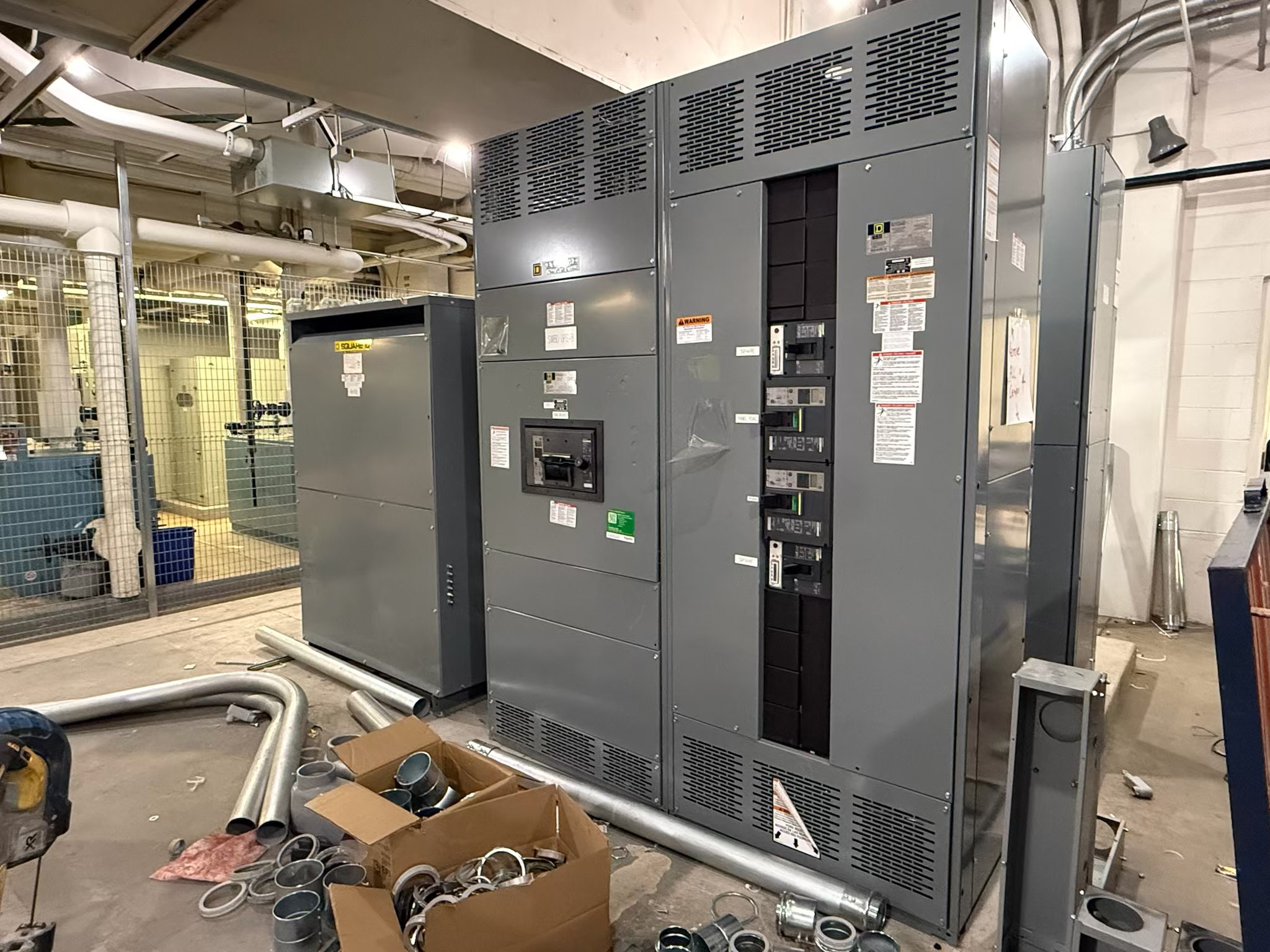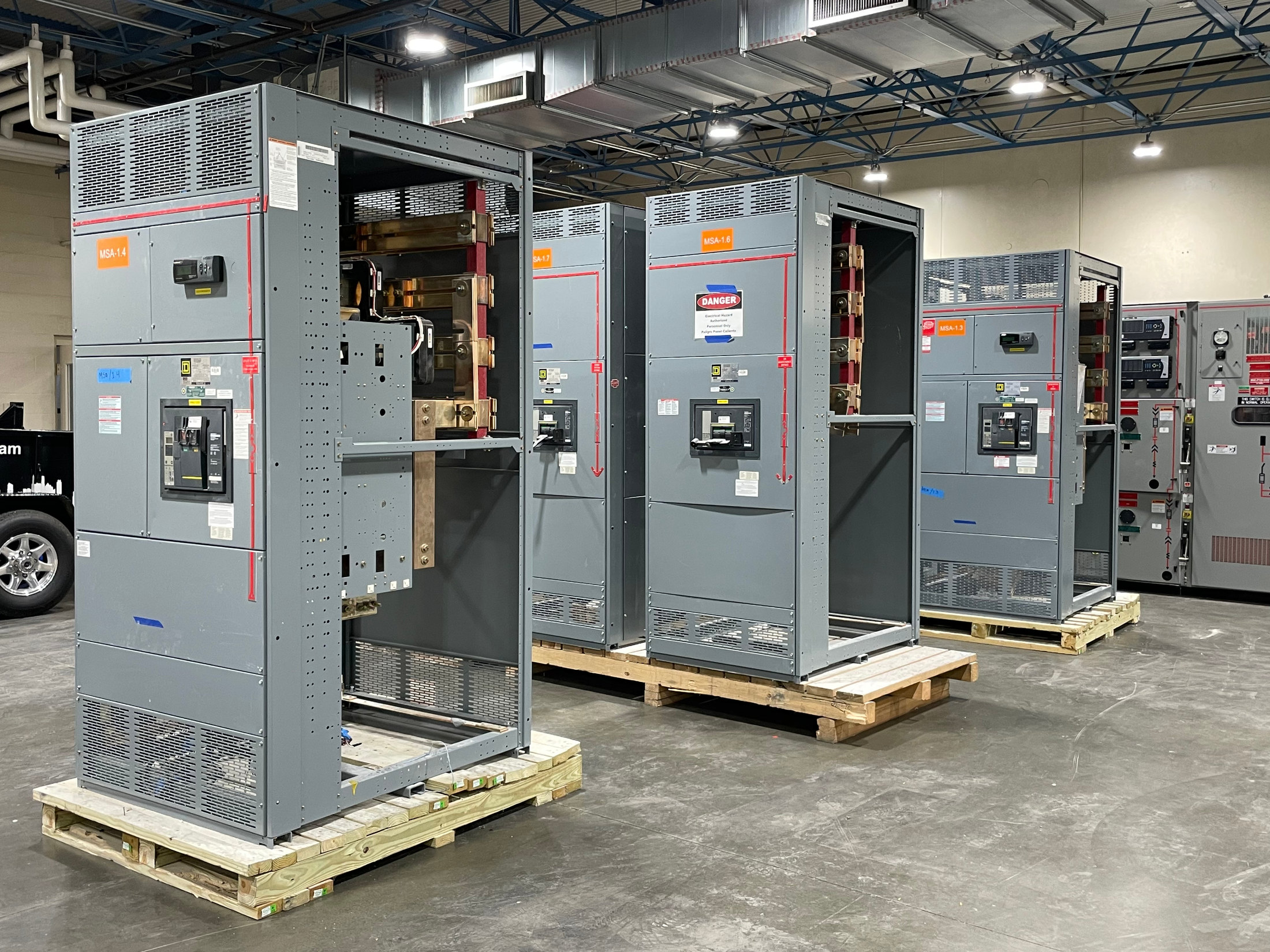
Colocation tenant electrical assets in Pennsylvania
Electrical equipment serving a colocation tenant may be located within a shared data center while belonging to the tenant, the landlord, or another party under the facility’s agreements. That distinction matters when planning a sale: equipment used by a tenant is not automatically tenant-owned, and equipment near a tenant’s space is not automatically included in a tenant’s sale scope. We buy used, surplus, and decommissioned electrical distribution equipment in Pennsylvania, including switchgear from decommissioned data centers. Any purchase depends on the equipment and an agreed sale scope.
Our buying process is for owners or authorized representatives seeking a buyer for eligible equipment, not for arranging a general facility decommissioning. For a colocation tenant, the first commercial question is which specific assets the seller has authority to sell. The tenant, landlord, property manager, and other stakeholders may each have a role in confirming ownership, lease obligations, and release approval. Establishing those points before defining the sale helps avoid including retained property or treating shared infrastructure as a tenant asset.
Separate sale assets from retained property
A useful scope distinguishes equipment proposed for sale from equipment that must remain with the facility, landlord, tenant, or another owner. That distinction can apply even where assets serve related operational purposes or are located in the same area. A tenant may seek to sell equipment it owns while the landlord retains other distribution assets, or an agreement may assign ownership differently than the equipment’s location suggests. We consider only the equipment included in a mutually agreed sale; proximity, use, or a general description of a tenant’s electrical assets does not establish that an item is available for purchase.
Keep the sale description tied to identifiable assets and their ownership status, while recording retained property separately in the parties’ planning. Existing asset records, lease materials, or other documentation may help the responsible parties resolve scope, but the relevant parties determine what those records authorize. Photos or labels are optional and should be shared only when already safely accessible. They can help identify proposed sale items, but they do not replace confirmation that the seller has the right to include them or that the landlord has approved the proposed scope where approval is required.
Resolve lease terms and separate approvals
Colocation leases and related agreements can address ownership, permitted removal, access, restoration, shared services, and landlord consent. The applicable requirements depend on the parties’ actual agreements and circumstances, so a prospective seller should resolve those terms with the relevant stakeholders rather than presume that tenant possession alone authorizes a sale. Landlord approval and tenant authorization are separate questions: a tenant may have rights in an asset while still needing approval for a transaction or for the planned pickup arrangements. Conversely, landlord involvement does not by itself establish that the landlord owns every asset associated with a tenant’s space.
Before asking us to buy equipment, the seller should be able to identify the proposed assets and establish the authority to offer them. Where the landlord, tenant, facility operator, or another party must approve a sale, the scope should reflect the approvals actually obtained. This is especially important when assets are shared, subject to lease conditions, or designated to remain at the site. We do not infer ownership or approval from a facility name, tenant relationship, location, or operational history; the seller and other responsible parties determine those matters.
Define the demarcation and pickup boundary
Demarcation is a commercial scope question as well as a facility coordination question: the parties need to distinguish the assets being sold from the property and infrastructure that remain. A boundary may need to account for landlord-owned equipment, tenant-owned equipment, shared assets, and items whose ownership or disposition is still being resolved. A sale should not sweep in adjacent or connected property merely because it appears associated with a tenant’s operations. The agreed scope should make clear which assets are offered and which are expressly retained, using the parties’ records and approvals as appropriate.
Pickup planning must follow that agreed boundary and the facility’s access requirements. The owner or authorized facility representatives control access and coordinate any required permissions. We handle cranes, rigging, disconnects, loading, freight, and hauling for an agreed purchase; that logistical scope does not make retained property part of the sale or transfer control of the site to us. No seller testing is required. We do not ask the seller to test equipment, and any facility-controlled access or approval remains with the people responsible for the property.
Build a clear offer scope
A practical sale discussion identifies the equipment the seller proposes to sell, distinguishes it from retained property, and notes material ownership or approval questions that have been resolved. Available records or safely accessible identifying information can support that conversation, but a seller need not create unsafe access to gather details. Equipment descriptions should be as clear as the seller can reasonably provide without opening, dismantling, energizing, or otherwise handling items for our review. We assess the opportunity based on the equipment and the agreed scope; not every item is necessarily a fit for purchase.
Our business is buying, not brokering a tenant’s whole decommissioning or directing its lease negotiations. We can consider used, surplus, and decommissioned distribution equipment across voltage classes, including switchgear associated with data centers and shut-down power plants. A colocation tenant’s proposed assets are considered only as a defined sale opportunity, with ownership and authority addressed by the responsible parties. If a proposed package includes both sale assets and retained property, the parties should separate those categories before concluding what is being offered.
Coordinate an agreed sale and pickup
Once the seller’s authority, landlord or other required approvals, and sale boundary are clear, the parties can discuss an offer for the identified equipment. We make cash offers when the equipment and proposed transaction are suitable, with any offer subject to agreement. Payment is made upfront before pickup. These terms apply to an agreed purchase; they do not mean every item will receive an offer or that a proposed package will be accepted unchanged. The scope, equipment, and transaction details inform whether a purchase can be agreed.
After agreement, pickup coordination should remain consistent with the authorized sale scope and the site’s access arrangements. We handle cranes, rigging, disconnects, loading, freight, and hauling for equipment we purchase, with the owner and authorized facility representatives controlling access and confirming what is available. The seller does not need to test the equipment. Keeping the tenant’s sale assets distinct from landlord property and other retained assets gives the parties a clearer basis for coordinating approvals, payment, and pickup without turning a targeted equipment sale into an assumed sale of the facility’s broader electrical infrastructure.