Choose Between Selling One Breaker and a Mixed Lot
For a Pennsylvania data center, the first sale decision is whether to offer one surplus breaker separately or present a broader group of breakers together. A single-item offer can make sense when one clearly identified unit is ready for sale and the rest of the inventory is staying in service, reserved, or being handled separately. A mixed-lot offer can be more practical when the available stock includes several breaker families, loose spares, and units removed from different equipment areas. The right scope depends on what you own, what is available for sale, and whether the items can be described accurately as a group.
We buy used, surplus, and decommissioned electrical distribution equipment, including switchgear from data centers and shut-down power plants, across all voltage classes. We make cash offers for equipment that fits the sale, rather than promising an offer for every item. You can outline a single breaker or a proposed lot, and we can discuss the scope based on the information available. The purchase requires agreement on the equipment and sale terms. Payment is made upfront before pickup; sellers are not asked to test equipment for us.
Separate Breaker Families Before Defining the Lot
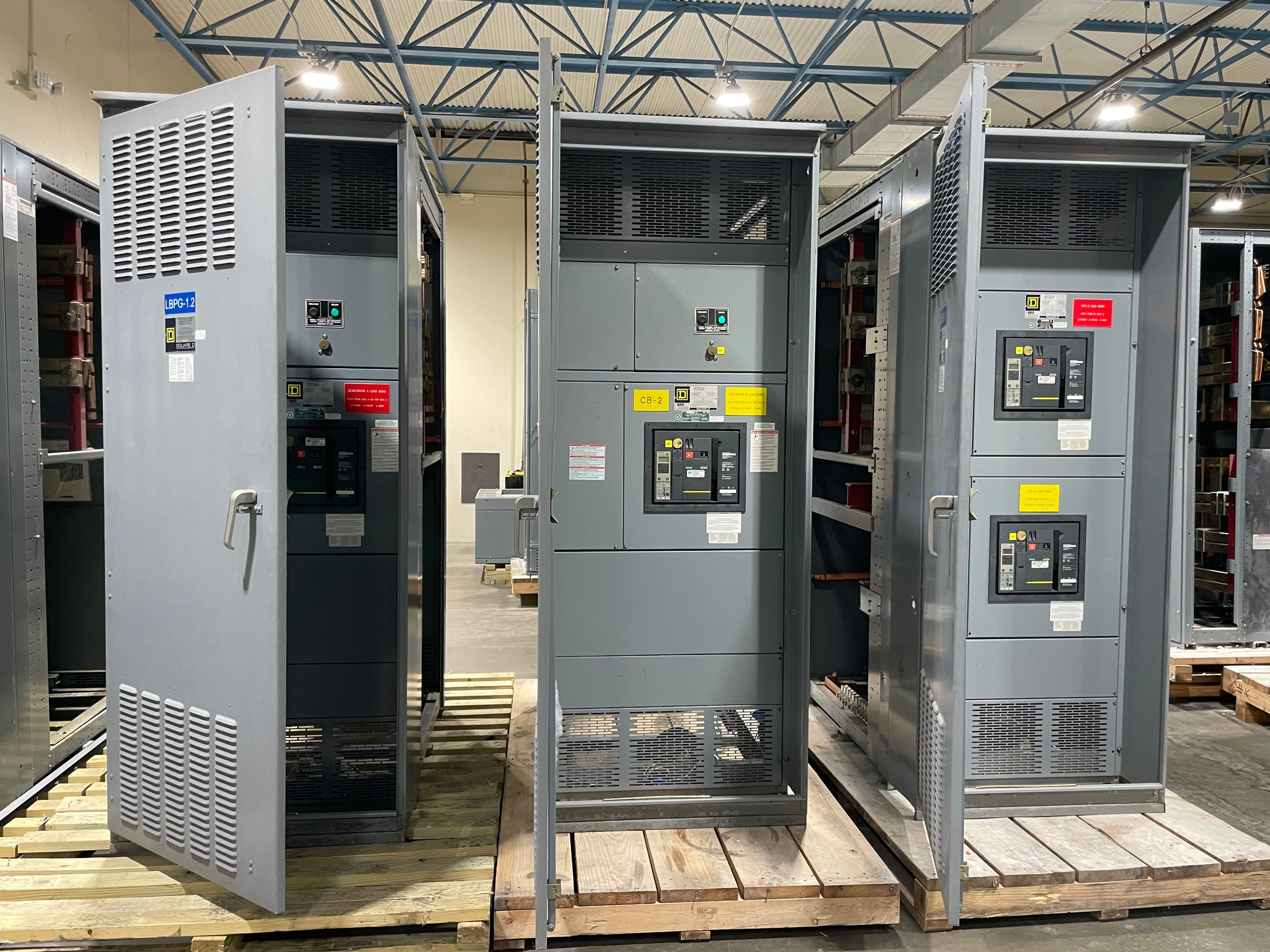
A data center inventory may include breakers that differ in form, labeling, or the equipment they came from. Those differences matter when deciding whether to describe items as one lot or as distinct groups. Start by separating what you already know belongs to different breaker families, rather than treating every breaker as interchangeable. This is an inventory decision, not a request to determine compatibility. If family distinctions are uncertain, preserve that uncertainty in the description instead of assigning a type by appearance or assumption.
A single item can be easier to discuss when its identity is clear, while a mixed lot may still be suitable when its contents are grouped and counted consistently. For example, a seller may describe separate groups by existing labels or inventory records without asserting that units can be substituted for one another. Keep units with uncertain identity distinct from those with readable identifiers. This allows a buyer to consider the actual composition of the offer and reduces the risk that a lot description implies a match, rating, or application that has not been established.
Use Legible Identifiers Without Inferring Specifications
Record identifiers that are already available in inventory documents or visible labels, such as manufacturer name, family or catalog designation, and other printed identifiers. Keep the recorded wording faithful to the source. If a marking is partly unreadable, note that it is incomplete rather than filling gaps from memory or interpreting a fragment as a complete model. Identifiers help distinguish items; they do not, by themselves, establish condition, compatibility, or a complete technical specification.
Photos are optional and useful only when they can be taken from an already safe, accessible position under the owner’s control. A seller does not need to access restricted areas, move equipment, remove covers, or alter the equipment to provide information. Existing records can be enough to begin a discussion. If a label is not safely visible, leave it unrecorded and describe the limitation plainly. Clear, accurate information is more useful for evaluating a potential purchase than an ambitious inventory assembled through assumptions.
Account for Loose Spares and Unmatched Units
Loose spares often need separate treatment in a data center breaker inventory. They may be associated with a particular group in existing records, or their history may be unclear. Keep that distinction visible: identify a spare as linked to a documented group only when the records support it, and otherwise present it as an unmatched or unassigned item. Do not fold loose units into a family based solely on visual resemblance. A careful description helps determine whether a spare belongs in a proposed lot or should be considered on its own.
When a lot includes both installed-system surplus and loose inventory, describe the categories separately and give the count for each category if known. Counts should reflect what is actually available for sale, not everything once listed in a site inventory. If ownership or availability is still being reconciled, resolve the scope before agreeing to a sale. The distinction between a confirmed lot and a preliminary inventory matters: a buyer can consider only the equipment the seller intends and is authorized to sell.
Reconcile Inventory Counts and Sale Scope
Lot reconciliation means making the written inventory agree with the equipment included in the proposed sale. Compare counts across existing records, identify duplicated entries where they are apparent, and keep uncertain quantities marked as uncertain. This is especially useful when breakers are recorded by different teams, storage locations, or source groups. The goal is not to create technical conclusions; it is to establish which items are included, how they are described, and which entries need clarification before the sale scope is settled.
A single-item sale needs a clear description of that item and confirmation that it is available for sale. A mixed lot needs a defensible count and a useful breakdown by known family, label status, and loose-spare status. Either approach can be discussed, but the comparison should use the same scope: do not compare a confirmed individual unit with an estimated lot total as though both were equally certain. We can discuss a cash offer based on the equipment and information presented, subject to agreement. No offer is assured for every item.
Coordinate the Sale Around Access and Pickup
Once the proposed inventory is clear, coordinate who controls access and who can confirm the sale scope. The owner retains control of the site and equipment access. Information sharing can begin with existing records and, if already safely accessible, optional photos or label details. There is no need for the seller to perform testing for a sale discussion. Keep the conversation focused on what is included, where the equipment is under the owner’s control, and any practical access constraints relevant to arranging pickup.
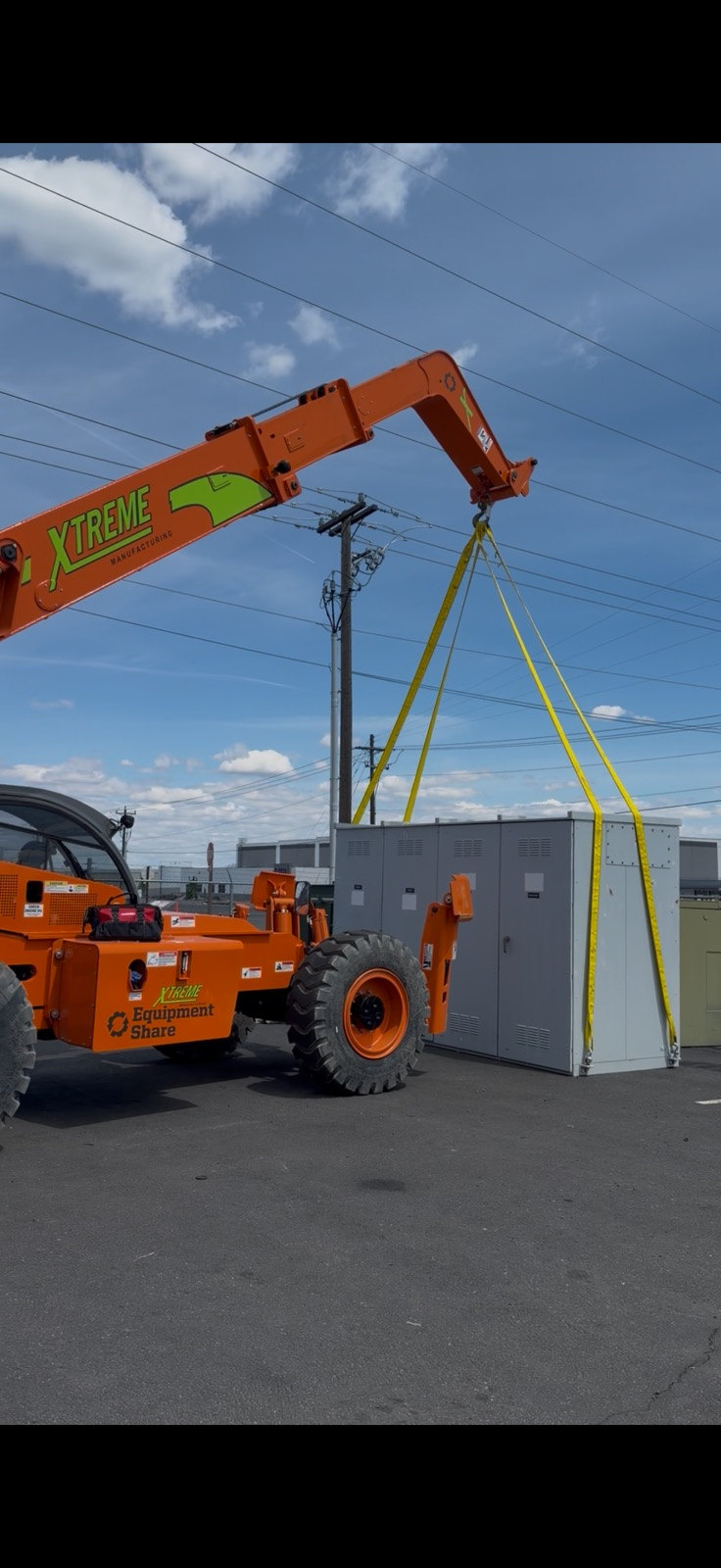
For an agreed purchase, we handle cranes, rigging, disconnects, loading, freight, and hauling. Payment is upfront before pickup. These terms support a straightforward buyer-led pickup arrangement without requiring the seller to arrange those services. The sale still depends on agreement about the equipment and scope; an inventory submission alone does not create a purchase commitment. Confirm the items included and the agreed terms before pickup is arranged.
Prepare a Useful Breaker Inventory Summary
A useful summary can be concise: indicate whether you are offering one breaker or a mixed lot, list known counts, distinguish breaker families where records support the distinction, and identify loose spares separately. Include legible identifiers from existing records or safely visible labels, while marking missing or uncertain details honestly. Note whether counts are final or still being reconciled. This gives a buyer a sound basis to review the proposed scope without suggesting that unknown characteristics have been verified.
Pennsylvania data center owners can use the same approach whether the inventory comes from an active facility’s surplus stock or a decommissioned site. Breakers may be discussed individually or as part of a larger electrical distribution equipment sale, depending on the available equipment and the seller’s preferred scope. We buy only, and a purchase proceeds only when both parties agree. Share the information you already have, compare single-item and lot options on a consistent basis, and coordinate pickup after the equipment and terms are settled.