Decide whether to sell the transfer switch assembly
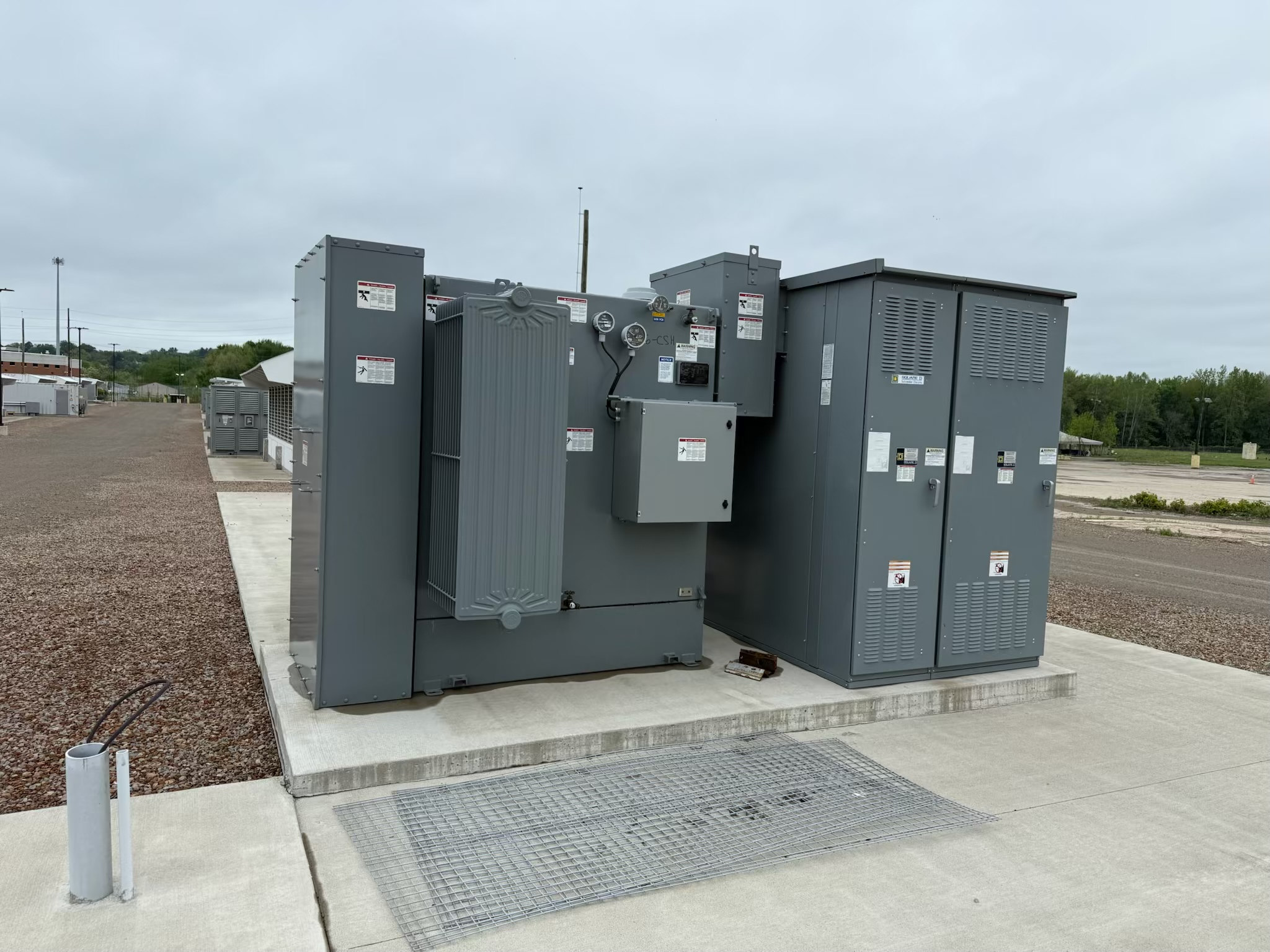
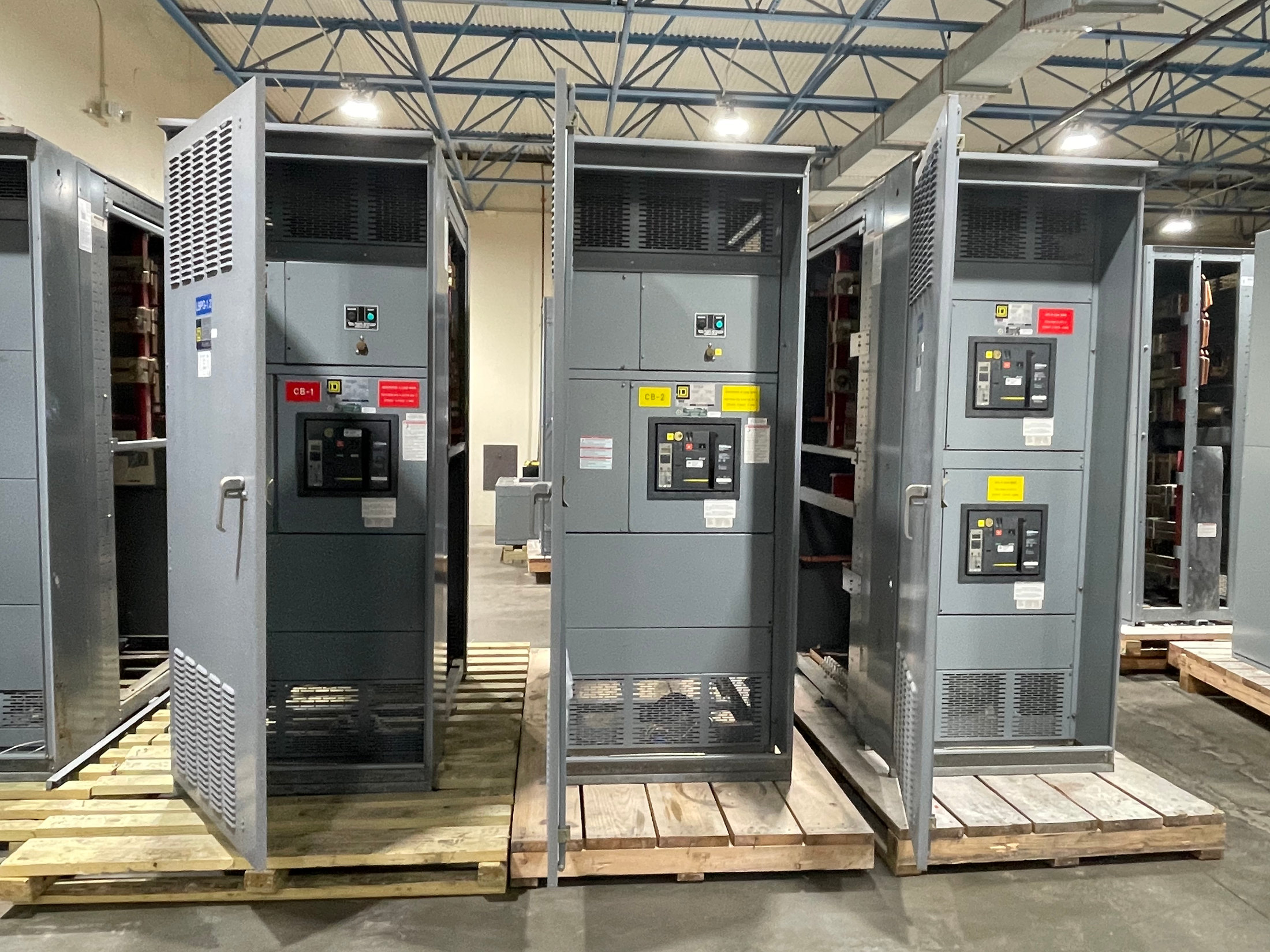
For a Pennsylvania data center, the first resale decision is whether a transfer switch or related control assembly is available for sale as an identifiable asset. Consider what the facility intends to retain, what has been released from service, and whether the equipment can be offered without conflicting with operational, ownership, or project requirements. A buyer can review an available asset description and consider an offer without asking the seller to test or operate the equipment.
We buy used, surplus, and decommissioned electrical distribution equipment, including transfer switches and control assemblies when the equipment and sale terms are suitable. We make cash offers, with payment upfront before pickup. A sale proceeds only if both sides agree; an offer is not assured for every item. The decision can therefore begin with inventory information and release status rather than an equipment demonstration.
Identify what is included in the asset
A transfer switch may be listed as an individual assembly or as part of a broader electrical distribution inventory. Clarify the asset boundary in ordinary business terms: which identified assembly is being offered, whether associated control assemblies are included, and which items remain outside the sale. This distinction helps the buyer evaluate the proposed transaction without assuming that nearby equipment, records, or facility infrastructure are part of the purchase.
Use existing asset records, inventory descriptions, or other information already available to the seller. Names, tags, and descriptions can help distinguish one item from another, but an identifier alone does not establish condition, completeness, or value. Photos and labels are optional and should be shared only when already safely accessible. There is no need to create new access or handle equipment to prepare an initial description.
Establish shutdown release and ownership authority
Before discussing pickup, determine who can authorize the sale and when the asset is released from the data center’s operational or project responsibilities. Shutdown status, removal planning, and sale authorization are separate questions: a unit may be identified for disposition while still subject to a release decision or site coordination. Keeping those decisions clear helps prevent a buyer’s interest from being mistaken for permission to collect an asset.
The seller controls site access and decides when equipment is available for pickup. Share the expected release status and any relevant coordination requirements through the appropriate facility or project contact. A buyer can consider the offer and coordinate logistics around the seller’s authorization; the sale should not be treated as complete until the parties agree on the equipment, terms, payment, and pickup arrangement.
Evaluate an offer without testing
A resale discussion does not require the seller to test, energize, open, or otherwise operate a transfer switch. We do not require seller testing. An offer can be considered from the available inventory description and sale information, including the identified equipment, included assemblies, and known disposition context. The seller can review the proposed terms without arranging an operating demonstration.
An offer reflects the equipment and transaction being presented, and suitability depends on the particular item and the parties’ agreement. It should not be treated as a blanket valuation for every switch or control assembly. If a description leaves the asset boundary or release timing unclear, resolve that business information before accepting terms. This keeps the decision focused on what is being sold and how the transaction will proceed, not on testing the equipment.
Preserve records and useful identification
Retain existing inventory entries and records that help the seller identify the transfer switch, associated control assemblies, and their disposition status. Records may support internal asset control, project closeout, or the seller’s own transaction documentation. Keep the information connected to the item being offered so that the agreed sale scope can be distinguished from equipment that remains in the facility or under another disposition plan.
Share only records the seller is authorized to provide and that are relevant to identifying the offered asset and coordinating its release. Existing labels or photos may supplement a written description when they are already safely accessible; neither is a prerequisite for beginning a conversation. Preserve the seller’s own records through the transaction, including the agreed scope and payment arrangements, without altering equipment or creating new physical access.
Coordinate payment and pickup responsibilities
We make cash offers and provide payment upfront before pickup. The seller and buyer should agree on the equipment included, sale terms, payment arrangement, release authorization, and pickup coordination before collection is scheduled. This sequence gives the seller a clear basis for approving release and avoids treating a preliminary offer or inventory discussion as a completed sale.
We handle cranes, rigging, disconnects, loading, freight, and hauling as part of pickup coordination. The seller retains control of site access and timing, while the parties coordinate collection around the facility’s release requirements. A sale remains subject to agreement and depends on the equipment; clear identification and an agreed pickup plan help each side understand its responsibilities.
Keep the decision specific to the offered equipment
A data center transfer switch resale decision is distinct from a general facility decommissioning decision. The relevant transaction is the identified transfer switch or control assembly being offered, its release for sale, and the terms for payment and pickup. A broader equipment inventory may be useful context, but it does not automatically make every item part of the same sale or establish that a buyer will purchase all listed equipment.
Use the seller’s available records to define the asset, confirm who can authorize its release, and review any cash offer before agreeing to a sale. No testing is needed for the seller to consider an offer. If the parties agree, payment is made upfront before pickup, and we coordinate the listed removal and transportation work. The equipment and agreed terms determine whether a transaction moves forward.