Distribution Center Upgrade Equipment in Cumberland County
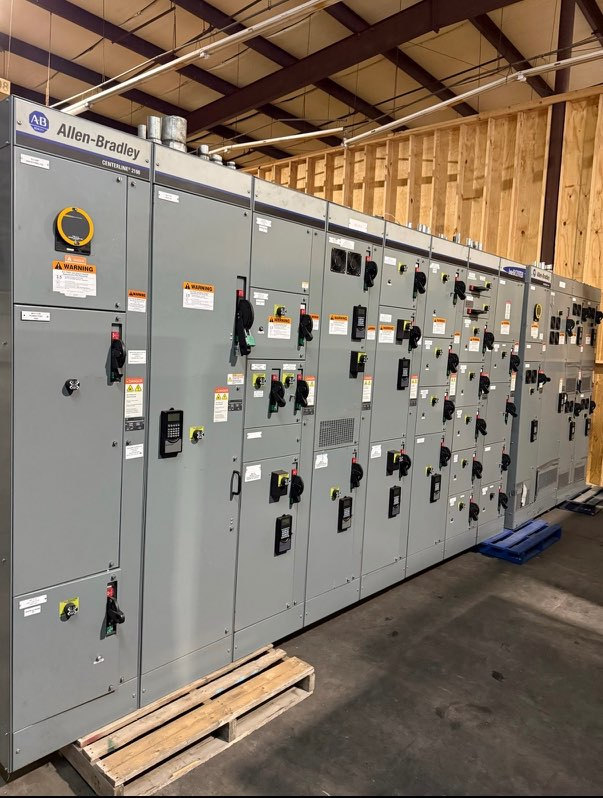
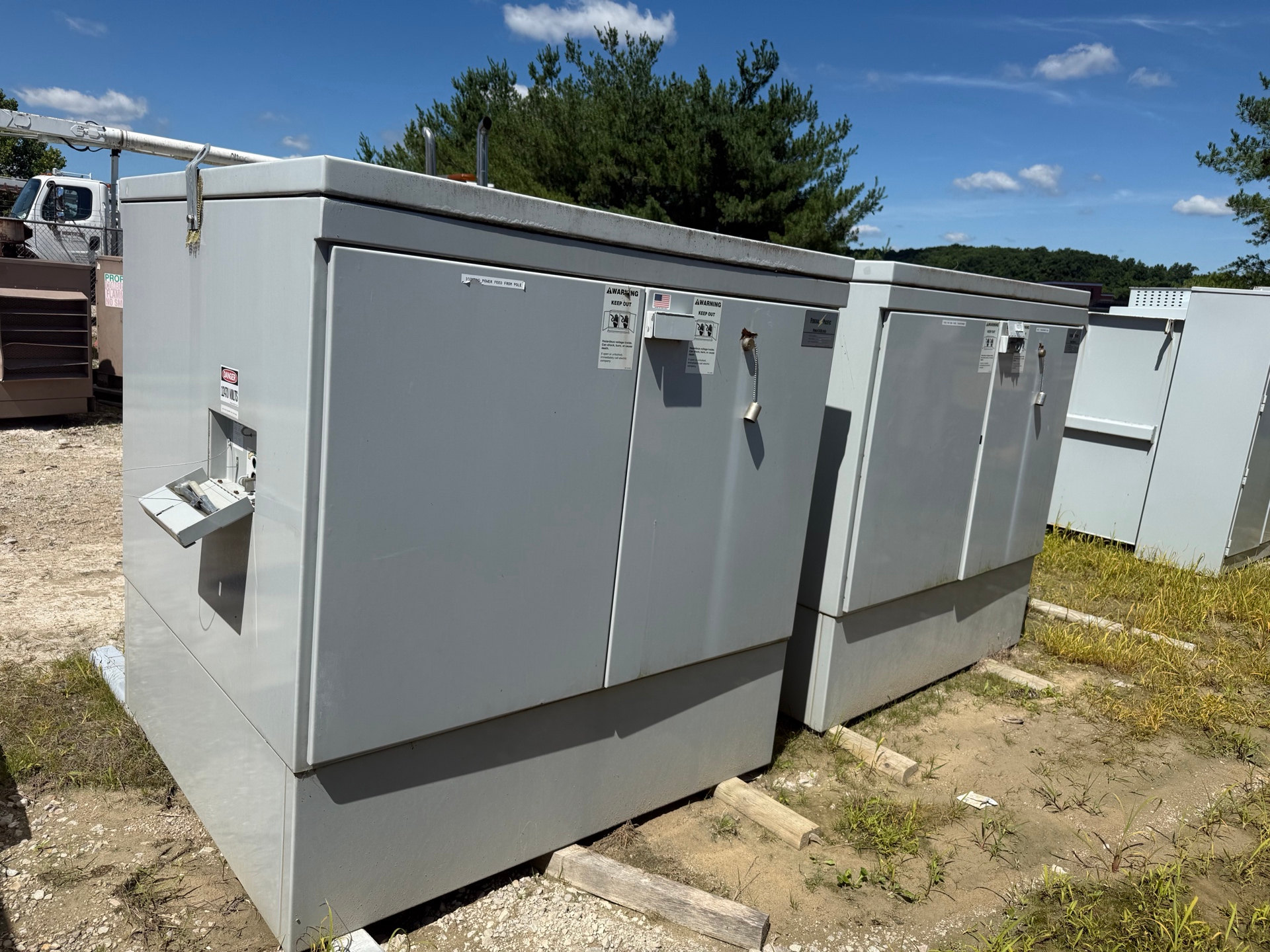
A distribution center power upgrade can leave usable electrical distribution equipment that no longer fits the facility’s operating plan. When considering a sale in Cumberland County, Pennsylvania, identify what is being replaced, what will remain in service, and when the affected equipment can be released. Those details help us assess a potential purchase without treating an upgrade as a standard switchgear transaction. We buy used, surplus and decommissioned electrical distribution equipment, including switchgear from decommissioned data centers and shut-down power plants, across all voltage classes.
The sale may involve one unit removed from a broader upgrade or a mixed lot accumulated across several phases. Each has different coordination needs. A single-item sale can be easier to define, while a mixed lot may require sorting by ownership, disposition status and collection timing. We make cash offers when the equipment and proposed sale are a fit; an offer is not assured for every item or lot.
Separate Retained Equipment from Sale Equipment
Before discussing a sale, establish which equipment is available and which must stay for ongoing operations, future capacity, contingency plans or another project phase. Distribution facilities often have equipment assigned to distinct areas or operating functions. A clear boundary between retained and sale equipment reduces the risk of including an item that the facility still needs or that another party controls. The seller remains responsible for deciding what can be sold and for authorizing access.
For a single item, the discussion can focus on that unit’s identity, condition information already available, ownership and release timing. For a mixed lot, useful context includes how the items are grouped, whether all are approved for sale, and whether any pieces are excluded. Optional photos or labels can help describe equipment only when they are already safely accessible. There is no need to test equipment or create access to obtain information; we do not require seller testing.
Coordinate with Utility and Facility Stakeholders
An upgrade sale may depend on coordination among the facility owner, project representatives, utility contacts and other parties responsible for site access or operating continuity. Clarify who can authorize the sale, who can confirm the equipment is released, and who will coordinate the collection window. Utility coordination may affect when a space or equipment group can be made available, so describe known restrictions and dependencies early rather than proposing a pickup date before the release is established.
A single item may have a narrow release window tied to a specific upgrade milestone. A mixed lot may involve separate areas, phases or approval paths, which can make one collection window impractical. We can discuss the proposed scope and timing with the seller’s authorized contact, but the seller controls access and confirms when equipment may be collected. Planning around utility and facility requirements helps distinguish a purchase discussion from operational decisions that remain with the site and its stakeholders.
Account for Warehouse Traffic and Access Limits
Warehouse traffic restrictions are central to collection planning at an active distribution center. Identify relevant limits on vehicle movement, loading areas, operating hours, pedestrian routes, staging space and access to the equipment. The facility can set the permitted route and access conditions. Sharing those constraints in advance helps determine whether a proposed collection can be coordinated without interfering with warehouse activity or crossing areas the seller has not cleared.
A single item may have a more contained collection footprint, but its dimensions, location and route still affect coordination. A mixed lot can require more staging space, more loading time or movement through multiple controlled areas. We handle cranes, rigging, disconnects, loading, freight and hauling as part of our equipment collection coordination. The owner controls access and any site-specific permissions; our handling responsibilities do not replace the facility’s authority over traffic, entry or operating restrictions.
Compare a Single Item with a Mixed Lot
A single-item sale can be appropriate when one replaced piece is clearly identified, approved for disposition and available within a known collection window. Its scope is usually easier to describe: what is included, where it is located, what information is available and when the seller expects it to be released. A defined scope can also make it simpler to address any site limits that apply to that item’s collection.
A mixed lot can suit an upgrade that produces surplus equipment across several areas or phases, but the lot needs a clear boundary. Distinguish included equipment from retained or excluded equipment, note whether pieces can be collected together, and identify any separate timing or access conditions. We assess the equipment and proposed sale rather than assuming that every item in a group can be purchased. The seller can discuss the lot as a whole or identify a particular item for consideration; the purchase scope depends on agreement about the equipment.
Set a Practical Collection Window
A useful collection window reflects the upgrade schedule, utility coordination, warehouse activity and the seller’s release approval. Share the expected availability range and any known limits, such as restricted operating periods, phased access or a requirement to coordinate with other work. This helps us discuss whether the proposed scope and timing can be matched. Collection timing should be based on an agreed plan, not on an assumed deadline or an unconfirmed release date.
For one item, the window may follow the point when that specific equipment is no longer needed and access is authorized. For a mixed lot, consider whether all equipment will be ready together or whether separate collection periods are required. We can coordinate pickup details with the authorized seller, including freight and hauling, once the purchase and collection scope are agreed. Payment is made upfront before pickup, and the seller should have the sale and collection arrangement established before the equipment is released.
Discuss the Equipment and Sale Terms
To begin a sale discussion, describe the equipment under consideration, its status in the upgrade, whether the scope is a single item or mixed lot, and any retained equipment that must be excluded. Include the location context within the facility and known traffic, utility or collection-window restrictions. Existing records or safely accessible photos and labels are optional ways to clarify identity; testing is not part of the process, and we do not ask the seller to test equipment.
We are buyers, not a service provider arranging a sale on the seller’s behalf. We make cash offers for equipment that fits our buying scope, with terms dependent on the equipment and mutual agreement. Payment is upfront before pickup. We handle cranes, rigging, disconnects, loading, freight and hauling for the agreed collection. With a clearly defined sale scope and realistic coordination details, a Cumberland County distribution center can evaluate whether a single-item sale or a mixed-lot sale better fits its upgrade and warehouse operations.