Retiring Data Hall Distribution Equipment in Lehigh County
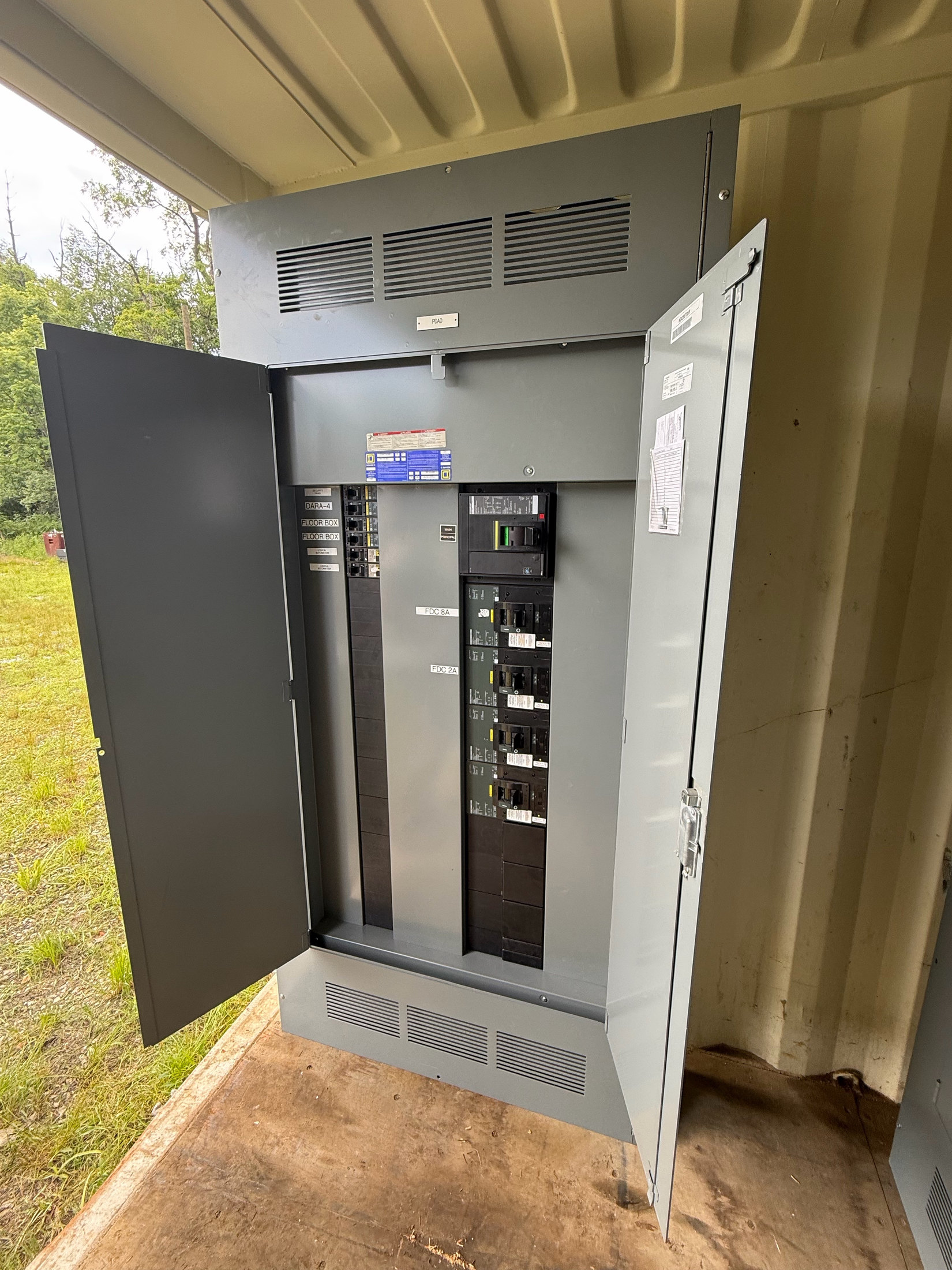
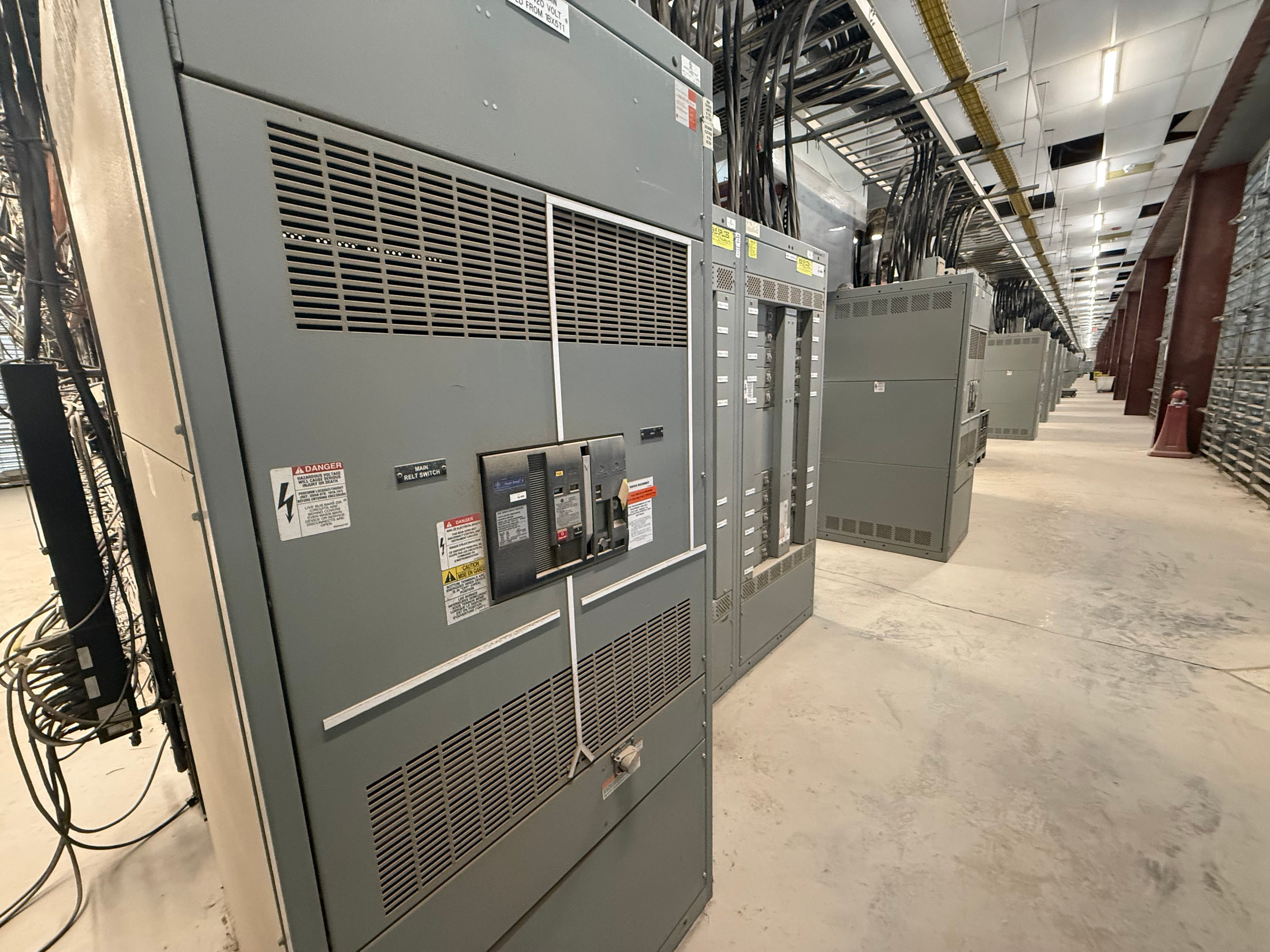
When a data hall is retired or reduced in scope, the sale decision often involves more than identifying surplus electrical equipment. Distribution assets may sit beside equipment that must remain in service, shared access routes, and building systems with continuing operational duties. For a Lehigh County seller, a useful first step is to define the intended sale boundary in relation to the operating boundary: which assets are being offered, which are retained, and where the parties’ responsibilities meet. We buy used, surplus, and decommissioned electrical distribution equipment, including switchgear from decommissioned data centers and shut-down power plants, across all voltage classes. Purchases depend on the equipment and an agreed scope.
An illustrative retirement situation might involve an owner clearing a former data hall while keeping adjacent building areas, electrical rooms, or distribution assets in use. The sale should be described around identifiable equipment and agreed access, not around an assumption that an entire room, lineup, or connected system is available. The owner controls access and decides what information can be shared. A clear scope helps us consider the offered equipment while leaving retained property, operating areas, and owner-controlled boundaries outside the transaction unless separately agreed.
Define the Sale Boundary Before Buyer Coordination
A sale boundary can be recorded in a simple inventory that distinguishes offered assets from retained property. Include practical identifiers such as the equipment’s location, visible label information, and its relationship to nearby equipment, where those details are already safely accessible. Describe shared structures or routes separately so that buyer coordination does not imply permission to enter an operating area or handle property outside the sale. If an asset’s ownership or boundary is uncertain, resolve that question internally before including it in the offered scope.
The boundary matters especially where distribution equipment serves both retired and continuing areas, or where adjacent sections are managed under different operating arrangements. A buyer discussion can address the specific assets presented for consideration; it does not itself establish that connected equipment, supporting property, or neighboring components are included. The seller retains control of the site and access decisions. We can coordinate around the agreed scope, with any required access and work timing arranged with the owner or the owner’s designated site contact.
Build a Useful Busway Inventory
Busway inventory should make the offered material understandable without requiring a seller to open equipment, dismantle it, or conduct a technical inspection. Record what is already known from existing records and safely accessible labels, along with the location and the seller’s distinction between sale items and retained property. When a busway run crosses a planned boundary or sits near assets that remain, describe that relationship in the inventory rather than treating the whole route as one sale item. Existing photographs may be shared if the owner chooses and they are already safely accessible.
Completeness is more useful than unsupported assumptions. The inventory can identify gaps, uncertain ownership, and items whose sale status needs confirmation. Labels and photos are optional; neither should require someone to enter a restricted area or approach equipment unsafely. We do not require seller testing, and a seller should not test, energize, open, disconnect, dismantle, or physically handle equipment for our review. We consider the information provided and the equipment offered, then discuss whether there is a purchase scope both sides can agree to.
Access Rules and Operating Areas
Data hall retirement planning can involve controlled doors, escorted routes, active work areas, and restrictions on when a location is available. The owner sets access rules and determines who may enter, what areas are available, and what coordination is required. Before pickup arrangements are made, identify the approved route and distinguish it from paths that serve retained or operating areas. Buyer coordination should follow those owner-defined limits; it should not depend on informal access assumptions or require the seller to move equipment in preparation.
If access conditions change, update the coordination plan before work proceeds. A designated contact can clarify which areas are included, how access is authorized, and how the agreed pickup scope is kept separate from retained property. Site-specific rules remain with the owner, including rules for personnel, movement, and scheduling. We coordinate our work within the approved scope and access arrangements, while the seller remains in control of the premises and any decisions about continuing operations.
Scope, Purchase Terms, and Payment
After reviewing the available inventory and discussing the sale boundary, we can consider a cash offer for equipment that fits the proposed purchase. An offer is not automatic for every item; it depends on the equipment and on agreement about the assets and scope. The discussion should identify what is being sold and what is staying, particularly where busway and other distribution assets are close to a retained area. If the proposed scope changes, the purchase discussion may need to be revisited so that the agreed transaction matches the equipment actually offered.
For an agreed purchase, payment is made upfront before pickup. We do not require seller testing as a condition of buyer coordination. The seller should not perform testing or other physical preparation for us. These terms allow the owner to plan the retirement around an identified sale scope, while keeping payment and pickup distinct: payment occurs before pickup, and pickup proceeds under the agreed boundaries and access arrangements.
Pickup Planning for Large Distribution Equipment
Once the purchase scope and access conditions are agreed, pickup planning can account for the equipment and the site’s constraints. We handle cranes, rigging, disconnects, loading, freight, and hauling. The owner should identify any limits that affect access or movement and keep retained areas clearly outside the agreed work boundary. Planning can then address the approved route, work area, and coordination with the site contact without asking the seller to undertake disconnects, dismantling, lifting, or loading.
A defined pickup area is particularly useful where a retired data hall shares building space or circulation routes with areas that remain in use. The owner determines access and confirms the permitted work area and timing. We coordinate the handling and transportation tasks within that authorization and the agreed sale scope. No buyer pickup plan should be read as expanding the assets for sale or granting access to areas the owner has not approved.
A Clear Closeout for the Retired Area
A well-defined transaction gives the owner a practical record of which equipment was sold, which property remained, and what access was authorized for pickup. The inventory and scope discussion can support that distinction, especially when a busway route or distribution area sits near operating assets. Keep the final description tied to the agreed equipment rather than broader room labels that could blur ownership or responsibility. If an item was excluded or retained, reflect that clearly in the sale scope and pickup coordination.
For Lehigh County data hall retirement planning, the central task is matching the equipment offered with the boundaries the owner needs to preserve. We consider used, surplus, and decommissioned electrical distribution equipment, including switchgear from decommissioned data centers and shut-down power plants, across all voltage classes. Any purchase remains subject to the equipment and mutual agreement. With cash offers, upfront payment before pickup, no seller testing, and buyer-handled cranes, rigging, disconnects, loading, freight, and hauling, the owner can coordinate a defined sale while retaining control of access and all property outside that scope.