Start With the Equipment Inventory
For a food processing plant electrical asset sale in Lancaster County, begin with an inventory of equipment the owner has identified as surplus, removed from production, or scheduled for decommissioning. Useful inventory details include the equipment type, manufacturer or brand where visible, general condition as known, quantity, and whether the item is installed, staged, or in storage. Include switchgear, motor controls, and other electrical distribution equipment when they fall within the sale scope. The inventory helps distinguish equipment available for sale from assets that remain assigned to production or another facility function.
Keep the first pass practical rather than attempting to document every technical detail. Group similar items where that makes the list easier to review, but identify distinct assemblies separately when their ownership or disposition differs. An item’s presence in a plant does not establish that it is available for sale: the owner should confirm which equipment is surplus and who has authority to include it. A clear inventory supports an equipment-specific review and avoids treating an entire production area as one undifferentiated lot.
Define Ownership and Sale Scope
Food processing facilities may have equipment serving separate lines, utilities, packaging areas, storage areas, or other operations. Set the sale boundary around the electrical assets the owner intends to transfer, and identify any associated equipment that is excluded. This matters when a motor control lineup or distribution assembly serves more than one operational area, or when adjacent equipment has different owners or disposition plans. Buyers can review only the items presented as available; they should not infer that connected or neighboring assets are included.
For each inventory group, note whether the proposed sale covers complete equipment, selected assets, or a defined group of items. If ownership records, internal asset lists, or project documents are available, they can help align the inventory with the owner’s intended scope. The owner remains responsible for determining what may be sold and for controlling access to the equipment. A focused scope is particularly useful when production departments, maintenance teams, facility management, or outside project personnel have different responsibilities for the same area.
Account for Hygiene-Area Access
Where hygiene-area rules apply, access planning should be addressed before any site visit or pickup is arranged. Food production environments can have controlled entry, sanitation expectations, production-related restrictions, and limits on where visitors or contractors may go. The facility owner should explain applicable access requirements and identify the approved route and timing for buyer coordination. These arrangements help keep the equipment review and eventual removal aligned with the site’s operating controls without assuming that every plant uses the same procedures.
Photos and labels can help with an initial inventory review, but they are optional and should be shared only when already safely accessible. No one needs to enter a restricted area, handle equipment, open enclosures, or interrupt production to create sales information. If an item cannot be viewed safely or access is limited, the owner can provide the available description and determine whether an offer review is still appropriate. Any visit or removal remains subject to the owner’s access rules and coordination with the facility.
Coordinate Around Production Schedules
A food processing plant’s production calendar can shape when surplus equipment is available for review and pickup. Identify periods when the relevant area is operating, idle, under planned shutdown, or being cleared as part of a broader project. This gives the buyer and seller a basis for coordinating without treating production dates as automatic availability. Equipment may remain in use, be reserved for contingency service, or await a separate project decision even when it appears on an early surplus list.
Share scheduling constraints early, including any limits on vehicle access, visitor windows, loading areas, or concurrent work in the same space. The owner controls the site schedule and access, while pickup timing must be agreed by both parties. Planning around production can also clarify whether equipment will remain installed until a planned shutdown or be placed in a designated storage area before pickup. The sale discussion should distinguish a target project window from a confirmed pickup arrangement, which depends on agreement about the equipment and logistics.
Review Motor Controls and Distribution Equipment
Motor controls deserve clear inventory descriptions because food processing operations may use them across different production and facility functions. Record the equipment’s visible identification and general location when that information is already available, and separate items by the owner’s intended sale scope. Do not assume that a control assembly is surplus merely because a line has changed, or that all controls in one area belong to the same project. Ownership and operating responsibilities should guide what is offered for review.
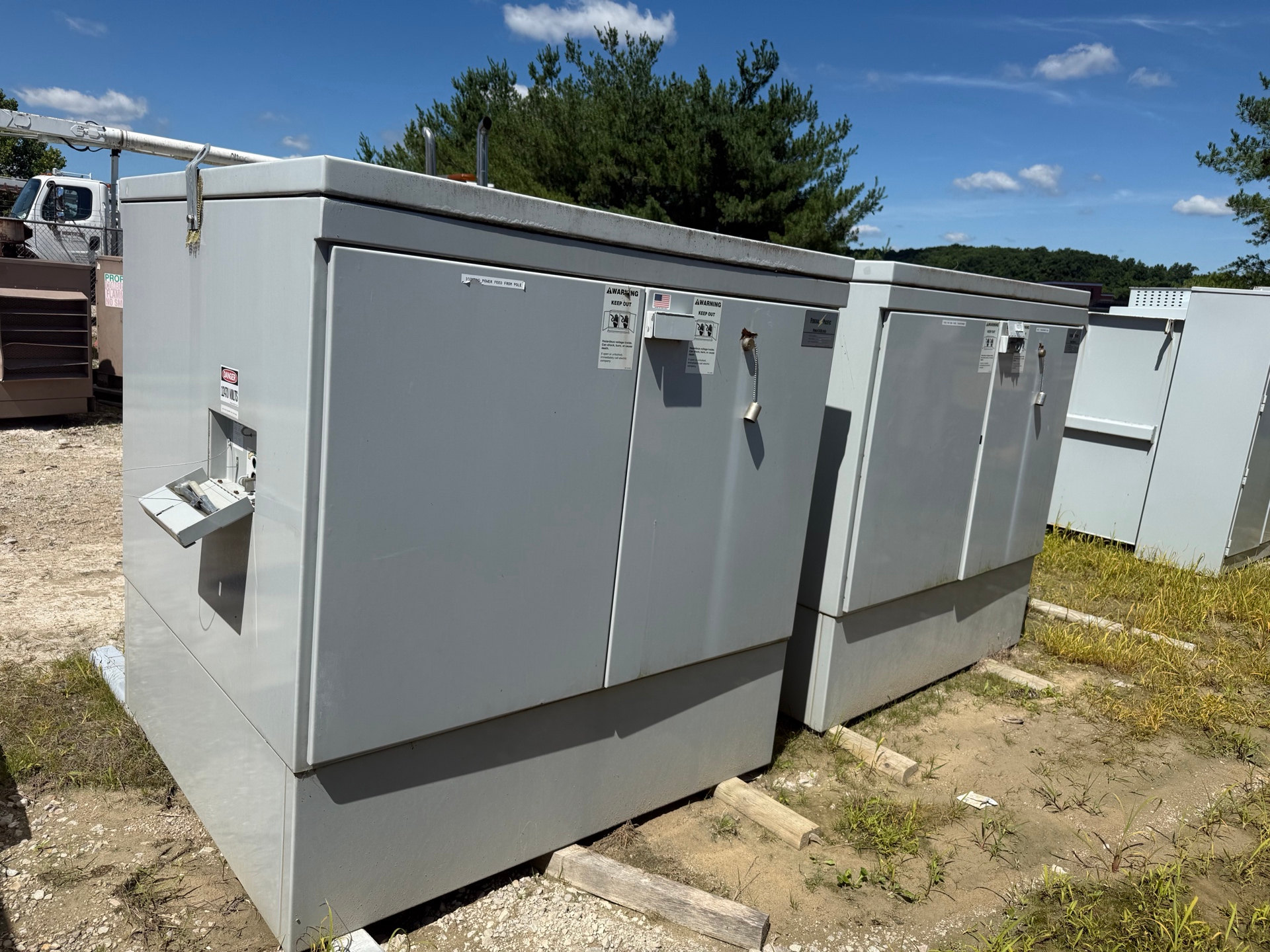
The same inventory-first approach applies to switchgear and other electrical distribution equipment. We buy switchgear from decommissioned data centers and shut-down power plants across all voltage classes, and we consider equipment from other settings based on the specific items and sale circumstances. A food processing facility’s equipment is reviewed on its own merits; no particular model, configuration, condition, or resale outcome should be presumed. The seller does not need to test equipment for us. Available descriptions and safely accessible information can support a review without energizing, opening, or physically handling the assets for sales purposes.
Compare Storage With an Offer
Keeping surplus electrical equipment in storage can preserve it for a later decision, but storage also leaves the owner responsible for space, access, organization, and ongoing asset tracking. Compare that continuing responsibility with the possibility of a cash offer for equipment that is genuinely available for sale. The comparison should use the actual inventory and the owner’s plans, not a general assumption that storage is always costly or that every listed item will receive an offer. Some assets may be worth retaining for operational reasons, while others may fit a sale.
A sale review gives the owner a way to consider whether selected equipment should remain in storage or be transferred under agreed terms. We buy only; we do not sell replacement equipment or arrange an exchange. Offers depend on the equipment and the circumstances, and an offer is not promised for every item. If the owner accepts an offer, payment is made upfront before pickup. This gives the seller a defined payment point before removal while leaving the decision to proceed with the owner.
Plan Pickup and Buyer Coordination
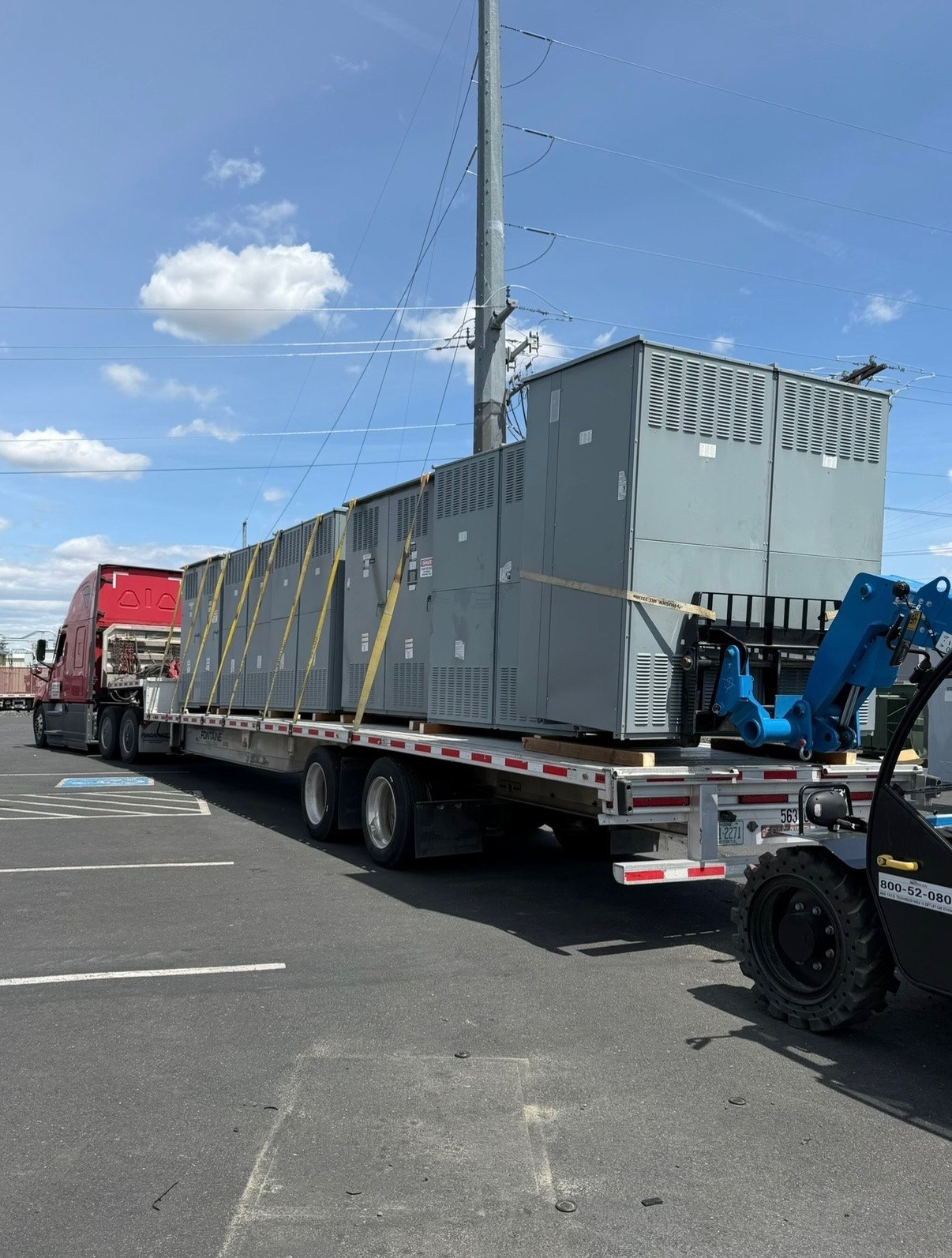
When a sale is agreed, we handle cranes, rigging, disconnects, loading, freight, and hauling. The seller should not perform electrical testing or prepare equipment for removal on our behalf. Pickup planning is coordinated with the owner, who controls access and identifies applicable site requirements, including hygiene-area rules and production-related restrictions. The specific removal plan depends on the equipment, its location, the agreed scope, and workable site coordination.
For an inventory-based sale, confirm which accepted items are included and how their locations relate to the facility’s access and scheduling plan. Keep excluded or retained equipment clearly outside the agreed scope. Coordination should also account for other work occurring in the area so the parties can set a suitable pickup arrangement without presuming an exact date in advance. This approach connects the initial inventory to the final transfer: the seller identifies the available assets, reviews any applicable offer, and agrees on scope and logistics before pickup proceeds.