Decide Whether to Store or Request an Offer
For a retired power generation site in Beaver County, Pennsylvania, compare the cost and coordination of storing electrical equipment with the possibility of a cash offer before committing space, labor, or project time. Storage may suit equipment the owner expects to reuse or retain for another purpose. A sale may be worth considering when the owner has identified surplus distribution gear and is ready to release it. Any offer depends on the equipment, its condition, completeness, and the scope of the proposed sale; not every item is a purchase candidate.
Start by separating equipment that belongs to the generation process from equipment used to distribute electrical power. Generation assets may be central to a plant’s production function, while switchgear and other distribution equipment may serve a distinct role in managing electrical distribution. The distinction matters during retirement because a demolition boundary may encompass one group but exclude another. A clear inventory helps the owner compare what should remain in service, what should be stored, and what may be available for sale without treating the entire site as one undifferentiated lot.
Define the Demolition Boundary Before Discussing Equipment
A demolition boundary sets the practical limits of a potential equipment sale. Identify which areas or equipment groups are expected to remain, which are scheduled for demolition, and which are being evaluated for removal and sale. This distinction helps avoid confusion between equipment included in a building or plant retirement and assets the owner still needs to retain, transfer, or manage separately. The owner’s project team remains responsible for determining the boundary and controlling access to the site.
For a generation-site retirement, the boundary should be discussed in relation to both the plant’s generation assets and its electrical distribution gear. Equipment located near generation assets is not automatically part of the generation scope, and distribution equipment should not be presumed available simply because surrounding operations are ending. Describe the groups being considered and any known exclusions at an inventory level. That gives a buyer a more useful basis to review the proposed sale while preserving the owner’s control over project scope and release decisions.
Separate Generation Assets From Distribution Gear
An equipment inventory is more useful when it distinguishes equipment by function and ownership rather than relying only on its location. Identify the distribution gear being considered for sale separately from generation assets, auxiliary equipment, building contents, and items assigned to other contractors or project scopes. At a power generation site, this separation can help keep a distribution-equipment sale from being confused with a broader plant-asset transaction. The buyer’s review is limited to the equipment the owner actually presents for consideration.
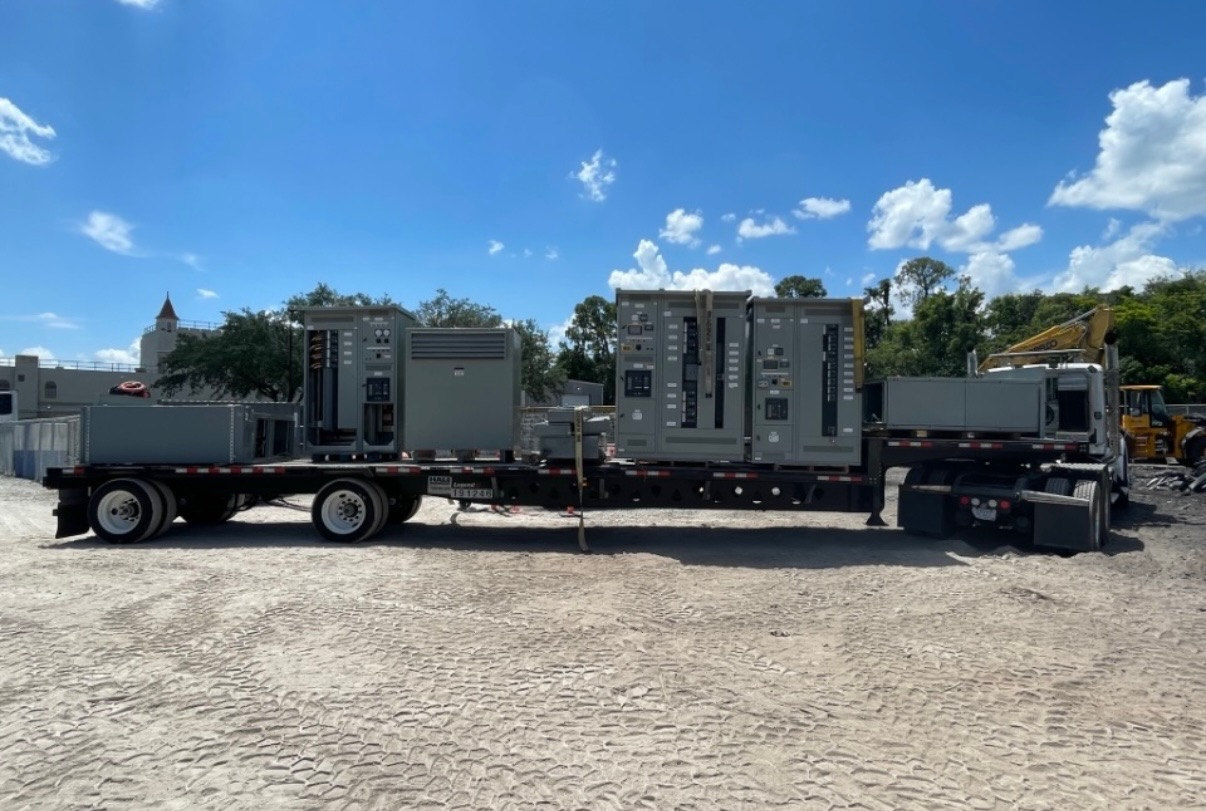
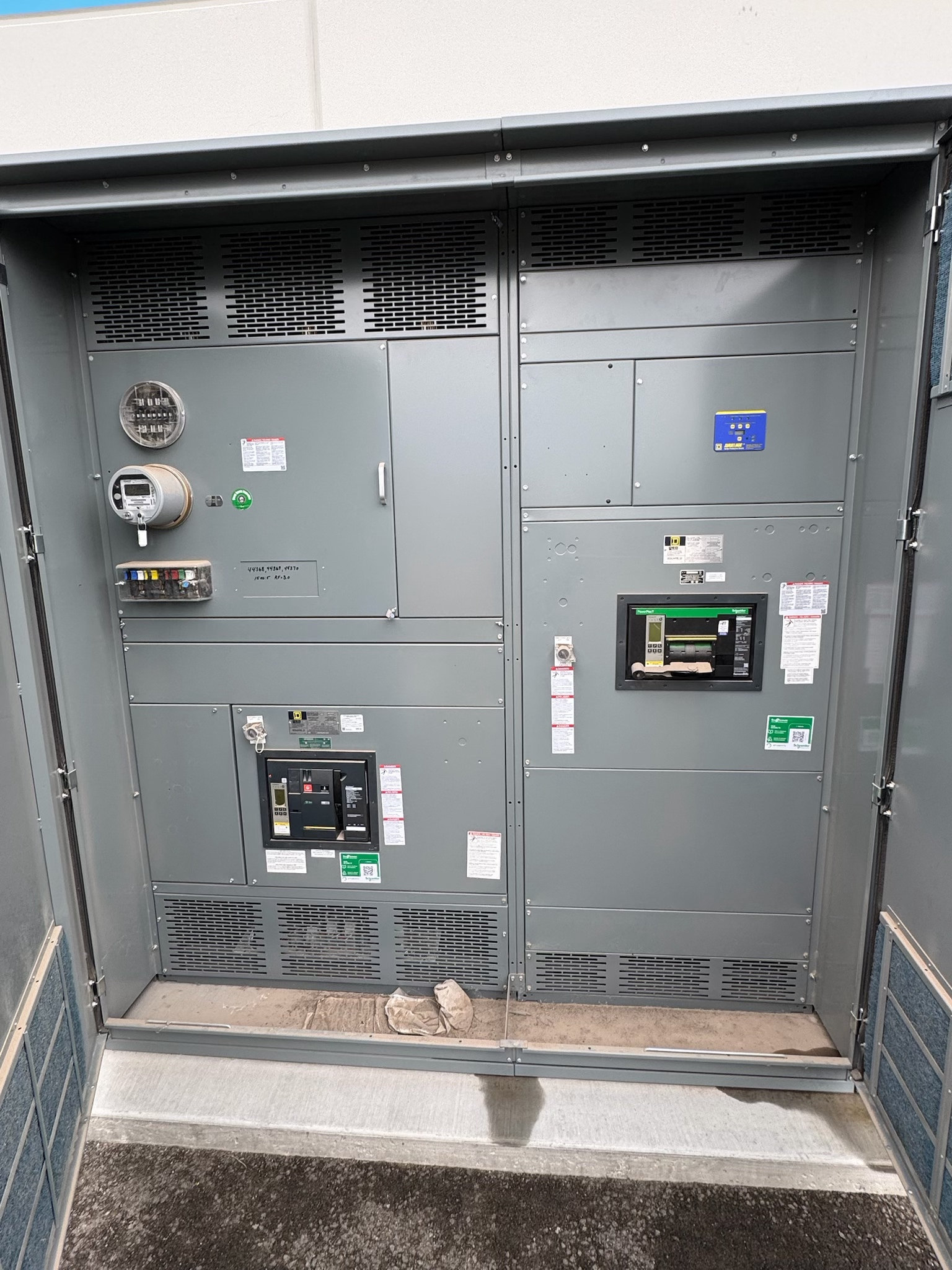
Switchgear is one category of distribution equipment that may be considered for purchase when it is surplus, decommissioned, and available for release. We buy switchgear from decommissioned data centers and shut-down power plants, across all voltage classes. That does not make every piece of site equipment suitable for an offer; purchase depends on the equipment and the proposed scope. Keep generation equipment and other retained assets outside the sale discussion unless the owner has expressly decided to include them and is prepared to release them.
Prepare an Inventory for a Useful Review
A concise inventory can describe equipment categories, approximate quantities, location within the owner-defined scope, and whether items are being considered individually or as a group. Include known context about completeness or associated components when available from existing records. Clear descriptions reduce the risk of discussing a broad demolition package when the owner is actually considering only selected distribution gear. They also help identify questions about boundaries and staging before collection is coordinated.
Photos and equipment labels are optional. Share them only when already safely accessible and consistent with the owner’s site-access controls. There is no need to test, energize, open, disconnect, dismantle, or physically handle equipment to request a review. No seller testing is required. Owners control access to the site and decide what information can be provided; a buyer’s discussion should not displace the site’s own access, safety, or project-control arrangements.
Confirm Owner Release and Project Authority
Before moving toward a sale, establish that the person coordinating the equipment has authority to offer it and that the owner can release it from the relevant project scope. A retirement project may involve separate responsibilities for operations, asset management, demolition, contractors, or other stakeholders. Resolve ownership and release questions through the owner’s own process before identifying equipment as available. This protects the distinction between a possible buyer discussion and a completed decision to dispose of an asset.
Release should also account for the demolition boundary and any planned retention or transfer. If equipment is still required, subject to another party’s rights, or excluded from the sale scope, keep it out of the proposed collection group. When the owner has defined the available equipment, its condition, and the intended scope, we can consider whether to make a cash offer. Offers are not automatic, and the owner can compare an offer with the costs and practical requirements of continuing to store the equipment.
Compare Storage With Sale Terms
Storage preserves the owner’s options but requires a decision about space, handling responsibility, and how long equipment should remain in the project’s custody. A sale can convert available surplus equipment into a cash offer, subject to agreement on the equipment and scope. Compare the two choices using the owner’s actual project needs: whether the gear is intended for reuse, whether it lies inside the retirement boundary, and whether retaining it has a defined purpose. Avoid treating an unreviewed inventory as a guaranteed sale or assigning value before an offer is made.
For an agreed purchase, payment is upfront before pickup. The owner should understand and accept the agreed sale terms before collection begins. This timing allows the release and payment decision to be addressed before equipment leaves the site. It also gives the project team a clear point to coordinate a collection window around demolition sequencing, retained assets, access limits, and other work. The sale remains contingent on agreement; a request for review does not itself commit either party to a transaction.
Coordinate Staged Collection Around Site Work
When equipment is spread across a retirement scope or cannot be collected all at once, staged collection may help align removal with the project’s sequencing. First define which equipment is included in each agreed group and how those groups relate to the demolition boundary. Then coordinate the timing with the owner’s site controls and project schedule. Staging should not blur the difference between available distribution gear and generation assets or other equipment that must remain in place.
We handle cranes, rigging, disconnects, loading, freight, and hauling for equipment we purchase. Collection planning can be coordinated around the agreed equipment and the owner’s access requirements, without requiring the seller to test or prepare equipment through physical handling. The owner controls site access and determines when collection may occur. Clear scope, release authority, and staging coordination let the seller assess storage against an agreed cash offer while keeping retirement work organized and the sale limited to equipment the owner has authorized for release.