Replacement Starts With an Ownership Split
A warehouse distribution replacement can involve equipment owned by the property owner, equipment installed by a tenant, and components serving both parties. Before considering a sale, establish which assets are actually available. A tenant may have paid for a switchboard or related distribution equipment without owning every part of the installation; a landlord may retain building electrical infrastructure even where a tenant funded upgrades. Lease terms, purchase records, asset schedules, and project documents can help the parties distinguish sale property from retained property.
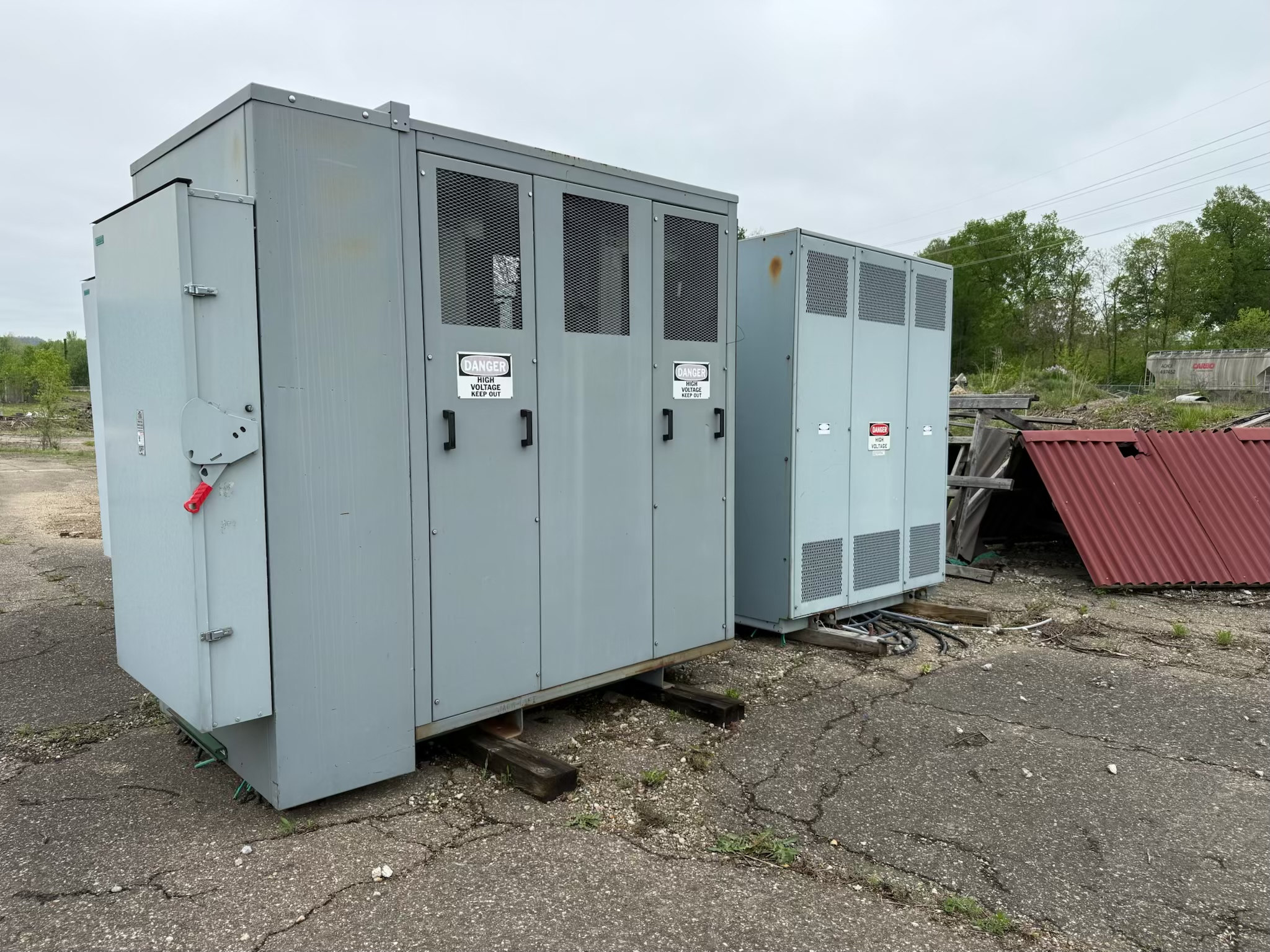
We buy used, surplus, and decommissioned electrical distribution equipment, including switchgear from decommissioned data centers and shut-down power plants, across all voltage classes. A warehouse replacement may present a narrower group of surplus assets or a broader lot, depending on ownership and the agreed scope. The sale must exclude anything the seller is not authorized to transfer, along with equipment the owner needs to retain for other spaces or ongoing building service.
Define the Sale Lot Before Discussing the Broader Property
The subject lot might be a replaced switchboard and associated distribution equipment identified for removal, while the broader property includes retained electrical infrastructure, tenant improvements, and equipment serving other areas. Treating those as one undivided lot can create confusion about what is offered. A clear scope identifies the equipment proposed for sale by its existing labels or inventory descriptions where available, and separates it from retained property without assuming that nearby components belong with it.
A replacement project can also produce more than one potential sale group. Some equipment may be surplus, some may remain in service, and some may belong to a different owner or tenant. Those categories should stay distinct during buyer discussions. We consider the equipment offered as presented and may make a cash offer when the equipment and sale terms support one; not every item will receive an offer. Any purchase depends on agreement about the actual assets and the conditions for pickup.
Build a Switchboard Inventory Around Ownership
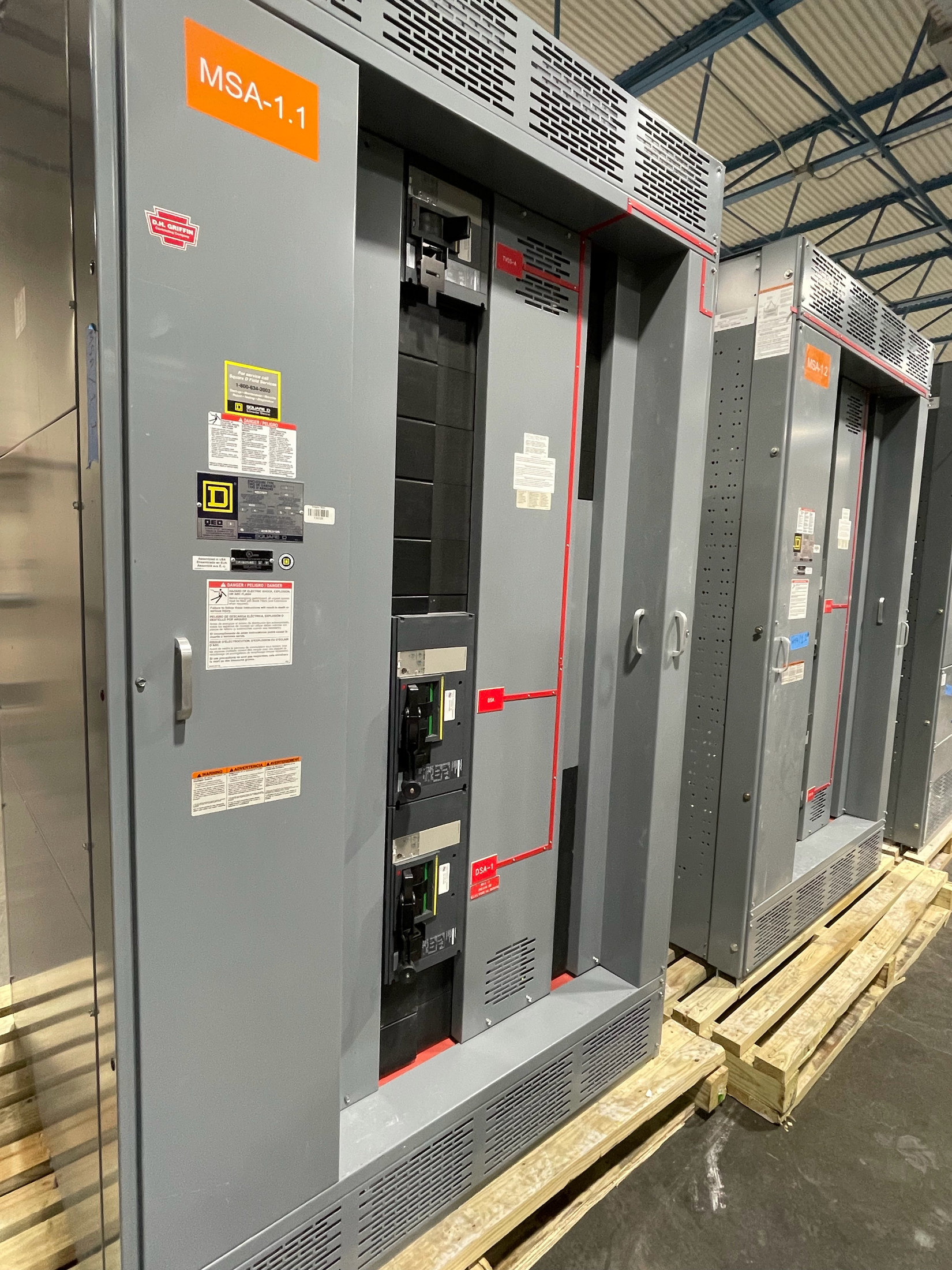
An inventory is most useful when it records both identity and ownership status. Describe the switchboards or other distribution equipment included in the proposed sale, note labels or identifiers already available, and indicate whether each item is tenant-owned, landlord-owned, jointly controlled, or still subject to confirmation. If a label is safely accessible, an existing photograph may help clarify the item. Photos and labels are optional; no one should enter restricted areas, open equipment, or handle anything to create an inventory for us.
Keep connected or adjacent property visible in the scope discussion even when it is not for sale. For example, distinguish the equipment being replaced from distribution equipment intended to remain, and identify any items whose ownership is unresolved. A written boundary between included assets and excluded property is more useful than a broad statement that an entire electrical room is available. The seller remains responsible for confirming authority to sell, while we evaluate the proposed equipment and negotiate only the assets both parties agree to include.
Coordinate Around Warehouse Operating Schedules
Warehouse schedules can affect when a seller can release equipment and when pickup access is practical. Share the relevant operating windows, site access requirements, and any restrictions on coordinating work around tenant activity before agreeing to a pickup plan. If a tenant and landlord each control part of the access or release process, their coordination should be settled before the sale proceeds. This avoids treating a buyer’s equipment pickup as permission to enter areas or interfere with operations beyond the agreed arrangement.
A replacement schedule does not itself establish that equipment is ready for transfer. The seller should identify when the sale assets will be available and who can authorize access at that time. We do not require seller testing, and the seller should not energize, open, disconnect, dismantle, or physically handle equipment for our evaluation. Any access must remain under the owner’s control. Timing, scope, and pickup arrangements are subject to mutual agreement and the condition of the equipment offered.
Plan Loading Access Without Expanding the Sale Scope
Loading access should be discussed for the specific sale assets, not treated as authorization to remove surrounding property. Clarify where buyer-coordinated work may occur, which areas remain off limits, and how the agreed pickup can take place within the site’s operating arrangements. The owner controls access and determines what areas may be entered. If a landlord, tenant, or another party controls a relevant area, that party’s authorization must be addressed before access is arranged.
For an agreed purchase, we handle cranes, rigging, disconnects, loading, freight, and hauling. Those responsibilities do not change the ownership boundary or include equipment outside the agreed lot. The seller does not need to perform physical handling or prepare equipment for us. Pickup planning should match the assets actually sold and the access the owner authorizes, with any necessary coordination among property and equipment owners completed before the scheduled work.
Agree on Payment and Pickup Terms
We make cash offers for equipment we are prepared to buy, with payment upfront before pickup. The sale moves forward only if the seller accepts the offer and both sides agree on the assets and transaction terms. A proposed lot may be narrowed, revised, or declined based on the equipment and circumstances; an inventory is a basis for discussion, not a guarantee that every listed item will receive an offer.
Payment timing matters when coordinating a tenant move, landlord release, or replacement project. The seller should ensure the party authorized to accept payment and transfer the equipment is identified before pickup arrangements are finalized. Payment is made upfront before pickup, rather than after loading or later processing. The agreed scope should remain consistent across the sale discussion, payment, access authorization, and pickup so retained property is not confused with the purchased lot.
Keep Replacement Decisions and Sale Decisions Distinct
A replacement project determines what the facility plans to retain, remove, or replace; it does not by itself determine what can be sold. Ownership, authority, operating needs, and the agreed sale boundary determine which equipment may be offered. Keeping these decisions separate is particularly useful where a tenant’s distribution equipment sits within landlord-controlled space or where a broader property lot includes assets beyond the replacement scope.
For a Berks County warehouse sale, the practical starting point is a defined inventory, a documented tenant-versus-landlord distinction, and a realistic account of operating and loading access. We can consider the surplus or decommissioned distribution equipment identified for sale, make a cash offer when appropriate, and coordinate the agreed pickup work. The result depends on the equipment and mutual agreement; no sale should include retained property or assets the seller lacks authority to transfer.