Decide What the Warehouse Sale Includes
Before discussing an industrial switchgear warehouse inventory sale in Erie County, Pennsylvania, establish who owns the equipment and which items are authorized for sale. A warehouse may contain property owned by one company, multiple departments, a contractor, a lessor, or another party. The person arranging a sale should be able to identify the owner or authorized representative and define the inventory that may be offered. This helps distinguish saleable switchgear from equipment being stored, reserved, leased, or held for another purpose.
We buy used, surplus, and decommissioned electrical distribution equipment, including switchgear from decommissioned data centers and shut-down power plants, across all voltage classes. We buy only; we do not sell equipment. A cash offer depends on the equipment and the information available, and we do not promise an offer for every item. Start by describing the proposed group and its ownership, rather than assuming every piece in a warehouse belongs in one transaction.
Define the Inventory and Its Boundaries
A useful inventory description identifies the equipment being offered and separates it from nearby property that is out of scope. For switchgear, note available identifying information such as manufacturer, equipment type, section or lineup descriptions, and nameplate details when those records or details are already safely accessible. These are optional ways to describe the inventory, not a requirement to inspect equipment. Photos and labels are also optional and should be shared only when already safely accessible to the owner or representative.
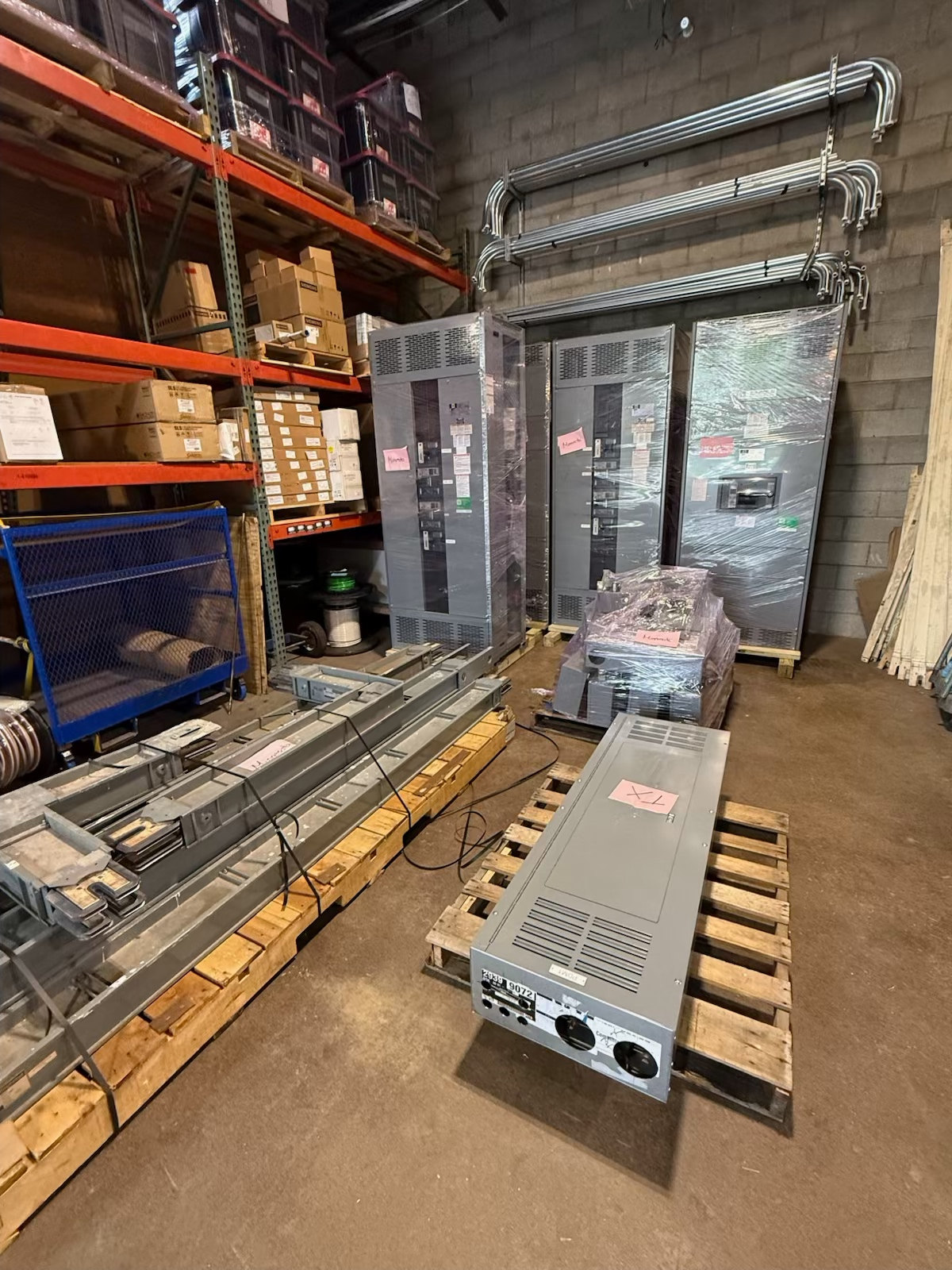
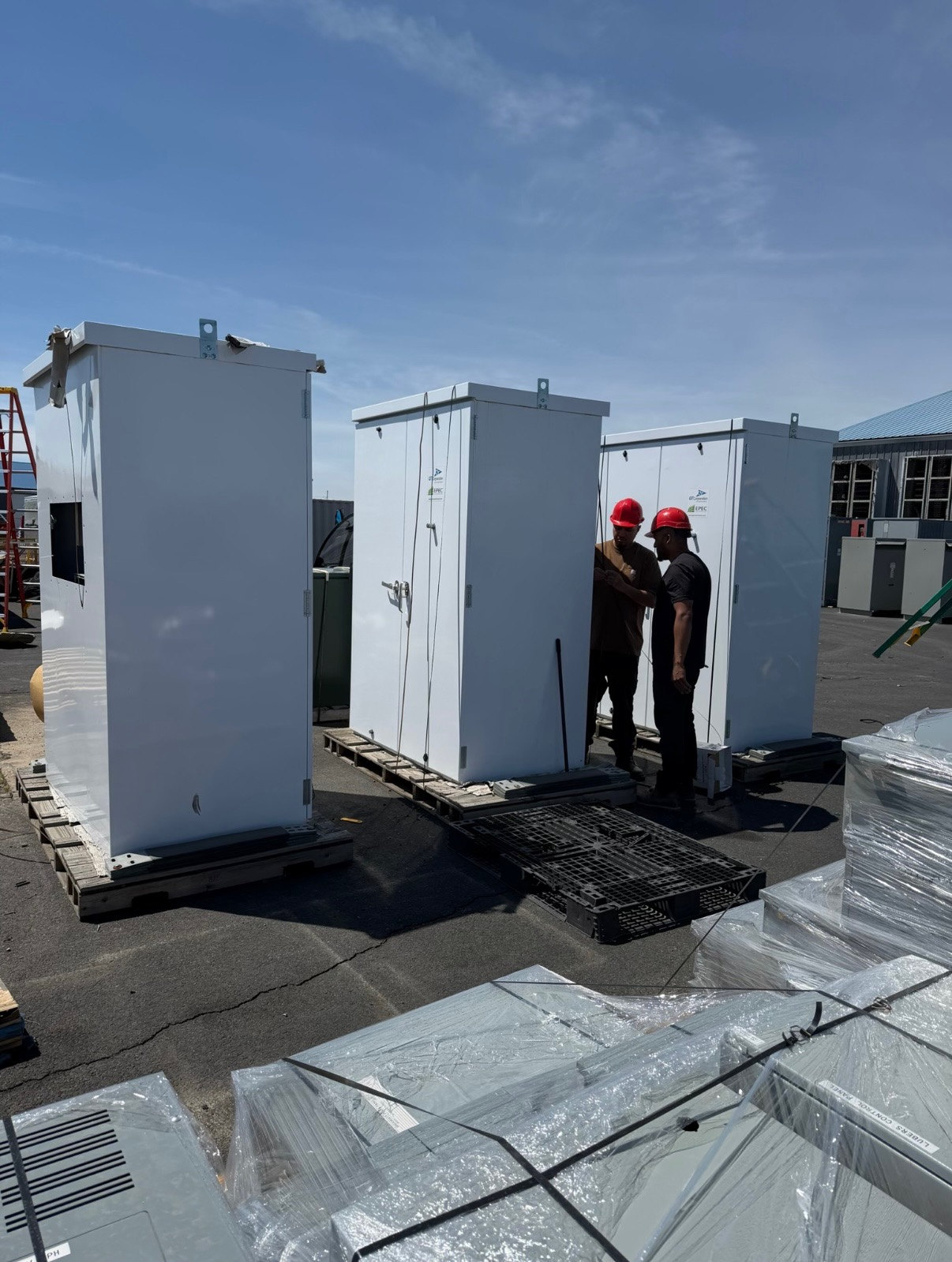
Mixed warehouse quantities can include complete lineups, individual sections, spare components, crated equipment, and uncrated equipment. Describe each category separately where practical, including approximate counts and whether items are grouped together or dispersed among other inventory. If quantities are uncertain, say so. A clear distinction between included, excluded, and unconfirmed items reduces confusion when the proposed sale is reviewed and helps keep the offer tied to the actual scope rather than to an assumed warehouse total.
Describe Crated and Uncrated Gear
Crated switchgear and uncrated switchgear call for different descriptions. For crated items, share any existing crate labels, packing records, or inventory references that identify the contents, if available. State whether the records tie a crate to a particular lineup or equipment group, and flag any uncertainty. Do not open crates, move them, or disturb packing to answer a buyer’s questions. The owner controls access and decides what information can be shared from existing records.
For uncrated items, describe what is visibly identifiable from a safe, accessible position and whether the equipment is grouped or stored with other property. If a label or identifying detail cannot be read without handling or changing access, leave it for later rather than trying to obtain it. We do not require seller testing, energizing, opening, dismantling, or physical handling to initiate a discussion. A description based on existing information is preferable to a seller undertaking work to produce details.
Use Historical Records to Clarify Scope
Historical records can help connect warehouse inventory to its ownership and original grouping. Existing purchase documents, asset lists, packing records, prior inventory schedules, or decommissioning records may identify quantities, equipment descriptions, and which organization controls the property. Share only records relevant to the proposed sale, and note when a document is incomplete, outdated, or does not clearly match the items now in storage. Records inform the discussion; they do not establish that every listed item remains present or available for sale.
When equipment has been moved, consolidated, or stored over time, differences between old paperwork and current visible inventory are worth identifying early. Explain which quantities are supported by current records and which are estimates. If records describe a larger installation than the warehouse group being offered, define the smaller sale boundary. This is particularly useful when a seller has responsibility for multiple owners’ property or when some equipment is retained for future use. A bounded, candid inventory description makes the proposed transaction easier to evaluate without requiring a physical inspection by the seller.
Coordinate a Mixed-Quantity Offer
An offer can be discussed for a defined group of equipment, but the amount and whether an offer is available depend on the items and the information provided. Mixed quantities should not be treated as interchangeable: crated gear, uncrated sections, separately stored components, and uncertain counts may warrant distinct descriptions. Identify which categories are included and whether the seller is proposing the whole group or only selected items. If ownership or authority differs between categories, explain that before the inventory is considered together.
We make cash offers for equipment we are prepared to buy. If the parties reach agreement, payment is made upfront before pickup. The transaction depends on agreement about the equipment being sold and the scope of the sale; an inventory description does not guarantee that every listed item will receive an offer. Be clear about any items that may be withdrawn from the proposed group or require separate authorization. This keeps the agreed sale, payment, and pickup scope aligned.
Plan Loading Around Site Access
Loading arrangements should be discussed in relation to the agreed equipment and the owner’s access conditions. Share relevant information already known about the warehouse location of the inventory, access windows set by the owner, and any site rules that affect coordination. The owner or authorized representative controls access and establishes what areas may be entered. Do not move equipment, alter crates, clear paths, operate machinery, or prepare items physically for a buyer discussion.
We handle cranes, rigging, disconnects, loading, freight, and hauling for an agreed purchase. These responsibilities are coordinated as part of pickup rather than assigned to the seller as a preparation task. Before pickup, the parties should have a clear understanding of what equipment is included and how access will be arranged under the owner’s control. If the warehouse inventory is spread across areas or includes both crated and uncrated gear, identify that in advance so coordination reflects the agreed scope.
Keep the Sale Record Clear
A practical sale record ties the owner’s authorization, the inventory description, the agreed equipment, payment, and pickup coordination together. Keep the description specific enough to distinguish the sale group from adjacent warehouse property, especially when records use older naming conventions or when quantities are mixed. If the final scope differs from an earlier estimate, clarify the change before proceeding. This is more useful than relying on a general statement that all switchgear in a storage area is included.
For an Erie County warehouse inventory sale, the central decisions are who may sell the equipment, exactly which crated and uncrated items are in scope, what existing records support their description, and how pickup access will be coordinated. We buy only, and any cash offer depends on the equipment and agreement between the parties. Payment is upfront before pickup, and we handle the listed pickup logistics. No seller testing is required; owners retain control of access and need not perform physical preparation to begin a sale discussion.