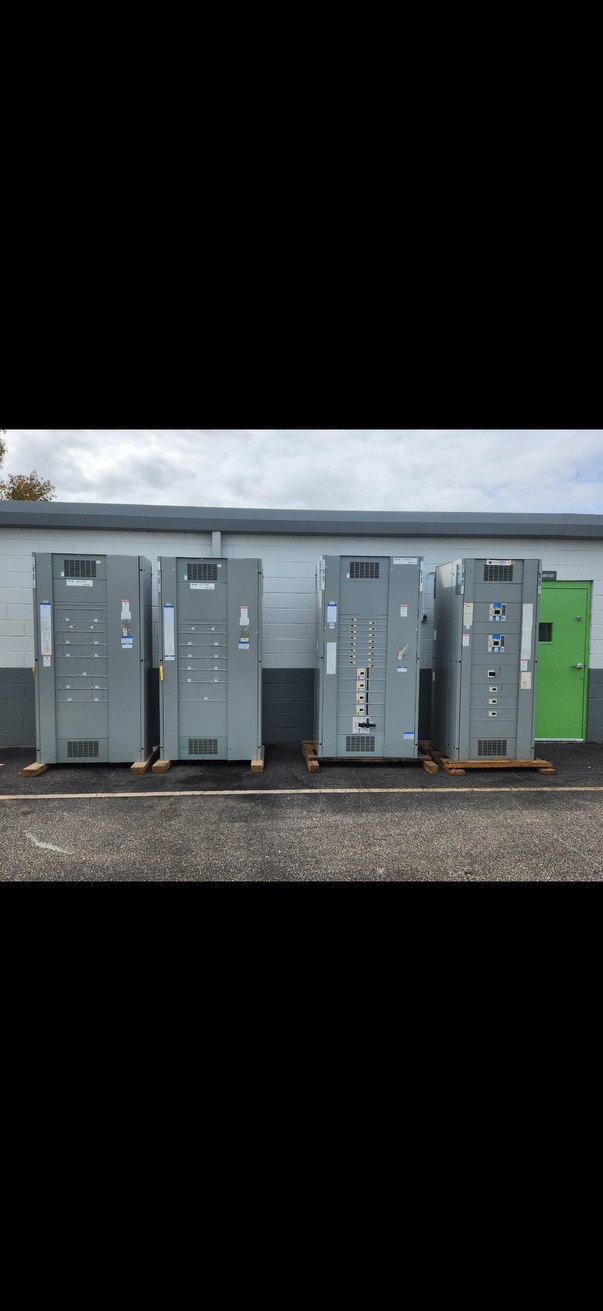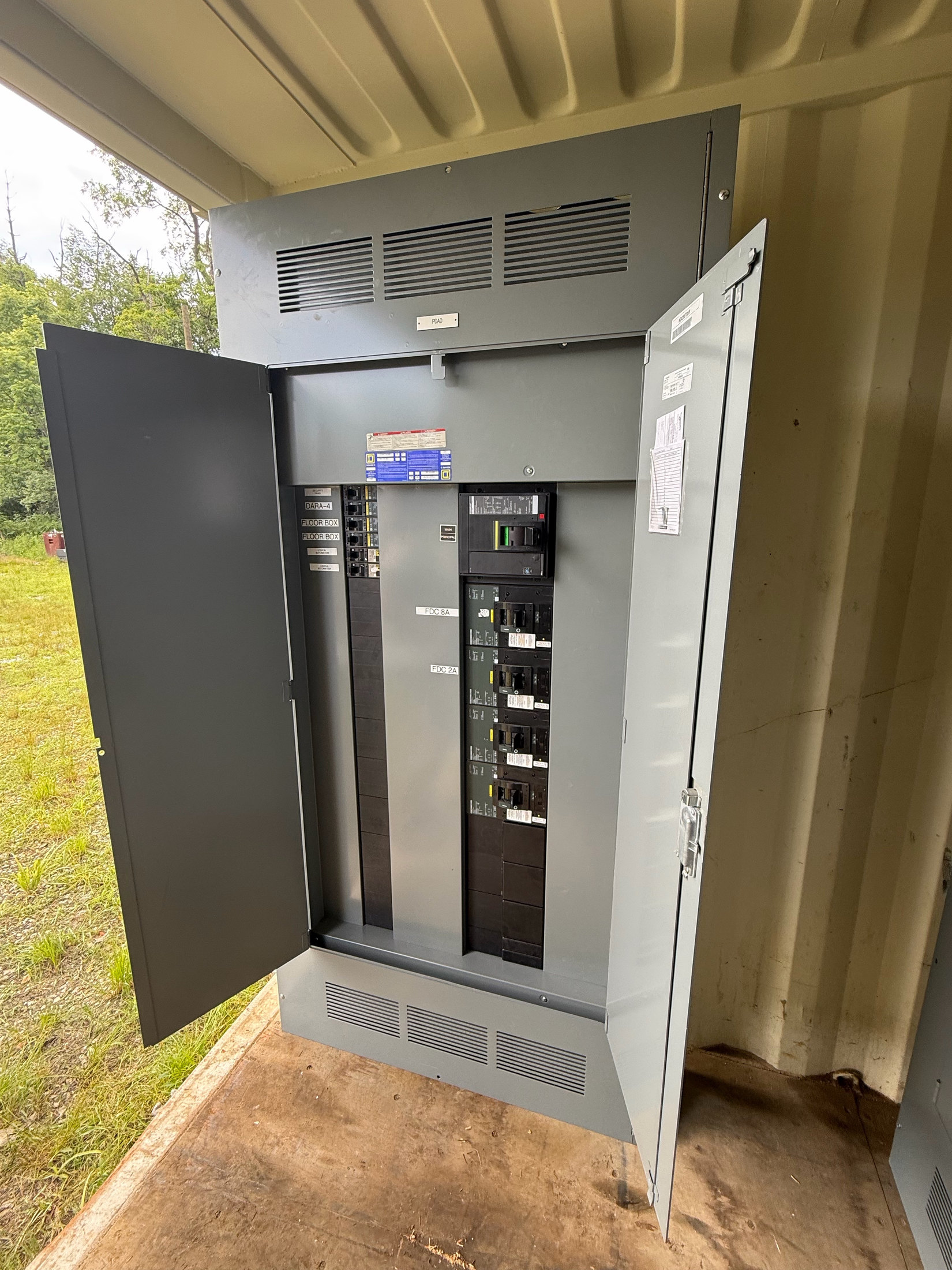
Decide Whether the Replacement Equipment Is Available for Sale
Before a replacement project releases existing electrical distribution equipment, determine whether the institution intends to retain it, transfer it internally, or sell it. A sale requires agreement on the equipment and its condition, the approved release, payment, and pickup arrangements. Replacement planning alone does not commit the owner to a sale, and an offer depends on the equipment presented for consideration.
For a prospective Dauphin County transaction, identify the owner authorized to approve disposal and the procurement, facilities, finance, or project representatives who must review the proposed terms. An independent Pennsylvania buyer can consider used, surplus, and decommissioned equipment, including switchgear from decommissioned data centers and shut-down power plants, across all voltage classes. Whether any particular institutional equipment is suitable for an offer depends on its actual inventory and circumstances.
Separate Procurement Approval from Physical Release
Institutional procurement and asset-disposition rules may require review before equipment can be offered for sale. Establish who may authorize a buyer discussion, approve a sale, confirm the payment recipient, and release the equipment. If a contract, funding source, grant condition, lease, or internal policy affects disposal, resolve the applicable approval before setting a pickup date. The buyer cannot substitute for the institution’s authorization process.
Keep the commercial decision distinct from the physical release decision. A project manager may coordinate replacement work without having authority to sell assets, while an authorized disposition representative may need confirmation that the replacement project no longer requires the old equipment. Agree on the equipment included in the sale, the payment terms, and who can authorize access before arranging pickup. If required approvals or scope remain unresolved, postpone scheduling rather than assume that project turnover constitutes permission to remove equipment.
Use Existing Records to Define the Inventory
Start with records already held by the institution: asset schedules, procurement documents, maintenance files, prior project inventories, or replacement scopes. These may help distinguish equipment intended for sale from items retained for spares, transferred to another department, or excluded from the project. Records also give the institution a way to reconcile its asset controls with the agreed sale scope without requiring the buyer to assess equipment through seller-performed testing.
Share available descriptions and documentation through the institution’s approved process. If photographs or nameplate details are already safely accessible, they may help identify items for discussion, but they are optional; do not create access or handle equipment to obtain them. The buyer does not require the seller to test equipment. Existing records can describe what the institution knows, but they do not establish unrecorded specifications, condition, completeness, or suitability. An offer remains dependent on the equipment and on agreement between buyer and seller.
Plan for Occupant Continuity During Replacement
In an occupied institutional facility, replacement work can intersect with facility operations, occupant access, security rules, and other scheduled work. The institution controls its site, determines who may enter, and decides when equipment is released. Coordinate prospective pickup with the personnel managing access and continuity, and identify any areas, operating periods, or activities that the institution requires the buyer to avoid. A buyer discussion should not be treated as permission to enter or interfere with ongoing work.
Keep the sale scope and the replacement contractor’s scope distinct. The institution and its project team manage the replacement, operational decisions, and any work needed to make equipment available for sale. The buyer purchases agreed equipment and coordinates its own pickup logistics after the terms and release are established. This division helps prevent confusion about who directs facility work, who authorizes removal, and when equipment is ready for collection.
Coordinate Payment Before Pickup
For equipment the buyer agrees to purchase, the buyer makes a cash offer, with payment upfront before pickup. Confirm the agreed equipment and payment arrangements with the authorized seller before collection is scheduled. Do not treat an estimate of project value, a preliminary inventory, or a discussion of possible surplus as a final sale. The transaction proceeds only if the parties agree on the equipment and terms.
The buyer handles cranes, rigging, disconnects, loading, freight, and hauling as part of its pickup coordination. The institution retains control of site access and must authorize the release and any permitted entry. Align access, pickup timing, and facility restrictions with the authorized site representatives, while avoiding assumptions about equipment readiness or a particular removal method. The seller does not need to conduct testing for the buyer.
Stage Turnover Around Clear Scope and Access
Where replacement and turnover occur in phases, define which equipment belongs to each potential sale and when the institution expects each portion to be released. A phased plan can help procurement and facilities representatives track approvals, reconcile records, coordinate occupant continuity, and avoid scheduling collection before the relevant equipment is authorized for release. Each phase remains subject to agreement on its equipment and terms; a planned sequence is not a commitment to buy every item.
Before confirming a phase, reconcile the agreed scope with the institution’s current records and release approval. Identify who will confirm that access is authorized and who will communicate changes to the pickup plan. If turnover dates shift, scope changes, or an item must remain in service or be retained, update the buyer before arranging collection. Clear coordination supports a practical sale discussion without presuming a local project, a specific facility type, or a guaranteed transaction.
Make the Sale Decision on the Equipment and Agreement
A useful next step is to assemble the records the institution already has, establish its internal approval path, and identify the person empowered to agree to a sale. Then present the equipment under consideration and discuss scope, payment upfront before pickup, authorized access, and timing. Optional photos or labels may support that discussion only when already safely accessible. No seller testing is required, and the buyer’s offer depends on the equipment and a mutually agreed transaction.
This approach is specific to institutional replacement and turnover: it accounts for procurement authority, records, occupant continuity, and phased release rather than treating surplus equipment as an uncoordinated pickup. It also preserves the institution’s control over its assets and site while assigning buyer-side pickup logistics to the buyer, including cranes, rigging, disconnects, loading, freight, and hauling. No equipment is sold until the authorized parties agree to the scope and terms.