Decide What Is for Sale
Before seeking a buyer, separate the electrical equipment included in the sale from assets the organization intends to retain. In a property consolidation, a facilities manager may need to sort through equipment associated with several buildings or departments. Establish which gear belongs to the seller, which equipment is assigned to the property buyer or another party, and which items must remain in service or be reserved for future use. Clear ownership and scope make it easier to discuss a purchase without confusing sale assets with retained property.
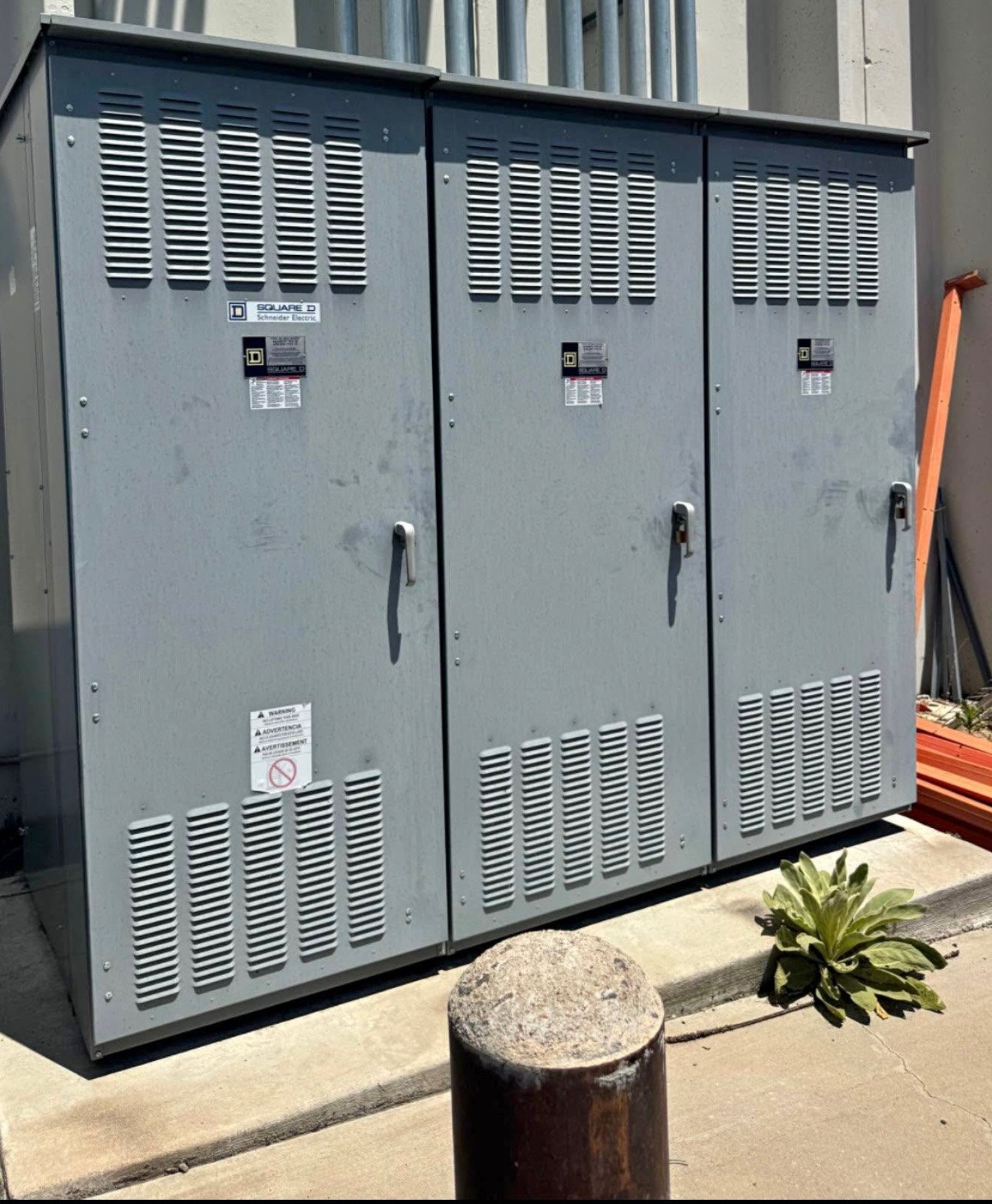
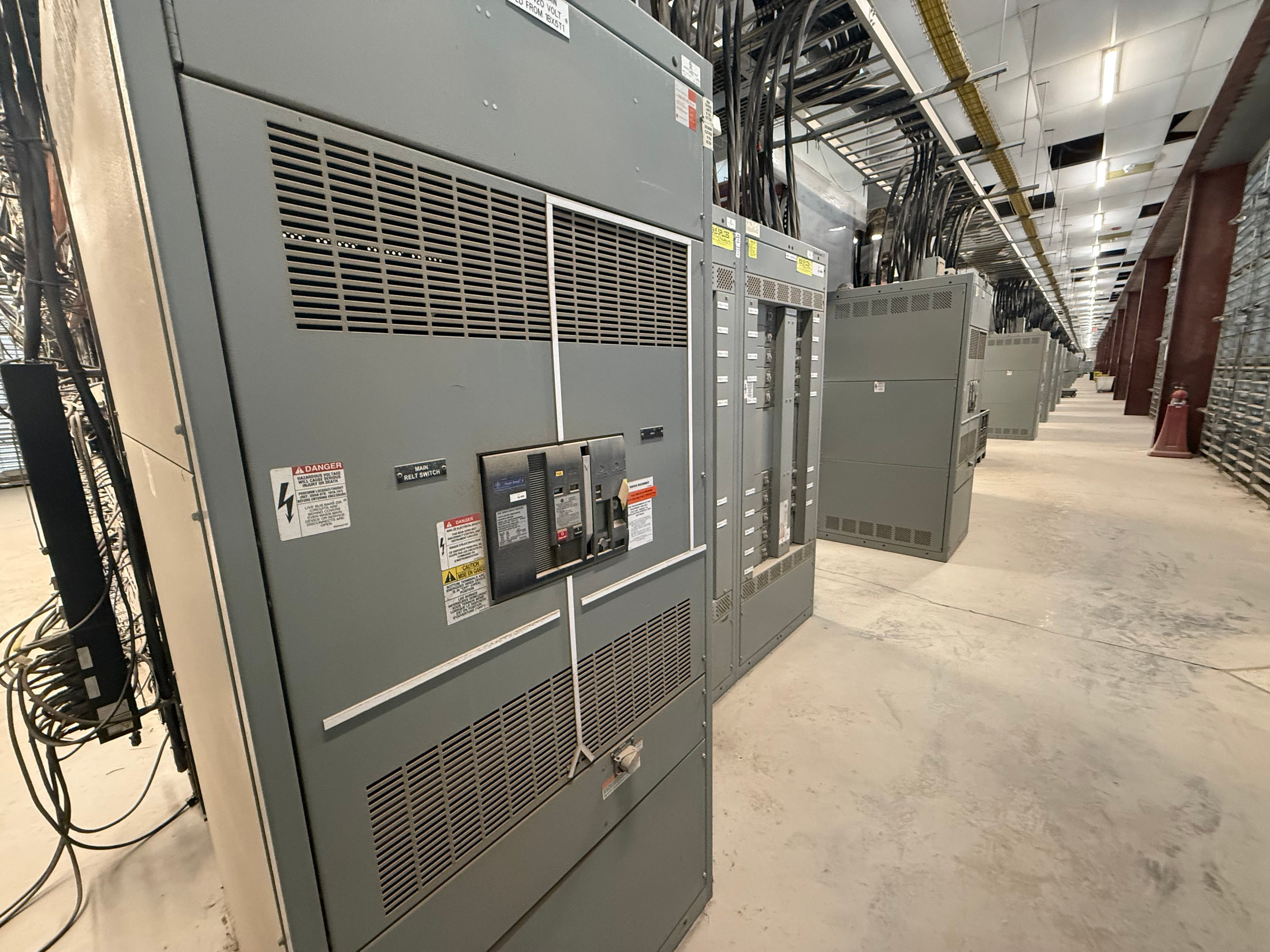
We buy used, surplus and decommissioned electrical distribution equipment, including switchgear from decommissioned data centers and shut-down power plants. We consider switchgear across all voltage classes, but an offer depends on the equipment and the sale details. This is a buy-only process: we do not offer equipment for sale. For a Honesdale-area transaction, begin with the specific assets the seller is authorized to sell and the property arrangements governing them, rather than assuming that everything on a site is available.
Build a Clear Equipment Inventory
A useful inventory identifies the equipment the seller wants considered and distinguishes it from items that are staying with the property. Record descriptions already available in facility or asset records, such as equipment type, manufacturer markings, quantity, known condition, and whether the item is surplus or decommissioned. Avoid combining unrelated assets under a broad label when their ownership or intended disposition differs. The goal is a clear sale scope, not a technical inspection or a new condition assessment.
If information is incomplete, describe what is known and identify what remains uncertain. Photos or label images are optional and appropriate only when already safely accessible; no one needs to approach, open, energize, test, disconnect, or move equipment to prepare an inquiry. We do not require seller testing. Existing records and safely available descriptions can support an initial discussion, while the equipment itself remains under the owner’s control until sale terms and pickup arrangements are agreed.
Define the Property and Sale Boundaries
When equipment is located on a property undergoing consolidation, align the sale scope with the organization’s property and asset decisions. Identify any items excluded from the transaction, equipment reserved for continued operations, and assets subject to another party’s ownership or approval. Make sure the proposed pickup area and access arrangements correspond to equipment that is actually included in the sale. These distinctions help the seller and buyer discuss a defined group of assets instead of an entire room, building, or facility by assumption.
For Honesdale and elsewhere in Wayne County, site-specific pickup planning depends on the seller’s actual location, access permissions, equipment scope, and agreed schedule. Share relevant access and property constraints through the coordination process; do not assume a particular route, building layout, loading area, or local service arrangement. The property owner or authorized representative controls access. Any coordination should respect that control and the seller’s boundaries between equipment being sold and property being retained.
Discuss Equipment and Purchase Scope
Once the sale assets are defined, provide the available inventory information and discuss which equipment may be considered for purchase. We buy used, surplus and decommissioned electrical distribution equipment, with purchase decisions dependent on the specific equipment and circumstances. An inquiry is not a commitment to buy every listed item, and an offer is not assured for all equipment. Keep different groups distinct when their ownership, status, or sale intent varies, so the proposed purchase can be evaluated against the seller’s actual scope.
Brands and labels can help identify equipment, but they do not by themselves establish a purchase decision, condition, compatibility, or value. Do not infer technical suitability from a name or assume that equipment with similar descriptions will receive the same consideration. No seller testing is required. The discussion can use information already in the seller’s possession and observations that are safely available without handling the equipment. Any final purchase scope depends on agreement between buyer and seller.
Agree on Payment Before Pickup
The transaction terms should be settled before equipment pickup is arranged. We make cash offers for equipment we agree to buy, and payment is made upfront before pickup. Confirm which assets the agreed purchase covers and that the seller’s authorized representative accepts the terms before moving to collection coordination. This sequence gives both sides a defined transaction scope and avoids treating an unaccepted inquiry or incomplete inventory as a completed sale.
Payment is tied to the agreed purchase, not a blanket promise for every item at a property. If the seller’s asset list changes or previously grouped equipment turns out to include retained property, clarify the revised scope before proceeding. Keep the sale decision and the pickup plan connected: the equipment selected for purchase, the payment arrangement, and the assets to be collected should refer to the same agreed group.
Coordinate Removal and Freight
After agreement and upfront payment, we handle cranes, rigging, disconnects, loading, freight, and hauling for the equipment included in the purchase. The seller does not need to arrange those services independently. Pickup planning still requires coordination with the authorized property contact so that access, timing, and the defined sale area can be addressed for the actual site. Requirements can differ by property and equipment, so arrangements should be discussed for the specific transaction rather than presumed from the city name.
The owner retains control of access and site decisions. Do not move or prepare equipment for collection as part of an inquiry; we coordinate the agreed removal work. Ensure that items designated to remain are distinguishable from the assets being collected, and communicate any property boundaries or access restrictions before pickup. This is especially useful during a consolidation, when equipment from multiple departments or buildings may be subject to different ownership and disposition decisions.
Move from Inquiry to a Defined Sale
A straightforward inquiry can start with the seller’s location in the Honesdale area, a description of the equipment being offered, and a clear distinction between sale assets and retained property. Include only information already available and safe to share. If the equipment is associated with a decommissioned data center, a shut-down power plant, or another facility, that context may help describe its status; it does not replace identifying the specific equipment the seller is authorized to sell.
From there, the buyer and seller can discuss the equipment, determine whether an offer is appropriate, agree on the purchase scope and terms, and coordinate payment before pickup. The process is based on agreement and the equipment involved, not an assumption that every asset will be purchased. With ownership, inventory, payment, access, and removal responsibilities kept distinct, a Pennsylvania seller can plan a switchgear sale while protecting the property and equipment that are not part of it.