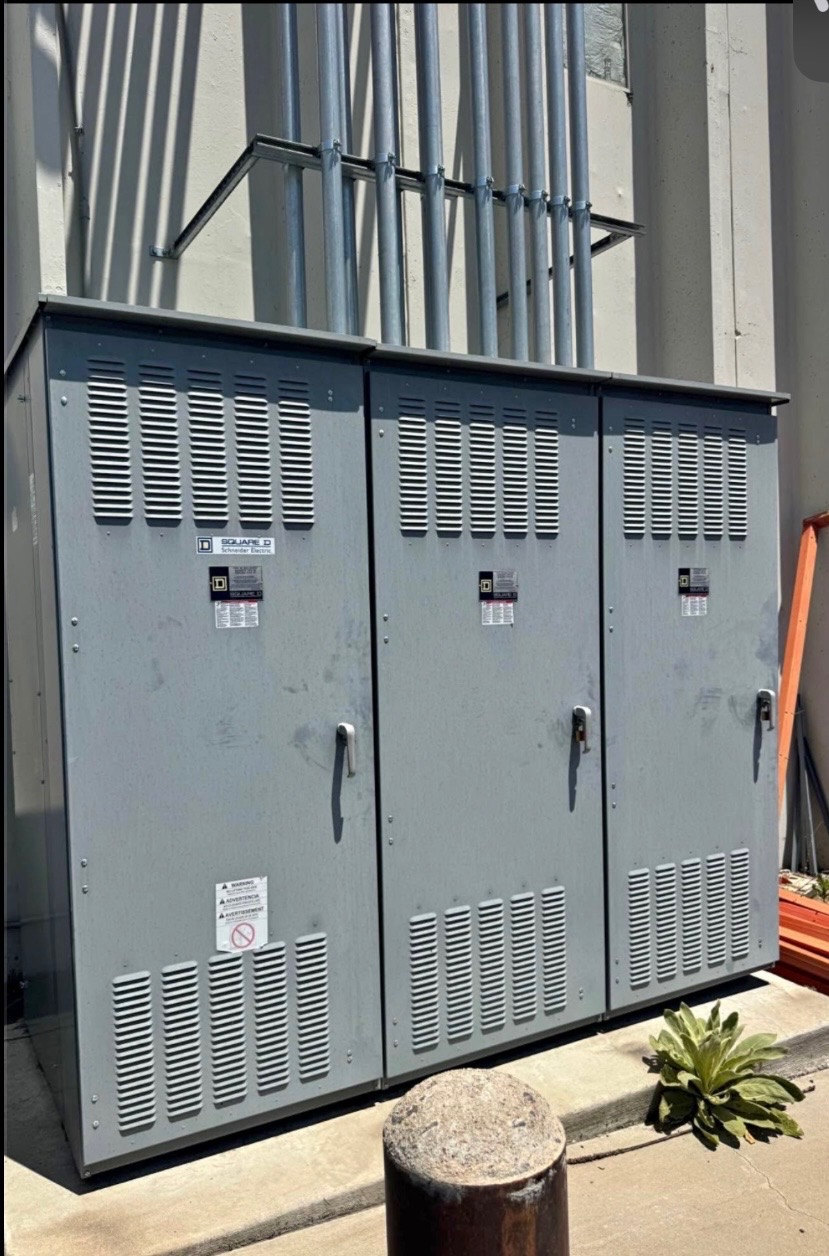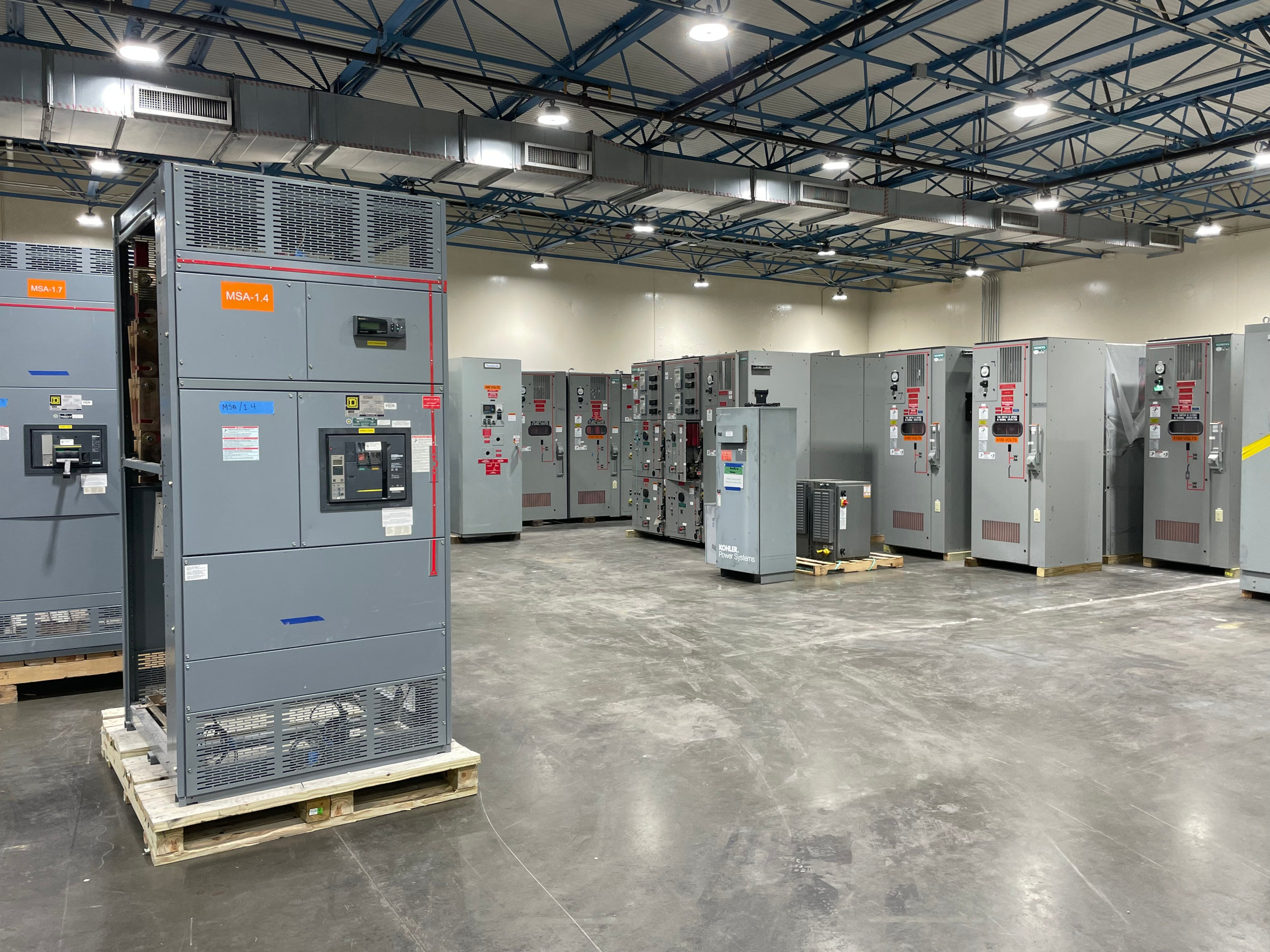
Decide What Equipment Is Available to Sell
Before seeking an offer for switchgear in Shenandoah, Pennsylvania, determine which equipment the owner is authorized to sell and whether it is actually available for removal. At an industrial property, the person familiar with the equipment may not be the person authorized to approve a sale or coordinate access. Identify the responsible owner or decision-maker, along with whoever controls the equipment room and can arrange access. Keep those roles clear while the sale is being considered; no one should handle or alter equipment to prepare it for review.
We buy used, surplus and decommissioned electrical distribution equipment, including switchgear from decommissioned data centers and shut-down power plants. Purchases span all voltage classes, but an offer depends on the equipment and the details available. We buy only, and a sale proceeds only when the owner and buyer agree on the equipment and terms. A description of the opportunity is a starting point, not a promise that every item can be purchased.
Reconcile the Inventory Before Requesting an Offer
Build one account of the equipment the seller intends to include. Compare any existing inventory, asset records and information already available to the people responsible for the property. Note where descriptions agree, where they differ and which items remain uncertain. Separate the proposed sale inventory from equipment that the owner intends to keep or whose ownership or sale authority needs clarification. This makes it easier to discuss the same scope and reduces the chance that separate records are mistaken for one complete list.
Use identifiers and descriptions only when they are already available to you. A concise inventory can distinguish known items from uncertain entries without requiring the seller to inspect or handle equipment. If an entry cannot yet be matched confidently to the proposed sale, mark it as unresolved rather than guessing. The buyer can consider the information provided and ask about scope. Any offer remains dependent on the equipment and agreement between the parties, not simply on the presence of an item in a preliminary inventory.
Describe the Available Information
Share what you already know about the switchgear, its condition as documented by the owner, and whether the proposed scope is used, surplus or decommissioned equipment. Existing records or photographs may help explain the inventory; photographs and labels are optional and should be shared only when already safely accessible. Do not open, energize, disconnect, dismantle or physically inspect equipment to create information for a potential buyer. The owner controls access to the property and equipment room.
When records are incomplete or inconsistent, say so plainly. Distinguish confirmed details from estimates or unresolved questions, and avoid treating a general site description as proof that every listed item is present or included. Brands, if known, can help identify equipment, but a brand name alone does not establish its condition or suitability for purchase. Clear descriptions let the buyer assess whether to discuss an offer while keeping the owner’s inventory and access decisions in the owner’s hands.
Coordinate the People Responsible for Access
For a Shenandoah-area sale, establish who can authorize entry and coordinate access at the particular property. The person approving the sale may need to coordinate with a separate facilities, property or site representative who controls the equipment room. Resolve that coordination before pickup planning, especially when several parties maintain records or have authority over different parts of a property. This is a practical responsibility question, not a reason for the seller to perform work on the equipment.
Agree on a clear point of contact for sale scope and another for access if responsibilities are divided. The owner or authorized representative controls when and how the site is made accessible. Keep access arrangements tied to the actual property and its rules rather than assuming that a familiar route, room or site procedure applies elsewhere. The buyer can coordinate the purchase and removal with the responsible parties once the parties agree on the equipment and the arrangements.
Understand the Purchase and Payment Terms
We make cash offers for equipment we are prepared to buy. There is no promise of an offer for every item, and any offer depends on the equipment and the information available. Review the proposed sale scope with the buyer and confirm which equipment is covered before agreeing to a transaction. If an inventory discrepancy affects what is included, resolve it with the relevant decision-maker rather than relying on an assumption about the list.
Payment is made upfront before pickup. The seller should confirm the agreed equipment and sale terms with the buyer before pickup is arranged. We do not require seller testing. Do not energize, test, open or alter equipment for the purpose of pursuing an offer. Keeping the sale discussion separate from any unresolved inventory or access question helps the authorized parties make a clear decision without undertaking technical work to support the transaction.
Plan Removal and Transportation
Once the sale is agreed, we handle cranes, rigging, disconnects, loading, freight and hauling. The seller does not need to arrange those removal and transportation services as part of our purchase process. Timing and site access still need coordination with the people authorized to manage the property. Share relevant access requirements and the responsible contact with the buyer so removal arrangements can be discussed for the agreed scope and the actual site.
Do not disconnect, dismantle, move or physically prepare switchgear for pickup. Leave equipment and site access under the control of the owner and the people authorized to manage them. The buyer coordinates the covered work and transportation with the responsible parties. This keeps the division of responsibilities clear: the seller identifies what is offered and authorizes access, while we handle the specified removal and hauling tasks after a sale is agreed and payment is made upfront before pickup.
Bring the Sale Scope to Agreement
Before concluding a sale, compare the agreed equipment against the owner’s reconciled inventory and confirm how unresolved entries are being treated. Make sure the person authorized to sell understands what is included, and that the people coordinating access know which equipment the agreement covers. If new information changes the scope, raise it with the buyer rather than assuming that an earlier discussion automatically includes additional items.
A Shenandoah seller can begin with the information already available, identify who has authority over the inventory and equipment room, and share a consistent account of the proposed equipment. We buy used, surplus and decommissioned switchgear across all voltage classes, with purchases dependent on the equipment and agreement. For equipment we agree to buy, we offer cash, pay upfront before pickup and handle cranes, rigging, disconnects, loading, freight and hauling. No seller testing is required.