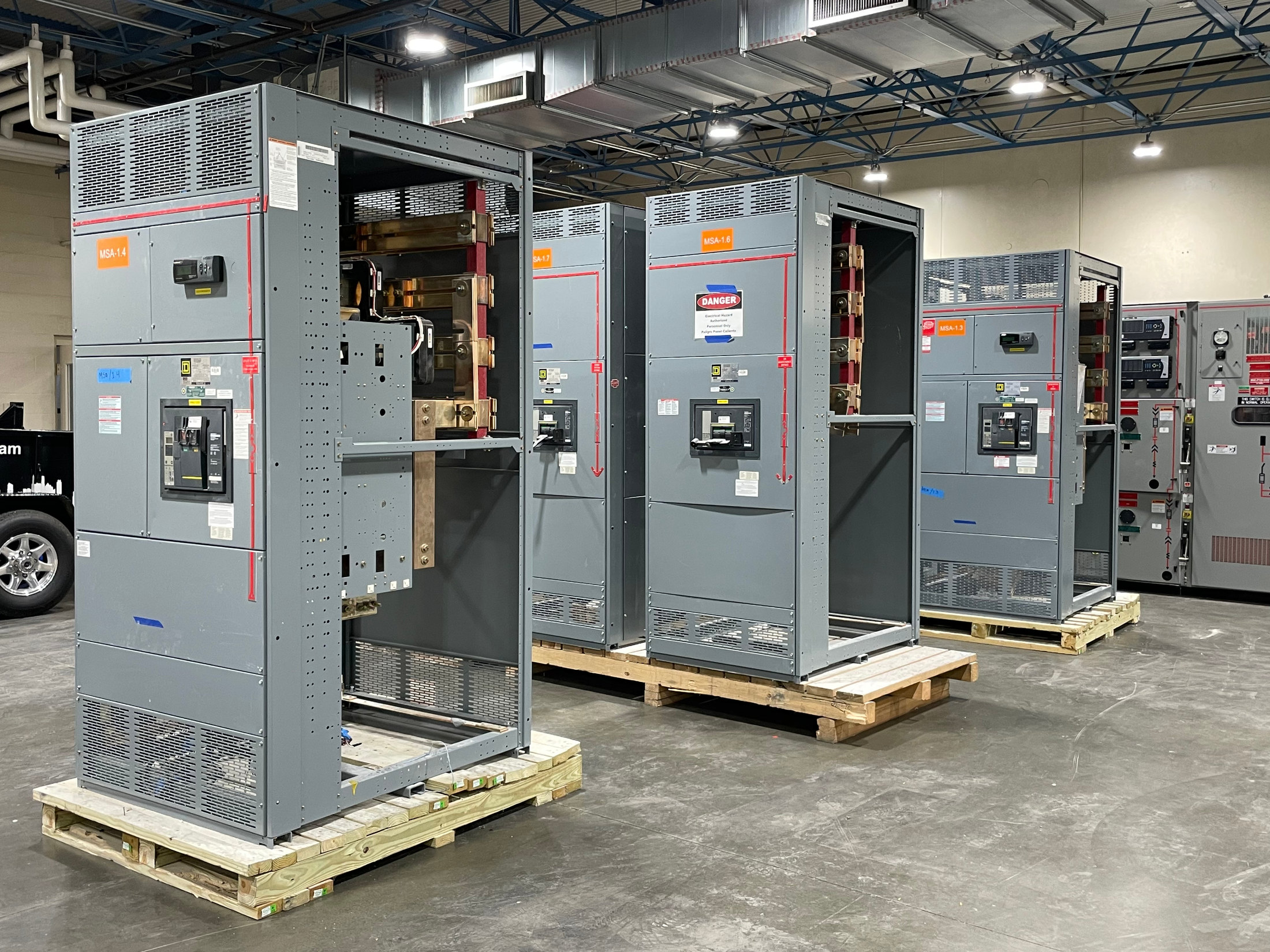
Selling ASCO automatic transfer switches in Pennsylvania
We buy used, surplus and decommissioned ASCO automatic transfer switches from owners in Pennsylvania. An ASCO transfer switch may be part of an operating facility’s backup-power system, a surplus inventory lot or equipment removed from a retired installation. We consider the specific equipment and sale scope rather than treating a brand name as a purchase commitment. A sale depends on the units, their condition and completeness, available information, and the terms both parties agree to.
For an initial review, organize the information already available: approximate quantity, identifying labels, known condition, included controls or accessories, and whether the switches are stored individually or as part of a larger equipment group. Photos can help when they show the equipment as it is safely accessible, but photographs and label details are optional. You do not need to test, energize, open, disconnect or handle a switch for our review. Unknown details can remain unknown until there is a mutually agreed basis to proceed.
Define exactly what is for sale
Separate the sale assets from property you intend to retain before discussing pickup. Identify which ASCO transfer switches are included and distinguish them from adjacent switchgear, generators, distribution equipment, control panels, cables, tools and other facility property. If units are grouped with spare parts or accessories, specify which items belong to the proposed sale and which are excluded. Clear boundaries help prevent a buyer from assuming that nearby or associated property is included.
The same distinction matters for spare inventory. Seller-owned spare switches, controls, components or other inventory may be presented for consideration as separate items or as part of an agreed group. State whether each item is included, excluded or still under review. Ownership and sale authority should be clear, particularly where equipment is held for another organization, assigned to a project, or subject to internal retention requirements. We purchase only items the seller is authorized to sell, and the final scope must be agreed before pickup.
Document the switch and its identification
Existing nameplate information can help identify an ASCO transfer switch, but a nameplate alone does not establish operating condition, completeness or suitability for another installation. If the label is already safely visible, its text or a photograph may be shared. Useful records may also include existing inventory descriptions, purchase or asset records, maintenance documentation, and notes about known damage or missing components. Do not create new access to obtain a label or record; information that is not safely available can simply be left unspecified.
Keep confirmed facts distinct from estimates and unknowns. For example, distinguish a recorded equipment description from an approximate count, and distinguish documented service history from an owner’s recollection. If controls are included, describe them only to the extent their identity and inclusion are known. Mounting details can likewise be documented from existing records or safe, visible information; they do not establish that a switch will fit or work in a different system. This gives both parties a more accurate basis for evaluating the proposed assets without implying a technical assessment.
Describe controls, mounting and condition
Controls can be part of the sale, retained property, or a separate inventory item, so identify their status rather than assuming they accompany every switch. Where available, note whether control equipment is physically associated with a specific unit, stored separately, or not known to be present. Existing labels and documentation may help describe what is offered, while questions about configuration or operation can remain unresolved unless supported by records. We do not require seller testing as part of the initial review.
For mounting and physical condition, provide only observations or documentation already available without handling the equipment. An owner may describe visible damage, storage circumstances, or known missing items, while noting that other conditions have not been assessed. Do not dismantle, open, move or disconnect equipment to prepare it for review. Any condition information is useful context, not a substitute for an agreed scope or a guarantee of performance. The equipment’s voltage class and detailed specifications should not be inferred from brand identification or from another unit in the same inventory.
Coordinate an offer and sale terms
After reviewing the proposed inventory and scope, we can discuss whether the equipment is a fit for purchase and, when appropriate, make a cash offer. An offer is not automatic for every switch, control or spare item; it depends on the particular equipment and the terms agreed with the seller. The proposed sale should identify the included assets, excluded property, relevant known information, and any agreed pickup arrangements so there is a shared understanding of what is changing ownership.
Payment is made upfront before pickup. The seller and buyer should agree on the equipment included and the sale terms before collection is scheduled. If the proposed inventory changes—for example, if a spare control or additional switch is added or retained—the scope and terms should be clarified before pickup rather than inferred from proximity or a broad description. This approach keeps the transaction centered on the actual assets offered and avoids treating an entire room, system or facility as part of the sale by default.
Pickup, handling and property access
We handle cranes, rigging, disconnects, loading, freight and hauling for an agreed purchase. The owner controls access to the property and equipment, and coordination can establish the permitted access, pickup area and scope of the collection. You do not need to arrange seller testing or prepare a switch by opening, disconnecting, dismantling or physically handling it. Any collection plan applies to the agreed assets, not to excluded equipment or retained property.
Before pickup, make the boundary between sale items and retained assets clear to the people responsible for the site. Identify exclusions in the agreed scope and ensure that equipment not included in the sale remains outside the collection. If access conditions or the inventory differ from what was discussed, clarify the change before proceeding. This is especially important when spare stock is stored alongside operational components or when transfer switches are situated within a larger electrical installation. The owner’s control of access and the agreed scope guide coordination.
A clear basis for a Pennsylvania sale
A useful equipment summary does not need to resolve every technical question. It can state what ASCO transfer switches are being offered, what controls or seller-owned spares are included, what property is retained, and which details are supported by existing labels or records. Counts, condition, mounting information and identification can be marked as approximate, documented or unknown as appropriate. Optional photos should be limited to views already safely accessible; no physical preparation is needed to create a sale description.
We buy used, surplus and decommissioned electrical distribution equipment in Pennsylvania, including ASCO automatic transfer switches when the particular equipment and proposed terms are suitable for agreement. We buy switchgear from decommissioned data centers and shut-down power plants across all voltage classes as well. For an ASCO switch sale, keep the focus on the specific units and inventory being offered, the boundaries around retained property, and practical pickup coordination. Cash offers, payment upfront before pickup, and handling of cranes, rigging, disconnects, loading, freight and hauling are part of the purchase arrangement when a sale is agreed.