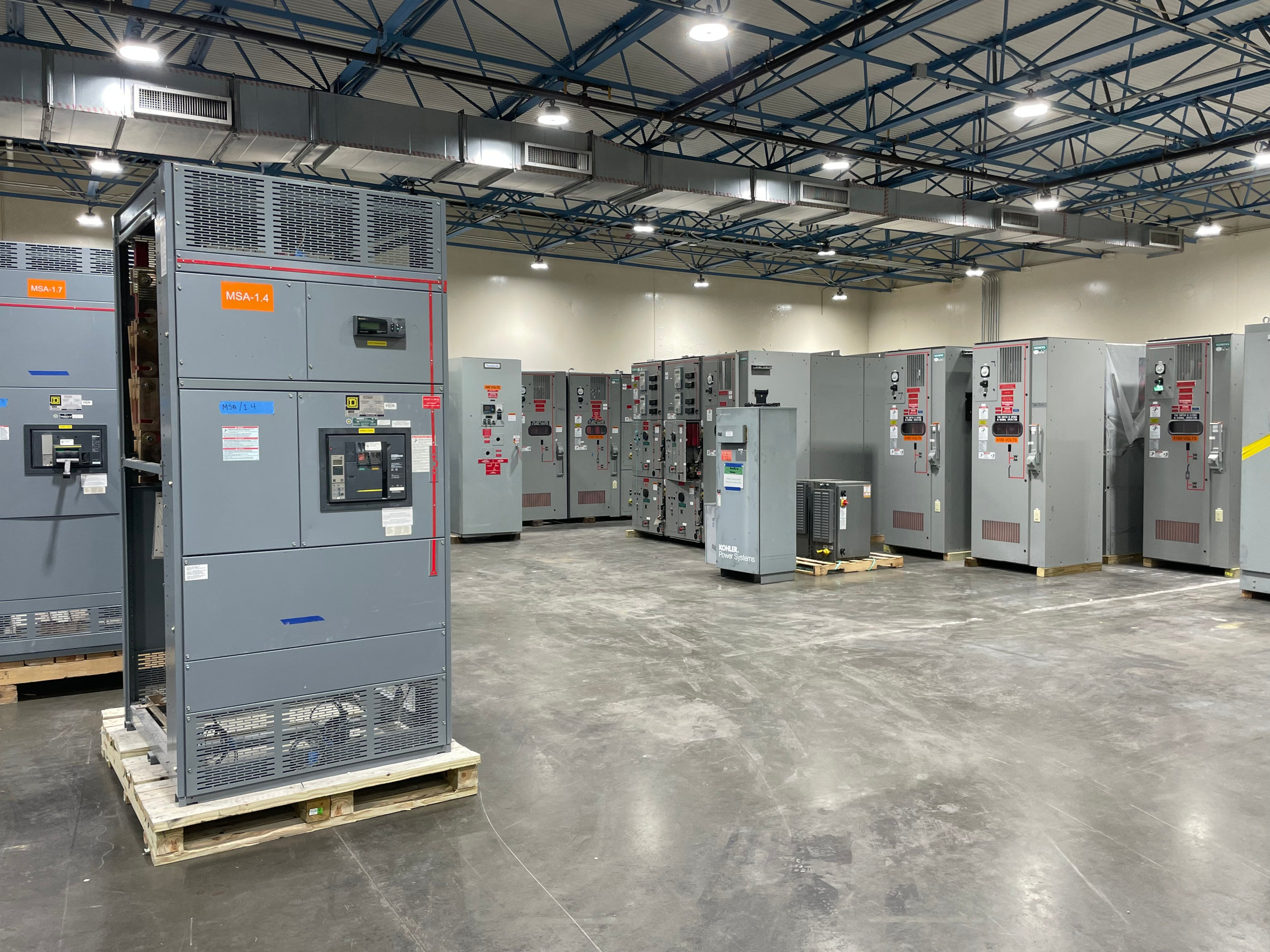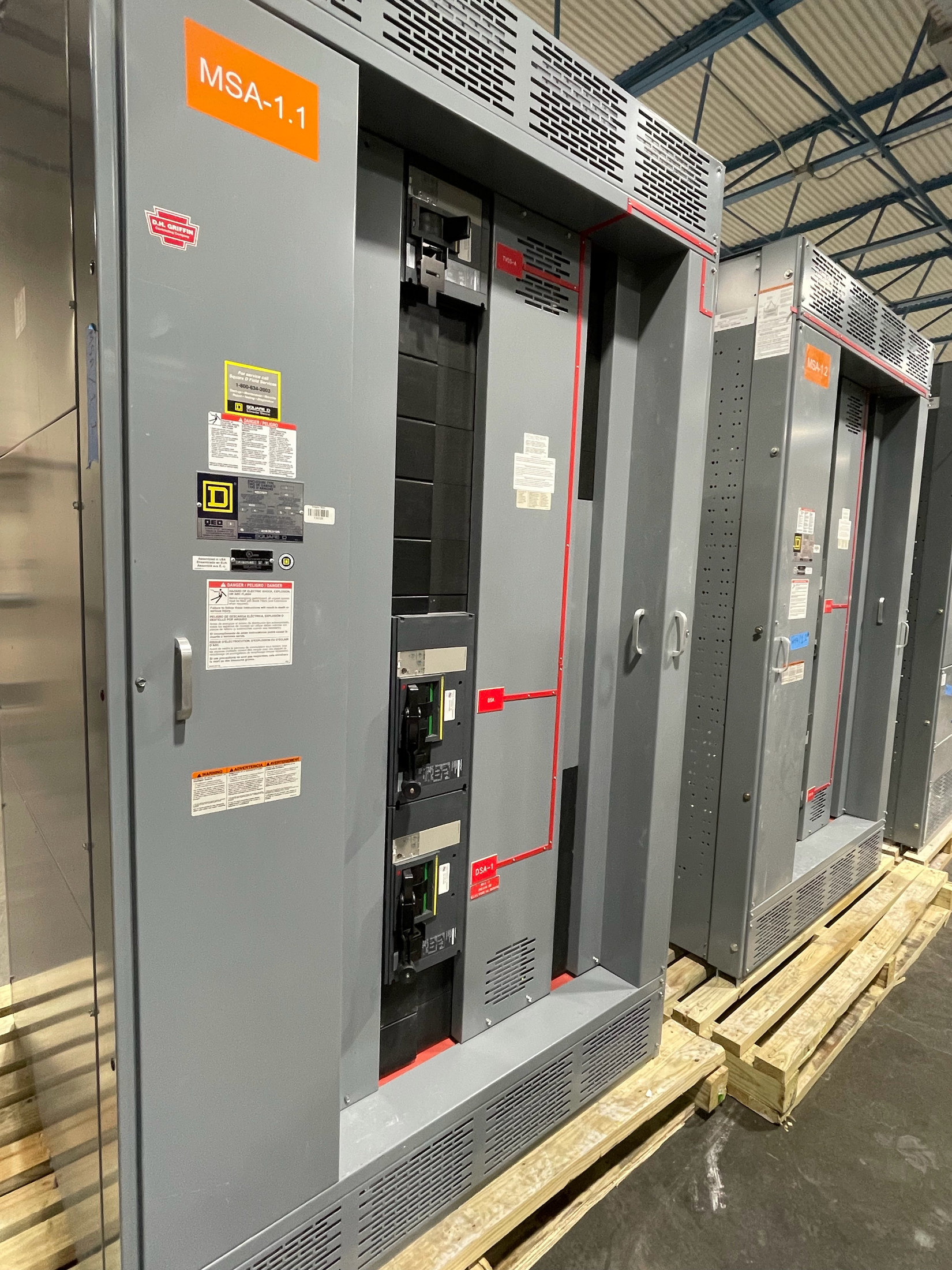
Could an offer be a better fit than continued storage?
If you have Russelectric transfer switches in Pennsylvania that you are considering selling, compare the practical value of an offer with the ongoing work of keeping the equipment in storage. Space, inventory management, access, and coordination all matter when deciding whether to retain surplus equipment. We buy used, surplus, and decommissioned electrical distribution equipment, including Russelectric transfer switches. A purchase is not automatic: whether we can make an offer depends on the equipment and the information available about its condition, scope, and ownership.
Tell us what you have and what you would like included in a sale. Useful starting details include the number of transfer switches, any known model identification, the associated control enclosure, available drawings, and whether related equipment is part of the release. Information can be incomplete; identify what is known and what remains uncertain rather than filling gaps with assumptions. We can review the documented scope and discuss whether an offer makes sense, giving you a basis for comparing a potential sale with continued storage.
What Russelectric identification can you provide?
Russelectric is the product-family identification relevant to this page. If identification is already visible and safely accessible, you may share the wording from labels or existing inventory records, including a model designation when one is documented. A written inventory description is also useful. Photos are optional and should only be taken or shared if the relevant information is already safely accessible; do not open equipment or move anything to obtain a label or image.
Brand identification alone does not establish the configuration, condition, completeness, or suitability of a particular transfer switch. We review the information specific to the equipment offered, rather than assuming that items carrying the same brand name are interchangeable. If labels are missing, unreadable, or inconsistent with existing records, say so. That distinction helps keep the review grounded in what is actually known without asking you to investigate the equipment physically.
What can you document about the control enclosure?
Describe whether a control enclosure is included with each transfer switch, offered separately, or not included in the proposed release. If your inventory or existing records identify an enclosure, share that description and any relevant documentation you already have. The relationship between a switch and its enclosure is important to understanding the sale scope; a brand name by itself does not tell us what is present or how particular items are configured.
Keep documented facts separate from assumptions. For example, you can identify which items are listed together in your records while noting that the records do not confirm a particular relationship. We do not need you to open an enclosure, inspect internal parts, energize equipment, or conduct a test. When a detail cannot be confirmed from information already available, mark it as unknown. That gives both sides a clearer basis for discussing the inventory without turning the sale inquiry into a technical inspection.
What does the release include?
Set out the proposed release in terms of the transfer switches and any associated items you intend to sell. Note quantities when known, whether control enclosures are included, and whether drawings or other records are available. If several items are being offered together, distinguish a confirmed grouping in your inventory from a grouping that still needs clarification. You may describe the intended scope without physically separating, disconnecting, or moving the equipment.
Also identify what is outside the proposed sale or remains undecided. That can include an enclosure whose status is unclear, documentation that has not been located, or equipment that is not part of the release. Precise scope helps us consider the offered equipment as presented and reduces confusion during pickup planning. It does not require you to dismantle anything or create new technical documentation; existing records and a straightforward written description are enough to begin a conversation.
Which drawings and records are available?
Tell us whether drawings, inventories, or other equipment records are available and whether they identify the transfer switches being offered. You can share relevant existing material if it is accessible to you. A drawing may help describe the documented equipment and release scope, but its existence does not by itself verify the current condition or establish that every item shown is included in the sale. Where a record is incomplete, outdated, or difficult to match to a specific item, note that limitation plainly.
Some details may remain unknown even when documentation is available. We can distinguish those uncertainties from facts stated in the records during the offer discussion. Do not create a drawing, open equipment, or perform a test for this inquiry. If there are no drawings, say that directly and provide whatever inventory information you already have. The goal is to understand the proposed Russelectric transfer-switch inventory accurately enough to decide whether an offer can be made and what equipment that offer would cover.
How does the offer and pickup coordination work?
We make cash offers when the equipment and proposed sale scope support an offer. The decision depends on the specific items and the available information; not every item will receive an offer. If we agree on a purchase, payment is made upfront before pickup. We do not require seller testing as part of the sale. Do not energize, test, open, disconnect, dismantle, or physically handle equipment to prepare it for our review or collection.
For an agreed purchase, we handle cranes, rigging, disconnects, loading, freight, and hauling. We coordinate the pickup arrangements for the equipment included in the sale, so you are not being asked to arrange those services yourself. Owners control access to the equipment and should identify any access requirements or scope questions during coordination. Keeping the inventory description, enclosure status, available records, and agreed release scope aligned makes it easier to plan the handoff without asking you to undertake physical work.
What should remain clear before you decide?
Before accepting an offer, make sure the equipment covered by it matches your intended release. Confirm the quantity as documented, whether control enclosures are included, which records will be shared, and which points remain uncertain. If the inventory changes or a previously unknown detail becomes available, update the scope discussion before pickup arrangements are finalized. This is especially useful when transfer switches and enclosures are listed separately or when drawings do not clearly identify individual items.
You can then weigh the agreed cash offer against the value and effort of continued storage, using the same defined inventory for both sides of the comparison. A discussion can begin with basic identification and existing records; missing technical details do not need to be guessed or established through seller testing. If the equipment and scope are a fit for purchase, we agree on the terms, pay upfront before pickup, and coordinate the handling and transportation. If they are not a fit, there is no purchase to proceed with.