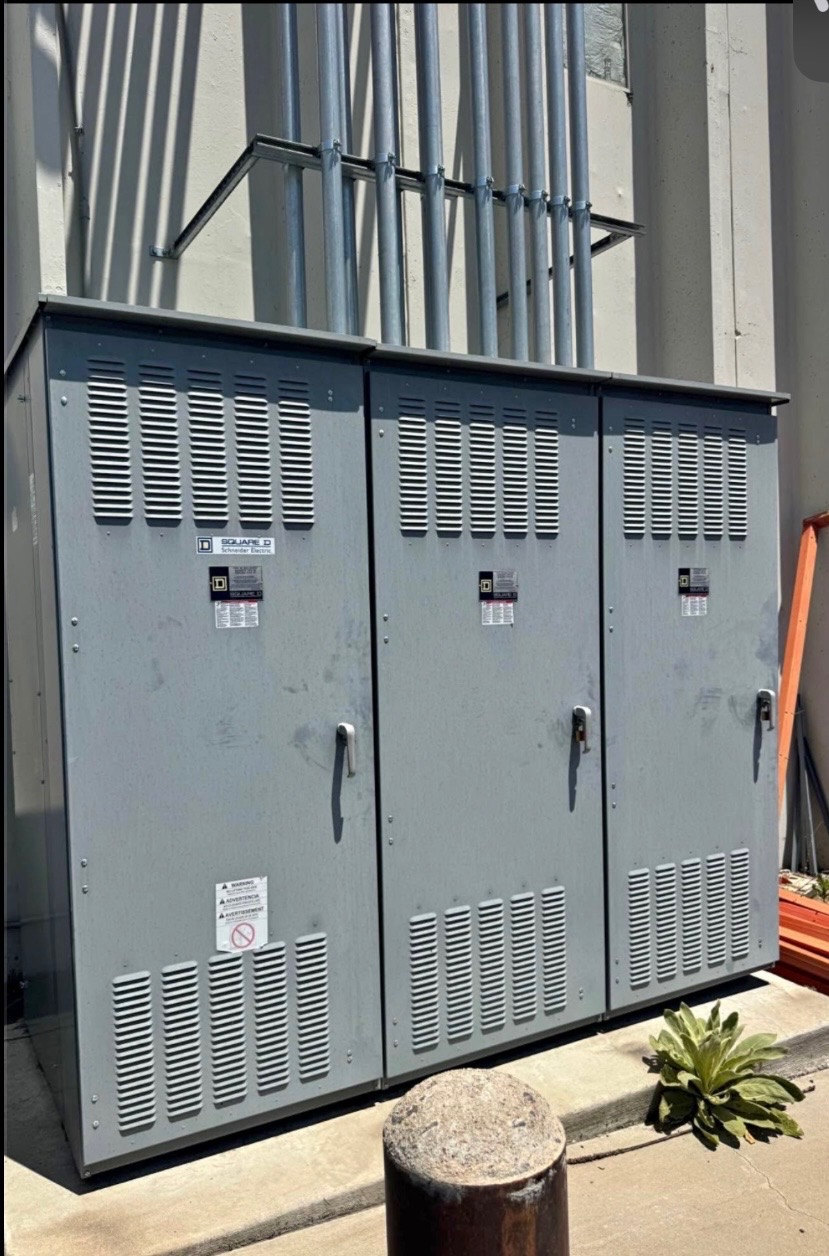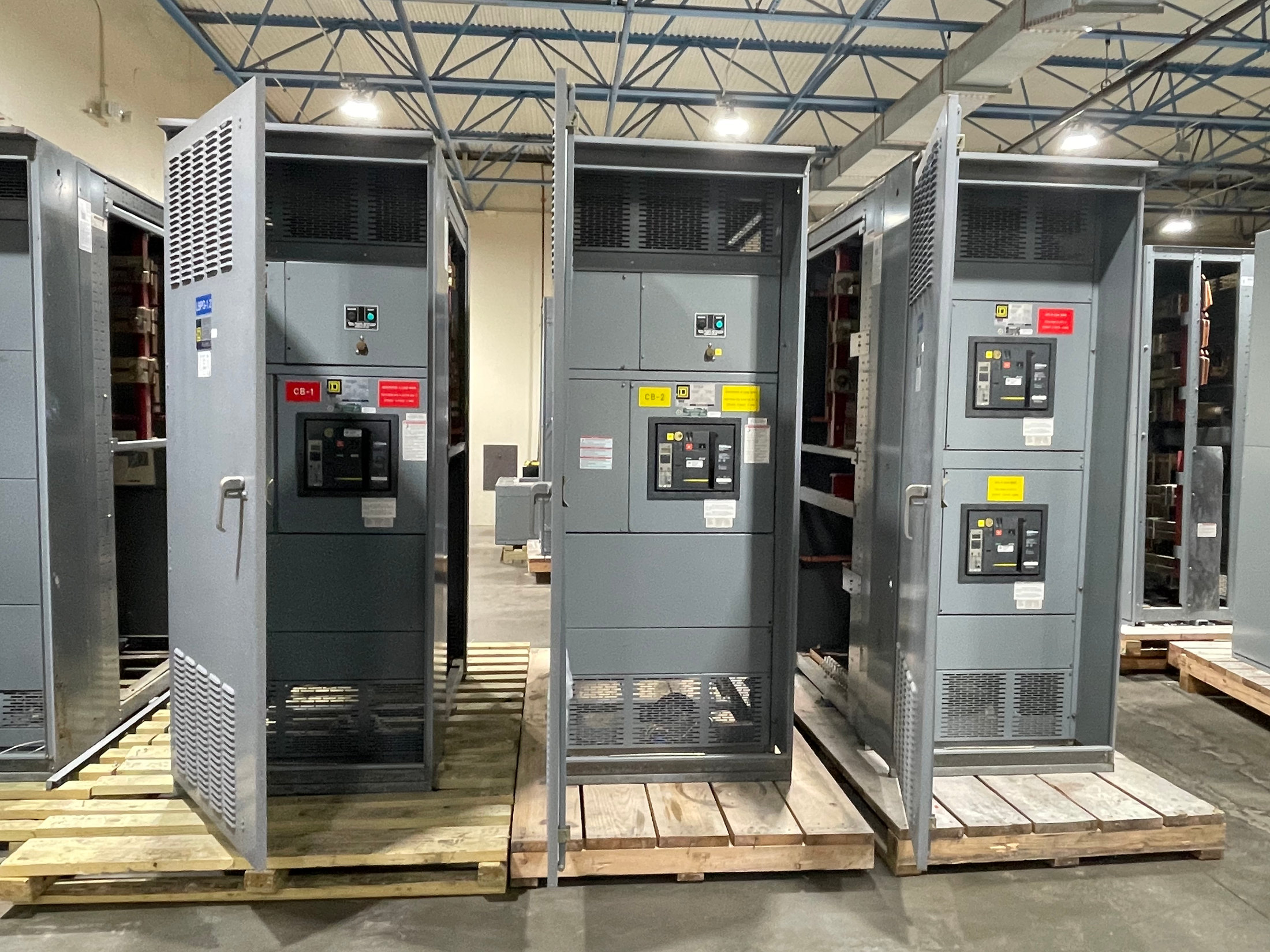
Selling a service-entrance transfer switch in Pennsylvania
A service-entrance transfer switch can be a standalone sale or one part of a larger equipment disposition. Its place at the boundary between utility service and an owner’s electrical system makes the documented arrangement especially important: a buyer needs to distinguish what the switch is, what equipment accompanies it, and which interface details are known. An independent Pennsylvania buyer of used, surplus, and decommissioned electrical distribution equipment may consider these switches for a cash offer, subject to review and agreement. Acceptance depends on the particular equipment and the information available; not every item will receive an offer.
The sale discussion is about the equipment as presented, not a determination that it is approved for a particular service, suitable for reuse, or capable of a particular transfer function. Those questions belong to qualified parties with the necessary information and authority. Owners retain control of site access. Any photographs or label details are optional and should be shared only when already safely accessible; there is no need to open, energize, test, disconnect, dismantle, or handle equipment to begin an inquiry.
Illustrative situation: one switch or a mixed lot
Consider an owner arranging a disposition after a facility changes its electrical distribution equipment. One service-entrance transfer switch is available, while other surplus distribution equipment may also be included. For a single-item sale, the conversation can stay centered on that switch: its identity, whether it is offered alone, and what is known about its utility-side and owner-side interfaces. This gives both parties a clearer basis to discuss the specific item without treating a general equipment description as a technical finding.
If the owner is considering a mixed lot, the switch should remain identifiable within the larger inventory rather than disappearing into a broad count of equipment. The owner can describe which items are included, which are separate, and whether the switch has associated components or documentation. A lot may make coordination more efficient, but it does not automatically make every item acceptable or establish a combined value. The buyer reviews the inventory and scope; any purchase depends on agreement about the equipment included.
Record the nameplate and interface information
The nameplate is a useful identification reference when its information is already safely visible. An owner may share the manufacturer name, designation, and other legible identifying text, without interpreting those details as proof of suitability or performance. If the plate is obscured, missing, or not safely accessible, that can simply be recorded as unknown. A clear distinction between observed information and unanswered questions helps prevent assumptions from becoming part of the sale description.
Describe the utility or owner interface in similarly factual terms. For example, note what existing records or labels identify as utility-side or owner-side, and state when the arrangement is uncertain. Do not infer approval, utility acceptance, eligibility, compatibility, or transfer capability from a label or from the switch’s apparent location. A buyer can review the information as part of considering the equipment, while any technical interpretation or approval remains with qualified parties responsible for that work.
Separate known facts from open questions
A concise inventory can distinguish direct observations from information supplied by records or by others. Useful context may include whether the switch is listed as a single item or as part of a larger lot, whether associated equipment is included, and whether available documents appear to refer to that item. If a detail has not been confirmed, mark it as unknown rather than filling the gap with an assumption. This is particularly helpful for service-entrance equipment, where interface descriptions may affect how the item is understood.
Condition descriptions should also stay grounded in what the owner already knows. Existing records can be summarized, but the sale inquiry does not require the owner to test the switch or create a technical assessment. No seller testing is required for the buyer’s initial review. The buyer may ask for clarification about inventory and scope, then decide whether to make an offer. Technical evaluation and any work on the equipment are for qualified parties; owners should not open, energize, disconnect, dismantle, or physically handle it for the inquiry.
Coordinate the sale around scope and access
Before agreeing to a sale, establish whether the offer discussion concerns the individual transfer switch, a defined group of equipment, or a mixed lot with separate items. Clarify what is included and what remains outside the proposed scope. If the inventory changes, the parties can address the revised scope before proceeding. This avoids treating unrelated equipment as included merely because it is nearby or part of the same facility disposition.
Payment and removal arrangements should be clear before pickup. We make cash offers when the equipment and proposed scope are accepted, and payment is made upfront before pickup. We handle cranes, rigging, disconnects, loading, freight, and hauling as part of coordinating an agreed purchase. Owners control site access; coordination can address access and scheduling without asking the seller to perform technical work or physically prepare the switch. The sale proceeds only when the parties agree on the equipment and terms.
A buyer for surplus electrical distribution equipment
The transfer switch may be considered alongside other used, surplus, or decommissioned electrical distribution equipment, but the review remains specific to the items offered. A standalone switch and a mixed inventory present different scope questions: the single item needs clear identification, while a lot needs a clear account of included equipment and any exclusions. In either case, information about the utility or owner interface is context for review, not a substitute for approval or a technical determination.
We buy equipment rather than offer installation or engineering services. Switchgear from decommissioned data centers and shut-down power plants is among the equipment considered across all voltage classes; that broad purchasing scope does not establish acceptance of any particular switch or lot. A service-entrance transfer switch is reviewed on its own facts, including known identification and agreed sale scope. If the equipment is accepted and terms are agreed, the purchase uses upfront payment before pickup, with removal and freight coordination handled by us.