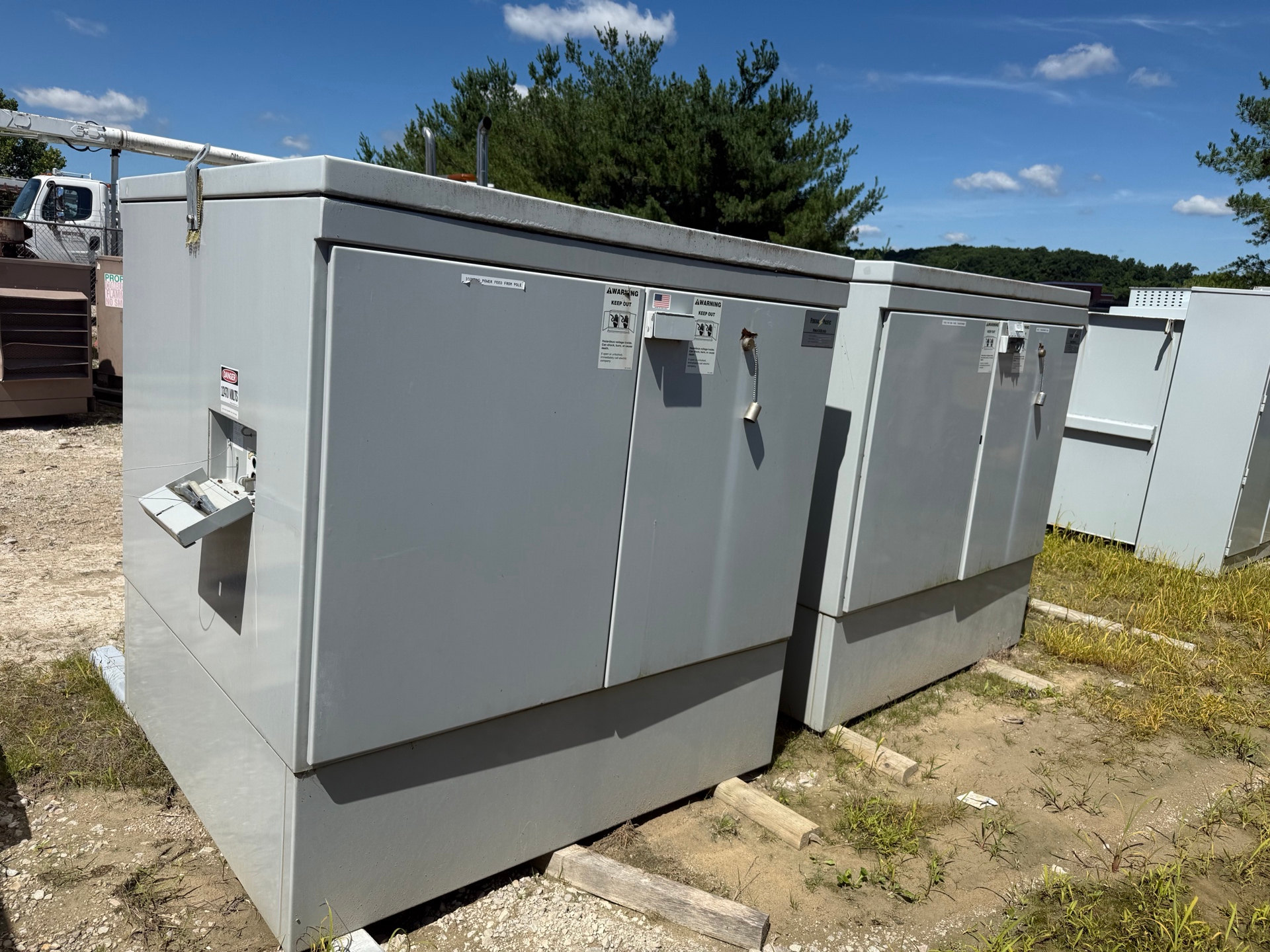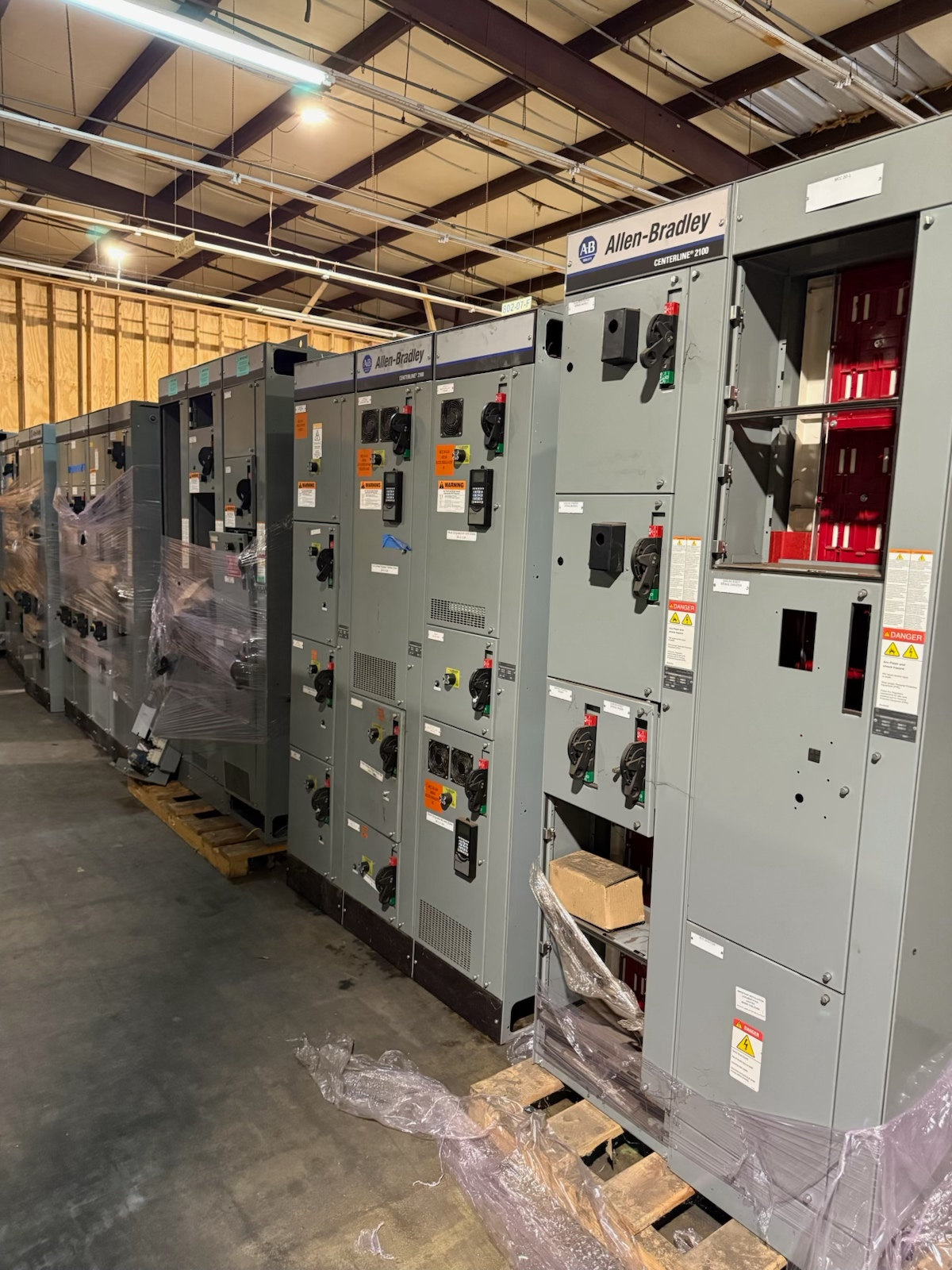
Decide what belongs in the sale
Start by separating the plug-in busway and related items you want to sell from equipment or property that must remain. Mark the intended sale boundary in an inventory or other written record, distinguishing busway sections from fitting inventory and plug-in units, if present. Include only items you are authorized to sell, and note any shared, leased, or otherwise retained property so the proposed sale scope is clear.
We buy used, surplus, and decommissioned electrical distribution equipment in Pennsylvania, including plug-in busway. A cash offer depends on review of the equipment and agreement on the sale scope; not every item will receive an offer. Identifying what is included, what is retained, and what remains uncertain gives us a practical basis to consider the opportunity without assuming that every associated component is part of the sale.
Describe sections and fitting inventory
List busway sections separately from fittings, using existing inventory records where available. Note quantities and the descriptions already associated with each group, and distinguish confirmed counts from estimates. If fittings are grouped or their individual identities are unknown, describe that plainly rather than assigning types or uses that have not been verified. The same approach applies to mixed lots: keep known categories distinct and identify what has not been sorted or documented.
This information helps define the equipment being offered, but it is not a technical assessment. We do not require the seller to test or verify equipment. Do not open, dismantle, disconnect, move, or otherwise handle busway to improve an inventory; owners control access, and any such work belongs to qualified parties. Existing records can provide useful detail without turning the sale discussion into a request for physical inspection or seller testing.
Identify plug-in units, if present
If plug-in units are included, record their presence as a separate inventory category and state what is known about their count or identification. If you are unsure whether units are included, or cannot establish their quantity from records, leave that point unresolved and describe the uncertainty. Keep retained units out of the sale inventory, and make any boundary between included and retained property understandable to the people coordinating the transaction.
Do not infer compatibility, condition, application, or technical characteristics from appearance or brand identifiers. Use existing documentation or labels only to report information already available. Photos and labels are optional, and should be shared only if they are already safely accessible. We can consider the information provided as part of reviewing the proposed sale; acceptance remains subject to review and agreement, and no unit is assumed accepted simply because it appears in a general inventory.
Separate known details from unknowns
A useful sale description distinguishes documented facts from estimates and open questions. For example, records may establish that a quantity of sections is present while leaving the fitting count or unit identification unresolved. State which items are covered by the available records and which are not. If equipment has been decommissioned or its history is incomplete, describe only what is known rather than filling gaps with assumptions about condition or operating status.
This clarity supports a focused review of the actual sale assets. It also helps prevent retained property, missing inventory details, or uncertain item boundaries from being mistaken for confirmed inclusions. We consider equipment based on the information and scope available, then discuss whether there is a fit for a purchase. Any offer is subject to review and agreement; a description, photograph, or label alone does not guarantee an offer or establish acceptance.
Coordinate access and pickup scope
Once the sale assets and retained property are identified, coordinate access and pickup around the owner’s control of the site. The owner or its authorized representatives determine access arrangements and any requirements for qualified parties. We handle cranes, rigging, disconnects, loading, freight, and hauling as part of pickup coordination. Those responsibilities do not call for a seller to perform technical work or physically prepare busway for removal.
Keep the agreed sale boundary available to everyone coordinating the transaction, especially where busway sections, fittings, or plug-in units are near property that is staying. Pickup planning should reflect the equipment actually accepted for purchase and the access arrangements agreed with the owner. We do not ask sellers to disconnect, dismantle, package, or load equipment. Qualified parties handle technical work, while the owner retains control over access and the division between sale assets and retained property.
Review the purchase and payment terms
If the equipment is a fit for purchase, we make a cash offer for consideration. The offer concerns the reviewed sale scope, not automatically every item at a site or every component associated with busway. Any included sections, fitting inventory, and plug-in units should be agreed clearly, along with items specifically excluded or retained. The sale proceeds only by agreement; an inventory submission is not itself an accepted purchase.
Payment is upfront before pickup. We do not require seller testing, and we do not make testing a condition the seller must complete to start a sale discussion. When the scope and terms are agreed, pickup can be coordinated with the owner, including the cranes, rigging, disconnects, loading, freight, and hauling we handle. A clear inventory and a clear retained-property boundary help keep the transaction centered on the equipment both parties have agreed to sell and buy.