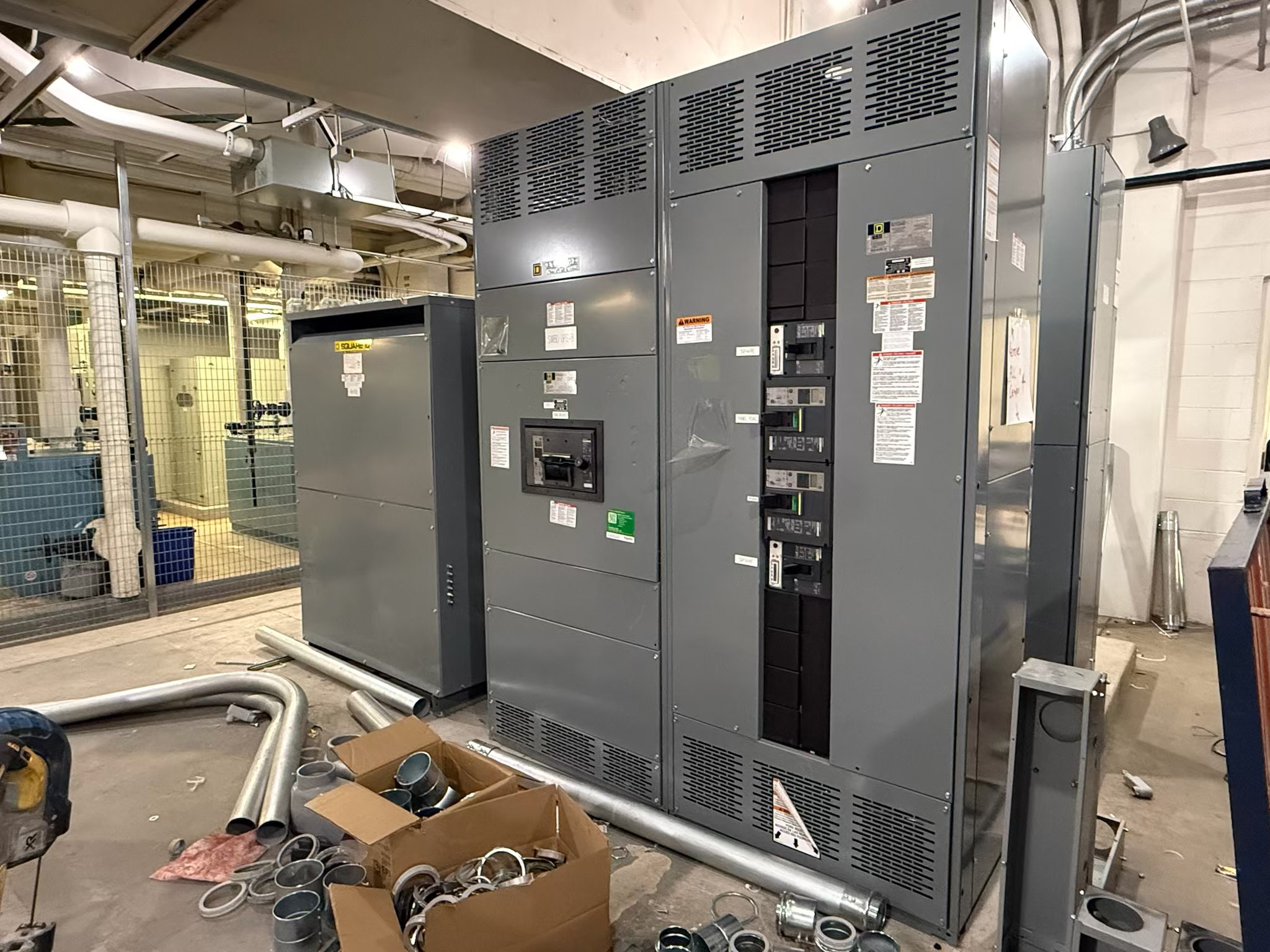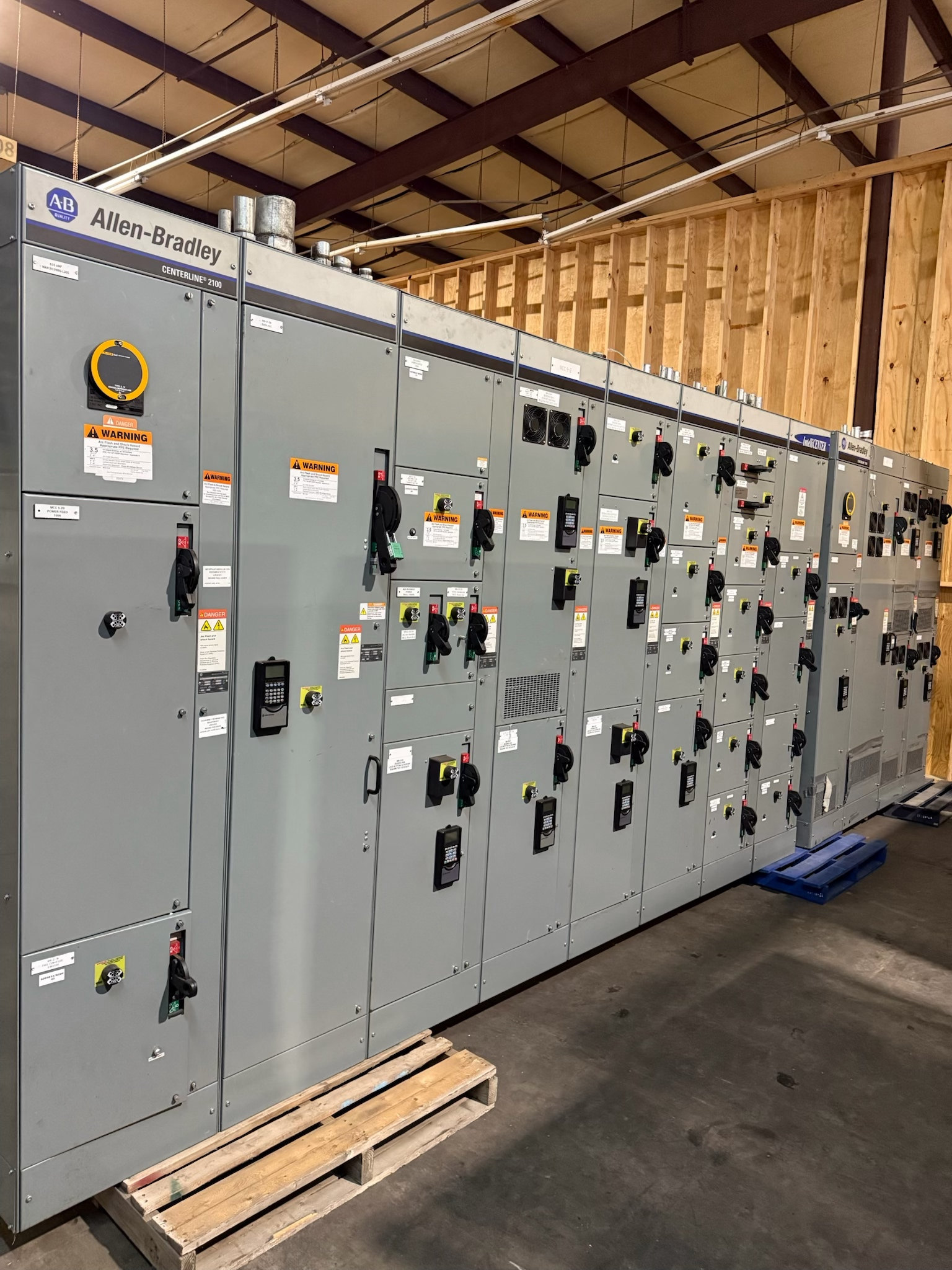
Decide whether to sell or keep storing the panelboards
For a Pennsylvania owner with surplus main-lug panelboards, the first decision is whether continued storage makes more sense than requesting an offer. Selling may be worth exploring when equipment is no longer needed, occupies space, or is part of a broader disposition. Storage preserves the option to use or sell later, but leaves the owner responsible for keeping inventory and access organized. Compare those considerations with a cash offer based on the equipment presented for review; an offer is not assured for every item, and acceptance depends on the equipment and our review.
We buy used, surplus and decommissioned electrical distribution equipment in Pennsylvania. If the panelboards fit our buying needs, we can make a cash offer, with payment upfront before pickup. There is no seller testing. We handle cranes, rigging, disconnects, loading, freight and hauling as applicable to an agreed purchase. The seller can start with what is already known about the inventory and its ownership, rather than arranging testing or physical preparation for an inquiry.
Describe the assembly without assuming a main breaker
A main-lug panelboard is identified by its configuration, but the name alone does not establish the full contents or condition of a particular assembly. Describe what is actually present and distinguish confirmed details from uncertain ones. For example, an owner may know that a panelboard is tagged as main-lug equipment while not knowing whether particular components are present, whether the schedule is current, or whether associated items belong to the same lot. A main breaker should not be presumed included simply because the equipment is being discussed as a panelboard.
A clear inventory can distinguish the panelboard assembly from related equipment offered with it. Note whether the proposed sale concerns one assembly or multiple items, and identify any parts or accessories only when their presence is known. If records use an incomplete or inconsistent description, retain that uncertainty rather than filling gaps by inference. This helps us review the actual proposed inventory and avoids treating an assumed configuration as a confirmed fact.
Use schedules and labels as available information
Readable schedules can help identify how an owner has documented a panelboard and its circuits, but a schedule is not proof that every entry remains accurate or that the equipment has a particular capability. Share the information as recorded, and call out whether it is legible, partial, or unavailable. Labels may also help distinguish items in a larger inventory. Photographs or label details are optional, and should be shared only when already safely accessible; owners retain control of access to the equipment.
Keep known information separate from open questions. A record may identify a location, inventory number, or stated description without establishing current condition or completeness. If a schedule cannot be read or its status is uncertain, say so plainly. We can review the information provided alongside the proposed equipment, without asking the seller to test, energize, open, disconnect, dismantle, or physically handle it for the inquiry.
Organize the proposed sale for review
For an initial review, describe the quantity of main-lug panelboards, the wording of any available identifiers, and whether schedules or other records are available. Indicate which details are confirmed and which remain unknown. If equipment is grouped with other surplus distribution items, make the proposed scope understandable: identify the panelboards separately, then note other items only as relevant to the sale. This gives us a basis to consider the equipment without implying that every item in a mixed inventory will be accepted.
No technical evaluation is required from the seller for an inquiry. Do not arrange seller testing or perform physical work to improve the description. Existing records and optional, safely accessible images can support a review, while questions about technical condition or handling remain with qualified parties. Acceptance is subject to review, and the equipment must be considered as presented; an inquiry alone does not establish that we will buy a particular assembly or lot.
Coordinate scope and pickup responsibilities
If we are interested in the proposed panelboards, the next discussion is about the sale scope and practical coordination. Confirm which items are included, who controls access, and what equipment the owner understands to be part of the lot. Clear scope matters when schedules, labels, and inventory records use different descriptions. The owner can identify uncertainties so both sides can address them before agreeing to a purchase.
For an agreed purchase, we handle cranes, rigging, disconnects, loading, freight and hauling. Payment is upfront before pickup. The seller does not need to arrange testing, and should not undertake disconnects, dismantling, loading, or other physical handling for our review. Owners control access; any coordination should respect that control and be arranged around the actual equipment and agreed scope.
Compare the offer with continued storage
A useful comparison is between a specific offer for equipment we have reviewed and the owner’s expected cost and effort of keeping it in storage. Consider the space it occupies, the value of retaining it for a possible future use, and the uncertainty of when another disposition opportunity might arise. A cash offer provides a concrete option to weigh against those considerations, but only if we make an offer and the owner agrees to its terms. No amount or outcome can be assumed before review.
The decision can also depend on whether the proposed sale includes only the panelboards or a broader surplus lot. A clearly defined scope helps the owner compare like with like and decide whether selling now is preferable to retaining some or all of the equipment. We buy only; this is a purchase discussion, not a service for evaluating equipment for continued operation. Any purchase remains dependent on the equipment and mutual agreement.
Request a review of Pennsylvania inventory
To begin, share a concise description of the main-lug panelboards and the information already available, including readable schedules or labels where safely accessible. Separate confirmed facts from unknowns, and state whether the inquiry covers individual assemblies or a defined group. That lets us consider the proposed equipment without assuming a main breaker, interpreting an unreadable schedule as definitive, or treating related items as included without the owner’s say-so.
We buy used, surplus and decommissioned electrical distribution equipment across Pennsylvania, including switchgear from decommissioned data centers and shut-down power plants across all voltage classes. For panelboards, as for other equipment, acceptance depends on review and the particular inventory. If we agree on a purchase, we provide a cash offer and pay upfront before pickup; we handle cranes, rigging, disconnects, loading, freight and hauling. No seller testing is required.