Selling Main-Breaker Panelboards in Pennsylvania
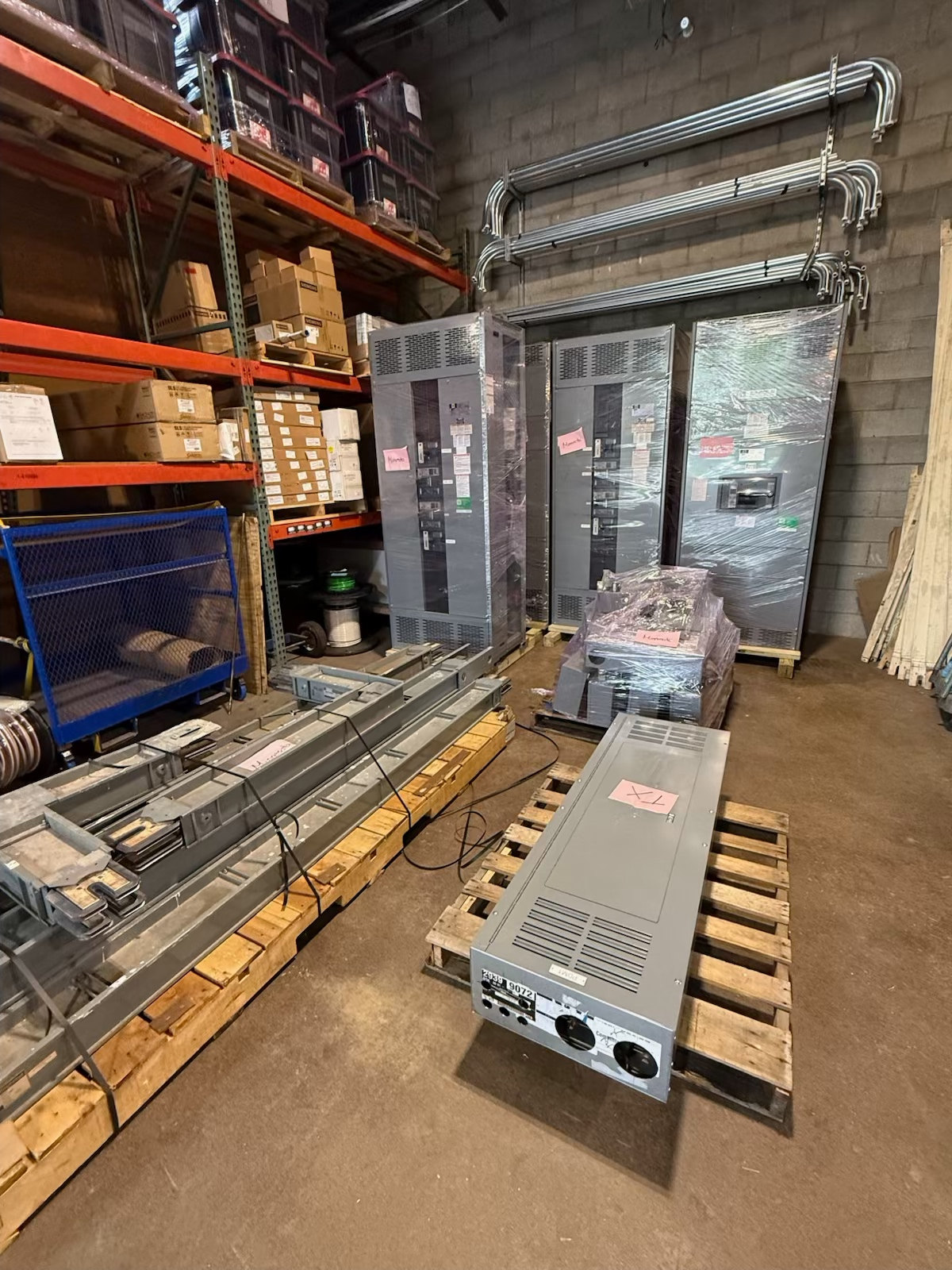
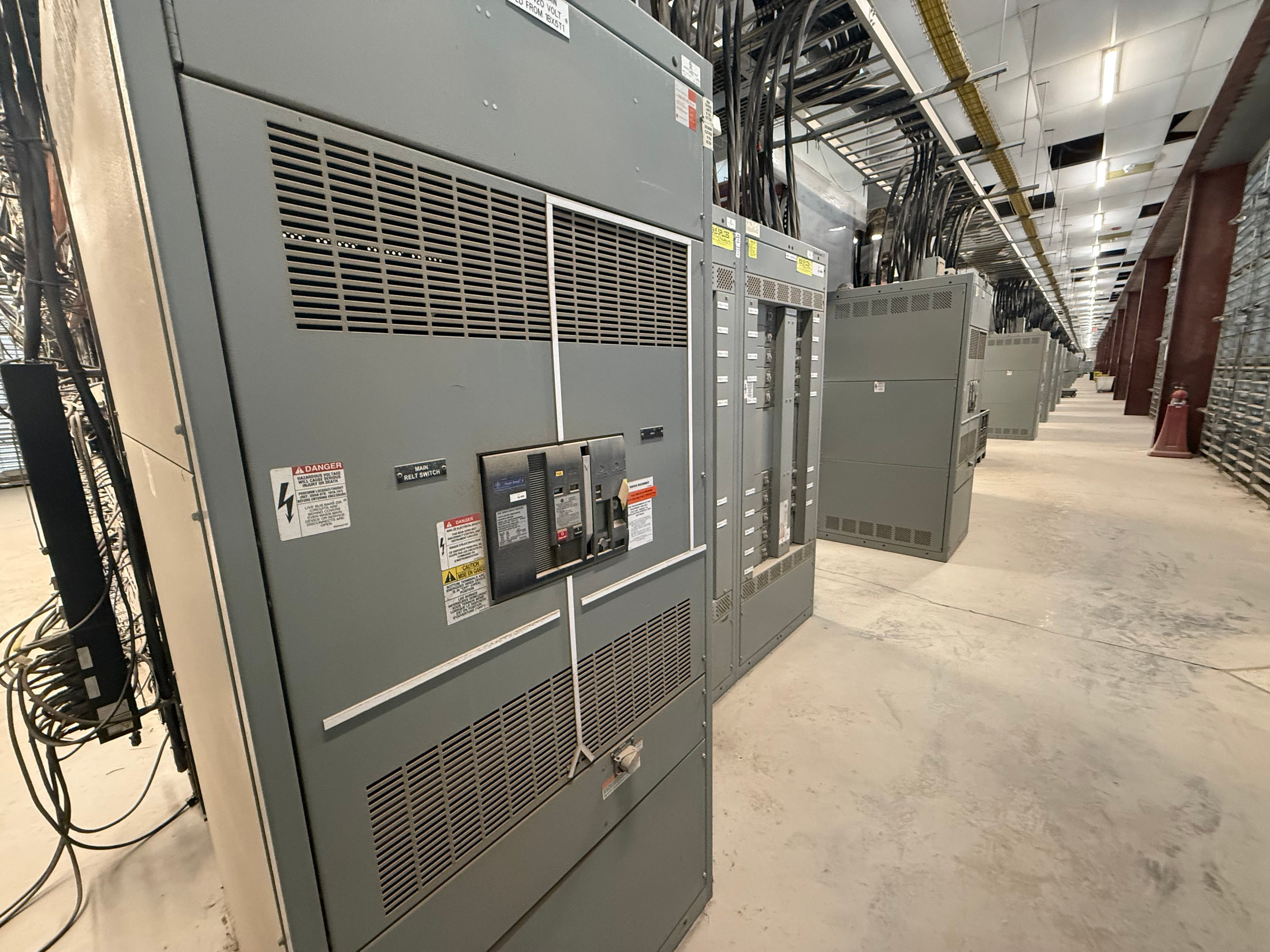
Main-breaker panelboards are assembled distribution equipment, not simply a collection of breakers and a cabinet. When considering a sale, describe the board as it exists: the main device, installed branch devices, enclosure, interior, and any associated sections that are part of the assembly. We buy used, surplus, and decommissioned electrical distribution equipment in Pennsylvania, including main-breaker panelboards. An offer depends on review of the particular equipment and agreement on the sale; not every item is necessarily a fit.
A useful starting point is to identify what is physically included and what is separate or absent. The main-breaker assembly may be offered with its installed branch devices, while loose breakers or other components may be a separate inventory. Distinguishing those items helps establish whether the inquiry concerns a complete board, an incomplete assembly, or a mix of assembled equipment and loose parts. Keep the description to information already available; technical evaluation belongs to qualified parties.
Describe the Main and Branch Inventory
For each board or section, note the main-breaker information that is already visible, along with the number and available identification details of the installed branch breakers. If there are multiple panelboards, describe them separately rather than combining their contents into a single count. Record loose devices separately and indicate whether they are known to belong with a particular board. This gives a clearer picture of the assembly and avoids treating an unverified collection of components as a complete panelboard.
Inventory should distinguish what is present from what is uncertain. If a branch position appears empty, a device is missing, or the installed devices cannot be identified from existing records, say so plainly. Do not infer a board’s configuration from a partial list or assume that loose breakers are compatible with the assembly. Buyer review can consider the stated inventory, while any technical conclusions about equipment condition, suitability, or component relationships remain with qualified parties.
Nameplates, Labels, and Available Records
Nameplate information can help identify a panelboard and its main device. If a nameplate, equipment label, or existing inventory record is already safely accessible, its visible wording may be shared as written. Photos are optional and should only be taken where the information is already safely accessible; obtaining them is not a condition of making an inquiry. There is no need to access restricted areas or alter the equipment to prepare a description.
Separate recorded facts from unreadable or unavailable information. For example, a visible identifier can be reported as legible, while a faded label or uncertain transcription can be described as unclear. Existing documents may help clarify the equipment’s identity or history, but missing records do not need to be reconstructed by the seller. A buyer can review the information provided and determine whether to make an offer based on the specific equipment and what can be established.
Missing Schedules and Uncertain Configuration
Panel schedules can connect branch positions with recorded uses, but a schedule may be missing, outdated, incomplete, or unavailable. If that is the case, identify the schedule status rather than presenting an assumed circuit list. A missing schedule does not by itself establish what is installed or how the board was used. Existing labels, documents, and inventory may offer context, but they should be described according to what they actually show.
When branch assignments are unknown, the distinction matters for an accurate sale discussion. Report the installed devices that can be identified from existing information and leave unverified assignments unresolved. The same approach applies where a board has been altered, partly emptied, or separated from related paperwork: describe the known configuration and identify the open questions. Qualified parties handle technical evaluation; the owner need not test, energize, open, or dismantle equipment to prepare the inquiry.
Clarify What Is Part of the Board
State who owns the panelboard and who owns any associated loose breakers, replacement devices, covers, or other items being offered. Ownership can differ when equipment remains at a facility, is part of a larger decommissioning, or is being presented on behalf of another party. Establishing authority to sell the board and each included item helps prevent confusion about what a buyer may acquire and what must remain in place.
Also distinguish the board from surrounding electrical equipment and building infrastructure. A main-breaker panelboard is not automatically offered with adjacent distribution equipment, feeder conductors, supports, or other site property. Identify only the items included in the proposed sale, and note any boundaries or ownership questions that remain unresolved. The owner controls site access and decisions about the property. Buyer coordination can proceed around that authority without asking the seller to perform technical work or handle the equipment.
Buyer Review and Sale Coordination
Our focus is buying equipment, not selling panelboards or arranging a seller-led test. We review the available description and may make a cash offer for equipment that suits the purchase, subject to review and agreement. An offer is not guaranteed for every panelboard, loose component, or inventory combination. The details that matter can include what assembly is present, what branch devices are included, what identification is available, and what remains uncertain.
If the parties agree to a sale, payment is made upfront before pickup. We handle cranes, rigging, disconnects, loading, freight, and hauling as part of buyer coordination. The seller does not need to test the equipment, energize it, open it, disconnect it, dismantle it, or physically handle it for the sale discussion. Access and site coordination remain under the owner’s control, with qualified parties responsible for technical evaluation and any work requiring their expertise.
From Inventory to a Purchase Decision
A concise inventory can bring the key distinctions together: which main-breaker panelboards are offered, what main and branch devices are present, which items are loose, what labels or records are available, and whether schedules are missing. It can also identify known ownership boundaries and separate confirmed details from unresolved questions. This is more useful than presenting an assumed specification or treating every item on site as part of the sale.
We buy switchgear from decommissioned data centers and shut-down power plants across all voltage classes, as well as other used, surplus, and decommissioned distribution equipment. For a main-breaker panelboard inquiry, the relevant next step is review of the particular inventory and agreement on any purchase. The equipment’s identity and condition are not settled by a general description alone, and acceptance depends on the equipment and mutually agreed sale terms. No seller testing is required to begin that review.