Start with ownership and sale authority
Before discussing individually mounted switchboards, establish who owns the equipment and who can authorize its sale. The seller should be the owner or have documented authority to act for the owner. If equipment is part of a facility closure, utility disposition, contractor inventory, or another organization’s property, confirm the right person can approve the sale and release the equipment. Records of ownership and authorization help distinguish saleable assets from equipment that remains under another party’s control.
Define the proposed sale’s boundaries in writing. Identify the switchboard or switchboards included, their location within the facility, and any associated sections or devices the seller intends to include. A floor plan, asset record, or inventory reference can help connect the proposed scope to the equipment on site. If ownership or inclusion is uncertain for any item, identify that uncertainty rather than treating it as part of the sale by assumption. Acceptance depends on review and agreement about the equipment and sale scope.
What is included in the switchboard?
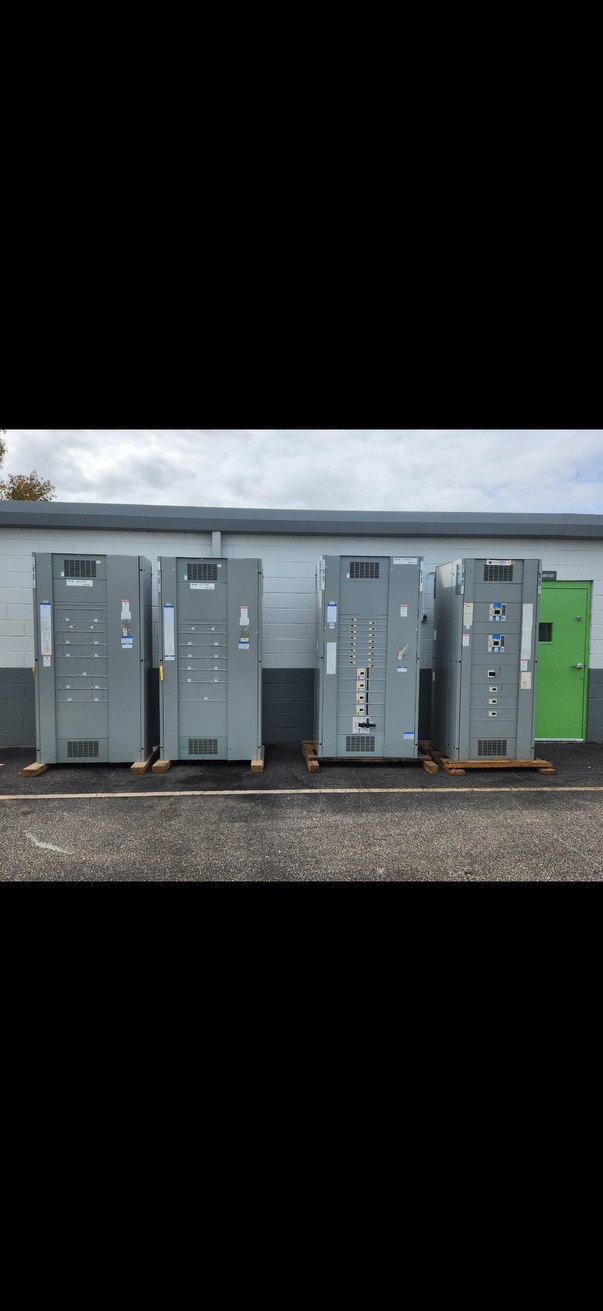
Describe how the switchboard is organized as the seller understands it. Individually mounted equipment may be recorded by section, lineup, or other facility inventory grouping; explain which grouping the records use and how many sections are believed to be included. Where section counts differ across records, note the discrepancy. A count is useful for defining scope, but it does not by itself establish that every section is present, included, or acceptable for purchase.
Separate the switchboard from nearby or related equipment in the inventory. For example, clarify whether a record refers only to the individually mounted switchboard, or also lists separate equipment elsewhere in the room. State which items are included in the proposed sale and which are excluded. This distinction keeps a purchase discussion focused on the property the seller controls and avoids confusing one asset group with another.
What do the records identify?
Share existing records that help identify construction and device identity, such as inventory descriptions, historical equipment lists, or documents retained by the owner. Record the source and date when known, and distinguish a documented fact from a description based on memory or an incomplete record. If a device identity is unclear, report it as unknown rather than inferring it from the switchboard’s appearance or from a nearby label.
Labels and photographs are optional and useful only when already safely accessible to the owner or an authorized representative. There is no need to approach, open, move, or prepare equipment to gather information. A written transcription from existing records may be enough to begin a conversation. The seller remains in control of facility access, and any technical evaluation or physical work belongs to qualified parties.
Separate known details from open questions
A clear inventory can mark each detail as confirmed by a record, reported by a knowledgeable source, or not yet known. This is particularly helpful for construction descriptions, section counts, device identity, and whether a listed item belongs to the proposed sale. If sources conflict, preserve both descriptions and explain what cannot currently be reconciled. Transparent uncertainty gives the buyer a more accurate basis for reviewing the opportunity than an unsupported conclusion.
Do not treat an inventory description as a technical assessment. The buyer can review available information and determine whether the equipment may fit its purchasing requirements; acceptance is subject to review and mutual agreement. We do not require the seller to test equipment. No one needs to energize, open, disconnect, dismantle, or physically handle the switchboard to prepare an initial inventory.
Plan access and removal coordination
Discuss the site’s access requirements and the seller’s control of the location before planning a pickup. Share any known scheduling, authorization, or coordination constraints through the responsible site contact. Clarify who can approve access and who will coordinate with facility representatives. These details help determine whether the stated sale scope can be matched to an agreed removal plan without asking the seller to undertake equipment work.
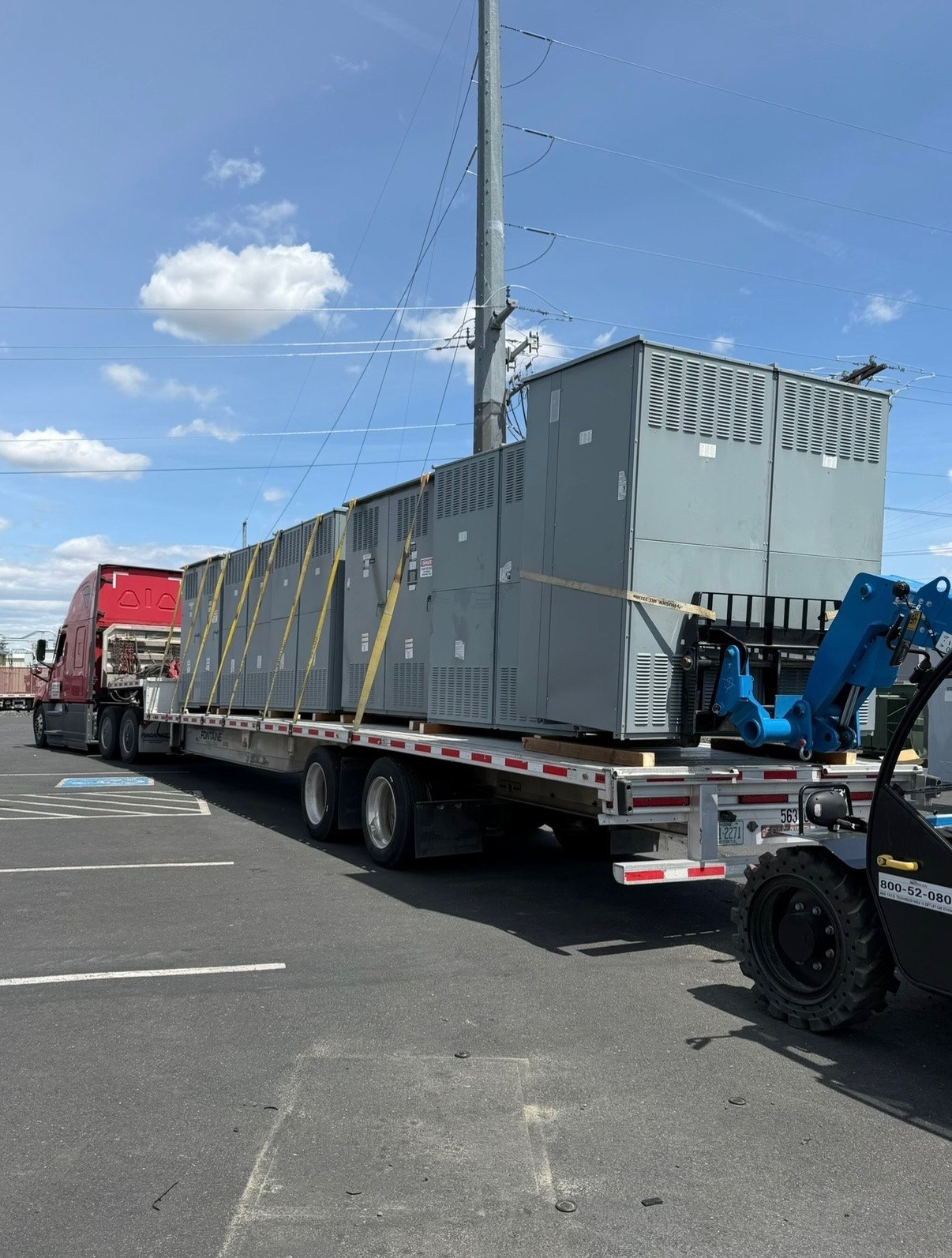
For an agreed purchase, we handle cranes, rigging, disconnects, loading, freight, and hauling. The seller does not need to arrange those services as a condition of discussing the equipment. Removal planning follows agreement on the sale and coordination with the site’s authorized parties. Any access or site requirements should be raised in advance so the parties can confirm a workable plan for the specific equipment and location.
Understand the purchase and payment terms
We are a buyer, not a sales or brokerage service. We review information about used, surplus, and decommissioned equipment and may make a cash offer when the equipment and circumstances are suitable. An offer is not assured for every item, and the amount and purchase decision depend on review of the equipment and the proposed sale. The parties must agree on what is included and on the transaction before proceeding.
Payment is made upfront before pickup. The seller should confirm the agreed sale scope and payment arrangement with the buyer before removal is scheduled. No seller testing is required. Following agreement, we coordinate the equipment removal and transportation work we handle, including cranes, rigging, disconnects, loading, freight, and hauling. The site owner or authorized party retains control over access and coordination at the facility.
Prepare a focused equipment discussion
A useful initial discussion can begin with the ownership or sale authority, the number of individually mounted switchboard sections believed to be included, available construction records, and any device identities already documented. Add the equipment’s location and the name or role of the person authorized to discuss access. Mark details that are missing or uncertain plainly. This concise account helps keep the conversation centered on the actual property rather than assumptions about adjacent equipment or undocumented characteristics.
Once the scope and available records are understood, the buyer can review whether the equipment may be suitable for purchase and discuss an offer if appropriate. Any purchase remains subject to review and agreement. If accepted, payment is upfront before pickup, and we handle cranes, rigging, disconnects, loading, freight, and hauling. The seller’s role is to establish authority and scope and coordinate access with the responsible site parties.