Start with the switchboard inventory
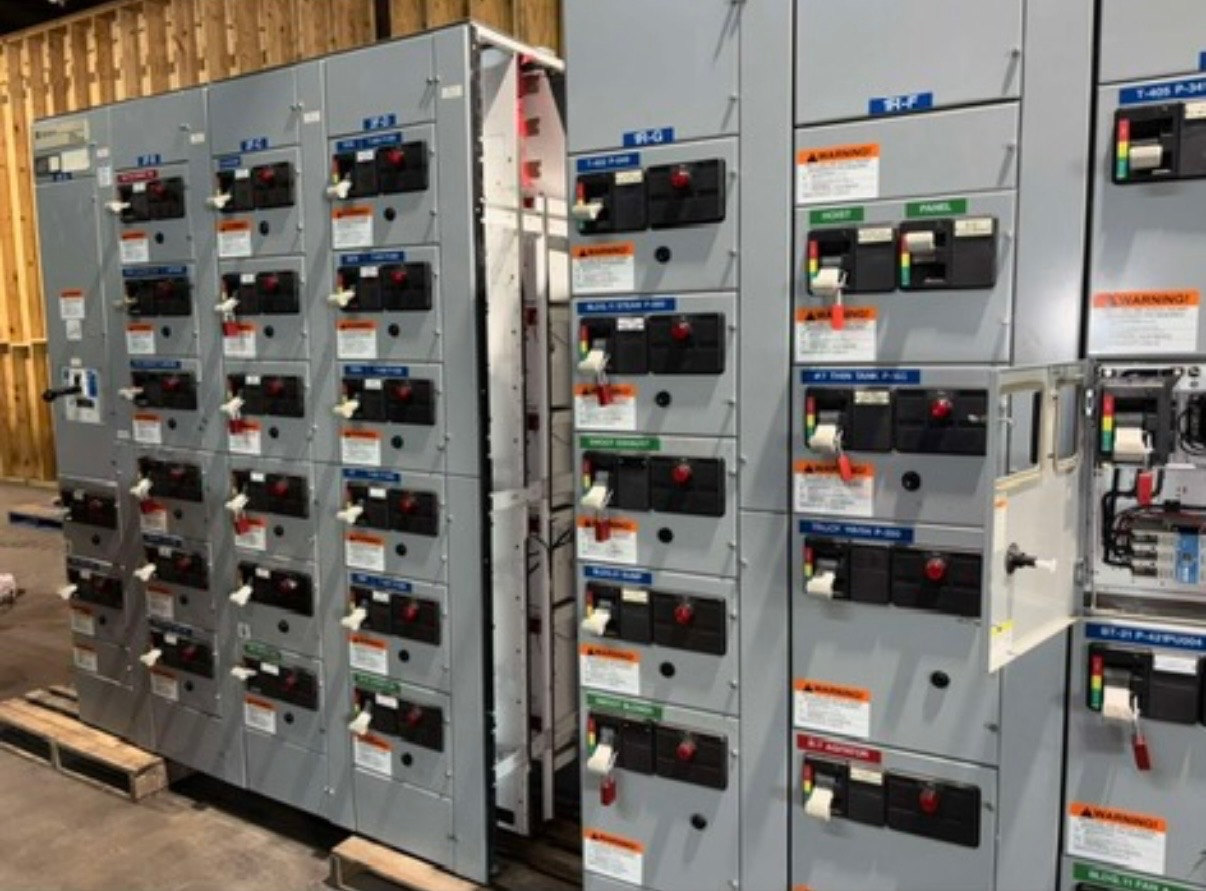
For a Pennsylvania sale, begin by identifying each metered electrical switchboard as an individual item and recording whether it is offered alone or as part of a larger equipment lot. Note the quantity, general description, and any visible manufacturer or nameplate information already available to you. Include metering components in the inventory when they are part of the proposed sale, and distinguish them from separate equipment or components that are not included. This gives us a clear basis to review the actual sale scope rather than assume what belongs with the board.
Keep known information separate from questions that remain unresolved. You may know that metering is present without knowing its condition, function, or whether it is complete; the inventory can state that plainly. Do not infer that the metering operates or that the switchboard is suitable for a particular application. Photos and labels are optional, and should be shared only when already safely accessible. Review depends on the equipment and the information available, and acceptance is subject to review and agreement.
Define what is included in a single-item sale
When offering one switchboard, describe the item as it stands and identify the metering included in the proposed sale. If associated components, documents, or other equipment are excluded, make that boundary clear. A concise, accurate description helps separate the switchboard itself from nearby equipment that may belong to a facility inventory but not to this transaction. It also avoids treating an unverified component as included simply because it is shown or stored beside the board.
A single-item offer can be a straightforward way to present one identified piece of equipment, but the decision to make an offer depends on review of that specific item. We buy used, surplus, and decommissioned electrical distribution equipment; we do not promise an offer on every item. Information about metering should describe what is known, not imply performance. No seller testing is needed for our review, and sellers should not test, energize, open, disconnect, dismantle, or physically handle equipment for this purpose.
Compare a mixed lot by clear boundaries
A mixed lot may include one or more metered switchboards alongside other electrical distribution equipment. Inventory each switchboard separately, identify which metering is included with each, and list other equipment as distinct items. State whether the proposed sale covers the full group or only selected pieces. This item-by-item outline makes it easier to compare a lot with a single-item sale without assuming that every item has the same status, contents, or sale terms.
A combined lot can be reviewed as a proposed group, while an individual switchboard can be considered on its own. Neither approach guarantees acceptance or an offer: the decision depends on the equipment and the agreed scope. If some items are known and others are not, retain that distinction rather than filling gaps with assumptions. We can review the inventory and discuss a cash offer for equipment we agree to buy. The agreed purchase scope should identify the items covered before pickup is coordinated.
Separate metering details from operating claims
Record metering as an included feature or component only to the extent you can identify it from information already available. For example, an inventory can note that metering is present, that its inclusion is uncertain, or that its status is unknown. Those descriptions communicate the sale scope without making a claim about accuracy, operation, completeness, or compatibility. If a label is already safely visible, its wording may help identify the item; obtaining additional access is not required for an initial discussion.
Unknown details do not need to be converted into conclusions. Leave unverified characteristics marked as unknown, and avoid assigning a technical rating or describing a specific use unless that information is already documented and relevant to the proposed sale. Our review is not a request for the seller to perform technical evaluation. Qualified parties control any technical evaluation and site access. Owners retain control of access to the equipment, and no one should disturb the board to create information for an inquiry.
Use the broad equipment review for context
A general used-equipment inventory can provide context for a wider sale, but metered switchboards benefit from a distinct line in the inventory that identifies the board and the metering included. This page’s focus is that item-level distinction, not a substitute for listing every other surplus asset. If your sale includes additional distribution equipment, describe those items separately and indicate whether you are proposing them together or independently. Clear boundaries allow the broader inventory and the switchboard-specific details to be considered without conflating them.
We buy switchgear from decommissioned data centers and shut-down power plants across all voltage classes, as well as other used, surplus, and decommissioned electrical distribution equipment. That buying scope does not establish that a particular metered switchboard will be accepted. Review is specific to the equipment offered, its described contents, and the proposed sale scope. A manufacturer name or other identifier can help distinguish inventory, but it does not by itself establish condition, suitability, or an offer.
Coordinate review and pickup
Once the inventory distinguishes the switchboard, included metering, and any other lot items, we can review the proposed sale and discuss whether there is a basis for an offer. If we agree to buy, we make a cash offer and payment is made upfront before pickup. Payment and pickup arrangements apply to the equipment covered by the agreement; the inventory and agreed scope should align so there is no uncertainty about which items are being sold.
We handle cranes, rigging, disconnects, loading, freight, and hauling for equipment we purchase. Sellers do not need to arrange those activities or physically prepare the switchboard for removal. Owners control site access and any site-specific coordination. No seller testing is required, and no operational claim about metering is needed to begin an inventory discussion. Any technical evaluation and handling belongs to qualified parties, with access coordinated under the owner’s control.
Keep the sale decision tied to the actual equipment
A useful offer discussion starts with what is present, what is included, and what remains unknown. For one switchboard, identify the item and its included metering. For a mixed lot, provide the same distinction for each relevant switchboard and separate the other equipment in the proposed group. This inventory-first approach supports a focused review while leaving technical questions unresolved unless reliable information is already available. It also lets you compare an individual sale with a lot proposal on the actual boundaries you intend to sell.
Any purchase is subject to review and agreement, and offers are not available for every item. If we agree on the equipment and sale scope, the cash offer and upfront payment before pickup provide clear commercial terms. We then handle the cranes, rigging, disconnects, loading, freight, and hauling associated with the purchased equipment. The next useful step is an accurate inventory, not a claim that the metering works or a request for the seller to test or handle the switchboard.