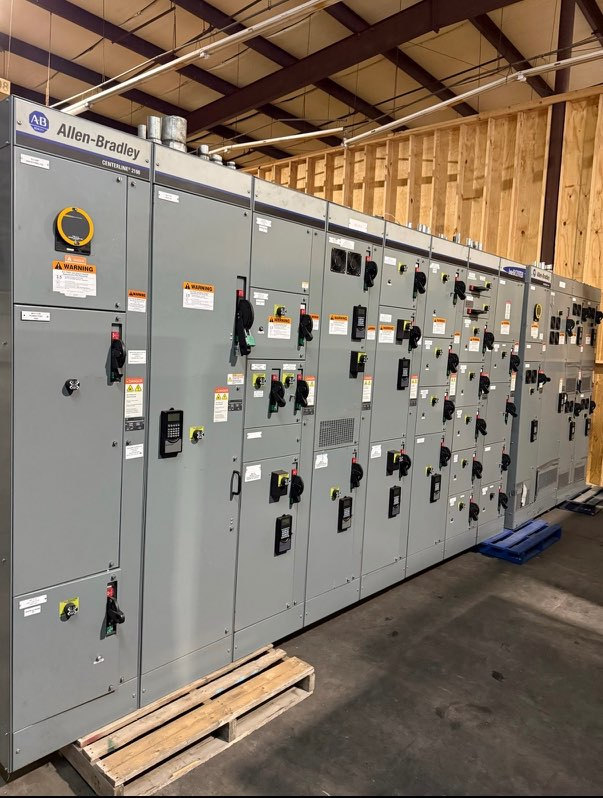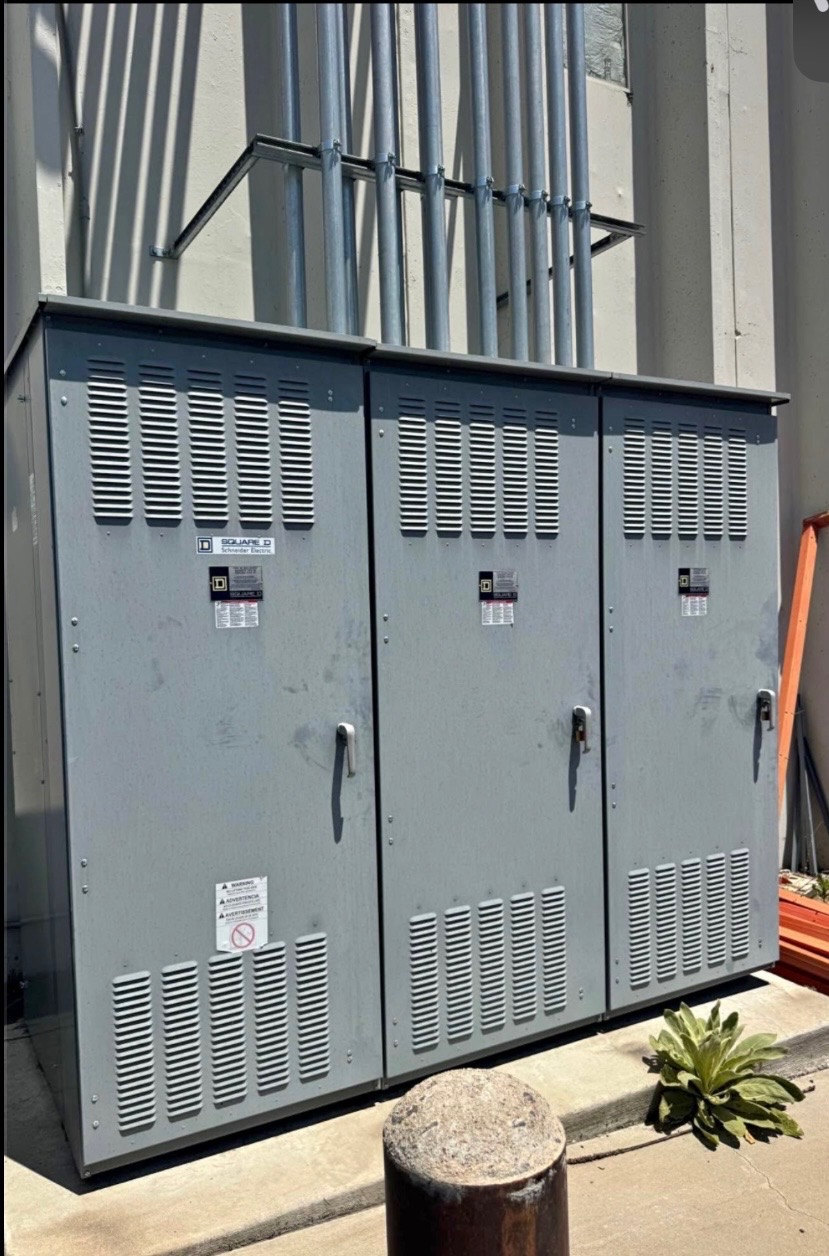
Selling fusible-switch electrical switchboards in Pennsylvania
A fusible-switch switchboard sale begins with identifying the equipment as it is documented, not assuming details from its appearance. A Pennsylvania owner may have a complete lineup, individual sections, or equipment remaining after a facility shutdown. Existing records can establish how the equipment was described, where it served, and what components were included. Our buying interest is subject to review and agreement; it depends on the equipment and the information available.
We buy used, surplus, and decommissioned electrical distribution equipment, including switchgear from decommissioned data centers and shut-down power plants, across all voltage classes. For a fusible-switch switchboard, the useful first distinction is between facts supported by records and details that remain unknown. A cash offer may be available after review. We do not promise an offer for every item, and an offer is not a commitment until both parties agree on the sale terms.
Use existing records to describe the equipment
An inventory can describe the switchboard by its recorded name, manufacturer if documented, section count, and the labels or identifiers already present in facility records. Available drawings, schedules, prior asset records, and photographs can help clarify whether the inventory refers to a complete lineup or only selected sections. These materials are useful as descriptions; they do not establish condition or suitability beyond what they expressly document.
For the fusible devices, record only what an existing document identifies. The records may name a device or show its location in a section, while omitting whether it is present, complete, or in serviceable condition. If the paperwork does not answer those questions, leave them unresolved rather than filling gaps with assumptions. Owners control access to the equipment. Photos and labels are optional, and should be shared only when already safely accessible.
Separate known details from open questions
A clear sale discussion distinguishes documented facts from unknowns. For example, records might identify a switchboard as containing fusible-switch sections, while not establishing whether every listed section remains at the site. An inventory may show section designations without explaining whether the lineup is intact or whether components have changed since the record was prepared. Stating the source and date of available information helps keep those distinctions clear.
Condition is a separate matter from identification. Paperwork may describe the equipment’s former role or list components, but that does not confirm present operating condition, completeness, or readiness for reuse. We do not ask sellers to test equipment. Qualified parties can address technical evaluation as appropriate; the sale conversation can proceed using existing documentation and an accurate account of what the owner knows, without turning uncertainty into a representation.
Define the scope offered for sale
The proposed scope matters because a switchboard may be discussed as a complete assembly, several sections, or selected equipment from a larger installation. Use the owner’s existing inventory and records to say which items are included and which are excluded. If the documents do not establish whether a listed fusible device belongs with a particular section, identify that uncertainty rather than treating the relationship as confirmed.
Scope can also include the quality of the records themselves: whether they appear to cover the entire inventory, only a portion, or a past configuration. A buyer can review what is offered alongside those limits. Avoid describing unlisted parts as included, or representing a lineup as complete unless the available information supports that statement. Acceptance is subject to review, and the final sale scope depends on mutual agreement about the equipment being sold.
An illustrative inventory situation
Consider an owner preparing a sale after a facility has closed. The available inventory names a fusible-switch switchboard and identifies several sections, while an older schedule describes some of the equipment’s former arrangement. The owner can present those records as evidence of what is documented, explain that the schedule may not confirm the current configuration, and identify any sections whose presence or inclusion is uncertain. No physical examination by the seller is needed to make that distinction useful.
That account gives a prospective buyer a basis to review the opportunity without treating old records as a condition report. If existing, safely accessible photographs or labels add context, the owner may choose to share them; they are not a prerequisite. Questions that cannot be answered from the records remain open for qualified parties to address. Whether any equipment is accepted, what items are included, and whether a sale proceeds all depend on review and agreement.
Buyer review and sale terms
We review the described equipment and proposed scope before deciding whether to make an offer. Relevant context includes what the records identify, what the owner is offering, and which details remain uncertain. Technical evaluation belongs to qualified parties, not to a seller performing tests or procedures for a sale. This approach keeps the equipment description tied to available evidence while allowing the buyer to decide whether the opportunity fits its purchasing needs.
If we make an offer and the parties agree to proceed, we provide a cash offer with payment upfront before pickup. The arrangement is for buying equipment only; we are not offering replacement equipment or a resale package. An offer is not guaranteed, and acceptance depends on the equipment and agreed scope. The payment and pickup plan should be understood as part of the sale agreement before the equipment is collected.
Pickup coordination for the agreed equipment
For an agreed purchase, we handle cranes, rigging, disconnects, loading, freight, and hauling. Those logistics are coordinated for the purchased scope and do not require the seller to perform technical work or physical handling for the sale. The owner controls access to the site, and pickup arrangements can be coordinated around the agreed equipment and the site’s access requirements.
Keeping the inventory scope and available documentation clear supports a more orderly handoff. The buyer and owner can confirm which sections are included, what information accompanies them, and how access will be coordinated before pickup. Any unresolved technical questions remain for qualified parties; they should not be answered through seller testing or unverified assumptions. When the parties agree on the equipment and terms, payment is made upfront before pickup and we manage the listed removal and transportation coordination.