Decide what you own and what is available for sale
Before discussing a sale, establish that you have authority to sell the fusible switchgear and define the equipment included. Confirm the owner, the organization authorized to act for the owner, and the person permitted to approve an offer and arrange access. If the equipment belongs to a facility, clarify who can authorize the transaction and coordinate its release. A clear ownership path helps keep the equipment scope, sale approval, and pickup arrangements aligned.
Describe the intended sale boundary in practical terms: which switchgear is included, whether the sale covers one unit or a broader group, and whether any associated items are part of the same offering. Existing inventories, asset records, purchase documents, and facility records can help establish that scope. Identify known details separately from unanswered questions. Do not assume that nearby equipment, spare fuses, accessories, or other materials are included unless the owner has authority to include them and agrees to the scope.
Identify fusible equipment from records
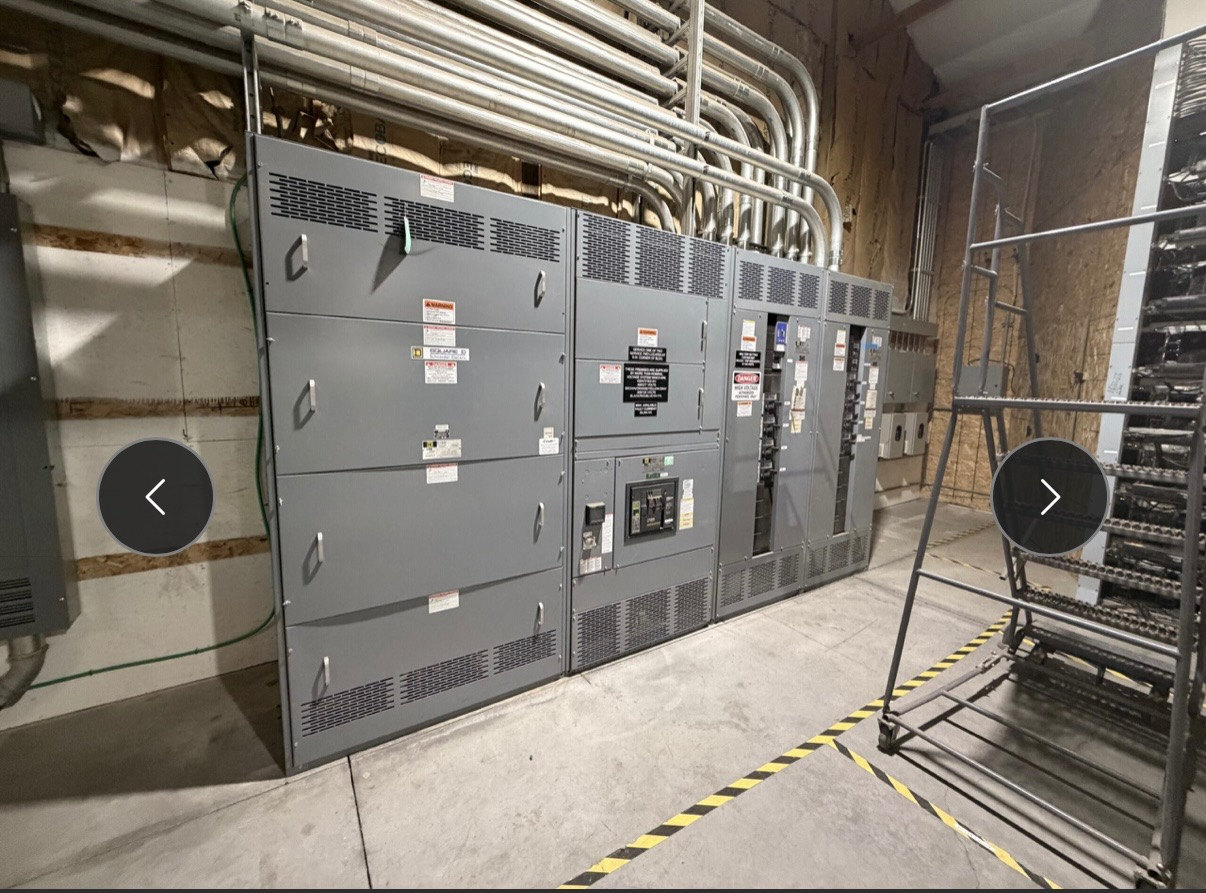
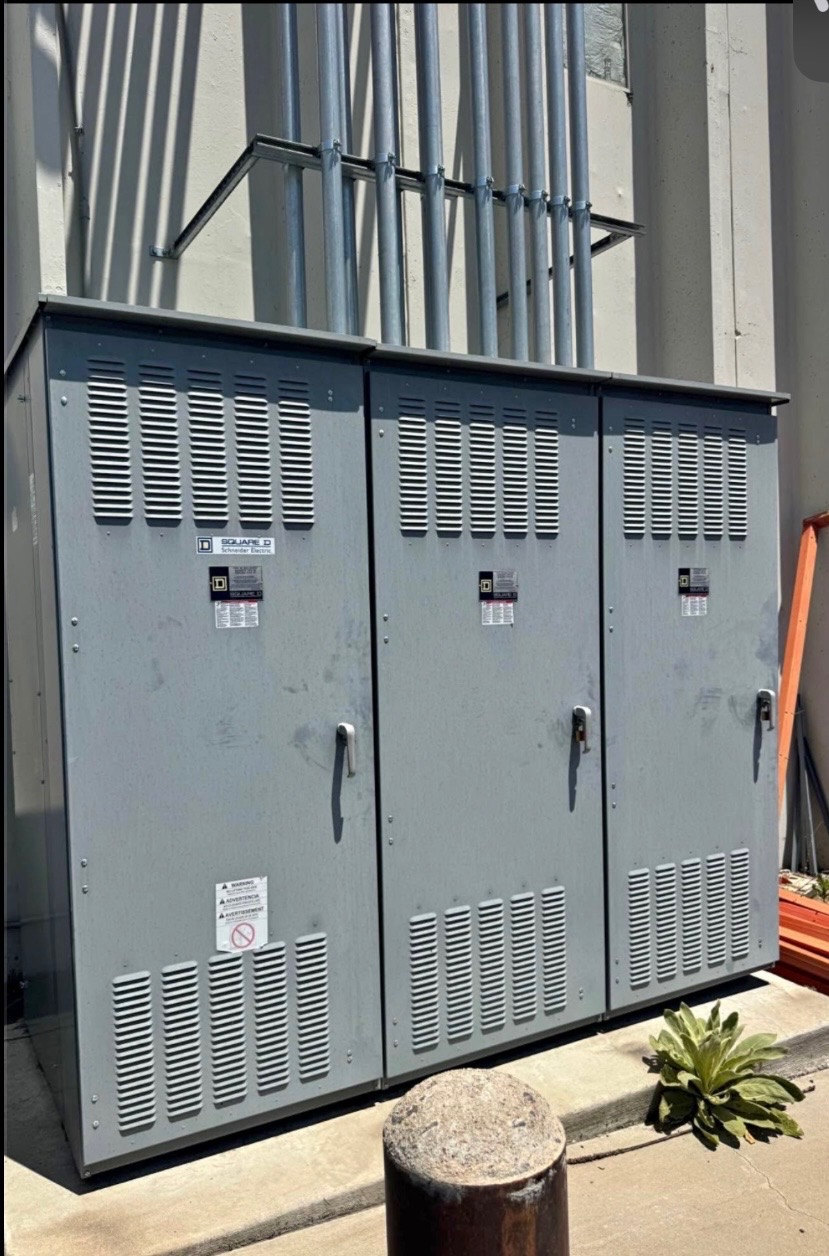
Use information already available to describe the equipment, including records that identify switches, fuse compartments, and nameplates. Existing asset lists, equipment schedules, photographs, and facility documentation may help distinguish fusible switchgear from other electrical distribution equipment. Share only details you can substantiate, such as recorded manufacturer or identification information; treat missing, unclear, or conflicting information as unknown rather than filling gaps by inference.
Photographs or label information are optional and useful only when already safely accessible. Owners retain control of facility access, and all inspection or equipment handling belongs to qualified personnel. There is no need to arrange seller testing or to obtain new images by approaching, opening, or otherwise handling equipment. A buyer review can begin with the available description and records; acceptance remains subject to review of the equipment and the proposed sale scope.
Separate documented facts from open questions
A useful inventory distinguishes confirmed information from items that still need clarification. For example, records may identify a switchgear group and its nameplates while leaving the condition, completeness, or status of individual components unknown. Keep those categories separate in your description. This gives a prospective buyer a sound basis to review the opportunity without presenting assumptions as verified facts.
Note discrepancies rather than resolving them through guesswork. A record may cover a larger group than the equipment the owner intends to sell, or an available label may not correspond clearly to a particular item. Explain what the source document identifies and what remains uncertain. If qualified personnel later provide additional information, it can be considered in the sale review. Do not perform testing or physical inspection for the purpose of preparing an offer; the buyer does not require seller testing.
Define the equipment boundary and facility scope
Scope includes more than the equipment description. State whether the proposed sale concerns identified fusible switchgear only or a defined group of electrical distribution equipment, and clarify what the owner expects to remain in place. Identify any stated exclusions and note where the available records do not establish an item’s inclusion. This is particularly important when equipment is part of a larger facility inventory or when several assets are grouped under one record.
Also describe the known pickup context at a level your organization can confirm, such as whether access must be coordinated through facility representatives. The owner controls access and any site-specific requirements. Qualified parties are responsible for technical evaluation and physical work; sellers should not open, disconnect, dismantle, move, or otherwise handle equipment to establish the scope. Keeping sale boundaries and access authority clear helps the parties discuss the same equipment and plan next steps responsibly.
Submit the opportunity for buyer review
Once ownership and scope are established, provide the available inventory information for review. A concise description can identify the equipment as fusible switchgear, summarize the records available, distinguish confirmed facts from unknowns, and state which items the owner proposes to sell. Optional photos or nameplate details may supplement that description if they are already safely accessible. Do not delay a conversation merely because some information is unavailable; identify the gap clearly so it can be considered during review.
We buy used, surplus, and decommissioned electrical distribution equipment, including switchgear from decommissioned data centers and shut-down power plants, across all voltage classes. Each opportunity is reviewed on its own information and scope. An offer is not automatic for every item, and acceptance depends on the equipment and our review. Any proposed sale proceeds only when the parties agree on the equipment included and the transaction terms.
Agree on payment and pickup terms
For equipment we agree to buy, we make cash offers and payment is made upfront before pickup. The agreed sale scope and payment arrangement should be clear before pickup is scheduled. This gives the seller a defined transaction point before the equipment leaves the facility and lets both parties coordinate around the same approved inventory. No offer should be treated as agreed until the parties have accepted its terms.
We handle cranes, rigging, disconnects, loading, freight, and hauling as part of coordinating pickup for equipment we buy. Sellers do not need to arrange those services or prepare equipment through physical work. Access and scheduling still require coordination with the owner or the owner’s authorized facility representatives. Technical evaluation and equipment handling are left to qualified parties, while the seller’s role is to confirm ownership, sale authority, scope, and access arrangements.
Coordinate a sale without seller testing
No seller testing is required. Base the initial discussion on existing records and information that the owner can provide without handling the equipment. If the records do not establish a particular detail, label it unknown; do not energize, open, disconnect, dismantle, or move equipment to answer the question. Any technical evaluation or physical activity belongs to qualified personnel, with access controlled by the owner.
After the available information is reviewed, the parties can clarify the proposed inventory, the owner’s authority to sell it, and the conditions for access and pickup. We can make a cash offer when the equipment and scope are suitable for purchase, with payment upfront before pickup. If the equipment is accepted and terms are agreed, we coordinate and handle the crane, rigging, disconnect, loading, freight, and hauling needs. This keeps the process centered on a clearly authorized sale rather than asking the seller to test or manage the equipment.