What switchgear can I sell from Ambridge, PA?
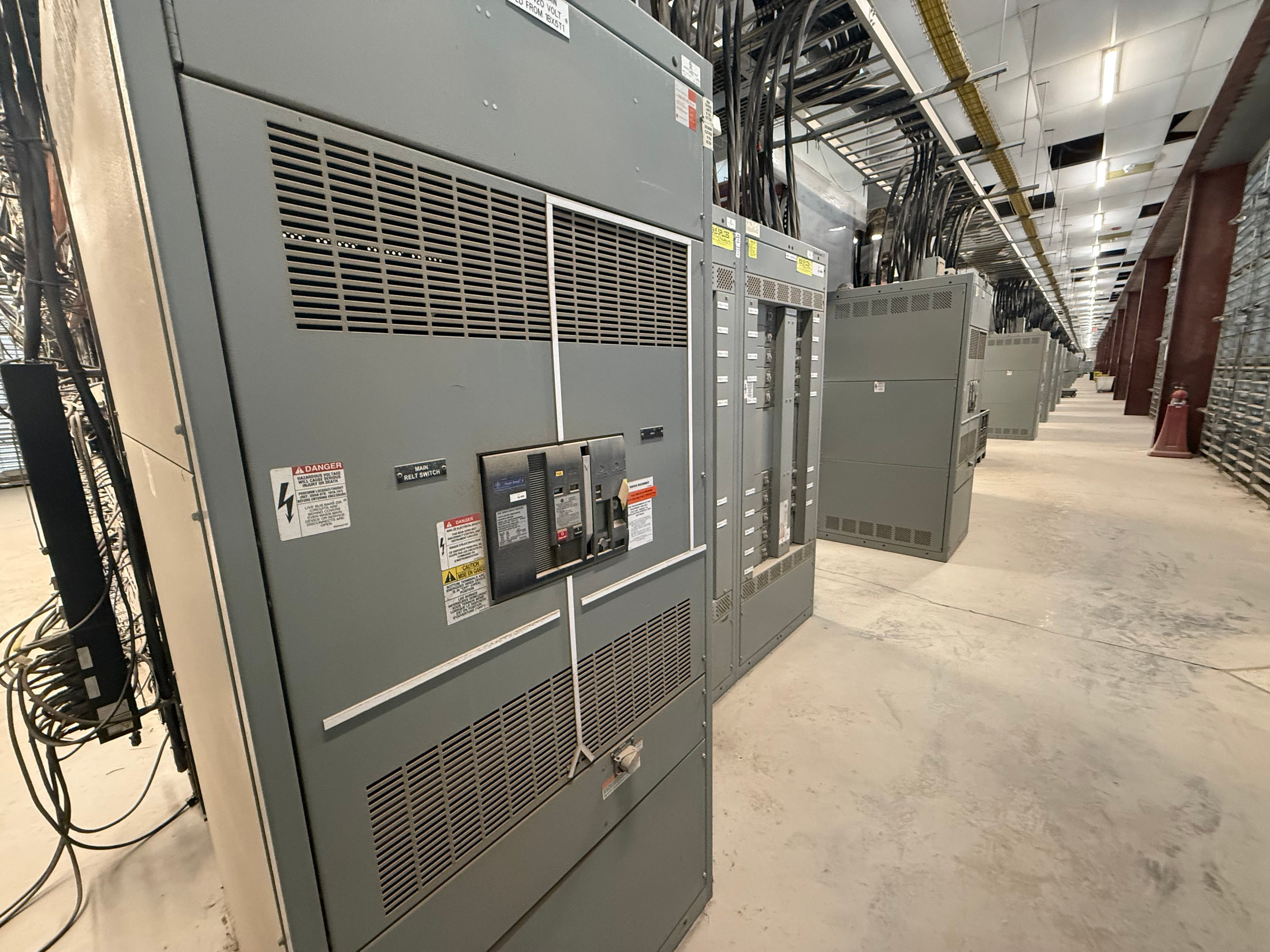
We buy used, surplus, and decommissioned electrical distribution equipment from sellers in Ambridge and throughout Pennsylvania. Switchgear is the focus: equipment from many voltage classes may be considered, including gear removed from decommissioned data centers and shut-down power plants. An offer depends on the equipment and the details available; not every item will qualify for an offer.
Start by identifying the equipment you own or are authorized to sell. Separate switchgear from other electrical equipment, accessories, spare parts, and materials so the proposed inventory is clear. Include items that are incomplete, surplus, or awaiting disposition in a separate group rather than blending them into a complete lineup. This helps establish what is actually available and avoids treating different equipment as a single package.
How do I reconcile equipment awaiting owner release?
If a contractor is separating removed gear from equipment still awaiting owner release, keep those groups distinct. A contractor’s possession of equipment does not by itself establish that it can be sold. Confirm which items the owner has released for sale and identify any items that remain under the owner’s control. The available inventory should include only equipment the seller is authorized to offer.
For each group, note its current disposition: removed and available, removed but not released, or still in place and subject to owner coordination. Record the person or organization responsible for confirming release, without representing that approval has been granted when it has not. If release status changes, update the inventory before discussing a sale. This distinction gives the buyer a usable scope and helps prevent a proposal from including gear that cannot yet be transferred.
What information helps define the inventory?
A practical inventory identifies each lineup, section, or individual item in terms the seller can verify. Record known manufacturer names, voltage class or ratings shown on existing labels, general equipment type, quantity, and whether the gear is complete or has known missing components. These details identify what is being discussed; a label or rating alone does not establish condition, configuration, or suitability for a particular use.
Photos and label information can help clarify inventory when they are already safely accessible. They are optional. Do not enter restricted areas, approach equipment, or handle anything to obtain them. If reliable details are unavailable, say so and provide what is known from existing records. Clear distinctions between confirmed information and unknowns are more useful than guesses, particularly when removed equipment and equipment still awaiting release are part of the same broader project.
How should I describe condition and scope?
Describe condition using information already available to you, such as whether equipment is used, surplus, decommissioned, incomplete, or reported to have a known issue. Do not present an assumption as a verified condition. If the history is uncertain, state that it is unknown. The buyer does not require the seller to test the equipment; an offer can be considered using the available inventory details and agreed scope.
Define whether the proposed sale covers an entire lineup, selected sections, or individual pieces. Note any items excluded from the sale and any parts or accessories included. For a project with mixed ownership or release status, make exclusions explicit so the buyer and seller are discussing the same equipment. Final scope and any offer depend on the equipment presented and the parties’ agreement; sharing an inventory does not itself commit either party to a transaction.
Who coordinates access and site logistics?
The seller or owner controls access to the site and determines when equipment may be accessed. For equipment that has already been removed, clarify where it is held and who can authorize access. For gear still in place, coordinate timing and access through the owner’s designated contact. These arrangements are specific to the site and the equipment, so describe only the access conditions that have actually been established.
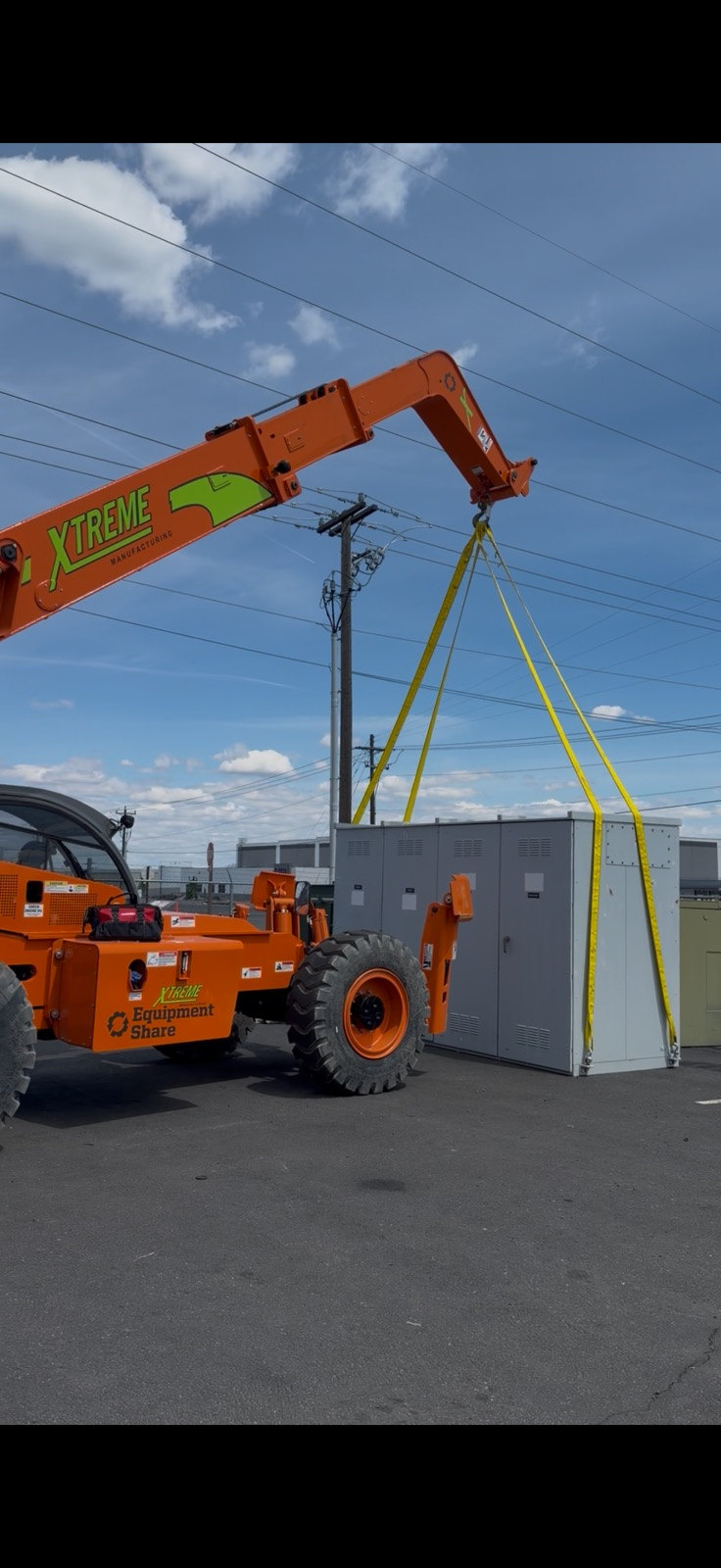
For an agreed purchase, we handle the physical removal and transportation arrangements, including cranes, rigging, disconnects, loading, freight, and hauling. The seller does not need to arrange those services as part of the sale. Site access and the agreed equipment scope still need to be coordinated with the owner. No one should undertake handling or preparation on the buyer’s behalf before the scope and arrangements are agreed.
When does payment happen, and is seller testing required?
We make cash offers for equipment we are interested in purchasing. If the parties agree to a sale, payment is made upfront before pickup. Pickup and removal follow the agreed scope and coordination with the owner. These terms give the seller a clear sequence: first establish the inventory and authority to sell, then agree on the equipment and offer, then receive payment before pickup.
Seller testing is not required. Do not energize, open, disconnect, dismantle, or physically handle equipment to support an inquiry. Existing records and information that are already safely accessible are sufficient to begin discussing the inventory. If important details are not known, identify them as unknown rather than arranging testing or making unsupported claims about condition.
What should I send for a purchase discussion?
Provide a concise description of the equipment, quantities, known ratings or voltage classes, and any available manufacturer or condition information. Separate items available now from those awaiting owner release, and identify anything excluded. Include the seller’s authority to offer each group and the site contact responsible for access coordination. Optional photos or label details may be shared only when already safely accessible.
This information supports a focused discussion about whether the equipment may be of interest and what scope could be considered. It does not guarantee an offer: interest depends on the equipment, and any purchase proceeds only by agreement. For Ambridge sellers and other Pennsylvania owners, the same straightforward approach applies—reconcile what is available, establish release and access, and define the sale before pickup is scheduled.