Selling Switchgear in Beaver Falls, PA
For Beaver Falls, Pennsylvania owners considering a switchgear sale, the first step is to describe the equipment and its ownership status—not to prepare it for testing. We buy used, surplus and decommissioned electrical distribution equipment, including switchgear from decommissioned data centers and shut-down power plants. We consider equipment across all voltage classes, with any offer depending on the specific equipment and the terms the parties agree on.
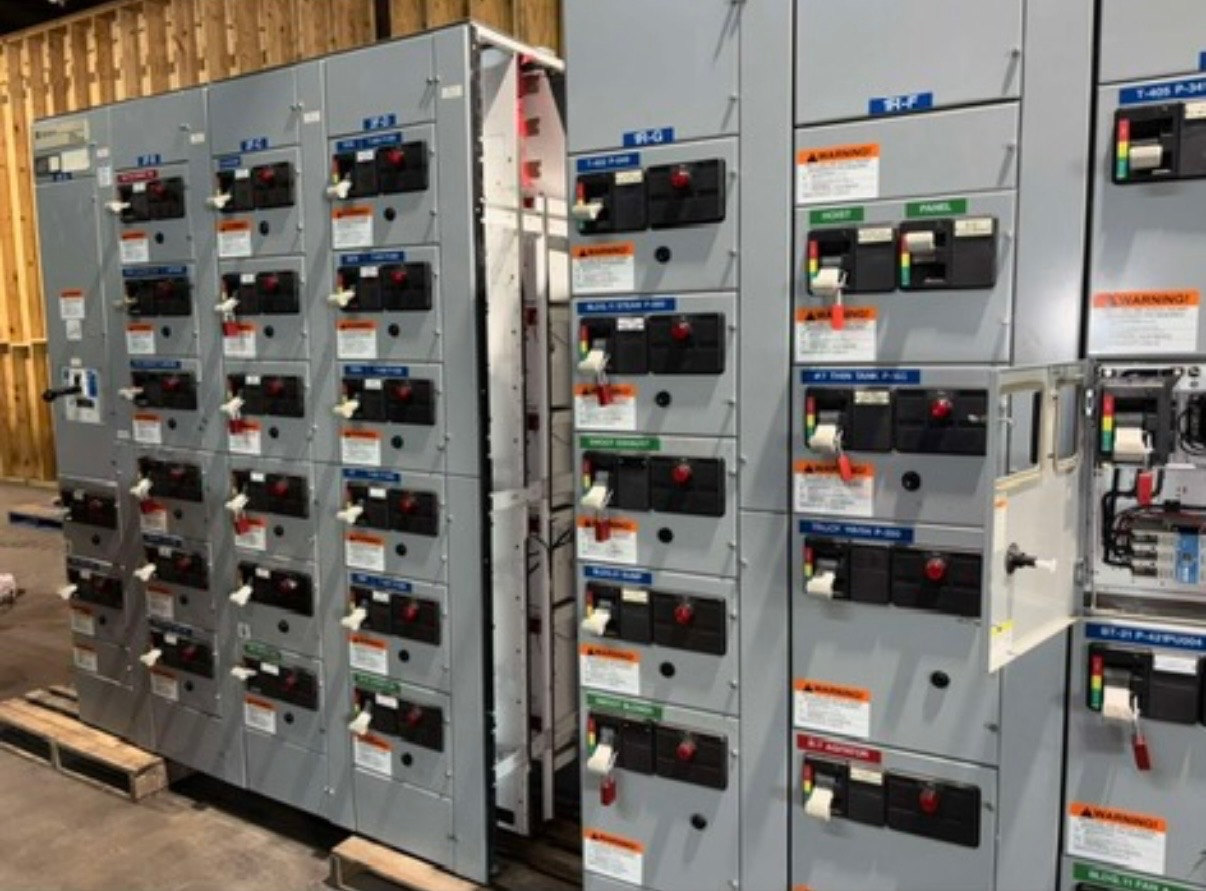
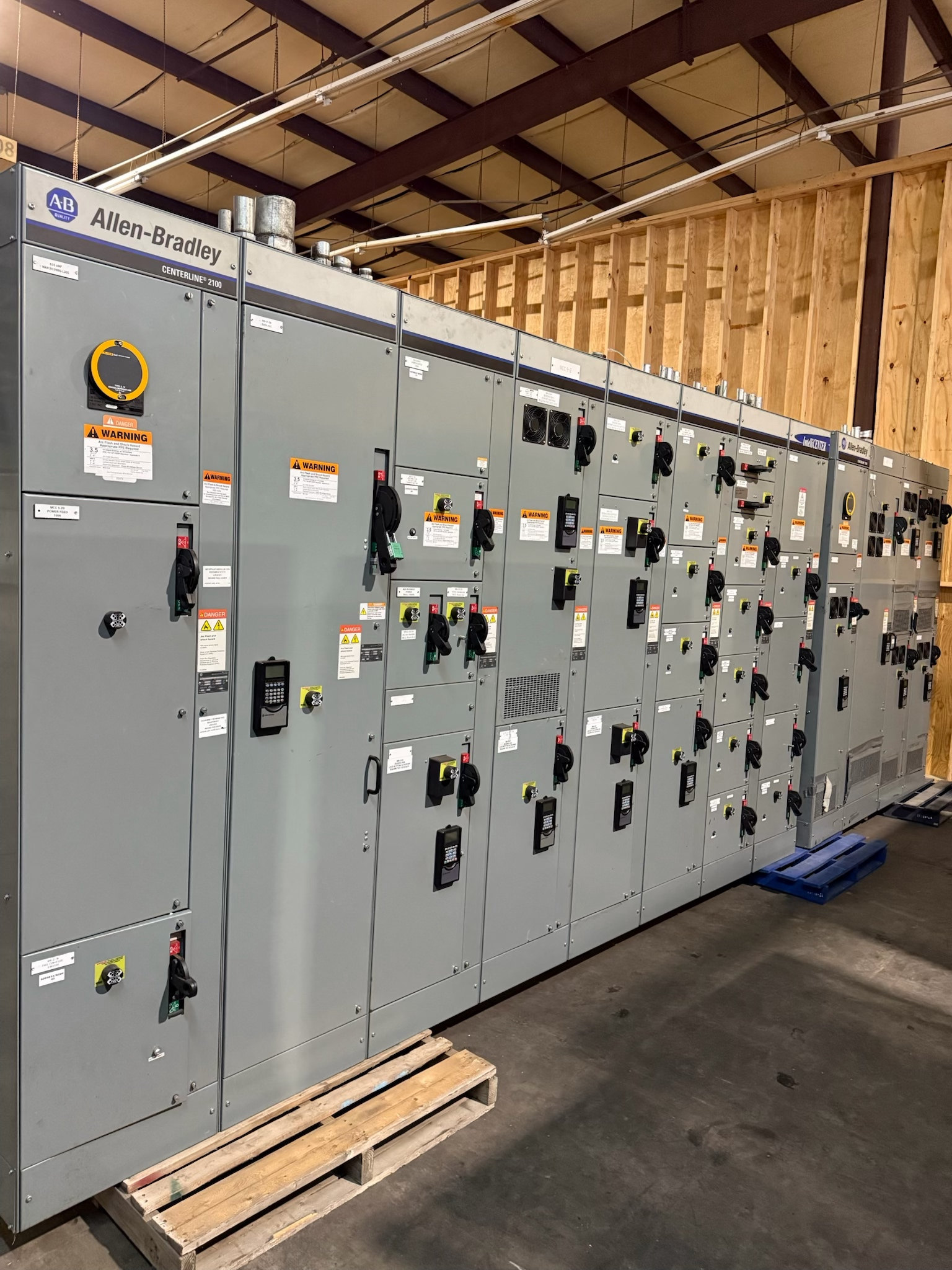
A useful initial inventory can identify the site or facility, the number of sections, their general arrangement, known service history and whether the equipment is installed, stored or already removed. You do not need to establish a technical rating before asking us to review an opportunity. The purpose is to give the buyer enough context to understand what may be available and what coordination a possible purchase would involve.
Catalog Sections With Missing or Illegible Nameplates
A seller may find that some switchgear sections have nameplates that are missing, damaged or difficult to read. Record that condition plainly in the inventory rather than guessing at manufacturer, voltage, interrupting rating, year or other specifications. If information is visible from a safe, existing vantage point, you may share it; photos and label images are optional and are only appropriate when already safely accessible. There is no need to open equipment or move anything to improve a record.
When identification is incomplete, other available details can still help describe the lot: section count, visible exterior configuration, known location within the facility, and any existing records the owner can lawfully share. Separate confirmed information from estimates or unknowns. That distinction helps the buyer assess the opportunity without treating an uncertain label or recollection as a verified specification, and it gives both sides a clearer basis for discussing scope.
Evaluate an Offer Without Testing
No seller testing is required for us to consider switchgear. Do not energize, operate, open, dismantle or otherwise handle equipment to prepare it for a sale discussion. The owner controls site access and decides what information can be shared. Existing records and optional, safely accessible photographs can support a review, but an offer is based on the equipment and sale details available for consideration, not on a seller-performed test.
An offer is not assured for every item. Whether we can make one depends on the equipment, its condition as represented, the quantity and scope, and the practical terms of the proposed transaction. For sections with unreadable identification, describe the uncertainty directly so it can be considered as part of the discussion. If the parties reach agreement, the agreed scope and sale terms determine what is included; unresolved items should be clarified before the transaction proceeds.
Define the Equipment and Sale Scope
A switchgear lot can include multiple sections, related distribution equipment or only selected items. Identify what the owner is offering and what is outside the proposed sale. Note whether sections are together or at different locations, whether they remain installed or are in storage, and whether any inventory records distinguish one group from another. These basic scope details can matter as much as a partial equipment description when planning a purchase and pickup.
For a Beaver Falls-area seller, the municipality identifies the general location, while the actual site and access conditions shape coordination. Share the site location privately during buyer discussions and describe relevant access constraints based on the owner’s knowledge. Avoid assumptions about lifting access, loading areas, route suitability or site services. Those details should be confirmed with the people who control the property and can authorize access.
Coordinate Pickup and Payment
If a purchase is agreed, we handle cranes, rigging, disconnects, loading, freight and hauling. The owner does not need to arrange those services as a condition of discussing a sale. Pickup planning depends on the agreed equipment scope and the actual site; coordination should establish access, authorized contacts and the work included before anything is scheduled. The seller remains in control of site access and must authorize entry and coordination at the property.
Payment is upfront before pickup. This is a central transaction term, so it should be understood and agreed before pickup arrangements move forward. The agreed sale should identify the equipment being purchased, the payment terms and the pickup scope. Keeping those points clear helps avoid confusion when a lot contains sections with incomplete identification or when only part of a larger installation is included.
Move From Inventory to a Clear Decision
To begin a discussion, provide a concise inventory of the switchgear, the number of sections, their known status and the condition of their identification plates. Include only details you can support, and mark unknowns as unknown. If the equipment came from a decommissioned data center or shut-down power plant, that source can help describe its history; it does not replace equipment-specific information or establish a particular rating.
Once the available information and proposed scope are understood, we can determine whether an offer is appropriate for the equipment and discuss the terms. Any sale proceeds only by agreement, with cash offers and payment upfront before pickup. No seller testing is needed, and pickup logistics can be coordinated around the agreed scope. For owners in Beaver Falls, a careful inventory—especially an honest account of missing or illegible nameplates—provides a practical starting point without requiring physical preparation of the switchgear.