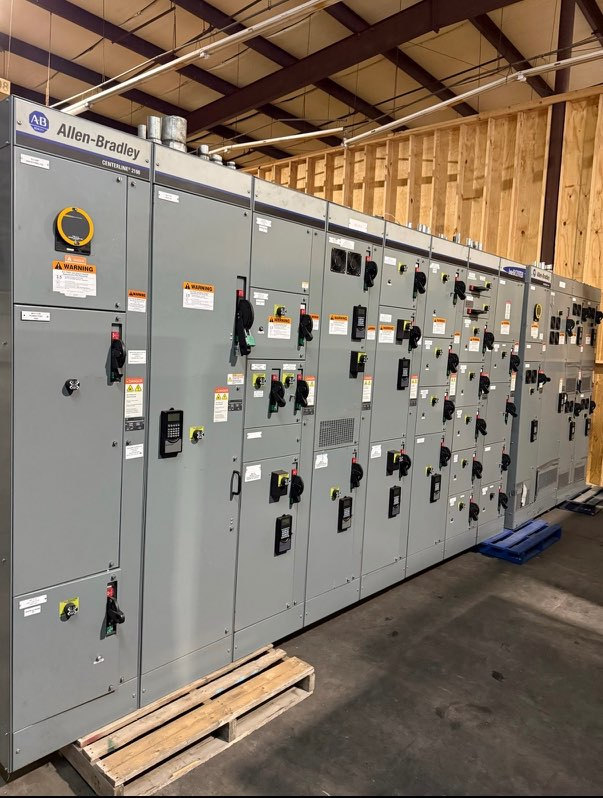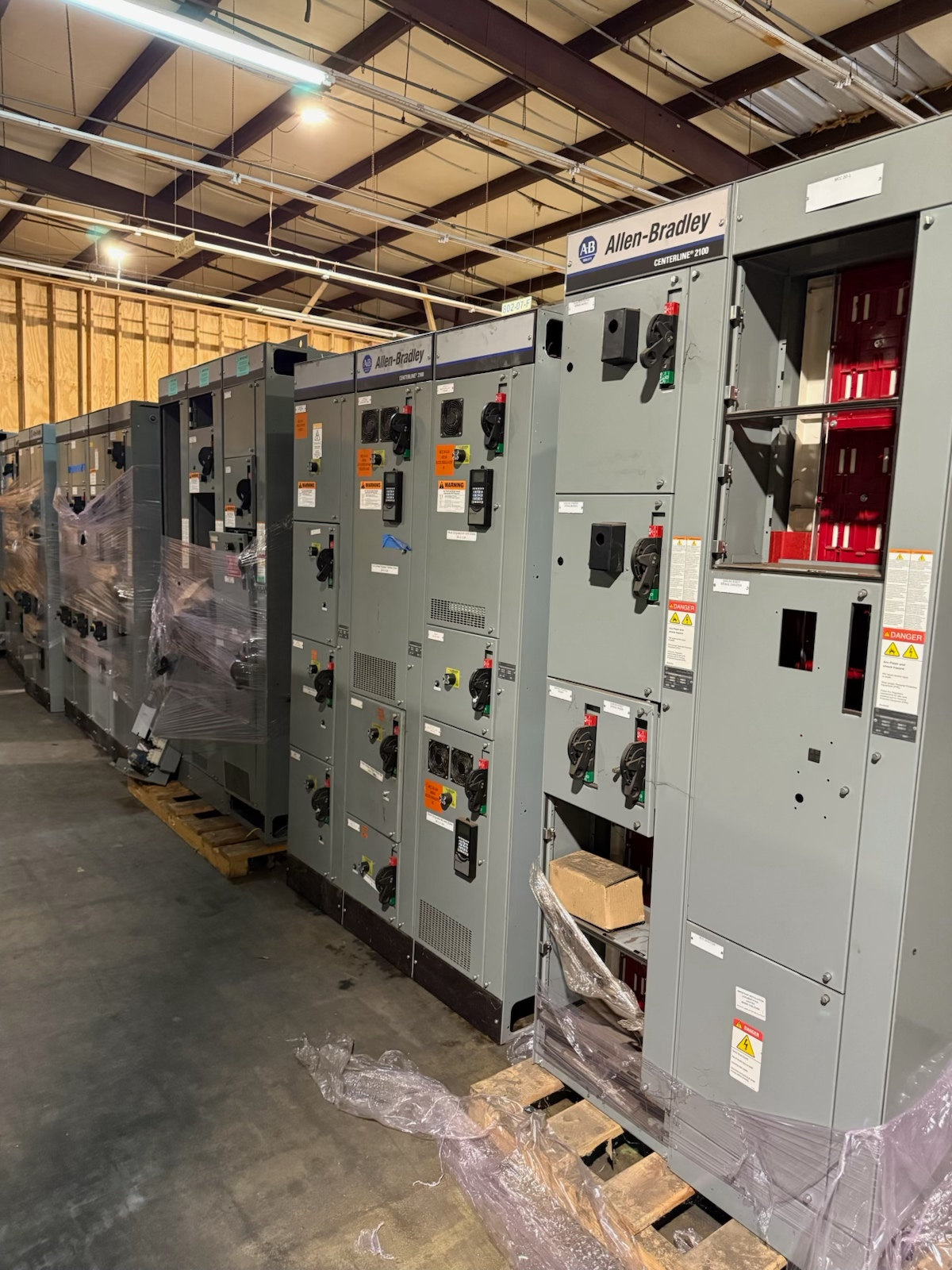
Choose a Single Item or a Mixed Lot
For a New Brighton, Pennsylvania equipment sale, first decide whether to present one switchgear assembly or several distribution assemblies together. A single-item inquiry can keep the discussion focused on that assembly’s identity, condition, availability, and removal scope. A mixed-lot inquiry can be more practical when a facilities team is preparing multiple assemblies for sale as one group, since it gives the buyer a view of the overall inventory and the coordinated pickup involved. We buy used, surplus, and decommissioned electrical distribution equipment, including switchgear across all voltage classes.
The right approach depends on the equipment and the sale terms, not simply on how many items are involved. A single assembly may warrant a separate inquiry when it has a distinct ownership or removal timeline. Combining several assemblies can make sense when they are available together and the seller wants one coordinated discussion. Offers depend on the equipment, and a purchase requires agreement. We make cash offers and pay upfront before pickup; payment and pickup arrangements should be settled before work begins.
Prepare an Inventory That Supports a Clear Inquiry
For each assembly under consideration, gather the information already available in facility records: equipment description, manufacturer identification, approximate quantity, known condition, and whether the equipment is used, surplus, or decommissioned. For a mixed lot, group the information by assembly rather than blending all items into a single general description. This helps distinguish a lot containing several comparable assemblies from one with different equipment and removal requirements.
Photos or label details are optional. Share them only when they are already safely accessible; there is no need to open equipment, approach unsafe areas, or create access solely to gather information. We do not require seller testing, and sellers should not energize, test, open, disconnect, dismantle, or physically handle equipment for the inquiry. Owners retain control of site access. A concise inventory based on records and safe, existing observations is enough to begin a conversation about the equipment.
Describe Scope and Availability
A useful inquiry explains whether the equipment is being offered as one item or as a complete mixed lot, and whether the seller is considering only a defined portion of the inventory. Include the number of assemblies, any known differences among them, and whether all included equipment is available for the same pickup. If the lot has separate ownership, access, or availability constraints, identify those distinctions before discussing a combined purchase. Clear scope helps both sides understand what an offer would cover.
Also describe the status of the equipment and any known limitations in the information available. Do not infer technical ratings or compatibility from appearance. We buy switchgear from decommissioned data centers and shut-down power plants, as well as other sources, across all voltage classes. Whether a particular assembly or group is suitable for purchase depends on its actual equipment and circumstances. A sale proceeds only when the buyer and seller agree on the items and terms.
Coordinate Site Access and Removal
Pickup planning should account for the location and the seller’s access requirements without assuming a particular site layout or available equipment. The owner controls access and establishes the conditions for entry. Before scheduling, align on the equipment included, the permitted pickup window, site rules, and any coordination needed with the facility’s authorized representatives. For a mixed lot, confirm that the agreed scope and access arrangements cover every assembly included in the purchase.
We handle cranes, rigging, disconnects, loading, freight, and hauling as part of our pickup coordination. Sellers do not need to perform those tasks or physically prepare equipment for removal. Do not disconnect, dismantle, or move equipment to facilitate an inquiry or pickup. The parties should agree on the removal scope and timing in advance, including how the work will be coordinated with site access. Actual logistics depend on the equipment and the site, so they should be discussed for the specific sale rather than assumed from a general description.
Understand the Offer and Payment Sequence
Once the equipment and scope are clear, we can consider whether to make a cash offer. An offer is not automatic for every item or lot; it depends on the equipment and requires mutual agreement. For a mixed lot, make sure the offer discussion identifies which assemblies are included so there is no uncertainty about the proposed purchase. A single-item inquiry should likewise define the specific assembly being considered.
Payment is made upfront before pickup. Confirm the agreed purchase scope and payment arrangement before removal is scheduled. This sequence lets the seller know the commercial terms before the equipment is collected, while pickup coordination can then address access and removal. If the inventory changes or the seller wants to add or exclude an assembly, revisit the scope and agreement before proceeding.
Decide What to Submit First
A facilities team preparing several distribution assemblies can start with a simple, organized inquiry: state that the proposed sale is a mixed lot, summarize each assembly using information already on hand, note which items are available together, and describe any known access or timing constraints. If one assembly is clearly separate in availability or scope, present it as an individual item instead of implying it is part of the lot. This gives the buyer a useful basis for discussing the proposed transaction without requiring the seller to conduct testing.
For an individual assembly, provide the same kind of focused description and identify the intended sale scope. In either case, keep the inquiry grounded in known information, leave equipment undisturbed, and let the owner manage access. We buy used, surplus, and decommissioned electrical distribution equipment and can discuss a cash offer when the equipment is suitable. Payment is upfront before pickup, and we coordinate cranes, rigging, disconnects, loading, freight, and hauling once the parties agree on the purchase and removal plan.