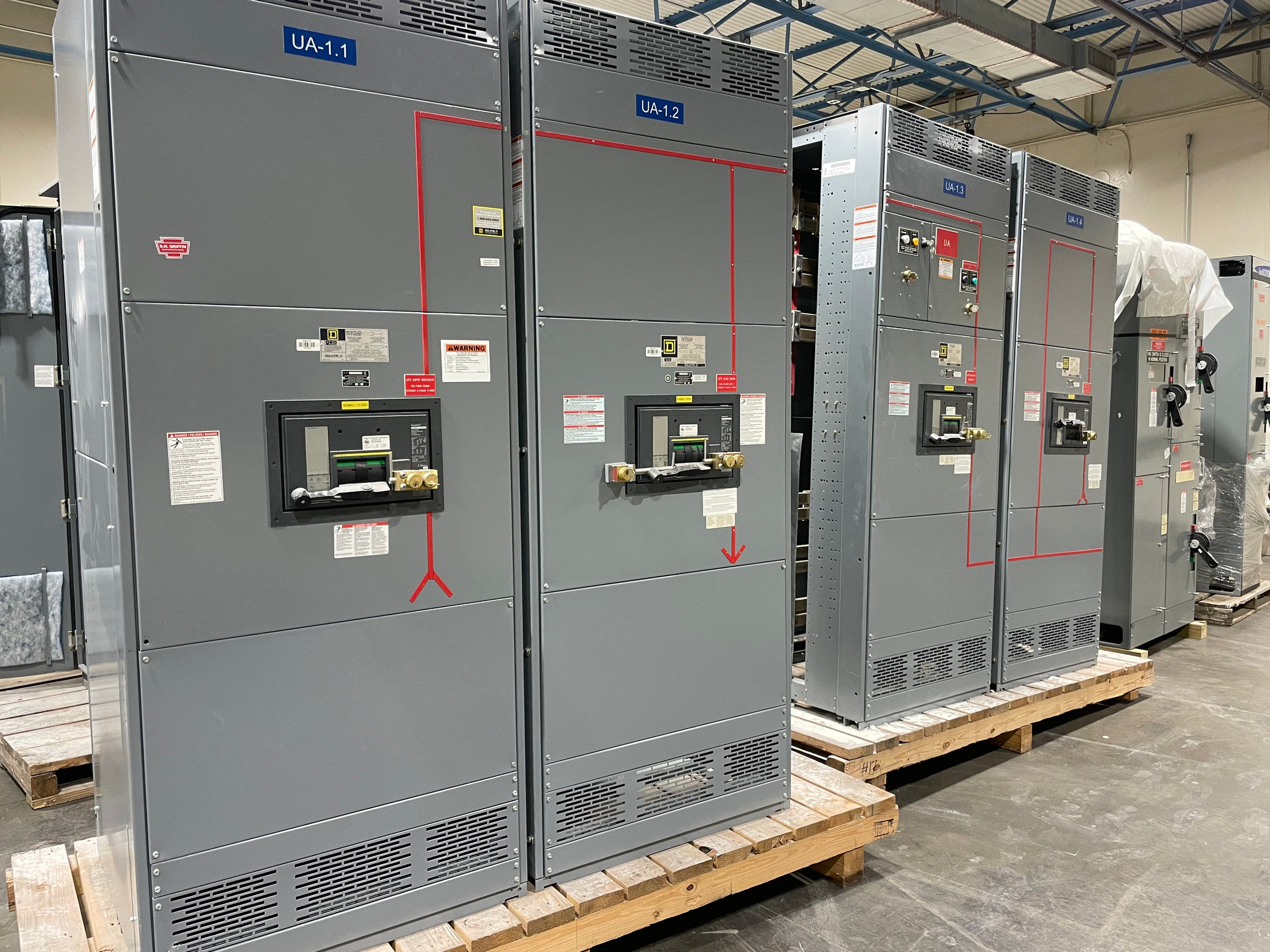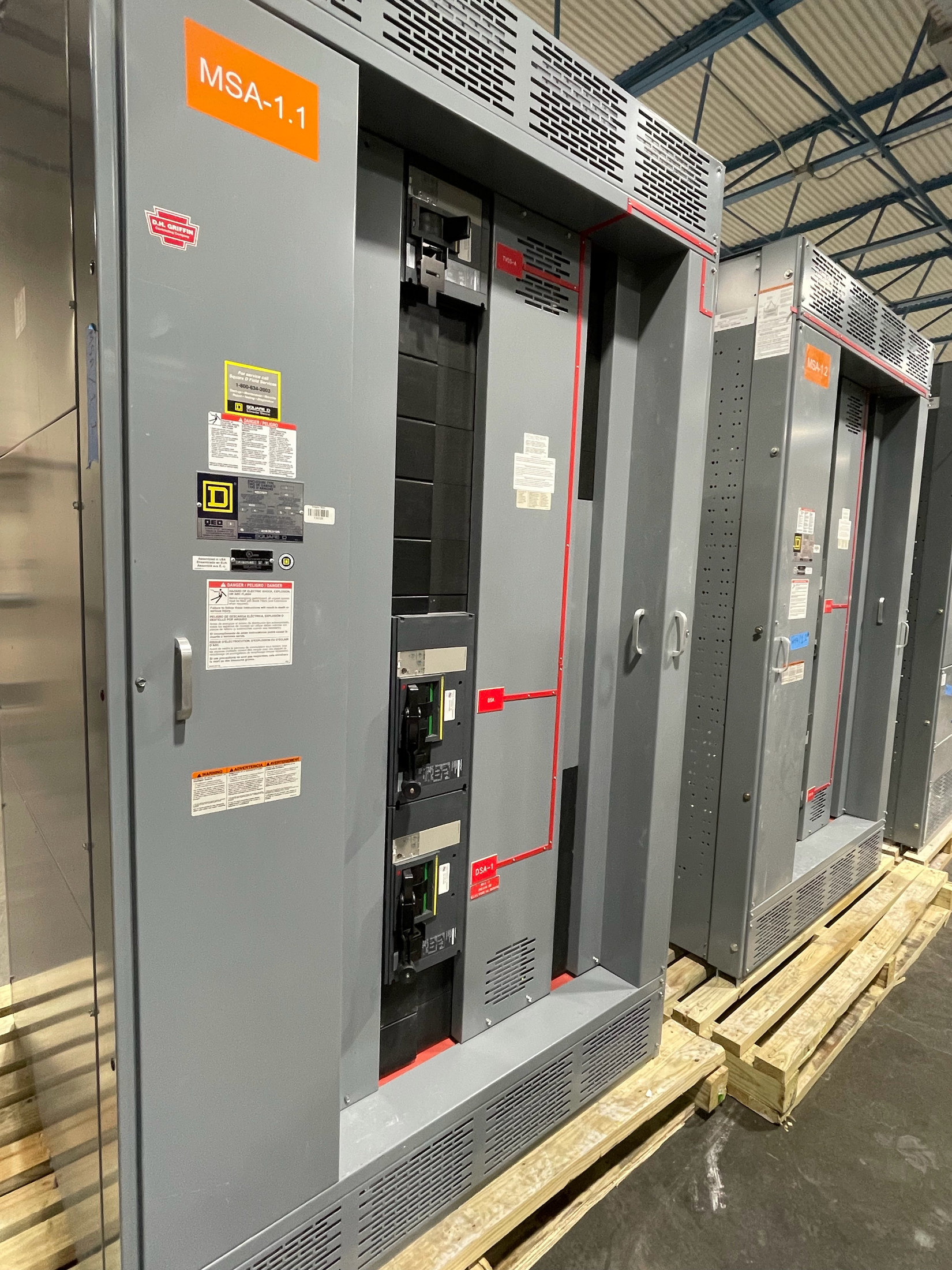
Start With a Reconciled Switchgear Inventory
When considering a switchgear sale in New Kensington, begin by establishing what equipment is available and how it is grouped. An industrial property may contain complete switchgear sections alongside loose breakers stored or set aside separately. Record sections and breakers as distinct inventory entries rather than treating every item as part of one complete lineup. This gives a buyer a clearer basis for reviewing the equipment and the proposed sale without assuming that separately listed breakers belong to particular sections.
For each entry, note the quantity, general description, and identifying information that is already readily available. If equipment names or labels can be viewed safely without touching or opening anything, those details may help distinguish one entry from another. Photos are optional and useful only when they are already safely accessible. The property owner controls access, and there is no need to test, energize, open, disconnect, dismantle, or otherwise handle equipment to begin an inventory discussion.
Keep Sections and Loose Breakers Distinct
A reconciled inventory should make clear whether a listed item is a switchgear section, a loose breaker, or another separately identified component. Count each category independently and avoid combining quantities when the relationship between items is uncertain. If a breaker is known to be associated with a section, that relationship can be noted as existing information; do not infer a match from proximity, appearance, or an incomplete label. This distinction helps prevent a proposed sale from being based on an assumed configuration.
Descriptions can remain practical and concise. Use the terms and identifiers available from the site’s existing records or safely visible labels, and mark uncertain details as unknown rather than filling gaps with estimates. A buyer can review the inventory as described and ask for clarification about the scope. Because equipment and sale circumstances vary, an inventory entry is a starting point for discussion, not a guarantee that every listed item will receive an offer.
Describe the Sale Scope Clearly
Once the entries are reconciled, define which items the property owner is offering. The proposed scope might include selected sections, loose breakers, or both, but it should identify the included items clearly and distinguish them from equipment that is not for sale. If quantities or descriptions change during the review, update the inventory so both sides are discussing the same group of equipment. Clear scope is especially useful when a property contains mixed or separately stored items.
We buy used, surplus, and decommissioned electrical distribution equipment, including switchgear from decommissioned data centers and shut-down power plants, across all voltage classes. The equipment’s condition, identification, quantity, and sale scope inform whether an offer is appropriate. A buyer’s review does not require seller testing. Do not arrange testing or perform physical work as a condition of making an initial inquiry; share available inventory information and allow the buyer to assess what has been described.
Coordinate Buyer Review Without Testing
After receiving the inventory, the buyer can discuss the equipment and the scope being offered. Existing records and optional photos may support that conversation when they are already available and safe to access. If a detail is missing, state that plainly. Avoid opening enclosures, exposing internal parts, energizing equipment, or attempting to establish condition through tests. Owners retain control over the property and access, while the buyer coordinates any agreed next steps directly with them.
Not every item or proposed group will necessarily be suitable for purchase. Any offer depends on the equipment and the circumstances of the sale, and the parties must agree on what is included. This keeps the process grounded in the actual inventory rather than assumptions about completeness, condition, or value. Once the scope and terms are agreed, payment is made upfront before pickup. The sale does not depend on the seller testing the equipment.
Plan Pickup Around the Agreed Scope
Pickup planning follows agreement on the equipment being purchased. We handle cranes, rigging, disconnects, loading, freight, and hauling, coordinating those logistics for the agreed sale. The inventory helps connect pickup planning to the right sections and separately listed breakers, while the agreed scope identifies what is included. The seller does not need to arrange those buyer-handled logistics as part of the sale discussion.
Access and timing are coordinated with the property owner, who controls the site. Share relevant access information directly during coordination, without assuming that a particular route, lifting arrangement, or site condition is suitable. The buyer and seller can discuss practical arrangements for the agreed equipment before pickup. Avoid moving or preparing equipment yourself; physical handling and disconnect work are part of the buyer-coordinated pickup, subject to the agreed transaction and site access.
Keep Records Aligned Through Completion
Maintain one current inventory that reflects the equipment offered and the final agreed scope. If sections and loose breakers are counted separately, preserve that distinction in any updates and sale records. This reduces confusion when the equipment is identified for pickup and helps both parties confirm that the discussion and transaction refer to the same items. Information should reflect what is known, not a guessed technical rating or an assumed relationship among components.
For a New Kensington property, the useful starting point is the property’s own equipment inventory and the owner’s description of what is available. The buyer reviews that information, discusses whether the equipment fits a potential purchase, and coordinates pickup after agreement. Cash offers are available for equipment we agree to buy, with payment upfront before pickup. The transaction remains dependent on the equipment and mutual agreement; clear inventory and direct coordination make the process easier to understand from inquiry through collection.