Sell Switchgear in Arnold, PA
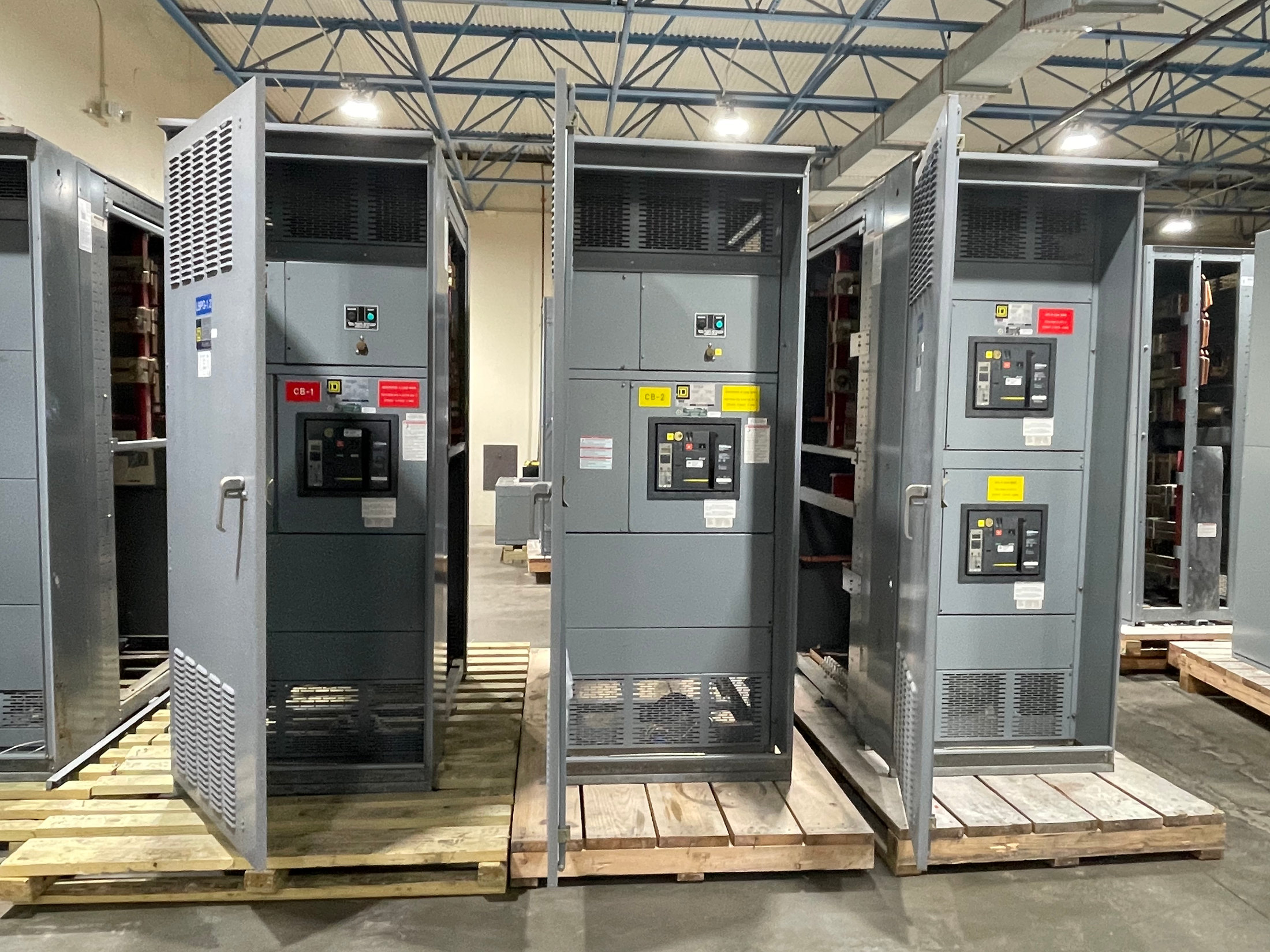
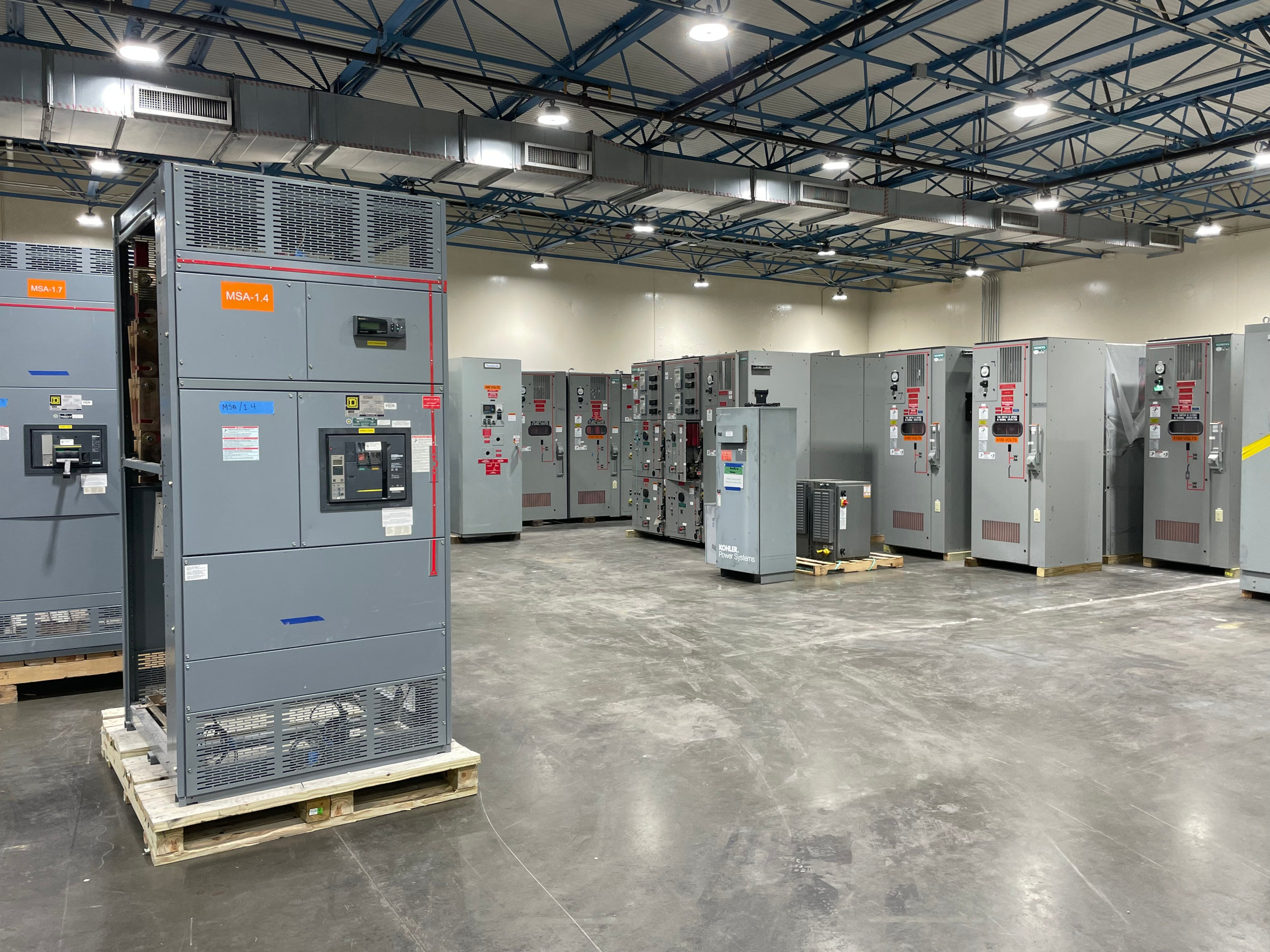
For owners and project teams in Arnold, Pennsylvania, a switchgear sale can be considered while a facility is being cleared, renovated, or prepared for demolition. We buy used, surplus, and decommissioned electrical distribution equipment, including switchgear from decommissioned data centers and shut-down power plants, across all voltage classes. Whether equipment is worth an offer depends on its condition, completeness, configuration, and resale potential; not every item will qualify.
A demolition contractor’s first task in an illustrative project is to confirm who owns each asset and where the sale boundary ends. Equipment may belong to the property owner, a tenant, a utility, or another party, and the contractor’s authority to remove it does not by itself establish authority to sell it. Resolve ownership and written sale scope with the responsible parties before requesting an offer or scheduling any removal.
Define What Is Included in the Sale
A clear inventory helps distinguish the switchgear being offered from equipment and materials that remain with the site. Identify the assemblies or groups included, their general location within the project, and any known components that are excluded. If several parties control different assets, separate those lots so an offer can be evaluated against the correct seller and scope.
The owner or authorized representative should also identify boundaries affecting access and removal. For example, the sale might cover specified equipment but exclude adjacent distribution assets, building infrastructure, or items reserved for another contractor. Clear boundaries reduce the risk of confusion during coordination; they do not authorize anyone to access, disconnect, dismantle, or handle equipment before the owner approves the work.
Evaluate an Offer Without Testing
An offer can be considered without seller testing. We do not require the seller to test equipment, energize it, open enclosures, or perform technical procedures to obtain an offer. Instead, the buyer can review the information the owner already has and safely accessible visual details. Photos and nameplate or label information are optional, and should be shared only when already safely accessible without opening equipment or changing site conditions.
Useful context may include an existing inventory, known service history, whether assemblies are believed complete, and any known damage or missing parts. These details help describe the lot, but they are not a substitute for testing and should not be represented as verified performance. An offer depends on the equipment and the information available; discussion of a possible sale is not a promise that every item will receive an offer or that a particular value will be assigned.
Coordinate Ownership and Site Authority
In the illustrative demolition scenario, the contractor confirms asset ownership and sale boundaries before removal planning advances. The contractor can help coordinate communication, but the owner or authorized seller must approve the equipment included in the transaction and establish who may grant access. If ownership records or project documents are unclear, settle those questions with the relevant parties before treating equipment as available for sale.
Access arrangements should fit the site’s existing controls and the owner’s instructions. The owner retains control of entry and approval, while the buyer and seller can discuss the practical scope of a pickup once the equipment and sale terms are agreed. This separation matters on projects involving multiple tenants, contractors, or asset owners: demolition scope and sale authority are related, but they are not interchangeable.
Pickup, Removal, and Freight Coordination
After the parties agree on the equipment and sale terms, we coordinate the removal and transportation plan with the seller. We handle cranes, rigging, disconnects, loading, freight, and hauling. The seller does not need to arrange those services as part of the sale. Timing and access are coordinated with the owner or authorized site representative so the agreed pickup scope can be addressed within the project’s permitted access and work boundaries.
Before pickup, confirm which equipment is included, who can authorize access, and how the pickup relates to other contractors’ work. The owner controls site access and approvals. Do not move, disconnect, dismantle, or prepare equipment for pickup on the buyer’s behalf; our coordination covers those removal and logistics responsibilities. Clear communication about exclusions and site constraints helps keep the transaction aligned with the authorized sale scope.
Cash Offer and Payment Before Pickup
We make cash offers for equipment that we agree to buy. Payment is made upfront before pickup, so the seller can understand the payment arrangement before removal is scheduled. The transaction proceeds only when buyer and seller agree on the equipment and terms; an inquiry, inventory, or site discussion alone does not establish a completed sale.
For a contractor coordinating a property clearance, the seller should confirm that the person accepting the offer has authority to sell the listed assets and that the agreed lot matches the approved sale boundary. This helps connect payment, ownership, and pickup to the same equipment. The offer remains dependent on the equipment and the parties’ agreement, rather than on a general assumption that all switchgear or all material at a site can be purchased.
Prepare a Clear Sale Discussion
A focused inquiry can state that the equipment is in Arnold, Pennsylvania, describe the proposed sale scope, and identify the owner or authorized contact. Include only information available without testing or unsafe access. Existing records and optional photos or labels can help identify what is being discussed, while known exclusions, access constraints, and project timing can help frame coordination.
For a demolition contractor, the practical sequence is to establish ownership, define exactly what may be sold, and then discuss the equipment and pickup with the buyer. Once both sides agree, payment is made before pickup and removal logistics are coordinated. This approach keeps the sale separate from unapproved demolition work and provides a straightforward basis for evaluating used, surplus, or decommissioned switchgear without requiring seller testing.