What should I identify before requesting an offer?
If you are planning a power-distribution replacement in Lower Burrell, begin by describing the equipment you may sell and the scope of the change. A replacement plan can involve one assembly or equipment from several parts of a distribution system; the plan alone does not establish what is installed. Record what you already know about the switchgear, its location within the project, and whether the sale would include related electrical distribution equipment. There is no need to infer a configuration or fill gaps with guesses.
As an independent Pennsylvania buyer, we consider used, surplus, and decommissioned electrical distribution equipment, including switchgear across all voltage classes. An offer depends on the equipment and the information available, so not every item or project will qualify for an offer. A useful first conversation separates confirmed inventory from equipment that might be included later. You can describe uncertain details as unknown rather than treating an anticipated replacement scope as a final inventory.
Can I evaluate an offer without testing the equipment?
Yes. Seller testing is not required for an offer. You can share details already available from project or inventory records, such as the equipment description, available nameplate information, and known quantity. Photos or labels are optional, and should be shared only when they are already safely accessible. There is no need to access equipment, operate it, open it, or arrange testing to begin a discussion.
An offer is an assessment of the particular equipment presented, not a promise based on a voltage class, a project title, or a broad description such as “switchgear.” If important details remain unknown, identify them plainly so the proposed scope can be discussed accurately. The equipment itself determines whether an offer is appropriate; asking for an offer does not require you to make a sale, and a transaction proceeds only if both sides agree.
What details help distinguish the planned scope from available inventory?
For a replacement project, clarify which equipment is currently available for sale and which items are only under consideration. If several assemblies or other distribution items are involved, describe them separately where possible rather than combining them under a single assumed configuration. Quantities, existing descriptions, and legible information already present in records can help define what is being discussed. You do not need to supply specifications you have not verified.
Also explain whether the planned change affects the entire described inventory or only a portion. That distinction can prevent confusion when a project schedule, internal equipment list, and eventual sale scope differ. The buyer can discuss the items actually offered for consideration and determine whether they support an offer. This approach is useful whether the equipment is surplus from a replacement plan or part of a decommissioned facility; the origin does not substitute for an item-specific review.
Does the equipment’s origin affect the discussion?
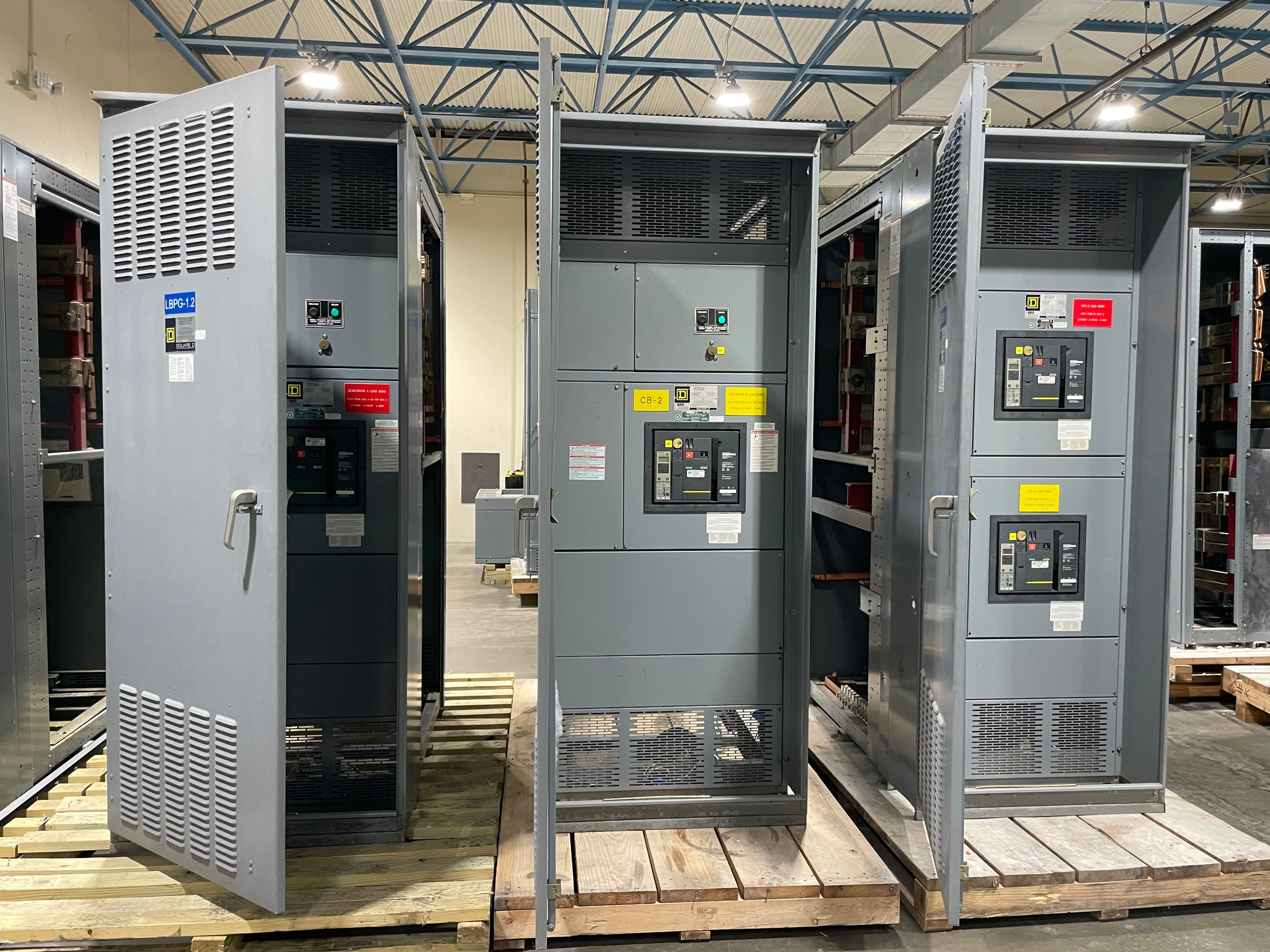
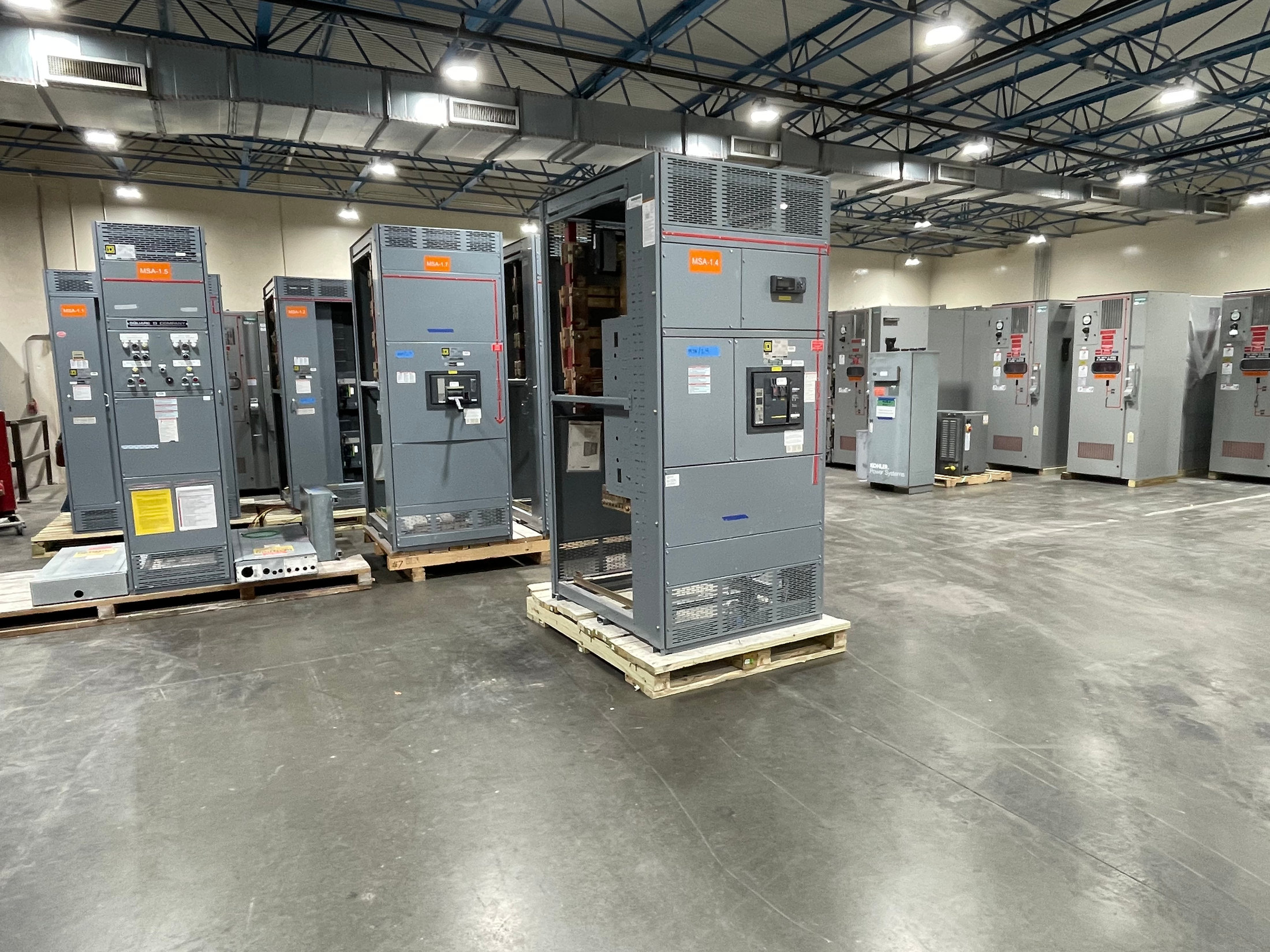
Switchgear can come from a range of settings, including decommissioned data centers and shut-down power plants. We buy switchgear from those sources across all voltage classes, as well as used and surplus equipment from other projects. A facility’s former purpose can provide context, but it does not establish the equipment’s configuration, condition, completeness, or value. Those points should be described only to the extent they are known.
If the Lower Burrell-area replacement is part of a wider operational change, keep the sale inquiry focused on the equipment being offered rather than assuming every affected item is suitable. Existing inventory records, project descriptions, and already accessible labels may help identify scope. Brand names, when available, identify equipment but do not imply a relationship between the buyer and a manufacturer. An offer remains dependent on the specific items and the parties’ agreement.
How are price and payment handled?
We make cash offers for equipment we are prepared to buy. The offer applies to the described sale scope, and its terms should be understood before the transaction is accepted. If the planned replacement changes the inventory or quantity under discussion, revisit the scope so the offer reflects the items actually included. No price or valuation can be inferred from a location, equipment category, voltage class, or brand alone.
For an agreed purchase, payment is made upfront before pickup. This timing matters when coordinating a replacement: the seller can distinguish the buyer’s payment step from the project’s own schedule and make sure the equipment included in the agreement is clearly identified. The sale requires agreement on the equipment and terms. A planned project, an initial inquiry, or receipt of an offer does not by itself complete a transaction.
Who coordinates removal and transportation?
For equipment we buy, we handle cranes, rigging, disconnects, loading, freight, and hauling. The seller does not need to arrange those services as a condition of the purchase. During coordination, the parties can clarify the agreed equipment, access arrangements, and pickup logistics for the specific site. Owners control access, so any site entry or scheduling must be coordinated with the people authorized to manage the property.
Share relevant access or scheduling constraints through the appropriate site contact, without undertaking physical preparation for the sale. The buyer’s handling responsibility covers the listed removal and transport coordination; it does not change the agreed scope or make every item eligible for purchase. Keeping the replacement project’s work and the sale’s pickup arrangements distinct can help avoid assumptions about what is included or when equipment will be available.
What is a practical next step for a Lower Burrell seller?
Gather the information already available about the switchgear and any related distribution equipment you may include. Separate confirmed items from possible additions, note unknowns openly, and indicate whether the inquiry concerns the whole available scope or only selected equipment. If an identifying photo or label is already safely accessible, it may be shared, but it is optional. No seller testing is needed to request an offer.
Then discuss the equipment and proposed scope with us so we can determine whether an offer is appropriate. If you accept an offer, confirm the agreed items and coordinate payment before pickup, along with access and timing through the authorized site contact. We serve sellers across Pennsylvania, including those planning equipment changes in Lower Burrell, without assuming that a particular project, configuration, or transaction is already in place.