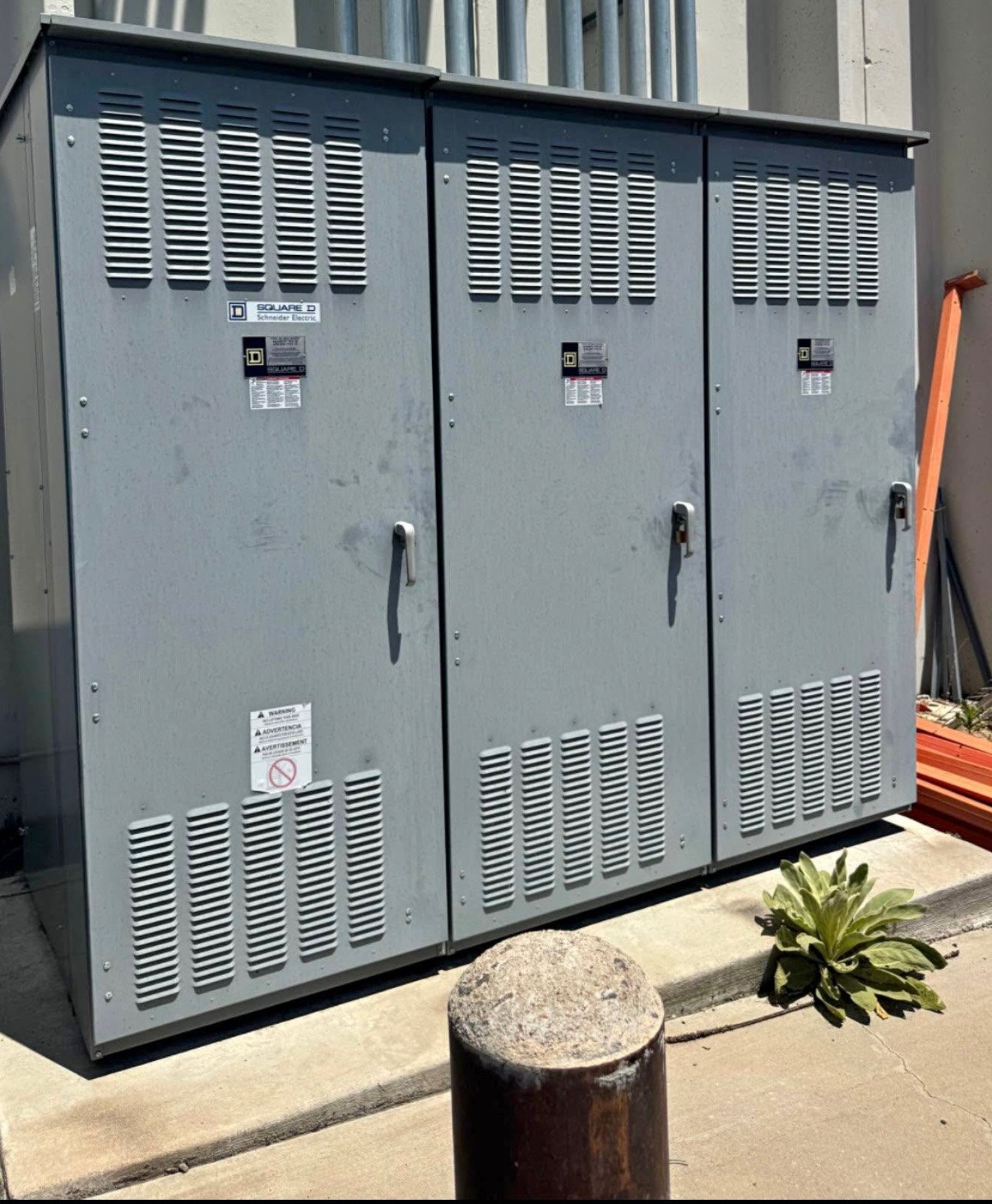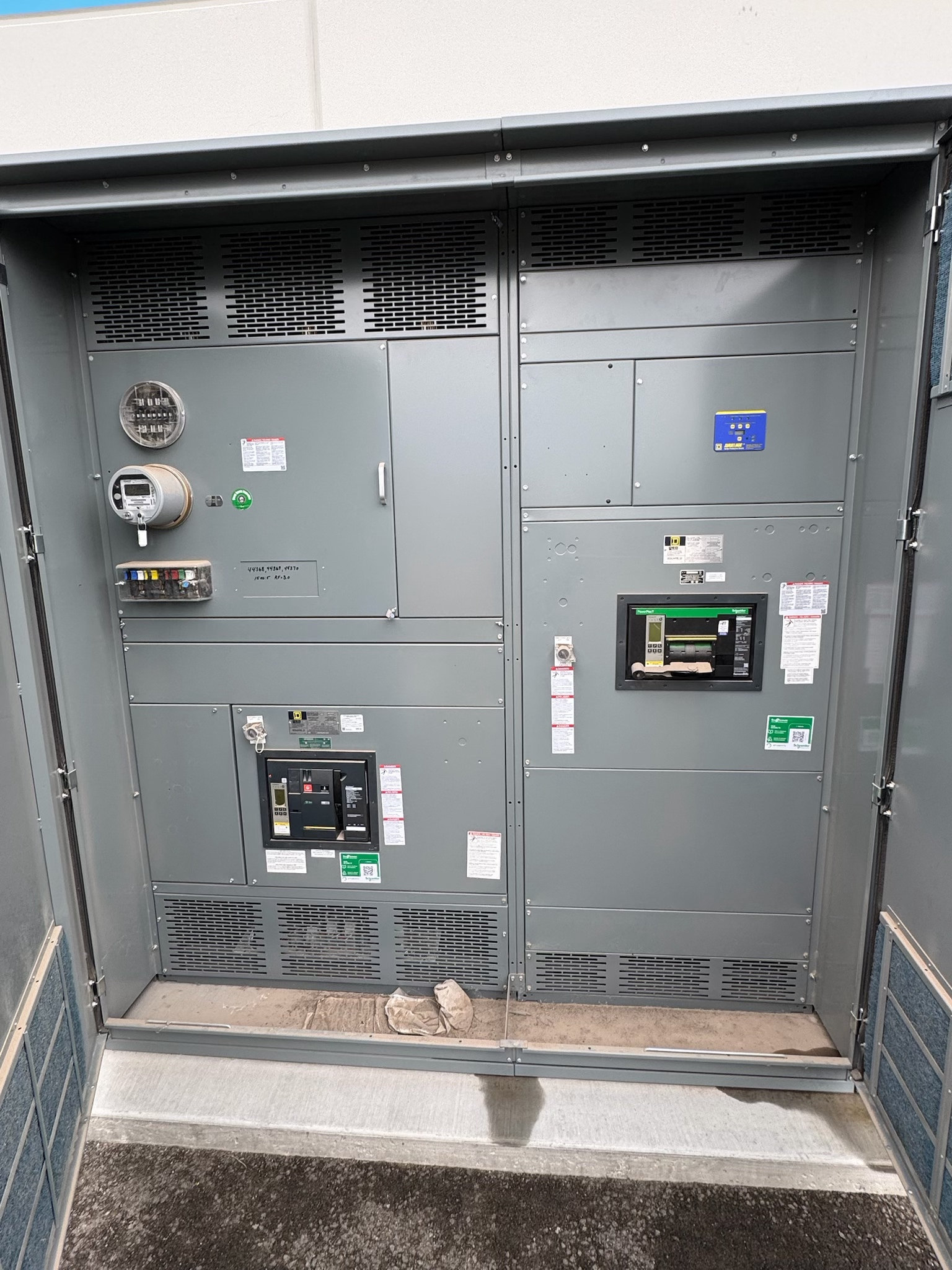
Sell Switchgear in Waynesburg, PA
For owners in Waynesburg and elsewhere in Greene County, selling switchgear starts with a clear decision about which equipment is available and which property must remain. A stored spare lot may be a distinct sale opportunity; installed assemblies can be part of an operating facility, a planned shutdown, or property that must be retained. The sale should cover only the equipment you authorize for purchase, with boundaries that make sense to you and your organization.
We buy used, surplus, and decommissioned electrical distribution equipment across Pennsylvania, including switchgear in different voltage classes. We purchase equipment only; we do not offer equipment for sale. An inquiry is a starting point for reviewing the particular items, their condition and completeness, and the proposed scope. Any purchase depends on the equipment and requires agreement between buyer and seller.
Separate the sale assets from retained property
When a facility contains both stored spares and installed equipment, treat them as separate groups in the proposed sale. A spare lot might include cabinets or assemblies held for future maintenance, while nearby equipment remains installed or otherwise belongs to a different project. Identify the sale group in ordinary terms and distinguish it from anything reserved for continued use, another buyer, or a later decision. This keeps a buyer’s review focused on the assets actually offered.
The same distinction matters when several rooms, lineups, or storage areas are involved. Describe which equipment is included and which is excluded, and flag shared spaces or items whose ownership or disposition is not settled. Do not assume that an entire electrical room or facility is available simply because some equipment is surplus. You remain in control of the property and determine what may be considered for purchase.
Describe the equipment and sale scope
A useful initial description identifies the equipment as switchgear and summarizes the quantity, general configuration, known voltage class, and whether the items are stored or installed. Include available information about completeness, visible condition, age, and known gaps in the inventory, without trying to establish technical condition through physical inspection. These details help distinguish a coherent spare lot from a mixed group of parts or assemblies and allow us to assess whether the proposed equipment is of interest.
Existing records can help define the offer. If you already have inventory documents, nameplate information, or photographs that are safely accessible, you may share them; these are optional. Do not open, energize, test, disconnect, dismantle, or move equipment to prepare an inquiry. The owner controls access and any site activity. A brand name or rating can help identify an item, but it does not by itself establish a particular model, completeness, compatibility, or value.
Consider origin and project context
Switchgear offered for sale may come from a maintenance reserve, a surplus inventory, or a facility decommissioning. We buy switchgear from decommissioned data centers and shut-down power plants, across all voltage classes. That background can help explain why equipment is available, but the origin alone does not determine whether a particular lot is suitable for purchase. The equipment itself, the proposed scope, and the parties’ agreement remain central.
For a stored spare lot, explain whether the items are being retired, replaced, or simply released from inventory, if that context is known. For installed assemblies, clarify whether they are part of a broader decommissioning or whether the offered assets have already been identified separately from retained property. Keep the description factual and avoid treating an intended project schedule as a confirmed sale. We can consider only equipment that the owner has authorized for sale.
Coordinate a Pennsylvania equipment sale
We serve equipment sellers across Pennsylvania, including owners in Waynesburg and Greene County. A useful inquiry states the seller’s location, the equipment’s general location, the proposed sale group, and any access or timing considerations already known. Describe site constraints rather than assuming that a particular loading arrangement will work. The owner or authorized site contact remains responsible for determining access and controlling the property.
After reviewing the available information, we can discuss whether to make a cash offer for the specific equipment. We do not promise an offer for every item or lot; interest depends on the equipment, and a purchase proceeds only if both parties agree. Keep the proposed scope aligned with the property decision: a stored spare group can be offered without including installed assemblies that must remain, and a larger project can be discussed only to the extent the owner authorizes its equipment for sale.
Purchase terms and pickup responsibilities
For an agreed purchase, payment is made upfront before pickup. The seller does not need to test the equipment for us. We handle cranes, rigging, disconnects, loading, freight, and hauling as part of coordinating pickup. These terms allow the sale discussion to focus on what equipment is included and whether the parties agree, rather than asking the seller to arrange those services or perform testing.
Pickup planning follows the agreed sale scope and the owner’s access requirements. Clearly distinguishing stored spares from installed or retained property helps prevent confusion about which assets are part of the transaction. Do not prepare equipment by disconnecting, dismantling, or physically handling it; coordinate access and boundaries with the responsible owner or site contact. The final scope remains the equipment agreed for purchase, not every item in the surrounding facility.
Start with a defined inventory
To begin, describe the switchgear lot you are considering, how it differs from property you intend to keep, and what information is already available. Mention whether the equipment is stored or installed and note any known questions about quantity or completeness. Optional, safely accessible photos or existing labels can support identification, but they are not a requirement. A concise, accurate account is more useful than a broad statement that an entire site or electrical system is for sale.
For Waynesburg-area owners, the same approach applies whether the equipment is a small reserve group or part of a larger decommissioning: define the assets, preserve the boundary around retained property, and discuss only the scope authorized for sale. We will review the specific equipment and, when appropriate, provide a cash offer for consideration. If the terms and equipment suit both sides, payment is upfront before pickup, and we coordinate the pickup services described above.