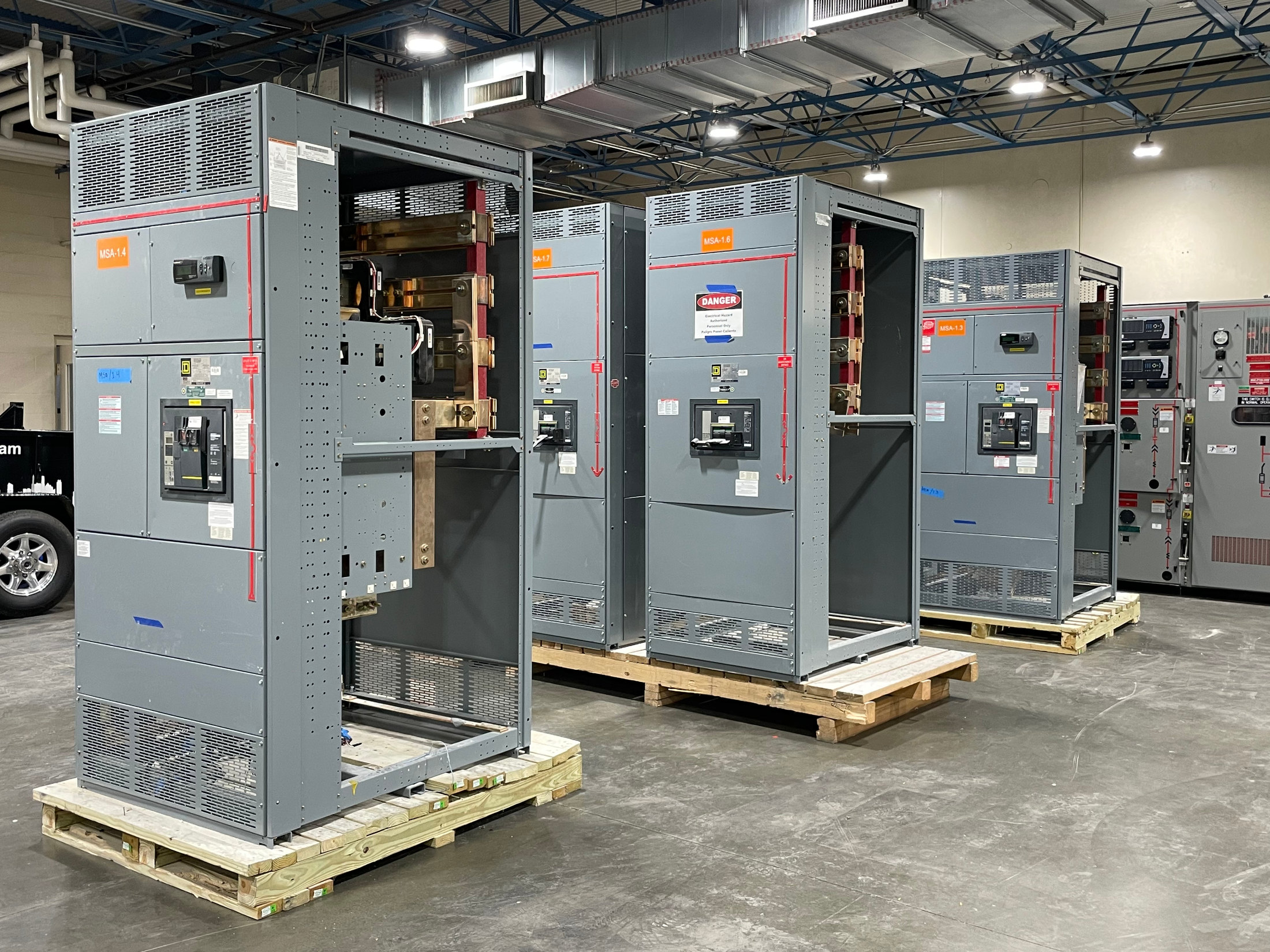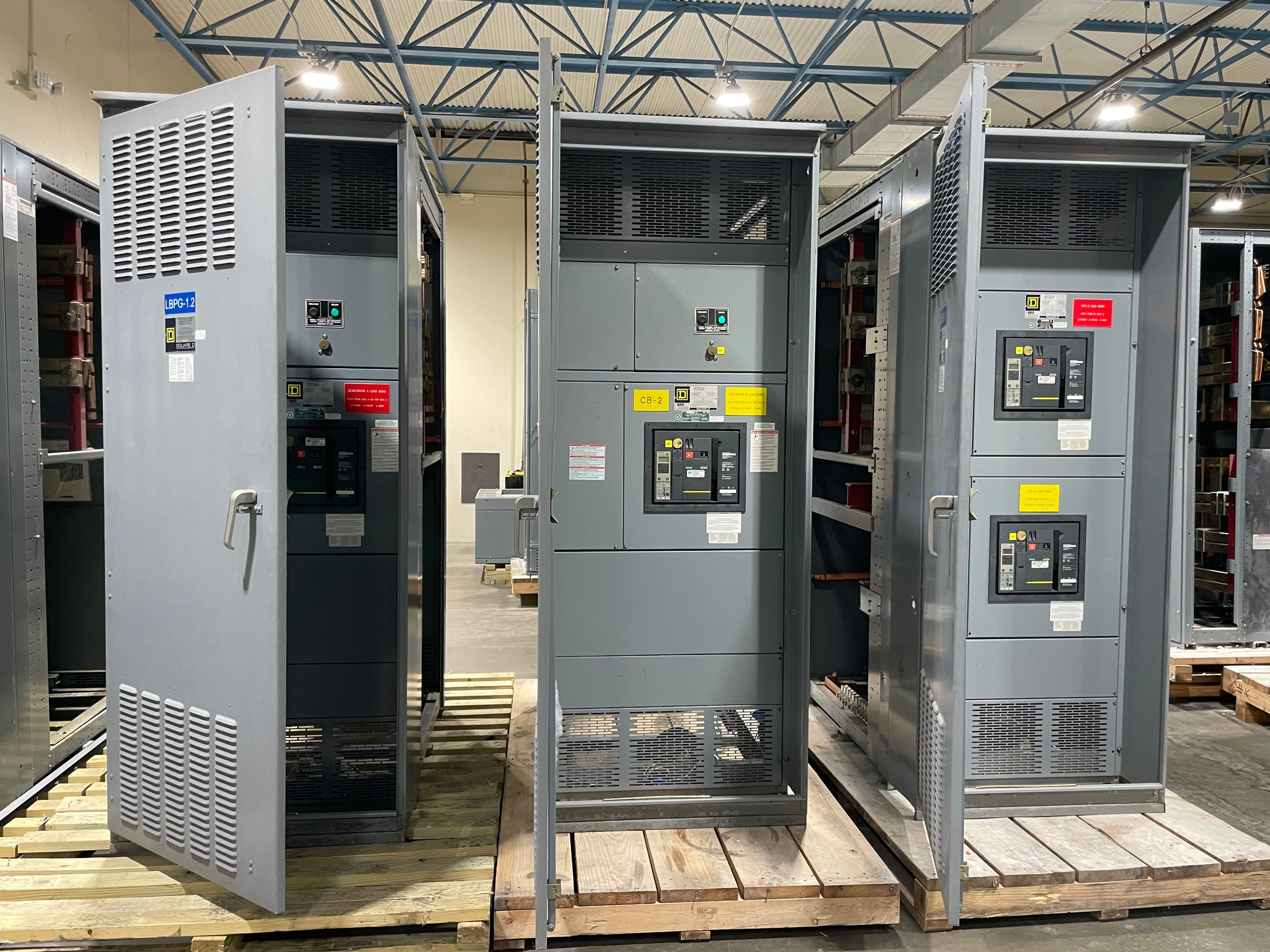
Decide Whether to Store the Switchgear or Consider an Offer
For a Slippery Rock property representative reviewing equipment that may be released, the first decision is whether continued storage serves a real operational or institutional need. Keeping switchgear can preserve an option for a future project, but it also leaves the equipment in place and requires the organization to retain responsibility for its space and disposition. If the equipment is surplus or decommissioned and the organization has authority to sell it, requesting a purchase offer provides another path to evaluate alongside storage.
We are an independent Pennsylvania buyer of used, surplus and decommissioned electrical distribution equipment. We buy switchgear across all voltage classes, including equipment from decommissioned data centers and shut-down power plants. A cash offer can give an authorized seller a concrete proposal to compare with the value of retaining the equipment, without requiring the organization to decide that storage is worthwhile simply because the equipment remains on site. Offers depend on the equipment and require agreement; not every item will be suitable for purchase.
Confirm the Organization’s Authority to Release Equipment
Before discussing a sale, an institutional representative can determine who owns the equipment and who is permitted to approve its release. Depending on the organization, that review may involve facilities staff, procurement, finance, asset management or another authorized decision-maker. This is an internal governance question, not a technical assessment: the purpose is to establish whether the organization can consider a sale and who can accept an offer and coordinate the transaction.
It is useful to identify the equipment as specifically as the organization’s existing records allow. An inventory description, location reference, quantity or available make and model information can help start a conversation, but no one needs to create a technical record to request consideration. If labels or photographs are already safely accessible, they may be shared voluntarily. Owners retain control of access, and the sale discussion does not require staff to open, test, energize, disconnect, dismantle or handle equipment.
Describe the Inventory and Its Current Status
A clear inventory discussion helps distinguish equipment the organization is prepared to sell from equipment that remains in service, is reserved for another project or cannot yet be released. For a Slippery Rock institution, the representative can describe the relevant property or project context without assuming that every item stored there belongs to the institution or is available for sale. Where records are incomplete, explain what is known and identify what still needs approval rather than filling gaps with guesses.
Switchgear may differ substantially in configuration, condition, completeness, quantity and other characteristics that affect whether it can be considered for purchase. We do not require seller testing. The organization can communicate the equipment’s status as understood from its records and normal operations, while leaving any access decisions with the owner. This keeps the initial review focused on the proposed sale and avoids turning the process into an unplanned inspection or a request for staff to perform technical work.
Compare the Offer With the Cost of Continued Storage
Storage and sale answer different organizational needs. Retaining equipment may be appropriate when there is a documented plan to use it, a requirement to keep it, or another reason the organization considers important. A purchase offer is worth reviewing when the equipment is no longer needed and the organization would rather consider a sale than continue holding it. The comparison should account for the institution’s own priorities and obligations; a buyer cannot determine those internal factors on its behalf.
If the equipment is eligible and both sides agree on the transaction, we make a cash offer and payment is made upfront before pickup. That sequence gives an authorized seller a defined payment arrangement to review before equipment leaves the site. An offer is not an obligation to sell: the institution can consider the proposed terms, compare them with continued storage, and proceed only if the relevant decision-makers approve. The offer depends on the equipment, and a sale occurs only by agreement.
Coordinate Pickup Around the Property’s Requirements
Pickup planning should begin with the organization’s access rules and the location of the equipment. The representative can explain the site’s scheduling, access authorization and coordination requirements so that a proposed collection can be considered within the property’s normal controls. No local route, building arrangement or site condition should be assumed from the city name alone; practical details need to come from the owner and be coordinated for the actual equipment and location.
We handle cranes, rigging, disconnects, loading, freight and hauling as part of pickup coordination. The seller is not asked to perform those activities for us. The owner controls access, and all arrangements need to be agreed before pickup. Providing access information for coordination does not mean that institutional staff should physically handle, disconnect, dismantle or prepare the switchgear. This division of responsibilities allows the property representative to focus on authorization and scheduling while pickup work is coordinated for the agreed transaction.
Review the Proposed Scope Before Approval
A useful offer review connects the proposed purchase to the inventory the institution is actually releasing. Confirm internally which equipment is included, whether the organization has authority to transfer it and whether the pickup scope matches that decision. When multiple items or groups of equipment are involved, a clear description of the agreed scope can help the representative route the proposal to the right approvers and avoid confusion between sale inventory and items the institution is retaining.
The buyer and seller must reach agreement for a sale to proceed. The organization can ask questions about the offer and pickup coordination before deciding, and it should follow its own approval process for accepting the proposal. Cash payment upfront before pickup is part of our terms. If the proposed scope or terms do not work for the institution, it need not proceed. A purchase is not promised for every item, and consideration depends on the equipment presented for sale.
Move From Storage Review to an Agreed Sale
Once the representative confirms that the equipment can be released, the next useful step is to share the available inventory information and discuss whether it is equipment we may buy. Existing records are sufficient to begin that conversation; optional photos or labels should be supplied only when already safely accessible. The owner decides what information and access to provide, and no one needs to test or energize equipment to start a sale discussion.
If we make an offer and the organization accepts it, the parties can coordinate the agreed scope and pickup. We pay upfront before pickup and handle cranes, rigging, disconnects, loading, freight and hauling. For a Slippery Rock property representative weighing storage against a sale, this provides a direct basis for an internal decision: retain the equipment if the institution needs it, or consider a cash offer when authorized to release it and the agreed transaction suits the organization.