Set the release decision before the shutdown moves on
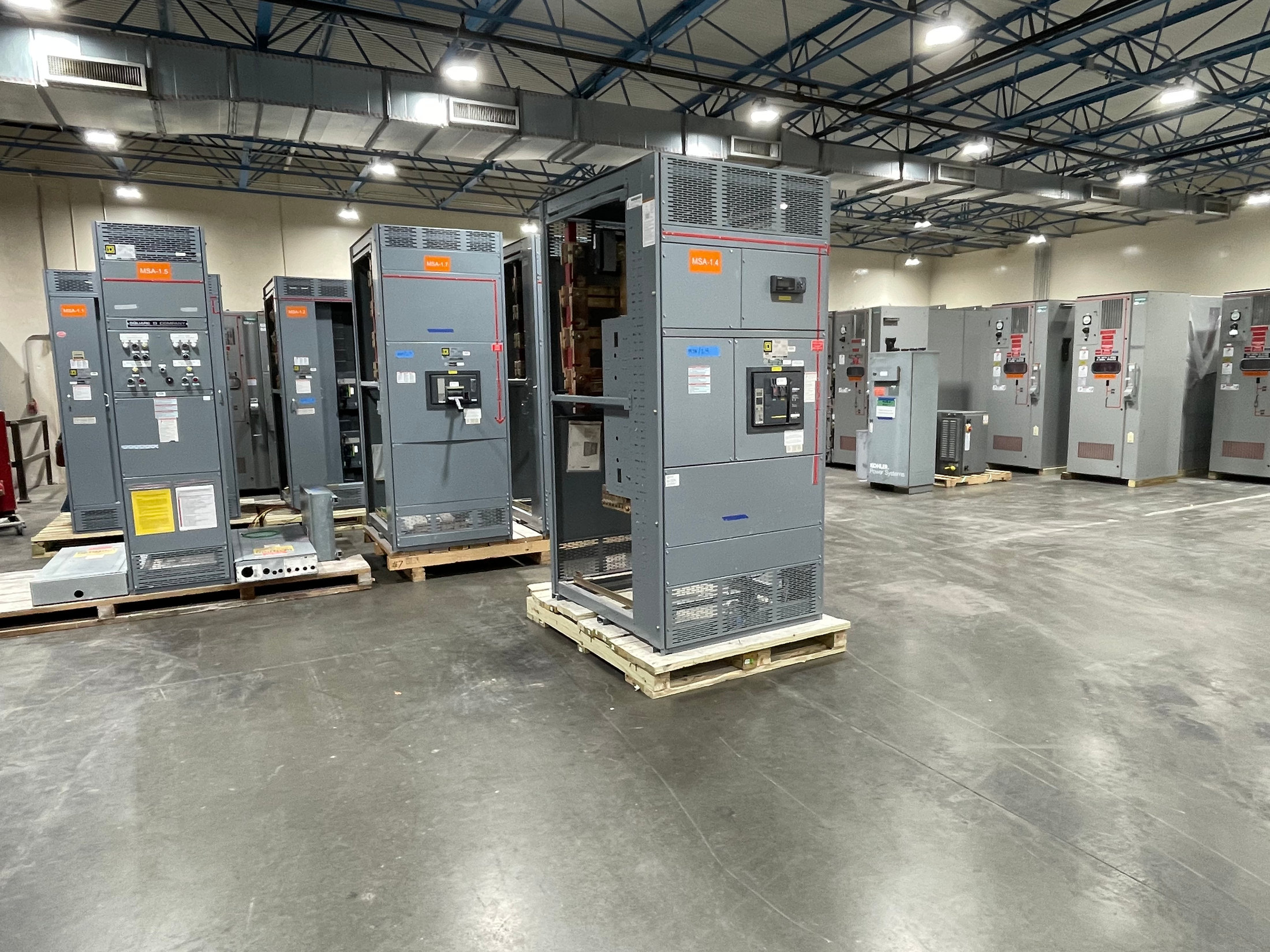
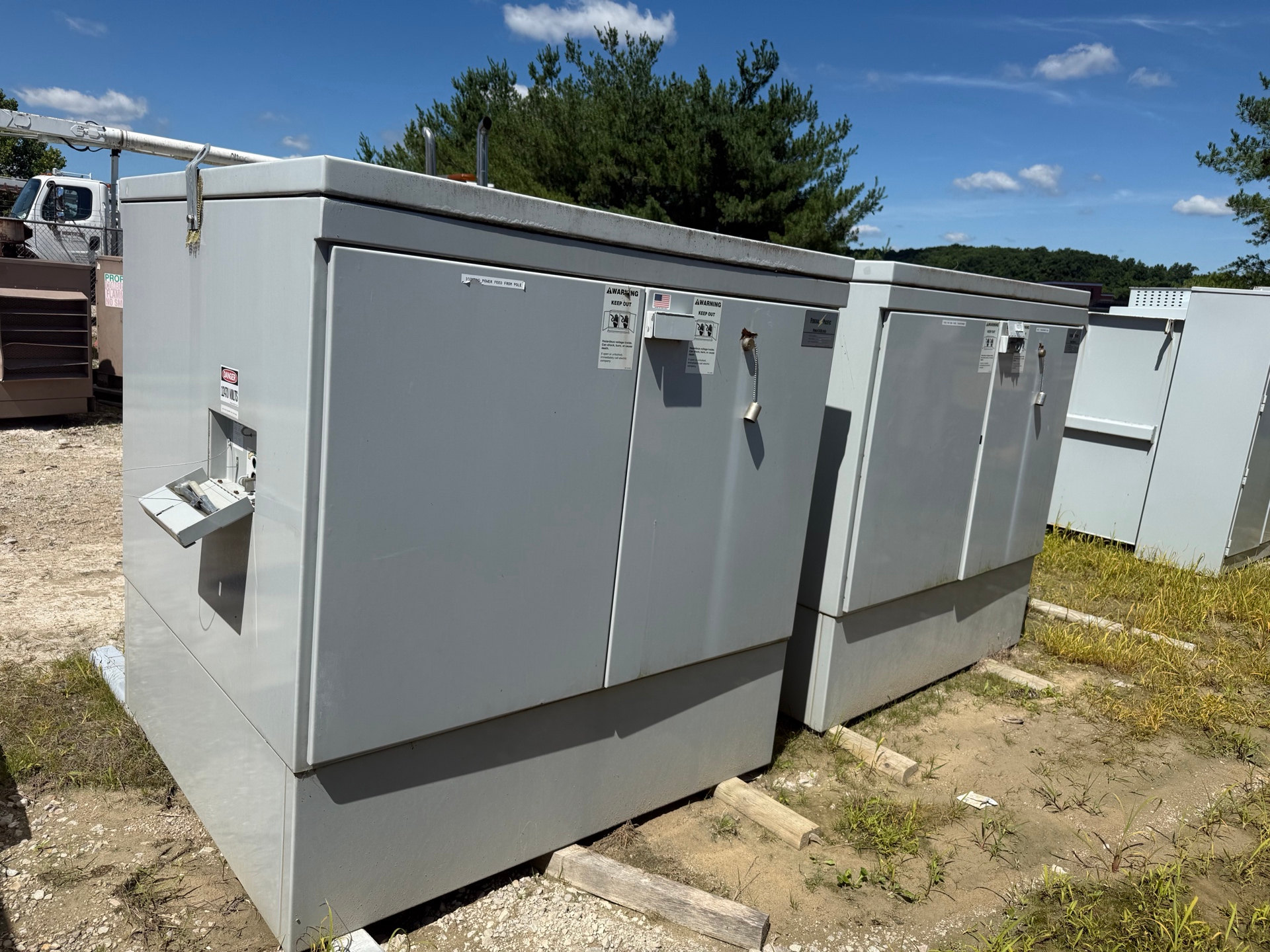
If you own switchgear in Clairton and need to release it as part of a larger shutdown, begin by deciding which equipment may be sold, when it can leave, and who has authority to approve the sale. A shutdown can involve several work areas, contractors, and milestone dates; the sale is easier to coordinate when the equipment boundary and release conditions are clear. We buy used, surplus, and decommissioned switchgear across all voltage classes, including equipment from shut-down power plants and decommissioned data centers. Whether a particular item is a fit depends on its condition, completeness, configuration, and the terms both parties agree to.
Keep sale authorization separate from the shutdown schedule. A milestone such as an area turnover or contractor handoff does not by itself establish that equipment is ready for pickup. Identify the decision-maker for the equipment, the party controlling site access, and any required internal approvals. Then share the release window and any constraints that could affect removal or vehicle access. We make cash offers for equipment we agree to buy, and payment is made upfront before pickup. There is no seller testing requirement.
Define what belongs in the sale
A shutdown inventory may include equipment that is available for sale, equipment still required for operations, and items assigned to other contractors or owners. Separate the switchgear being offered from adjacent equipment and from anything that must remain in place. Useful details include the quantity, general equipment type, known manufacturer or identifying labels, and whether the offer covers a complete lineup or selected portions. These details help establish what the proposed sale actually includes without asking you to test or operate equipment.
Describe known conditions plainly, including missing components, visible damage already known to the owner, incomplete records, or uncertainty about whether related pieces belong together. Do not infer a voltage class, configuration, or condition from appearance alone. If information is unavailable, say so; an offer can be based on the information available and remain subject to agreement about the equipment and sale terms. The buyer’s assessment and any acceptance do not transfer site access authority or shutdown responsibilities away from the owner.
Share information without creating a new site task
An initial equipment description can be prepared from records and information already available to the owner. Existing inventory documents, labels recorded during normal site operations, and photographs already safely accessible may help identify what is being offered. Photos and labels are optional. Do not enter a restricted area, move anything, open equipment, or arrange special access just to create sales material. The owner controls access and determines what information may be shared.
Keep uncertainty visible in the description rather than filling gaps with assumptions. If records use an internal asset name, include that name as supplied and distinguish it from any manufacturer identification. If the shutdown scope may change, explain which items are confirmed for release and which remain under review. This lets the discussion progress without seller testing, energizing, opening, disconnecting, dismantling, or physically handling the equipment for the purpose of sale.
Coordinate the sale around real milestones
For equipment within a larger shutdown, map the proposed sale to the owner’s actual release milestones. Clarify when the equipment becomes available, what must be completed before access is permitted, and whether the site requires scheduling or advance coordination. These are site-specific matters to confirm with the people who control the property and the shutdown. A proposed date is a planning input, not a guarantee that a sale or pickup can occur on that date; both the purchase terms and timing must be agreed.
Avoid treating removal as an informal add-on to another contractor’s work. Confirm who can authorize access, who will coordinate with other site parties, and what boundaries apply to the equipment being sold. We handle cranes, rigging, disconnects, loading, freight, and hauling as part of coordinating a purchase and pickup. The site owner remains the source for access permissions and applicable site requirements. Aligning those responsibilities early helps keep equipment disposition distinct from unrelated shutdown work.
Agree on scope, payment, and pickup
Before committing equipment to a sale, make sure the agreed scope identifies what is included and what is excluded, along with any material conditions that affect release. If several items are being discussed, distinguish them clearly rather than relying on a broad reference to “switchgear.” A purchase depends on the equipment and on mutual agreement; not every item will receive an offer. Ask questions about the proposed scope and resolve any uncertainty before the shutdown reaches the release milestone.
For equipment we agree to buy, the transaction is a cash offer, with payment upfront before pickup. No seller testing is required. Confirm the agreed payment and pickup arrangement before releasing the equipment. The timing, access plan, and scope should be consistent with the site owner’s approved shutdown sequence. If a milestone changes or the equipment boundary shifts, revisit the agreement rather than assuming the original terms cover newly added items or a different release window.
Prepare a controlled handoff
A useful handoff plan states which equipment is being released, when the owner permits access, and which site contact can coordinate with the pickup team. Include any known site constraints that affect scheduling or movement through the property, using information verified by the owner. Do not assume a particular crane position, route, loading area, or freight arrangement without site-specific confirmation. We coordinate cranes, rigging, disconnects, loading, freight, and hauling; the owner controls access and communicates the requirements that apply at the site.
Keep shutdown milestones, equipment-sale decisions, and site permissions connected but distinct. If a milestone depends on another party’s work, confirm that party’s role before setting a pickup window. If the equipment is not yet released, identify the condition that must be met before access is allowed. This planning gives both sides a clearer basis for coordinating the agreed purchase without requiring the seller to perform technical preparation or physical handling for the sale.
Move forward with a clear record
A concise written record can capture the equipment included, information still uncertain, agreed purchase terms, payment timing, release conditions, and pickup coordination. Keep the record aligned with the owner’s shutdown documentation so the sale does not accidentally include equipment reserved for another purpose. Where multiple decision-makers are involved, confirm that the person approving the sale has authority over the items and can coordinate their release. These steps support a straightforward decision without assuming that every piece of equipment is suitable for purchase.
When you are ready to discuss switchgear in Clairton, provide the available inventory information and the release milestones relevant to the equipment. We can consider the described equipment and discuss a cash offer where there is a fit. If terms are agreed, payment is upfront before pickup, and we handle cranes, rigging, disconnects, loading, freight, and hauling. The scope, site access, schedule, and final purchase remain subject to the owner’s authorization and mutual agreement.